Description
Wormchrist (Fenbendazole) 1000 mg
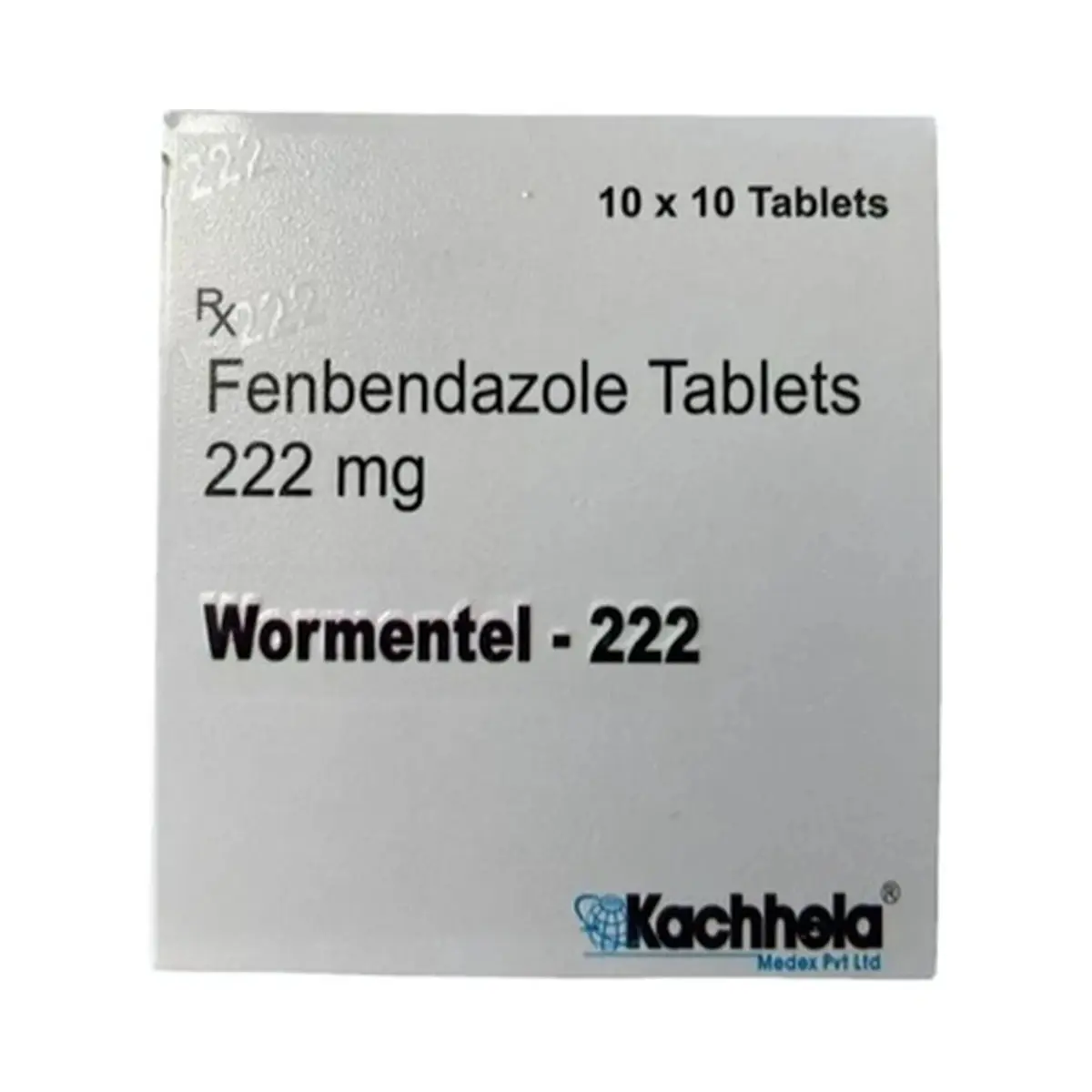
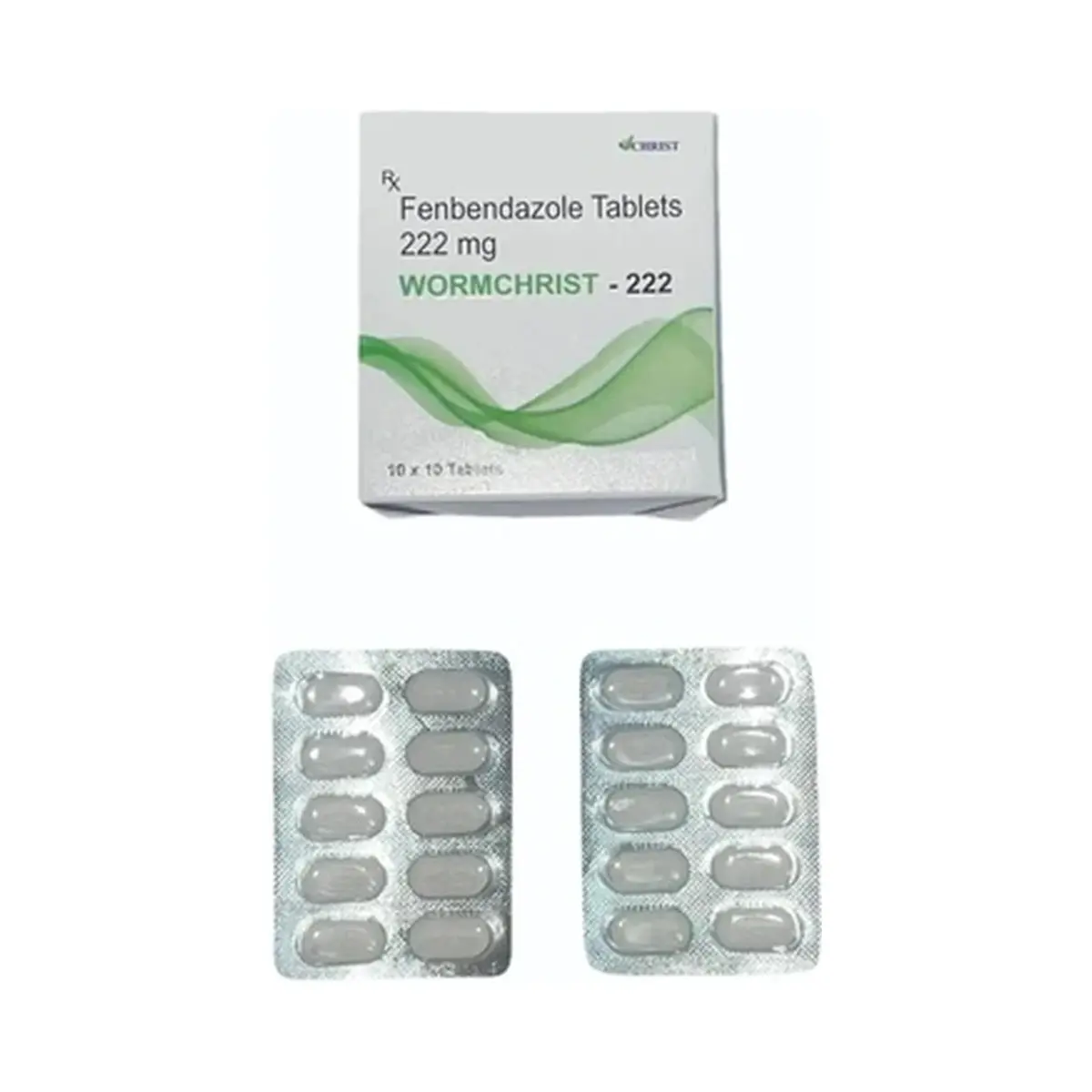
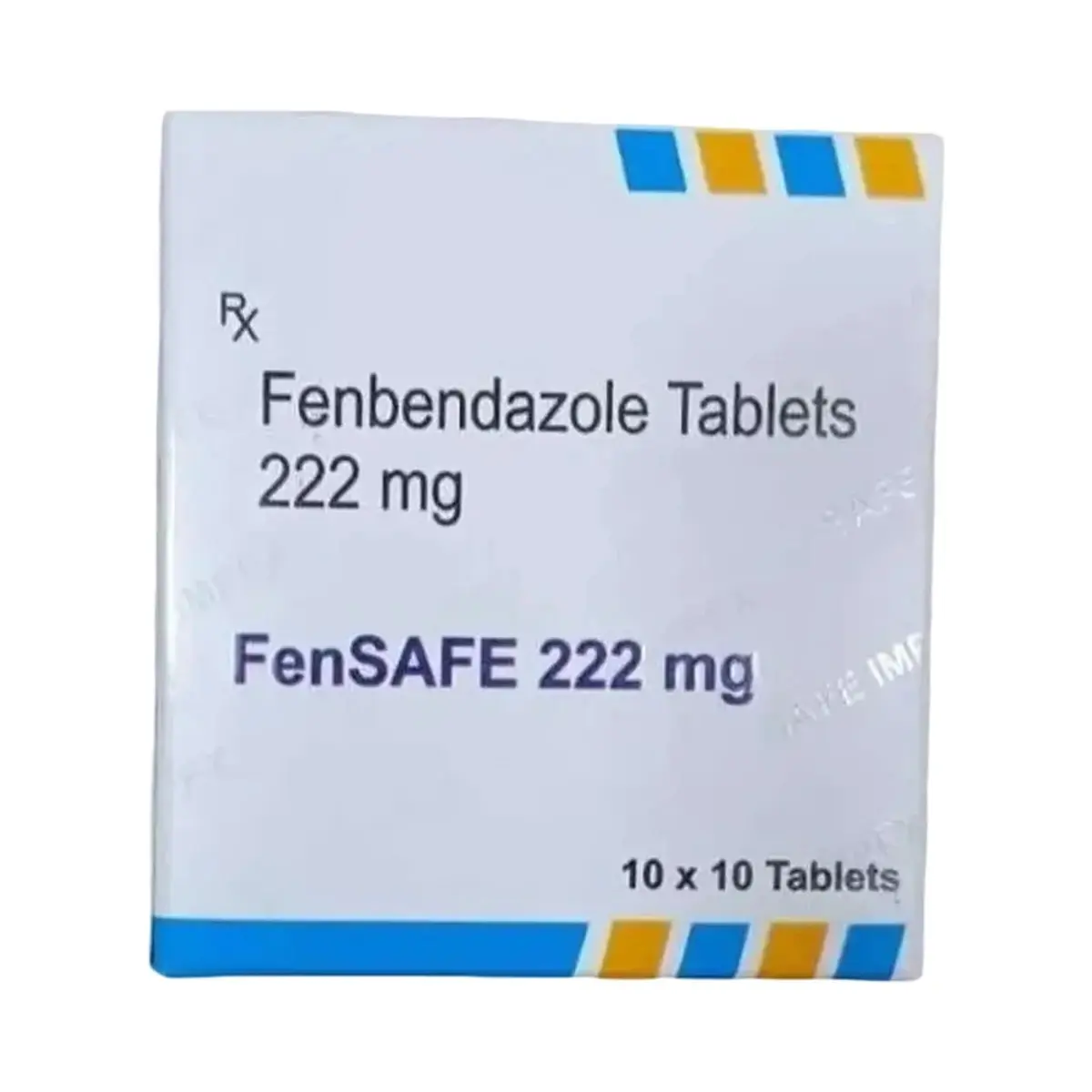
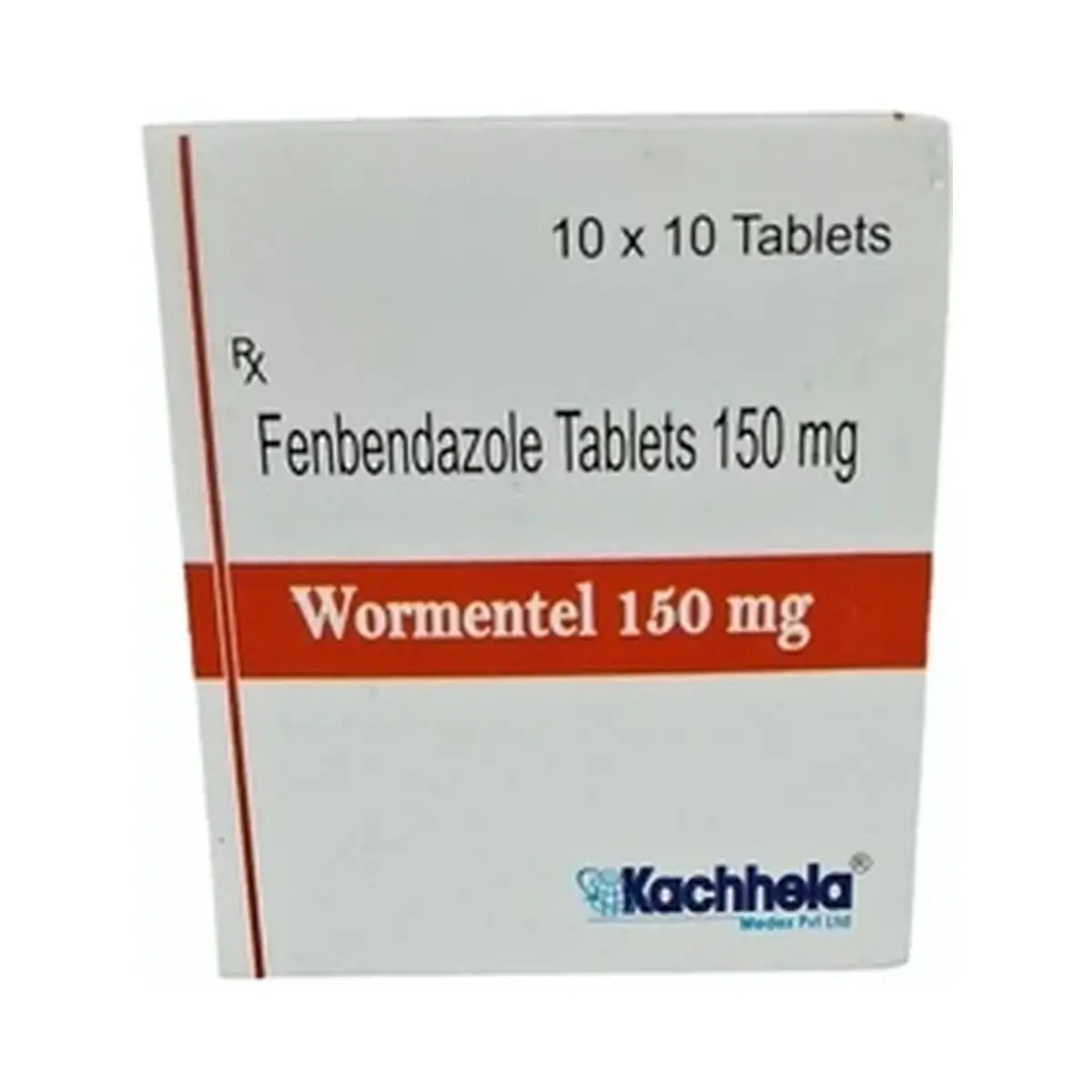
Wormchrist 1000 mg is listed as a fenbendazole tablet, a veterinary anthelmintic medicine used to control certain parasitic worms in animals. The exact trade name could not be verified in the official sources reviewed, so this description is based on the verified active ingredient fenbendazole and the supplied product information.
Active Ingredient and Medicine Class
The active ingredient is fenbendazole. It belongs to the benzimidazole anthelmintic class. Medicines in this group are used against susceptible gastrointestinal and some other internal parasites in animals.
Established Medical Uses
Official veterinary information identifies fenbendazole as being used in dogs for the treatment and control of ascarids, hookworms, whipworms, and tapeworms. Regulatory information also describes fenbendazole as a veterinary deworming agent with use against selected helminths in other animal species, depending on the licensed product and jurisdiction.
How It Works
Fenbendazole works by disrupting parasite microtubules, which are structures the worm needs for essential cell functions. This interferes with nutrient uptake and other vital processes in the parasite, leading to its death or removal from the animal.
Important Safety Information
Fenbendazole products should be used only according to the relevant veterinary label or professional guidance. Regulatory information notes that extra-label use in dogs, especially treatment longer than the labeled duration, has been associated with serious blood-related adverse events such as bone marrow hypoplasia and pancytopenia. Caution is also warranted because product labeling and approvals can differ by country, animal species, and parasite target. As with other anthelmintics, clinically important interactions and restrictions may depend on the specific product formulation and the species being treated.
Possible Side Effects
Reported adverse effects are generally uncommon when fenbendazole is used as directed, but important reactions can occur. These may include reduced appetite, lethargy, gastrointestinal upset, and, more rarely, serious blood abnormalities. Regulatory reports also note that severe adverse outcomes have been described in animals receiving fenbendazole outside labeled conditions.
Scientific Evidence
Published veterinary studies support fenbendazole’s activity against several common canine helminths. Older controlled work in dogs found high efficacy against naturally occurring ascarids, hookworms, whipworms, and some tapeworm infections. More recent review literature continues to describe fenbendazole as an established veterinary anthelmintic, while also highlighting safety concerns when the drug is used beyond approved regimens. Human clinical benefit is not established, and claims of non-veterinary uses should be treated cautiously.
Medical Information Notice
This page is an educational summary based on sources available at the time of review. It does not replace the official product label, package leaflet, or an individual assessment by a qualified veterinary professional.
Medical Sources
- U.S. Food and Drug Administration. Dear Veterinarian Letter regarding adverse events associated with extra-label use of fenbendazole in dogs
- DailyMed. Fenbendazole tablet product label
- Roberson EL, Burke TM. Evaluation of granulated fenbendazole as a treatment for helminth infections in dogs. Journal of the American Veterinary Medical Association, 1982. View scientific article
- Cray C, Altman NH. An Update on the Biologic Effects of Fenbendazole. Comparative Medicine, 2022. View scientific article