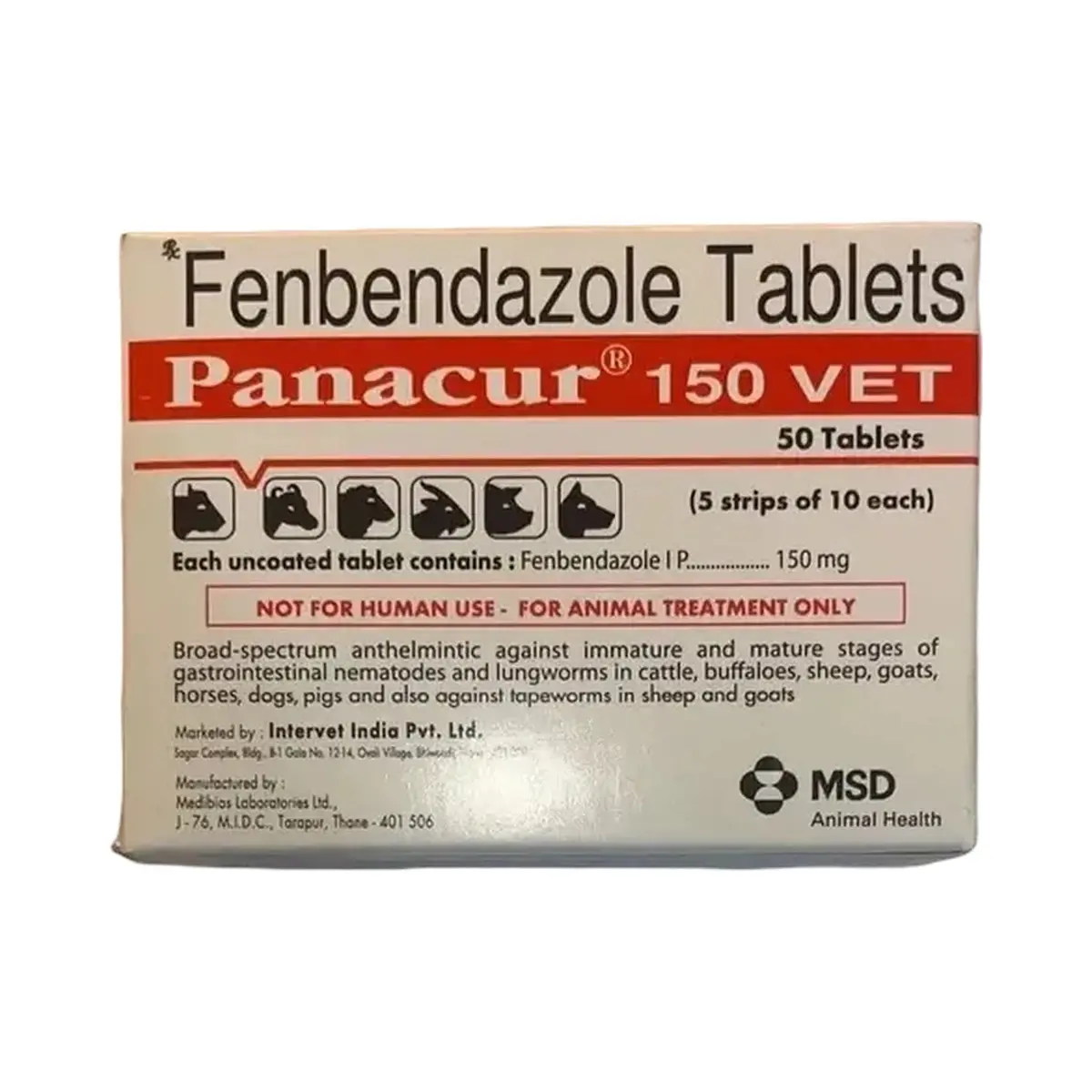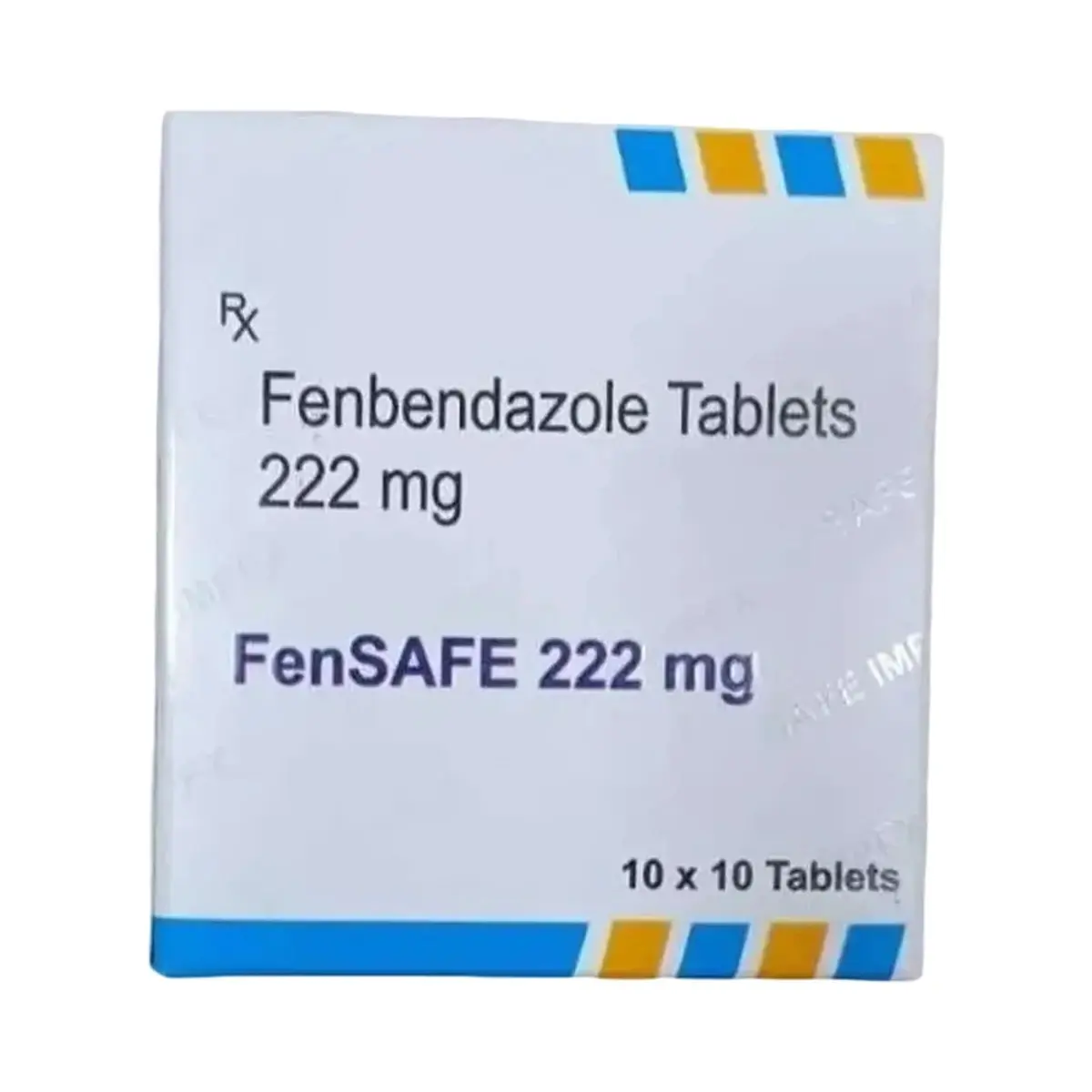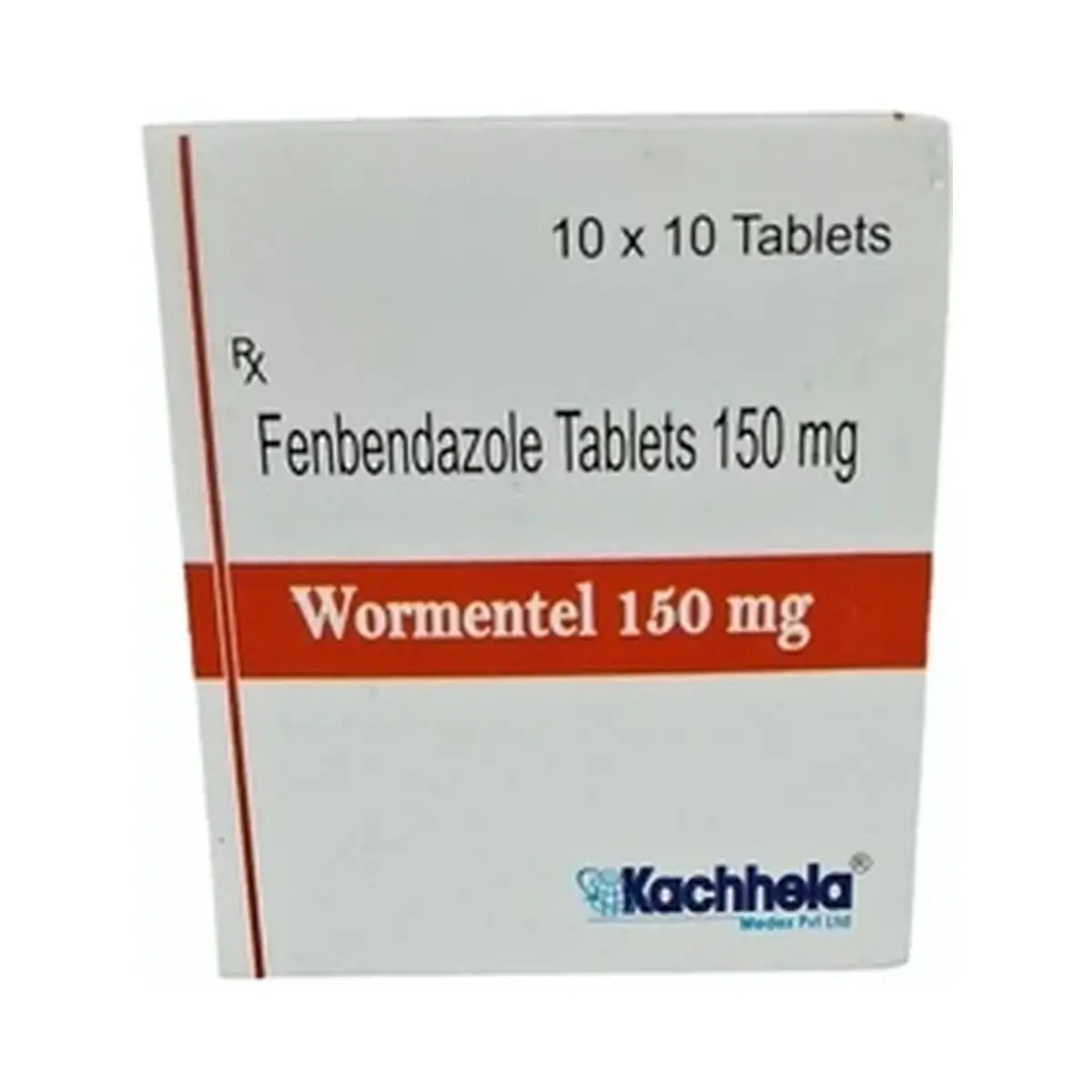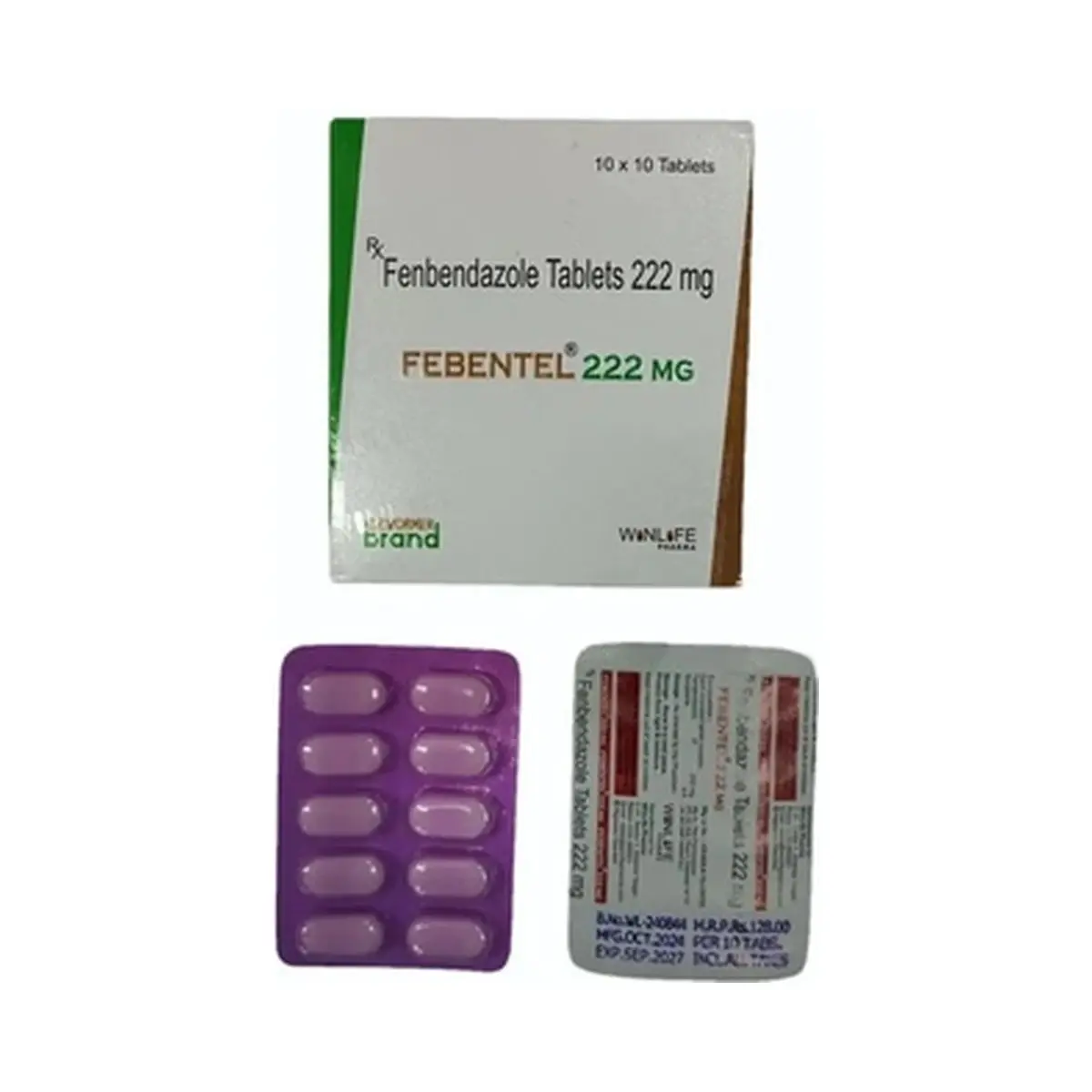
Description
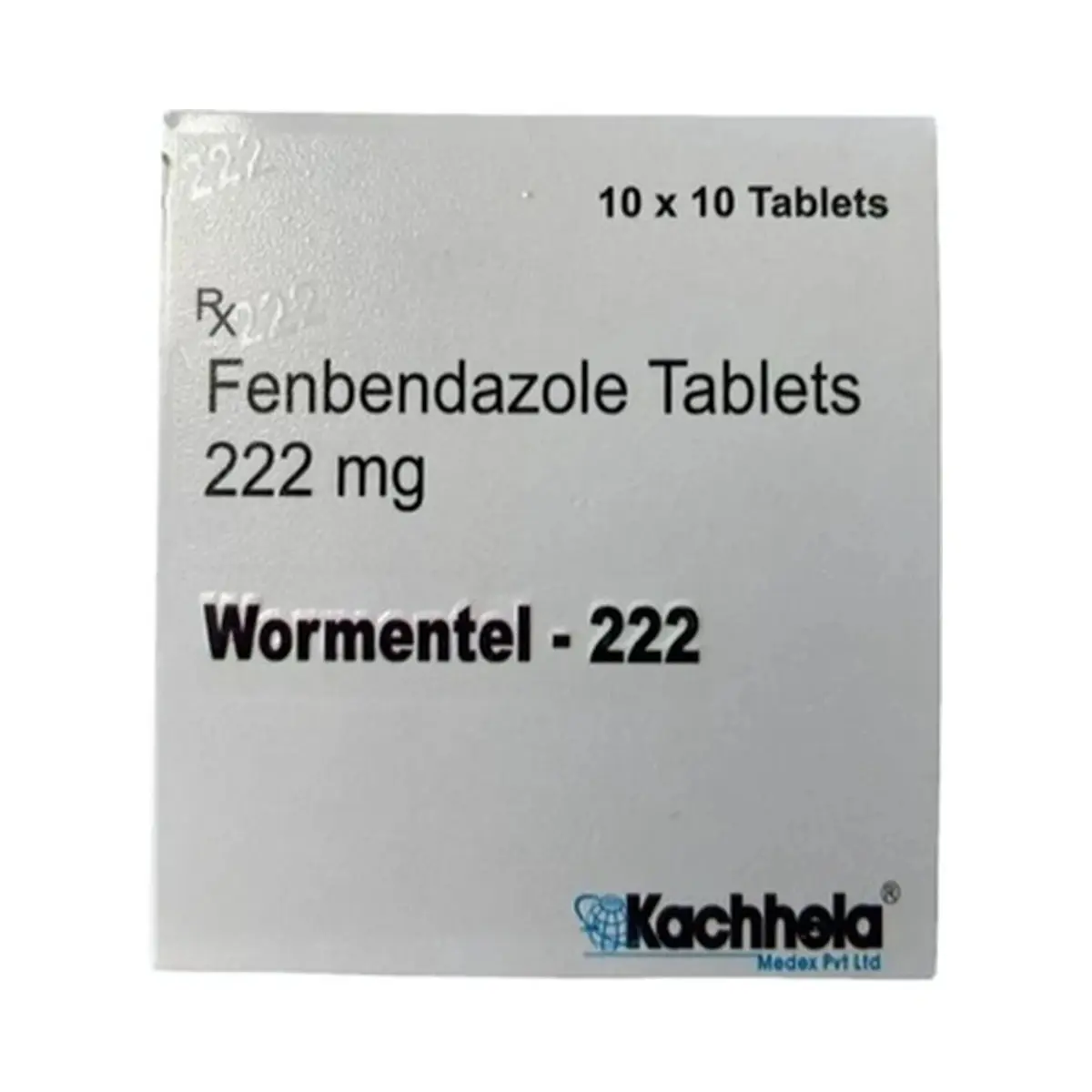
Wormentel (Fenbendazole) 222 mg – 10 tablets
Wormentel appears to be a veterinary oral medicine containing fenbendazole, a benzimidazole anthelmintic used to treat and control certain internal parasitic worm infections in animals. The verified active ingredient and strength are consistent with fenbendazole 222 mg oral veterinary formulations.
Active Ingredient and Medicine Class
Fenbendazole is a benzimidazole anthelmintic. Medicines in this class are used against susceptible gastrointestinal parasites and related helminths in veterinary practice. Fenbendazole is an oral solid formulation in the product description provided.
Established Medical Uses
Fenbendazole is established in veterinary medicine for control of susceptible internal parasites. Regulatory labeling for fenbendazole products includes use against common nematodes such as ascarids, hookworms and whipworms, and in some animal species also certain tapeworms. The precise approved spectrum depends on the animal species and the specific registered product.
Because trade names and approvals can vary by country and species, the most reliable use statement is that fenbendazole is an animal dewormer for susceptible helminth infections, rather than a universal treatment for all parasites.
How It Works
Fenbendazole acts by disrupting parasite energy metabolism. As a benzimidazole, it interferes with processes required for the parasite to survive and reproduce, which leads to loss of viability and removal of susceptible worms from the animal host.
Important Safety Information
Official veterinary labeling reports no known contraindications for some fenbendazole animal products, but this can differ by formulation, species and jurisdiction. Use is intended for specific animal species only, and product labeling should be checked carefully before use in any veterinary setting.
Important precautions include the possibility of reduced effectiveness if the medicated feed is not fully consumed, and the need to consider species-specific restrictions. Veterinary labels also note that compatibility data with other products may be limited for some species. Fenbendazole should not be assumed safe for all animals, all life stages, or all clinical situations.
Clinically significant interactions are not consistently established in official labeling, but veterinary assessment is still important when an animal is receiving other medicines or has liver disease, poor appetite, or concurrent illness.
Possible Side Effects
Fenbendazole is generally described as well tolerated in veterinary use, but adverse effects can occur. Reported reactions include vomiting and loose stools in some animals. Reduced appetite has also been observed in certain species at high exposure. As with many antiparasitic medicines, individual tolerance may vary.
More serious toxicity is uncommon in standard veterinary use, but any unexpected neurologic signs, marked lethargy, persistent vomiting, jaundice, or severe loss of appetite would be medically significant and require prompt veterinary attention.
Scientific Evidence
Peer-reviewed veterinary literature describes fenbendazole as a widely used benzimidazole anthelmintic for control of helminths in animals, with efficacy linked to its action on parasite biology and the ongoing need to monitor for anthelmintic resistance. Human scientific reports also document that fenbendazole can cause clinically important liver injury when it is used outside approved veterinary indications, reinforcing the importance of restricting interpretation to established veterinary use.
Medical Information Notice
This page is an educational summary based on sources available at the time of review. It does not replace the official product leaflet, species-specific prescribing information, or an individual assessment by a qualified veterinary professional.
Medical Sources
- U.S. FDA / DailyMed. PANACUR- fenbendazole granule official veterinary labeling. View official label
- European Medicines Agency (EMA). Fenbendazole maximum residue limit and related veterinary regulatory information. View EMA veterinary information
- T F Booze, F W Oehme. A literature review of the anthelmintic, fenbendazole. Vet Hum Toxicol, 1982. View scientific article
- Melanie Abongwa et al. A brief review on the mode of action of antinematodal drugs. Acta Vet (Beogr), 2017. View scientific article