Description
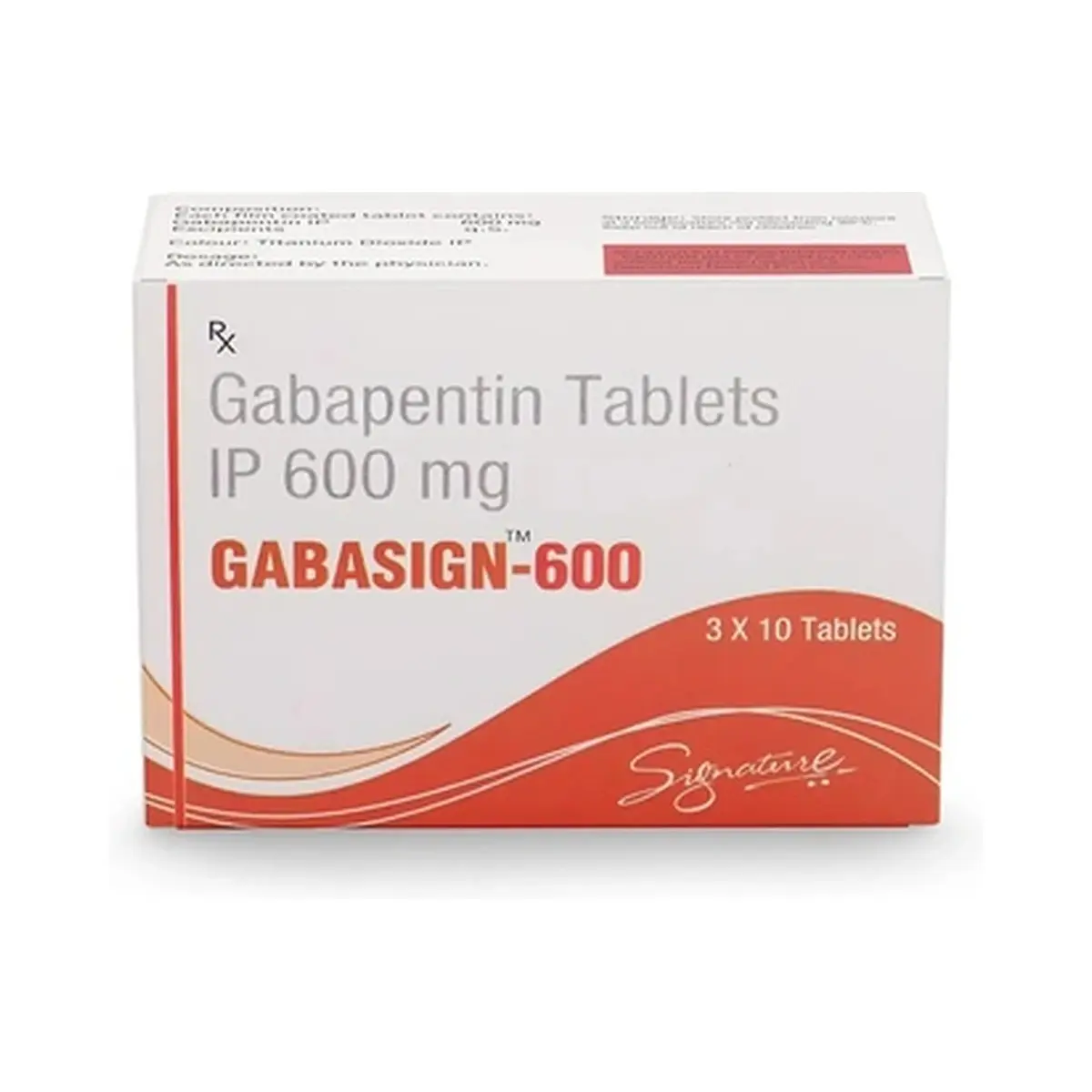
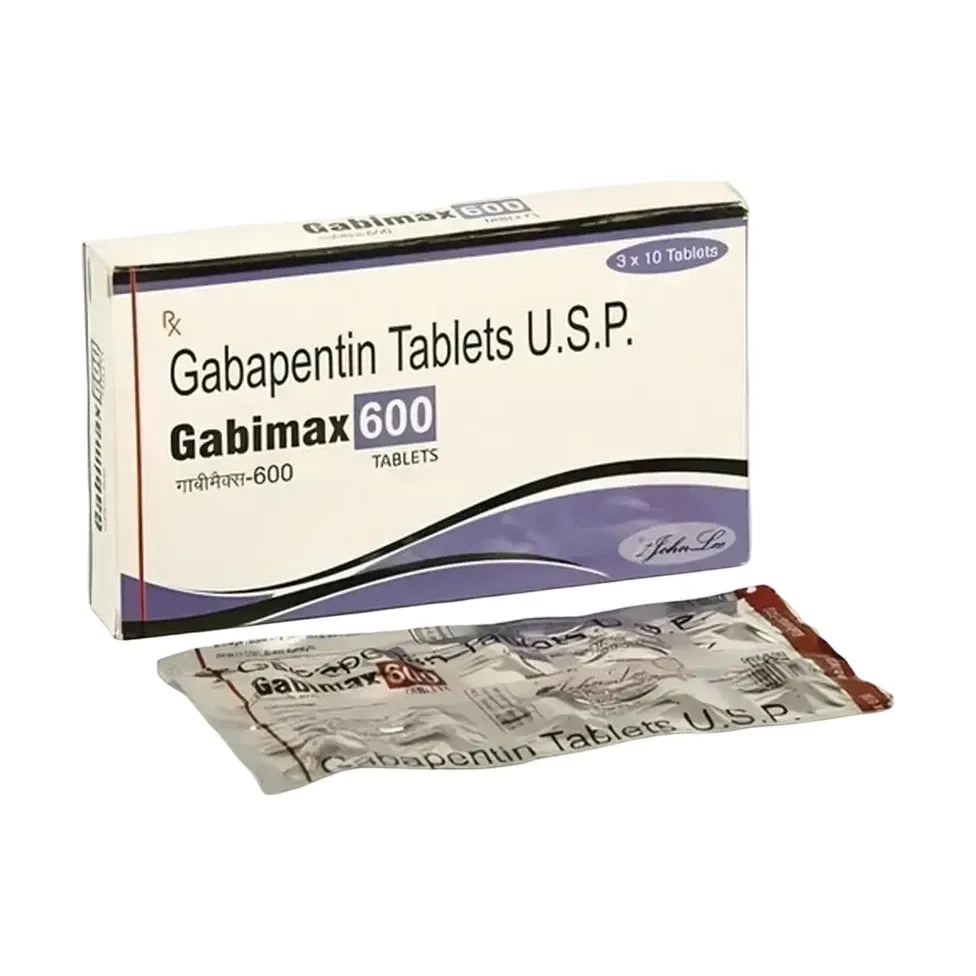
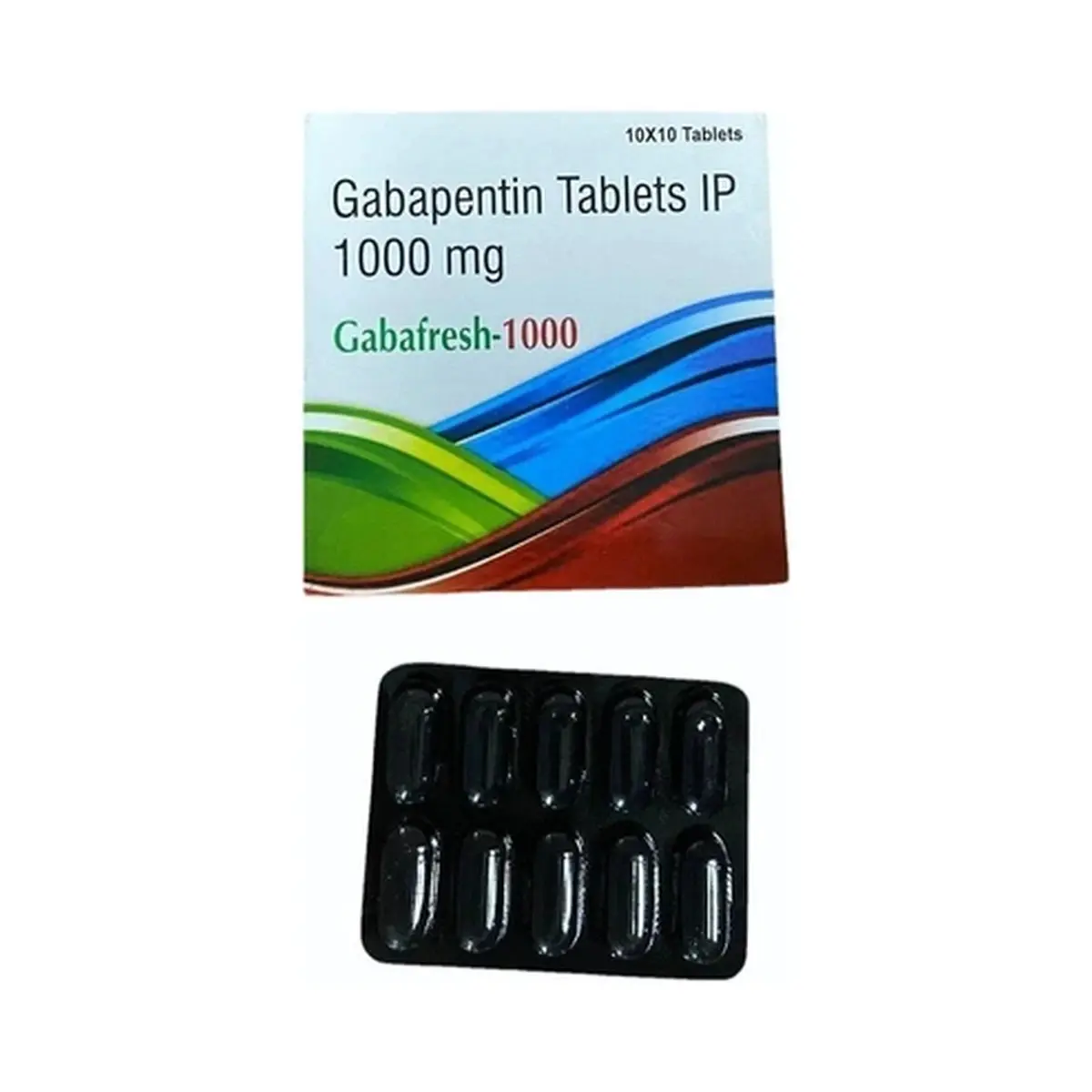
Gabafresh (Gabapentin)
Gabafresh is listed here as a gabapentin medicine. Gabapentin is a prescription anticonvulsant and neuropathic pain medicine used in established clinical settings for certain seizure disorders and for postherpetic neuralgia in adults. The exact trade name could not be independently verified from the available regulatory sources, so this summary is based on the active ingredient gabapentin.
Active Ingredient and Medicine Class
The verified active ingredient is gabapentin. It belongs to the class of antiepileptic medicines and is also widely used as a neuropathic pain agent. Although structurally related to gamma-aminobutyric acid (GABA), gabapentin does not act by directly binding to GABA receptors. Instead, it is considered a centrally acting medicine with effects on neuronal excitability.
Established Medical Uses
Official prescribing information identifies gabapentin for two established uses: management of postherpetic neuralgia in adults and adjunctive therapy for partial-onset seizures, with or without secondary generalization, in adults and pediatric patients 3 years and older with epilepsy. These are regulated indications in the United States and are the core evidence-based uses reflected in product labeling.
In clinical research, gabapentin has also been studied extensively for painful neuropathic conditions such as diabetic neuropathy and other neuropathic pain syndromes. These findings support its use in neuropathic pain generally, but the strength of evidence and regulatory status vary by country and indication.
How It Works
Gabapentin’s precise mechanism is not fully established. Available pharmacology data show that it binds with high affinity to the alpha-2-delta subunit of voltage-gated calcium channels. This interaction is thought to reduce the release of excitatory neurotransmitters and help dampen abnormal nerve signalling. The medicine is also related to GABA by structure, but it does not appear to work through classic GABA receptor binding.
Important Safety Information
Gabapentin should not be used in people with known hypersensitivity to gabapentin or any ingredient in the formulation. Important warnings in official labeling include drug reaction with eosinophilia and systemic symptoms, anaphylaxis and angioedema, suicidal thoughts or behaviour, and respiratory depression, especially when gabapentin is used with other central nervous system depressants such as opioids or in people with underlying breathing problems.
Clinically significant interactions include increased gabapentin exposure with morphine. Regulatory information also notes an interaction with aluminum- and magnesium-containing antacid products, which can affect absorption. Caution is also warranted in patients with renal impairment, since gabapentin is cleared primarily by the kidneys.
Possible Side Effects
The most commonly reported adverse effects include dizziness, somnolence, fatigue, ataxia, nystagmus, and peripheral edema. In pediatric patients, somnolence, nausea or vomiting, fever, viral infection, and behavioural effects have been reported.
Serious but less common reactions include hypersensitivity reactions, swelling of the face or throat, worsening mood symptoms, respiratory depression, and increased seizure risk if treatment is stopped abruptly. As with other antiepileptic drugs, monitoring for new or worsening neuropsychiatric symptoms is important.
Scientific Evidence
Human studies and systematic reviews have shown that gabapentin can reduce pain in several neuropathic conditions, with the strongest evidence historically in postherpetic neuralgia and painful diabetic neuropathy. Randomised controlled trial data and reviews support a clinically meaningful effect in some patients, although benefits are not universal and central nervous system side effects are common. In epilepsy, adjunctive use has shown efficacy for partial seizures, consistent with its approved role in add-on therapy.
Medical Information Notice
This page is an educational summary based on sources available at the time of review. It does not replace the official patient leaflet, full prescribing information, or an individual assessment by a qualified healthcare professional.
Medical Sources
- U.S. Food and Drug Administration / DailyMed. Gabapentin oral prescribing information. View official prescribing information
- Michael I Bennett et al. Gabapentin in the treatment of neuropathic pain. Palliative Medicine, 2004. View scientific article
- R Bruce Wallace et al. Gabapentin for neuropathic pain: systematic review of controlled and uncontrolled literature. Clinical Journal of Pain, 2002. View scientific article