Description
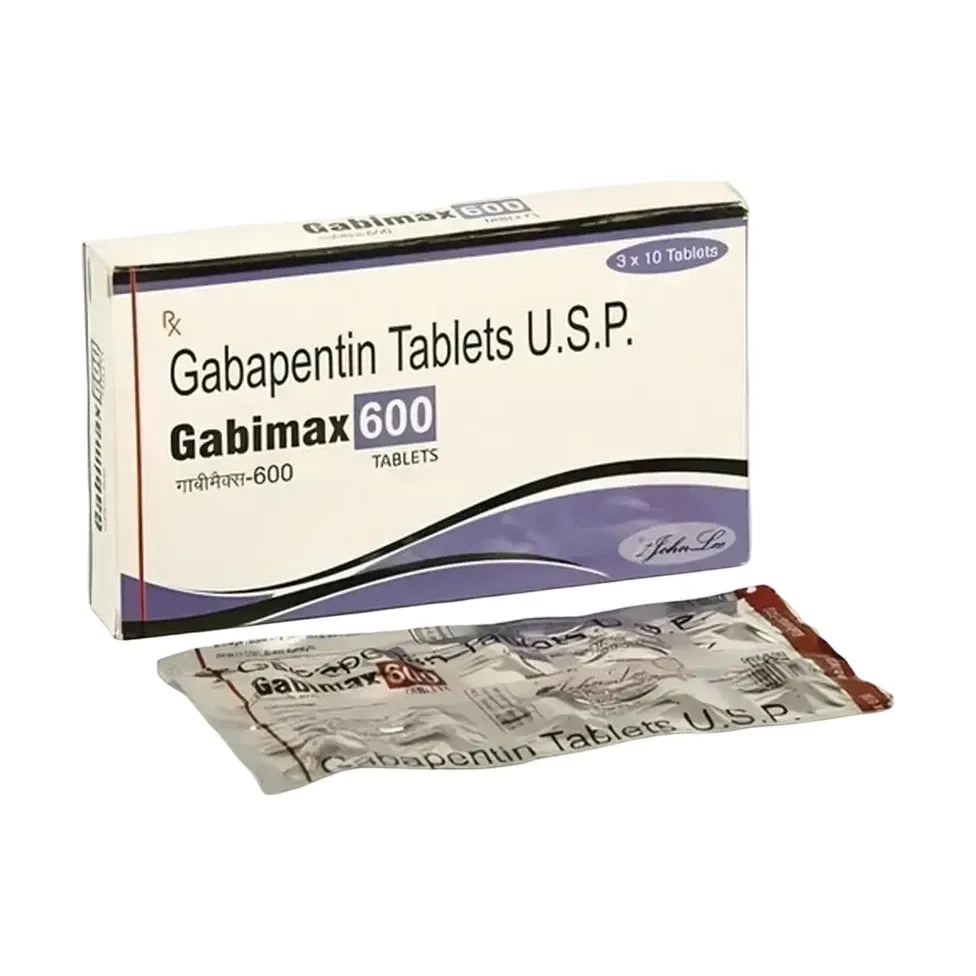
Gabimax (Gabapentin) 600 mg
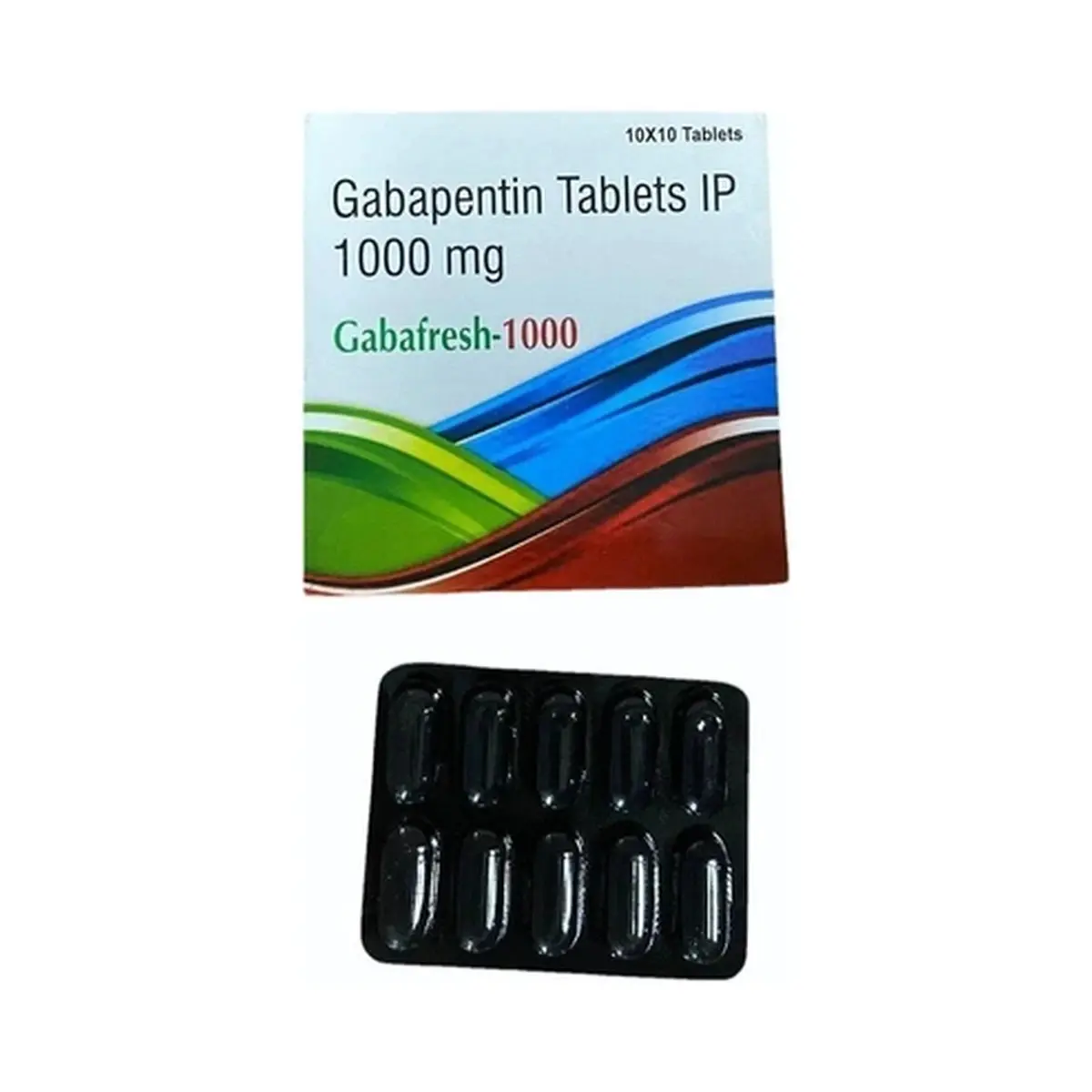
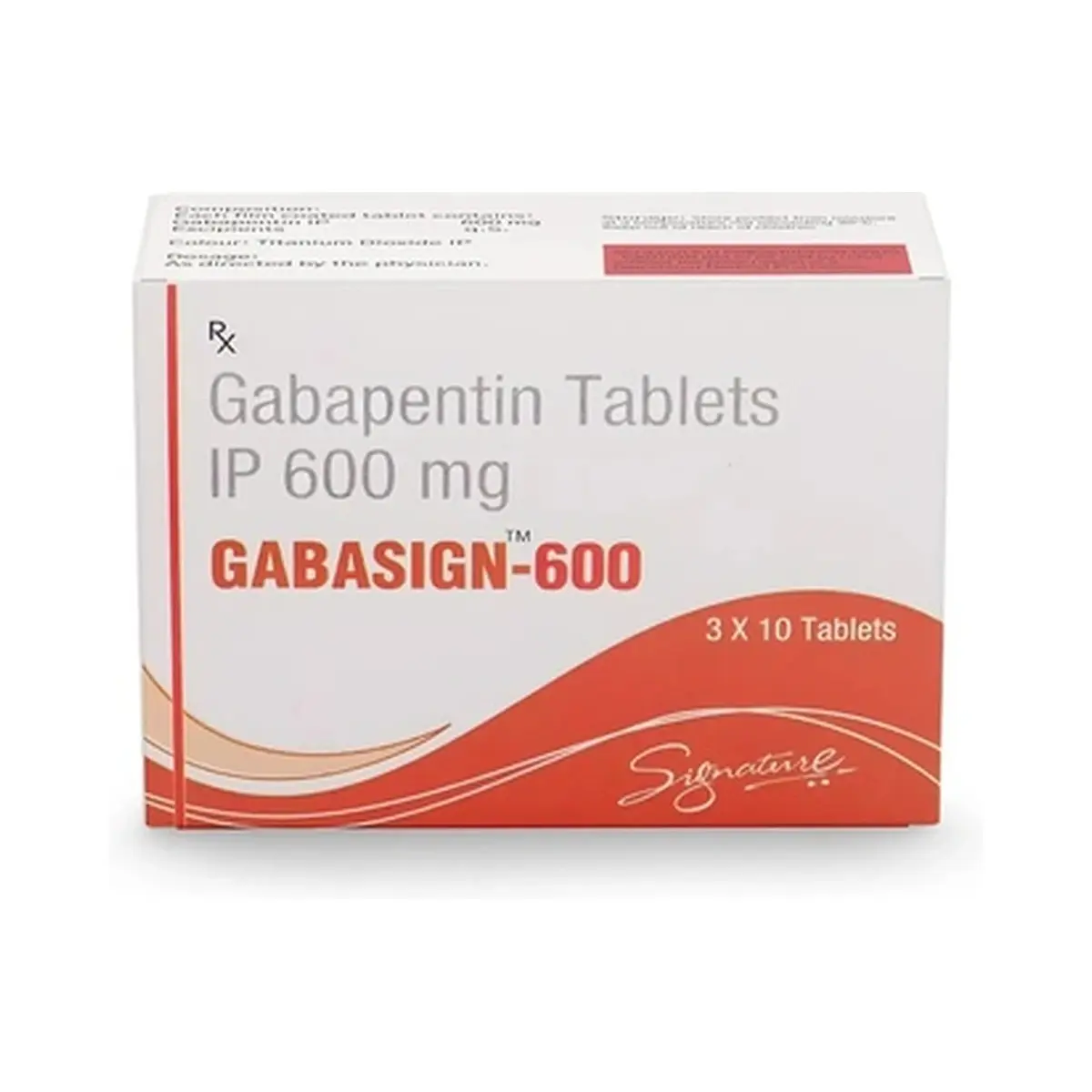
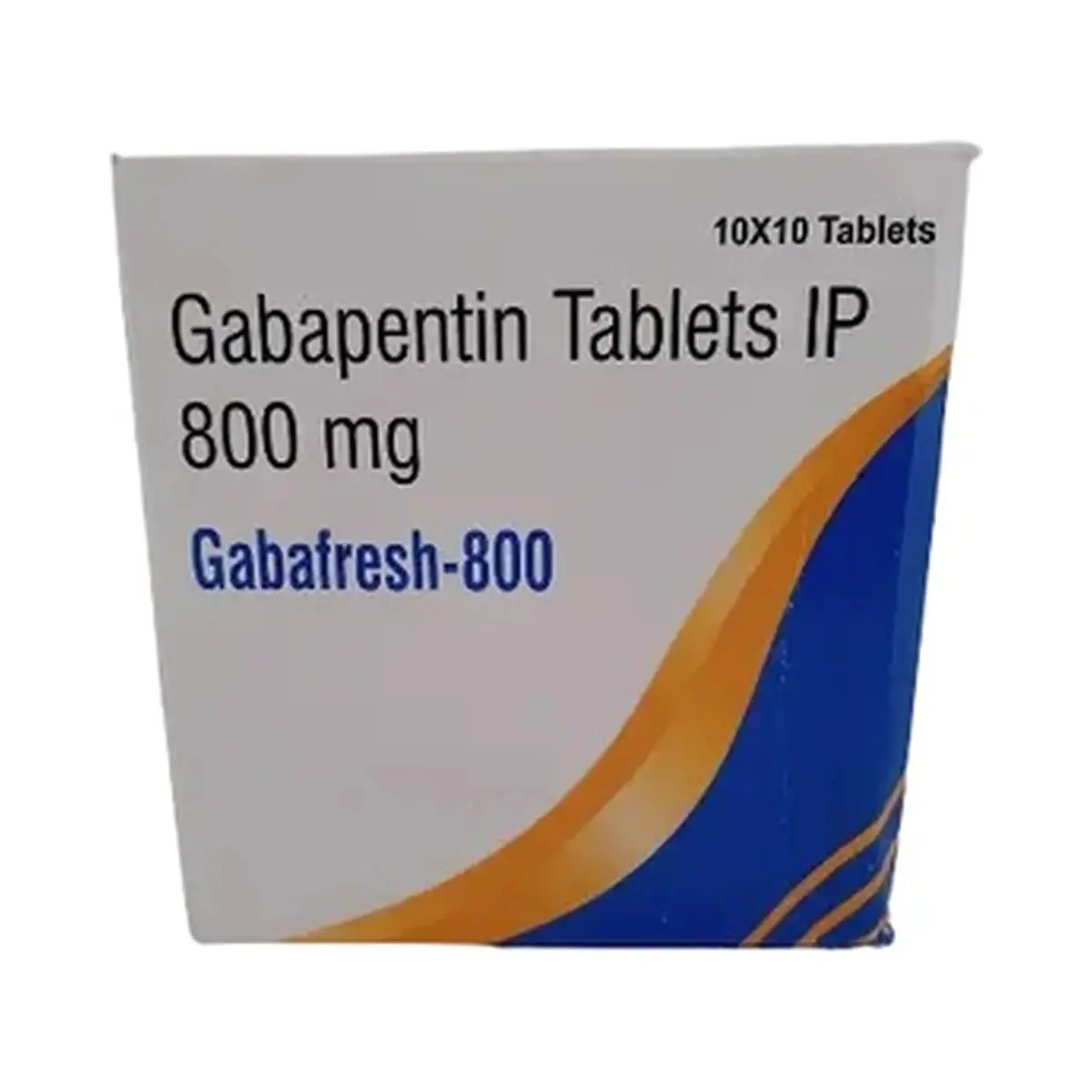
Gabimax 600 mg is a tablet medicine containing the active ingredient gabapentin. Gabapentin is an anticonvulsant and neuropathic pain medicine used in established prescribing information for partial-onset seizures and postherpetic neuralgia. The exact commercial name may vary by market, but the active ingredient in this listing is gabapentin.
Active Ingredient and Medicine Class
The verified active ingredient is gabapentin. It belongs to the group of medicines commonly described as anticonvulsants or antiepileptic medicines, and it is also used as a neuropathic pain treatment. Gabapentin is structurally related to gamma-aminobutyric acid (GABA), although it does not act in the same way as GABA itself.
Established Medical Uses
Official prescribing information supports gabapentin for adjunctive therapy in partial-onset seizures, with or without secondary generalization, in adults and in pediatric patients aged 3 years and older with epilepsy. It is also indicated for postherpetic neuralgia in adults, a form of nerve pain that can persist after shingles.
Clinical use may differ by country and product presentation, but these are the core established uses supported by regulatory labeling.
How It Works
Gabapentin does not work by directly replacing GABA. Instead, evidence shows that it binds with high affinity to the α2δ subunit of voltage-activated calcium channels. This action is thought to reduce the release of excitatory neurotransmitters and help calm overly active nerve signaling. That effect helps explain its use in seizure control and in certain neuropathic pain conditions.
Important Safety Information
Gabapentin should not be used in people with a known hypersensitivity to gabapentin or any of the product ingredients. Important warnings include serious hypersensitivity reactions such as DRESS, which can involve fever, rash, swollen lymph nodes, and organ involvement, as well as anaphylaxis and angioedema.
Gabapentin can also cause dizziness, somnolence, sedation, and impaired coordination, which may affect alertness and the ability to drive or operate machinery. The medicine has been associated with suicidal thoughts and behavior like other antiepileptic drugs. Respiratory depression has been reported, especially when gabapentin is used with opioids or other central nervous system depressants, or in people with underlying breathing problems.
Clinically relevant interactions include increased gabapentin exposure with morphine, reduced hydrocodone exposure, and reduced absorption when taken with magnesium- or aluminum-containing antacids. Gabapentin is eliminated by the kidneys, so impaired renal function is an important consideration in prescribing.
Possible Side Effects
Commonly reported adverse effects include dizziness, sleepiness, fatigue, and ataxia. Other effects can include peripheral swelling, tremor, nausea, and coordination problems. Serious but less common reactions include hypersensitivity, angioedema, respiratory depression, and mood or behavior changes.
Scientific Evidence
Human clinical and review literature supports gabapentin as an established option for neuropathic pain, particularly postherpetic neuralgia, and as an adjunctive antiseizure medicine. Reviews describe benefit through modulation of voltage-gated calcium channel function and reduced excitatory neurotransmission. At the same time, studies and regulatory reviews consistently note that tolerability is limited in some patients by sedation, dizziness, and other central nervous system effects.
Medical Information Notice
This summary is based on sources available at the time of review and is provided for educational purposes only. It does not replace the official patient leaflet, prescribing information, or individual assessment by a qualified healthcare professional.
Medical Sources
- U.S. Food and Drug Administration (FDA) NEURONTIN (gabapentin) prescribing information. View official prescribing information
- DailyMed / U.S. National Library of Medicine Gabapentin Tablets, oral use, prescribing information. View official product label
- Benjamin Beal et al. Gabapentin for once-daily treatment of post-herpetic neuralgia: a review. Clinical Interventions in Aging, 2012. View scientific article
- M A Rose et al. Gabapentin: pharmacology and its use in pain management. Anaesthesia, 2002. View scientific article