Description
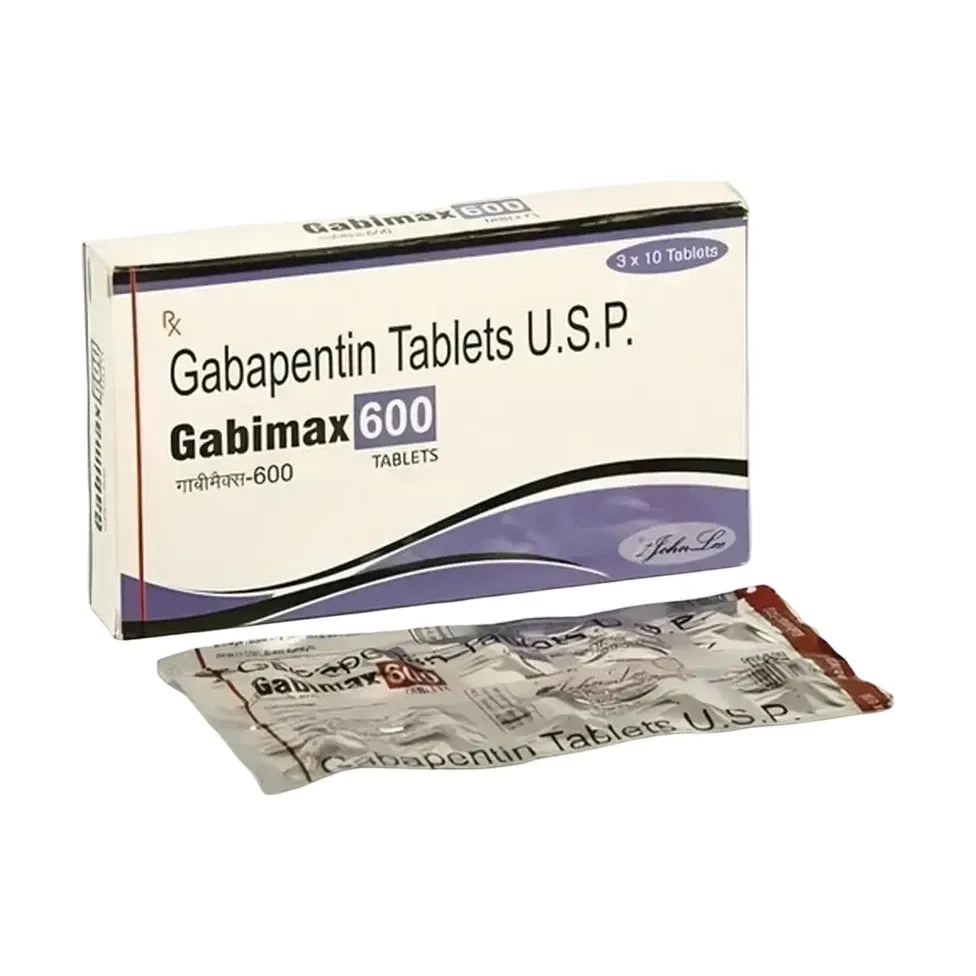
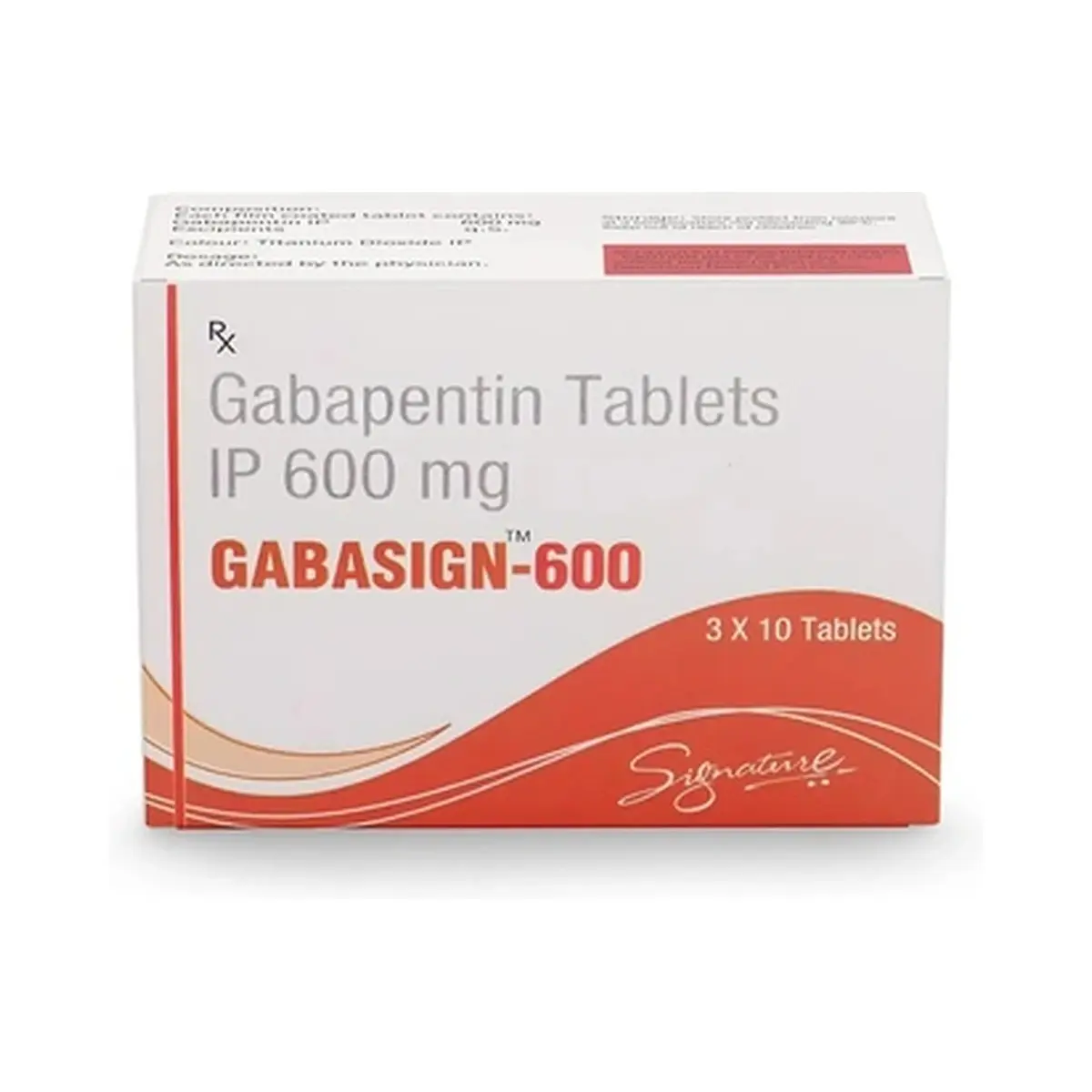
Gabasign (Gabapentin) 600 mg
Gabasign 600 mg contains gabapentin, an established anticonvulsant medicine available as an oral tablet. The verified active ingredient is gabapentin; however, approved uses can vary by country and product licence. In official prescribing information, gabapentin is recognised for neuropathic pain conditions and as adjunctive treatment for partial-onset seizures.
Active Ingredient and Medicine Class
Gabapentin is a gabapentinoid and anticonvulsant. It is structurally related to gamma-aminobutyric acid (GABA), but it does not act by directly binding to GABA receptors. Instead, it binds to the alpha-2-delta subunit of voltage-gated calcium channels, which is thought to reduce abnormal excitatory signalling in the nervous system.
Established Medical Uses
Official product information supports gabapentin use in peripheral neuropathic pain and in epilepsy, particularly as adjunctive therapy for partial-onset seizures. In UK prescribing information, gabapentin is also listed for peripheral neuropathic pain such as painful diabetic neuropathy and post-herpetic neuralgia in adults. The exact licensed indication depends on the market and the specific product registration.
How It Works
Gabapentin helps modulate overactive nerve signalling. Although its precise analgesic and antiseizure mechanisms are not fully understood, its interaction with calcium-channel subunits appears to reduce the release of excitatory neurotransmitters. This may lessen abnormal pain signalling in damaged nerves and help reduce seizure activity in susceptible brain networks.
Important Safety Information
Gabapentin should not be used in people with known hypersensitivity to gabapentin or any ingredient in the tablet. Important precautions include the risk of dizziness, sleepiness, impaired coordination, and reduced alertness. Official information also warns about serious skin reactions, anaphylaxis, severe hypersensitivity syndromes, and suicidal thoughts or behaviour reported with antiepileptic medicines. Caution is advised in patients with renal impairment and in older adults, because gabapentin is eliminated by the kidneys. Clinically significant interactions include reduced absorption with antacid products containing aluminium and magnesium, and increased gabapentin exposure when used with morphine in some studies.
Possible Side Effects
Common adverse effects include dizziness, somnolence, fatigue, ataxia, peripheral oedema, and, in some settings, nystagmus. Some patients may also experience nausea, vomiting, weight gain, or gait disturbance. More serious reactions that require urgent medical attention include hypersensitivity reactions, rash with systemic symptoms, severe allergic reactions, and mood or behaviour changes suggestive of suicidal thinking.
Scientific Evidence
Randomised clinical studies support gabapentin’s role in partial epilepsy as adjunctive therapy and in some monotherapy settings, although comparative effectiveness varies by study design and outcome. For neuropathic pain, reviews and controlled trials show benefit in selected conditions such as post-herpetic neuralgia and diabetic peripheral neuropathy, but responses are not uniform and adverse effects are common enough to limit use in some patients. Overall, the clinical literature supports gabapentin as a useful option for recognised neuropathic pain and seizure indications, while also highlighting tolerability limits and the need for careful patient selection.
Medical Information Notice
This page is an educational summary based on sources available at the time of review. It does not replace the official patient leaflet, prescribing information, or an individual assessment by a qualified healthcare professional.
Medical Sources
- U.S. Food and Drug Administration / DailyMed. Gabapentin tablets and capsules, full prescribing information
- electronic Medicines Compendium (emc). Gabapentin Tablets 600 mg, Summary of Product Characteristics
- Liliya Eugenevna Ziganshina et al. Gabapentin monotherapy for epilepsy: A review. International Journal of Risk & Safety in Medicine, 2023. View scientific article
- A Beydoun. A double-blind trial of gabapentin monotherapy for newly diagnosed partial seizures. Neurology, 1998. View scientific article