Description
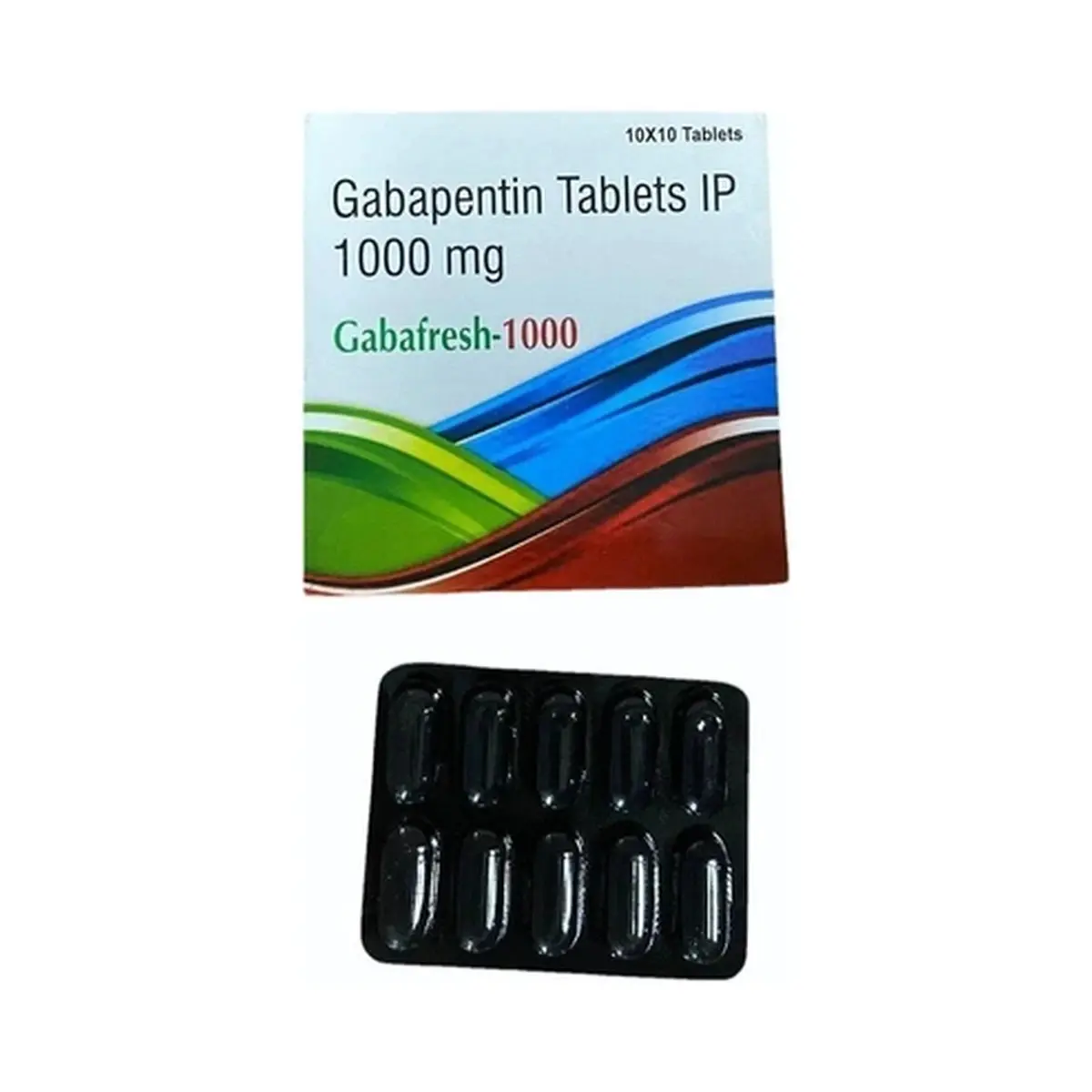
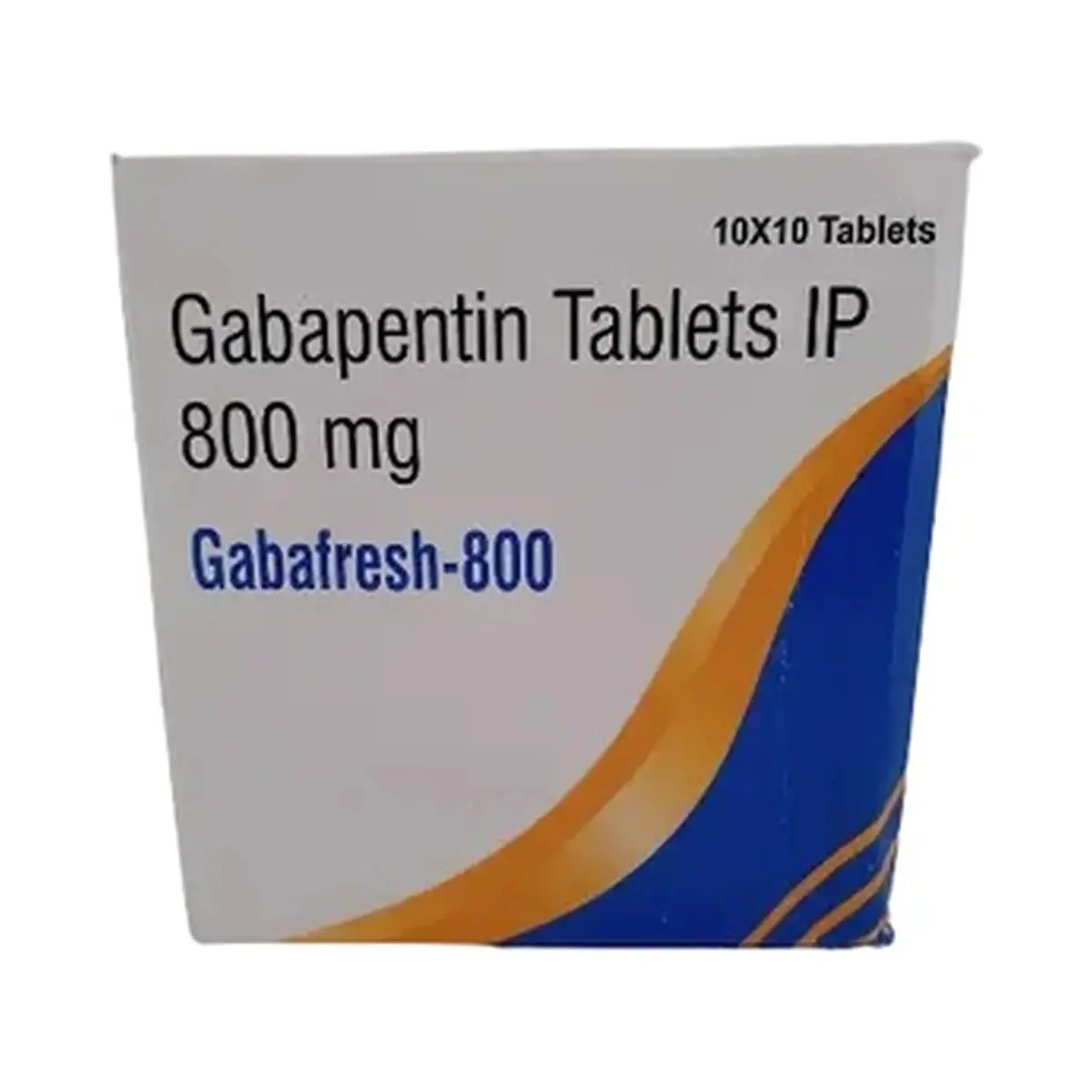
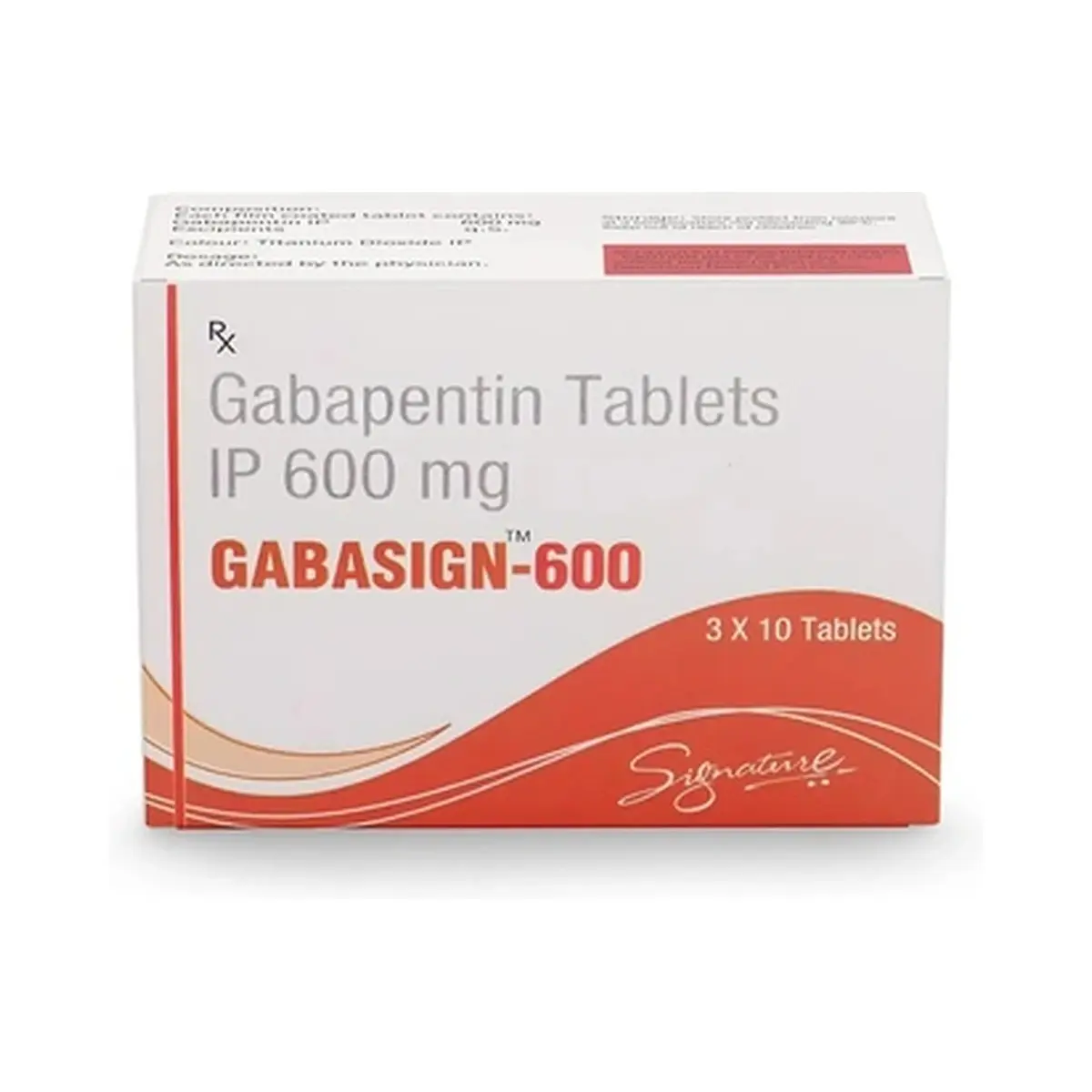
Gabasign (Gabapentin) 300 mg
Gabasign 300 mg contains gabapentin, a prescription medicine used in the management of certain seizure disorders and postherpetic neuralgia. The product name itself is not enough to verify a unique branded formulation worldwide, so this summary is based on the verified active ingredient, gabapentin, and established prescribing information for oral gabapentin products.
Active Ingredient and Medicine Class
The active ingredient is gabapentin. It is an antiepileptic medicine and is also used as a neuropathic pain medicine. Although related in structure to gamma-aminobutyric acid (GABA), gabapentin does not act like GABA and is not considered a direct GABA receptor agonist.
Established Medical Uses
Established uses for gabapentin include the management of postherpetic neuralgia in adults and adjunctive therapy for partial onset seizures, with or without secondary generalization, in adults and in pediatric patients aged 3 years and older with epilepsy. These are the uses supported by official prescribing information for oral gabapentin products.
How It Works
The precise mechanism of gabapentin is not fully understood. Available evidence indicates that it binds with high affinity to the α2δ subunit of voltage-activated calcium channels. This interaction is thought to reduce excitatory signaling in the nervous system and may help explain its antiseizure and pain-modulating effects. Gabapentin is not appreciably metabolized in humans and its effects are produced by the parent drug.
Important Safety Information
Gabapentin should not be used in patients with a known hypersensitivity to gabapentin or any component of the product. Important warnings include suicidal thoughts or behavior, severe hypersensitivity reactions such as DRESS, anaphylaxis, and angioedema. It may also cause sedation, dizziness, and impairment of driving or operating machinery.
Clinically important interactions include increased risk of respiratory depression when gabapentin is combined with opioids or other central nervous system depressants, and reduced absorption when taken with some aluminum- and magnesium-containing antacids. Morphine can increase gabapentin exposure. Renal impairment is also important because gabapentin is cleared by the kidneys and may require adjustment in routine prescribing practice.
Possible Side Effects
Common adverse effects reported with gabapentin include dizziness, somnolence, fatigue, ataxia, peripheral edema, and nystagmus. In pediatric epilepsy studies, fever, nausea or vomiting, and behavioral changes such as hostility were also reported. Serious reactions are less common but may include hypersensitivity reactions, angioedema, respiratory depression, and worsening mood or suicidal thinking.
Scientific Evidence
Clinical evidence supports gabapentin’s use in postherpetic neuralgia and as adjunctive therapy for partial seizures. Review literature also describes benefit in neuropathic pain syndromes, particularly diabetic neuropathy and postherpetic neuralgia. Mechanistic research has strengthened the understanding of gabapentin’s interaction with calcium-channel subunits, but its exact clinical analgesic and antiepileptic mechanism remains incompletely defined.
Medical Information Notice
This page is an educational summary based on sources available at the time of review. It does not replace the official patient leaflet, the full prescribing information, or individual assessment by a qualified healthcare professional.
Medical Sources
- DailyMed / U.S. National Library of Medicine. Gabapentin capsules, for oral use — official prescribing information. View prescribing information
- M A Rose et al. Gabapentin: pharmacology and its use in pain management. Anaesthesia, 2002. View scientific article