Description
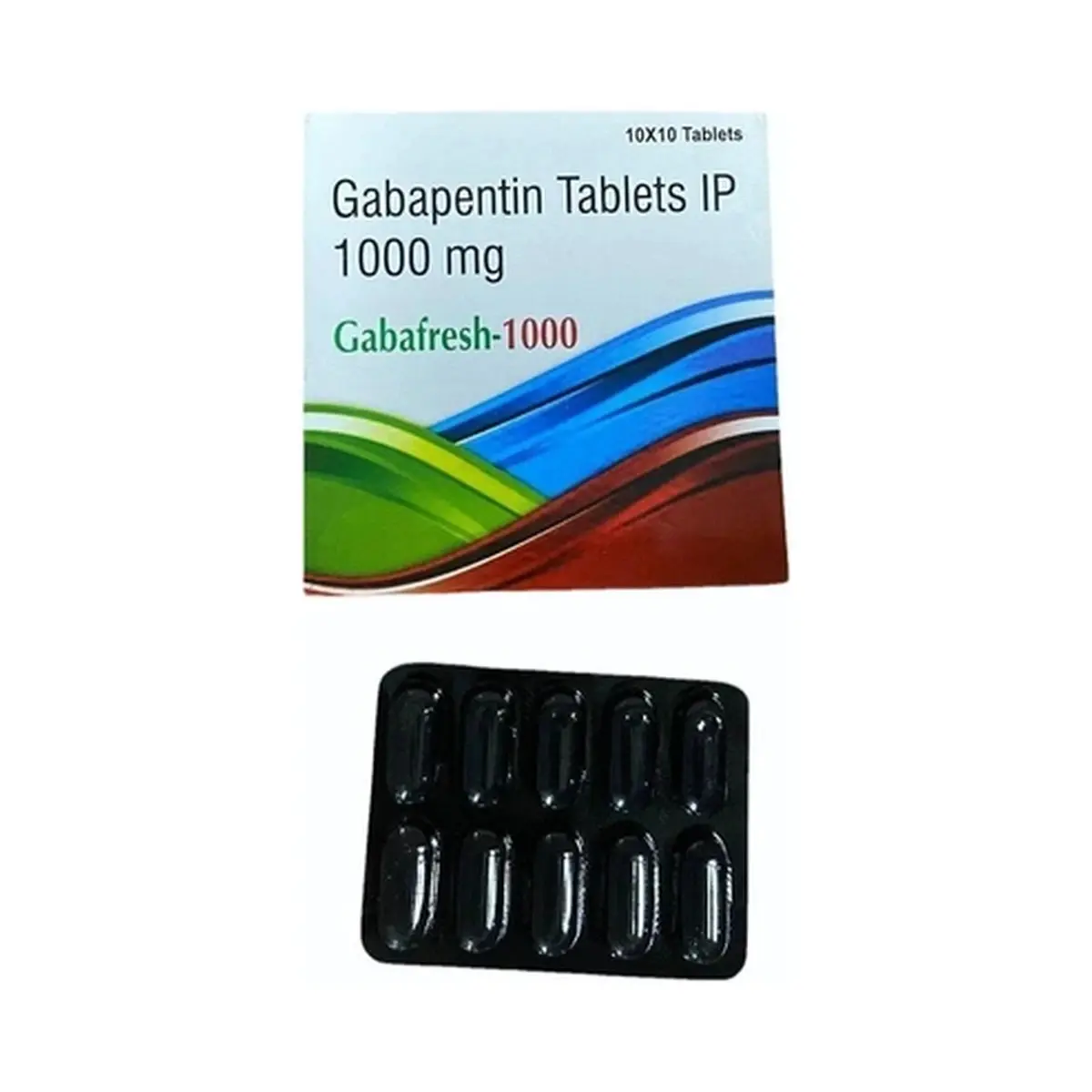
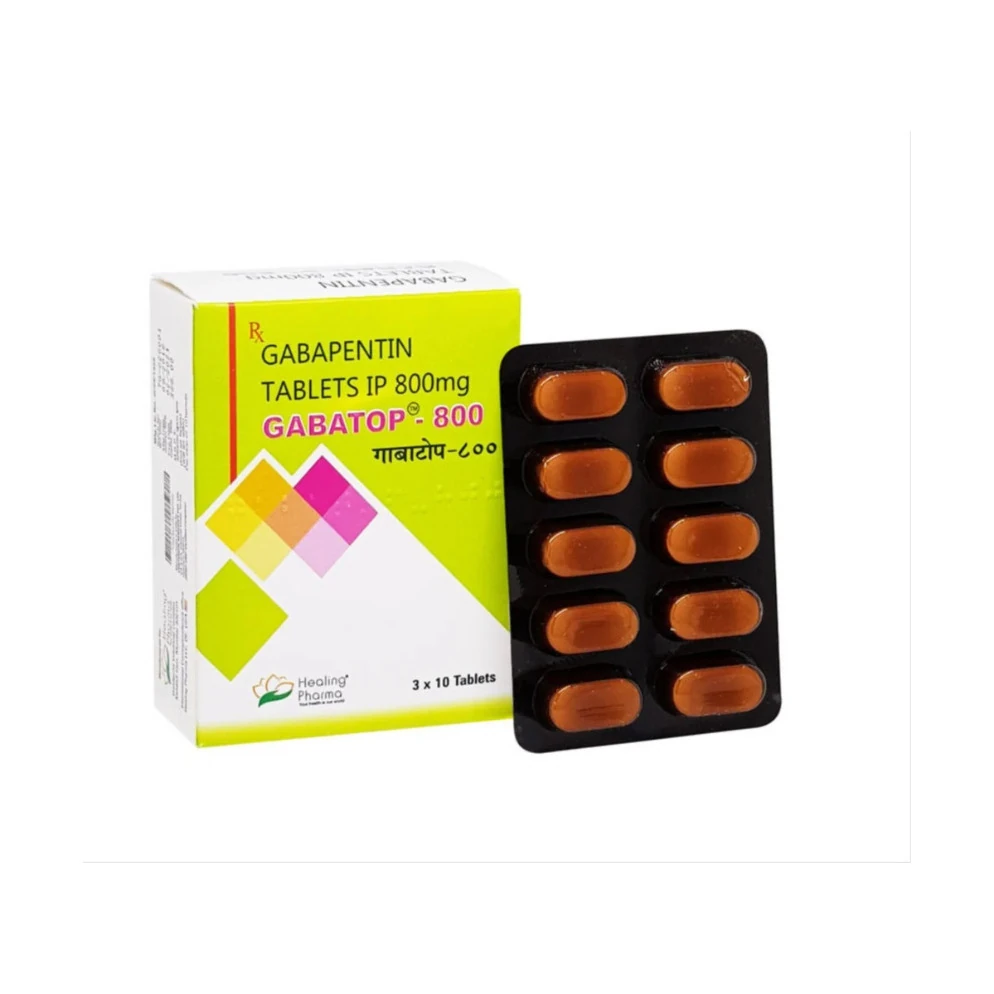
Gabafresh (Gabapentin) 800 mg
Gabafresh 800 mg is a gabapentin tablet for oral use. Gabapentin is an established anticonvulsant medicine that is also used for certain neuropathic pain conditions. The product name supplied here is consistent with gabapentin 800 mg tablets, and the medical information below is based on verified prescribing information and peer-reviewed literature.
Active Ingredient and Medicine Class
The active ingredient is gabapentin. It belongs to the class of anticonvulsants and is also described as a gabapentinoid. Although it is structurally related to gamma-aminobutyric acid (GABA), it does not act by directly binding to GABA receptors. Instead, it binds to the alpha-2-delta subunit of voltage-activated calcium channels, which is believed to contribute to its antiseizure and pain-modulating effects.
Established Medical Uses
Verified prescribing information for gabapentin tablets identifies two established uses: management of postherpetic neuralgia in adults and adjunctive therapy for partial onset seizures, with or without secondary generalisation, in adults and paediatric patients 3 years and older with epilepsy.
In scientific literature, gabapentin has also been studied for other neuropathic pain syndromes. These research findings support its role in neuropathic pain more broadly, but the strength of evidence and approved uses vary by jurisdiction and product.
How It Works
Gabapentin’s exact mechanism is not fully known. It does not meaningfully alter GABA binding, uptake, or breakdown. Laboratory studies show that it has high-affinity binding to the alpha-2-delta subunit of calcium channels, which may reduce excitatory neurotransmitter release in the nervous system. This action is thought to help lessen abnormal electrical activity in seizures and may also reduce nerve-related pain.
Important Safety Information
Gabapentin should not be used in people with a known hypersensitivity to gabapentin or any ingredient in the tablet. Important warnings include severe hypersensitivity reactions such as DRESS, anaphylaxis and angioedema, suicidal thoughts or behaviour, sedation and dizziness, respiratory depression, and the risk of increased seizures if treatment is stopped abruptly.
Clinically significant interactions include opioids and other central nervous system depressants, which can increase the risk of sedation and respiratory depression. An antacid containing aluminum and magnesium hydroxides can reduce gabapentin absorption. Gabapentin is eliminated by the kidneys, so reduced kidney function is an important consideration in prescribing. It is also important that any use in pregnancy or breastfeeding be reviewed by a healthcare professional because safety considerations may differ by patient and setting.
Possible Side Effects
Common adverse effects reported with gabapentin include dizziness, somnolence, fatigue, ataxia, nystagmus, and peripheral oedema. Nausea or vomiting may also occur, particularly in younger patients. More serious reactions can include hypersensitivity syndromes, swelling of the face or throat, breathing problems, mood or behaviour changes, and severe withdrawal-related symptoms if treatment is stopped suddenly.
Scientific Evidence
Peer-reviewed reviews and meta-analyses support gabapentin as an effective option for several neuropathic pain conditions, especially postherpetic neuralgia and painful diabetic neuropathy, although results vary by condition and study quality. Evidence also supports its antiseizure role as adjunctive therapy for focal seizures. More recent systematic reviews continue to examine benefit, safety, and the possibility of misuse or respiratory risk when gabapentin is combined with opioids or other sedatives.
Medical Information Notice
This page is an educational summary based on sources available at the time of review. It does not replace the official patient leaflet, prescribing information, or an individual assessment by a qualified healthcare professional.
Medical Sources
- U.S. Food and Drug Administration / DailyMed. Gabapentin tablets, for oral use: Full prescribing information. View official prescribing information
- Philip J Wiffen et al. Gabapentin for chronic neuropathic pain in adults. Cochrane Database of Systematic Reviews, 2017. View scientific article
- Liliya Eugenevna Ziganshina et al. Gabapentin monotherapy for epilepsy: A review. International Journal of Risk & Safety in Medicine, 2023. View scientific article