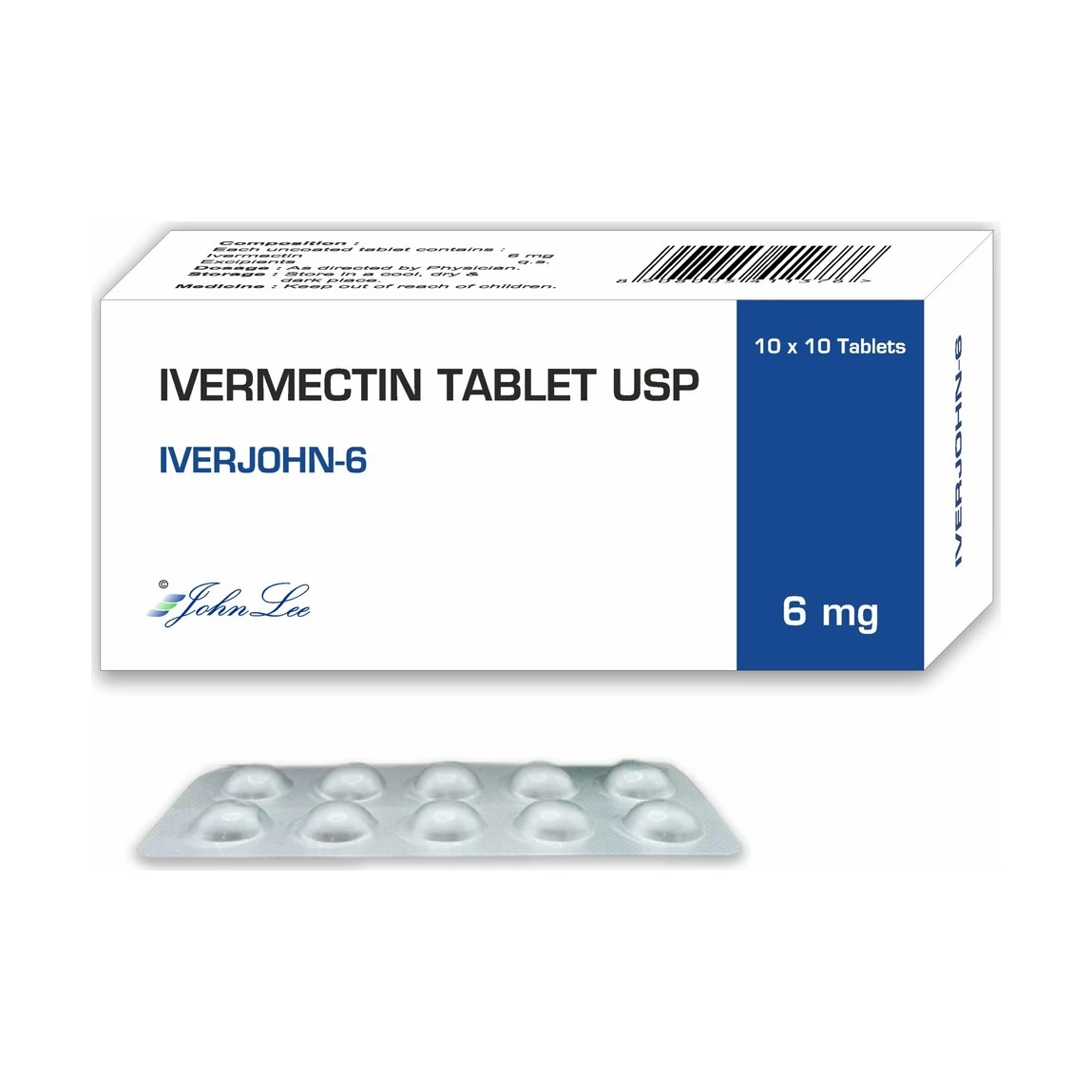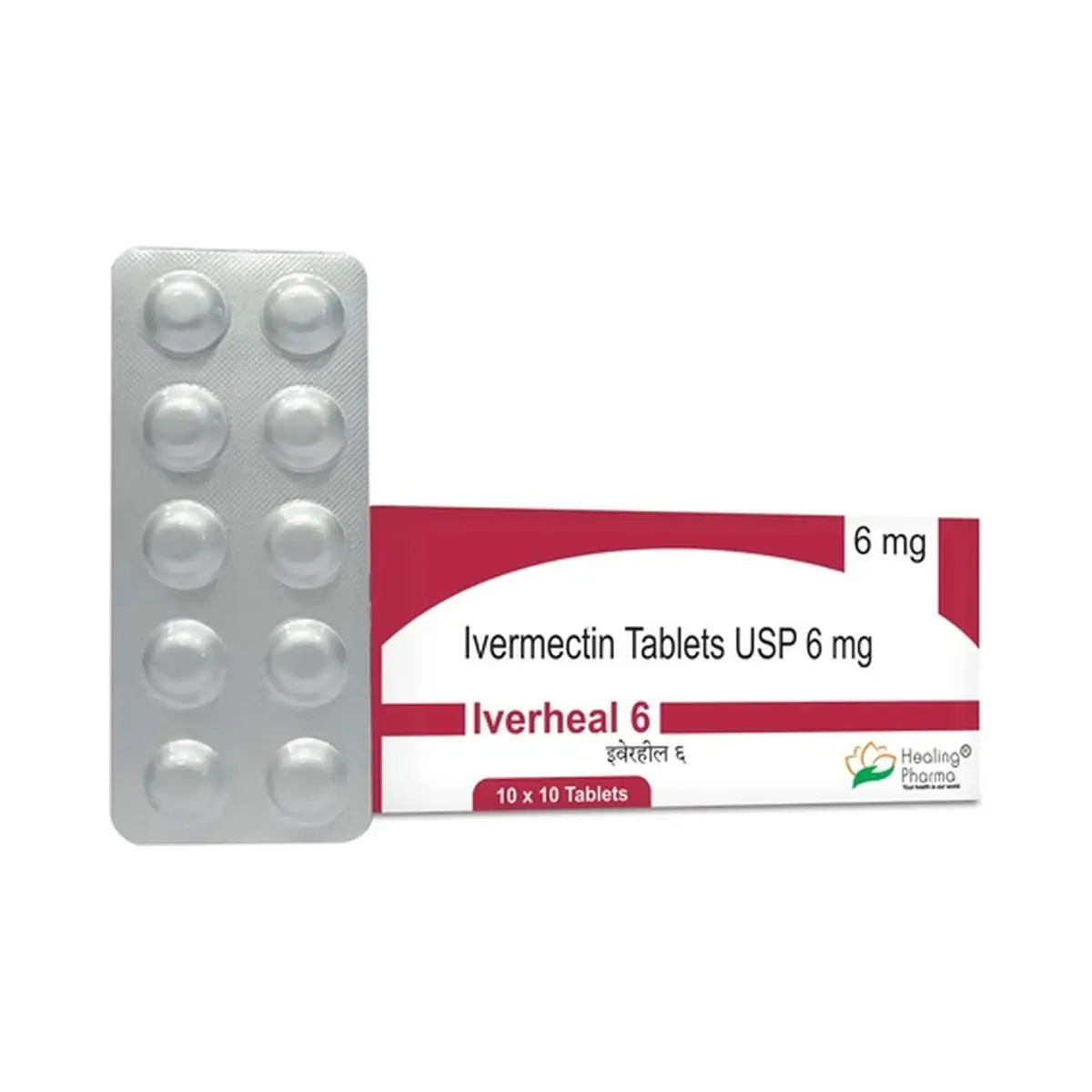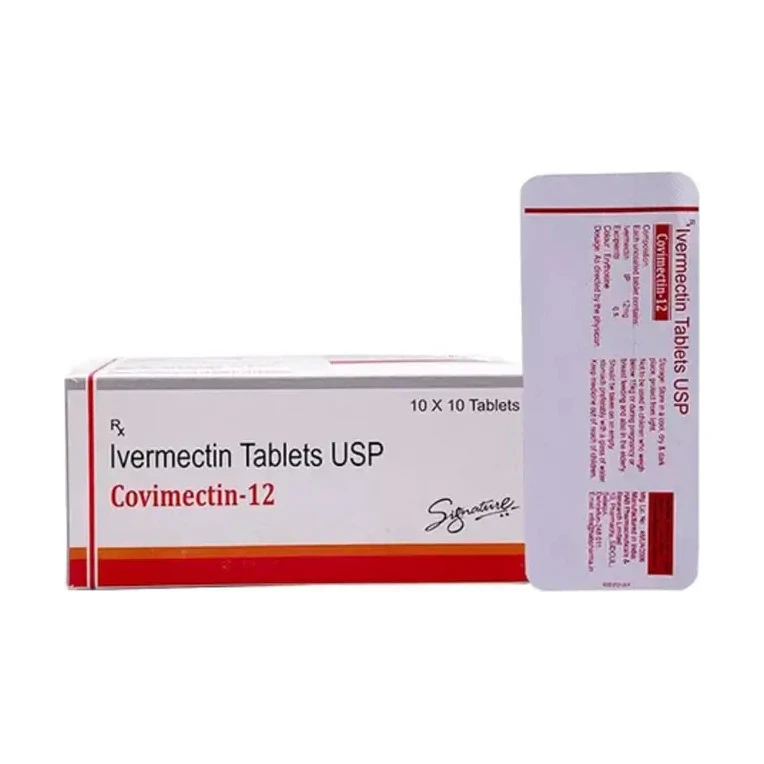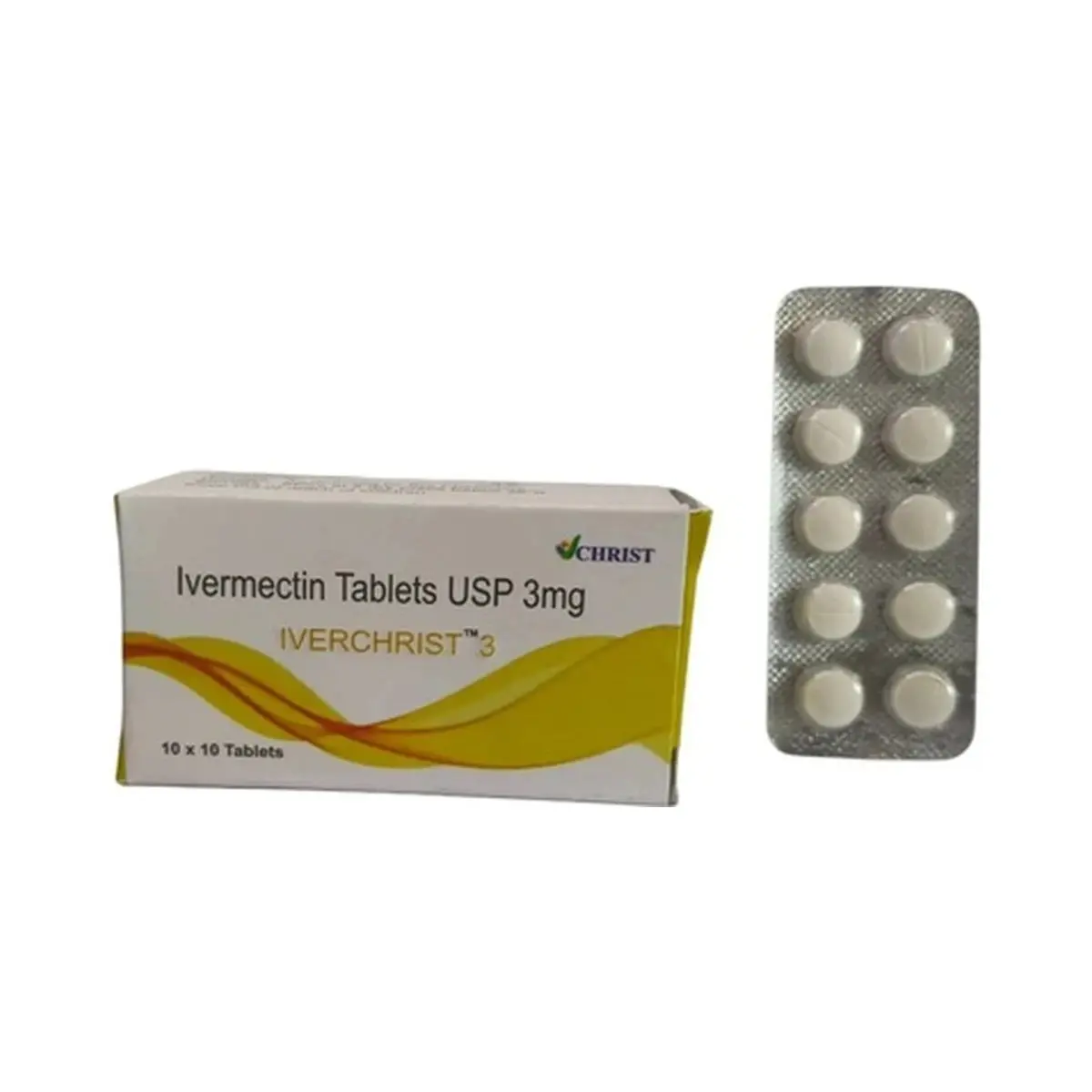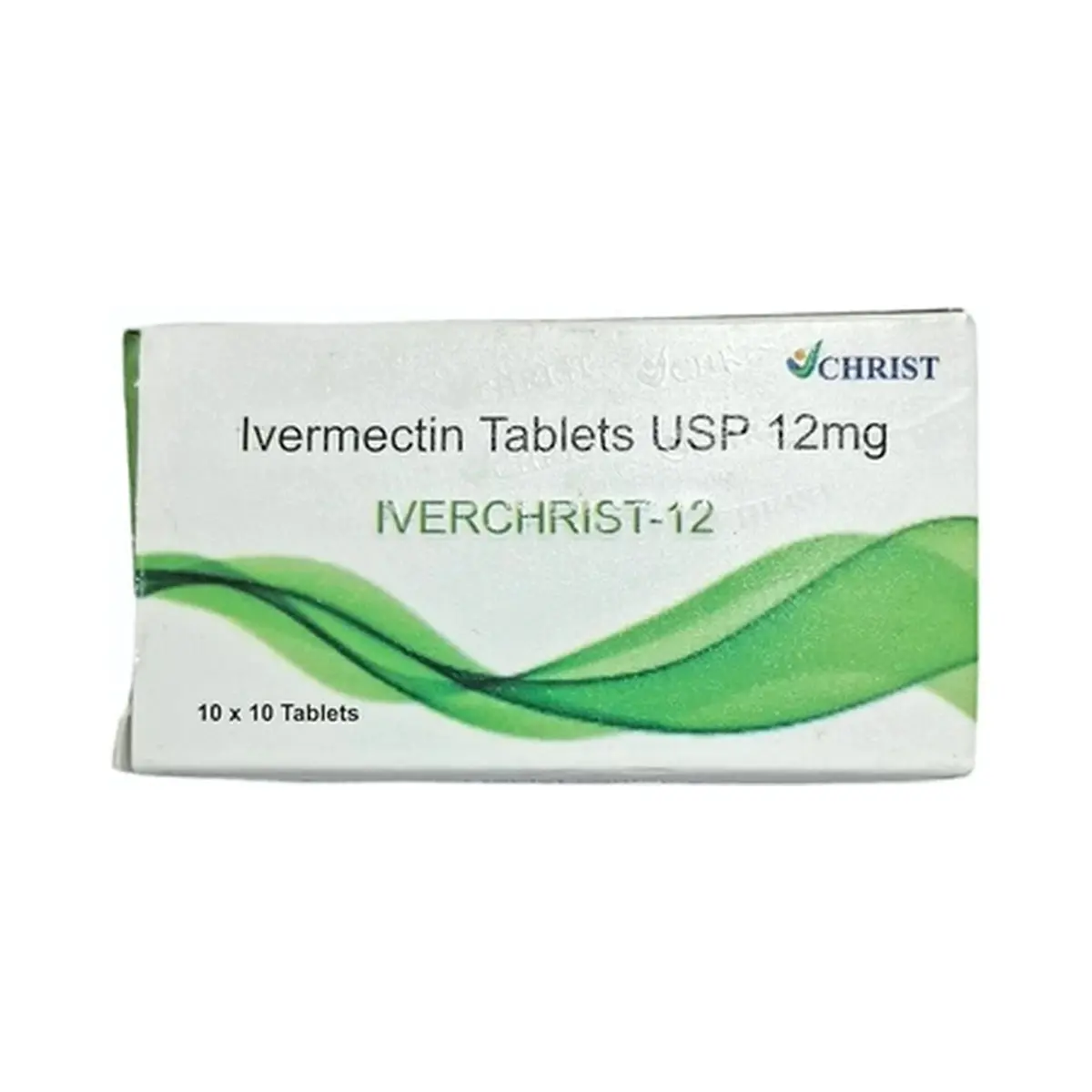
Description
Iverchrist (Ivermectin) 12 mg
Iverchrist 12 mg is a brand name for ivermectin, an antiparasitic medicine used in human medicine for certain nematode infections. The product name and strength are used here for identification only. The verified active ingredient is ivermectin.
Active Ingredient and Medicine Class
Ivermectin is a semisynthetic anthelmintic medicine in the macrocyclic lactone class. It acts against susceptible parasites rather than bacteria or viruses.
Established Medical Uses
Official U.S. prescribing information identifies ivermectin tablets for the treatment of intestinal strongyloidiasis caused by Strongyloides stercoralis and onchocerciasis caused by Onchocerca volvulus. Peer-reviewed reviews also describe its established role in other parasitic diseases such as scabies and filarial infections in some settings, but those uses depend on local regulatory status and clinical context.
How It Works
Ivermectin works by binding to parasite-specific glutamate-gated chloride channels. This increases chloride ion flow, hyperpolarises the parasite’s nerve and muscle cells, and leads to paralysis and death of susceptible invertebrates. Human cells do not have the same target in the same form, which helps explain the drug’s selective activity.
Important Safety Information
Ivermectin is contraindicated in people with hypersensitivity to the product or any component. Important safety concerns include inflammatory reactions during treatment of onchocerciasis, neurotoxicity reported in some patients, and rare severe encephalopathy in people with heavy Loa loa infection or significant exposure to Loa loa-endemic areas. Clinically significant interaction concerns have been reported with warfarin.
Possible Side Effects
Reported adverse effects include dizziness, somnolence, nausea, diarrhoea, rash, pruritus, fever, swelling, and symptoms related to the underlying parasitic reaction. More serious reactions may include confusion, disorientation, marked drowsiness, seizures, or coma, particularly in vulnerable patients or in the setting of certain parasitic coinfections.
Scientific Evidence
Clinical studies submitted to regulators show ivermectin is effective for onchocerciasis and strongyloidiasis, with substantial reductions in microfilarial burden and cure rates in intestinal strongyloidiasis. Review literature supports its long-standing antiparasitic role and explains the biological basis for its selectivity and spectrum of activity.
Medical Information Notice
This page is an educational summary based on sources available at the time of review and does not replace the official patient leaflet or assessment by a qualified healthcare professional.
Medical Sources
- U.S. Food and Drug Administration (FDA), STROMECTOL (ivermectin) tablets, prescribing information.
- Benitez, Florencio J. et al., Ivermectin in human medicine, Journal of Antimicrobial Chemotherapy, 1994.