Description
Iverguard (Ivermectin) 12 mg
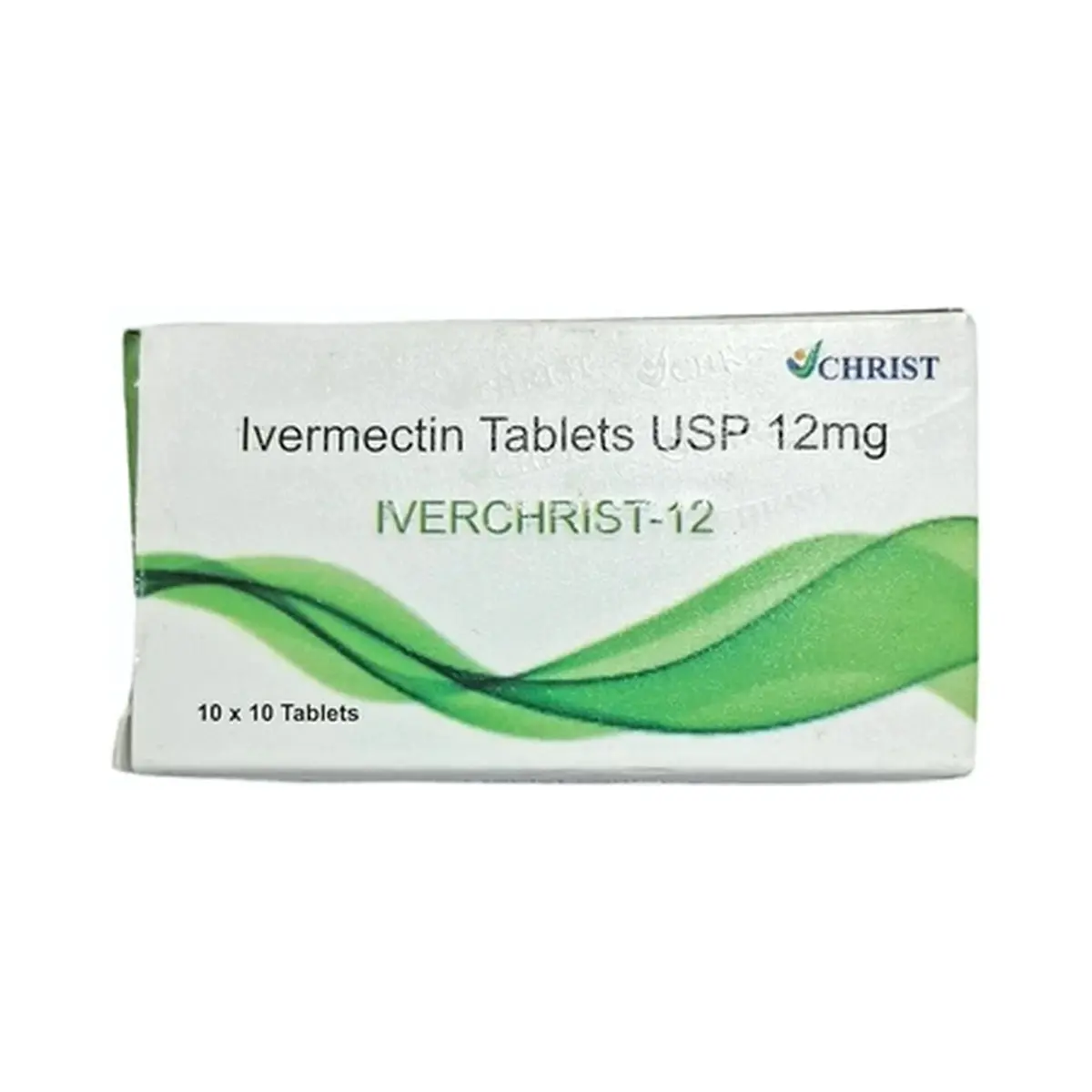
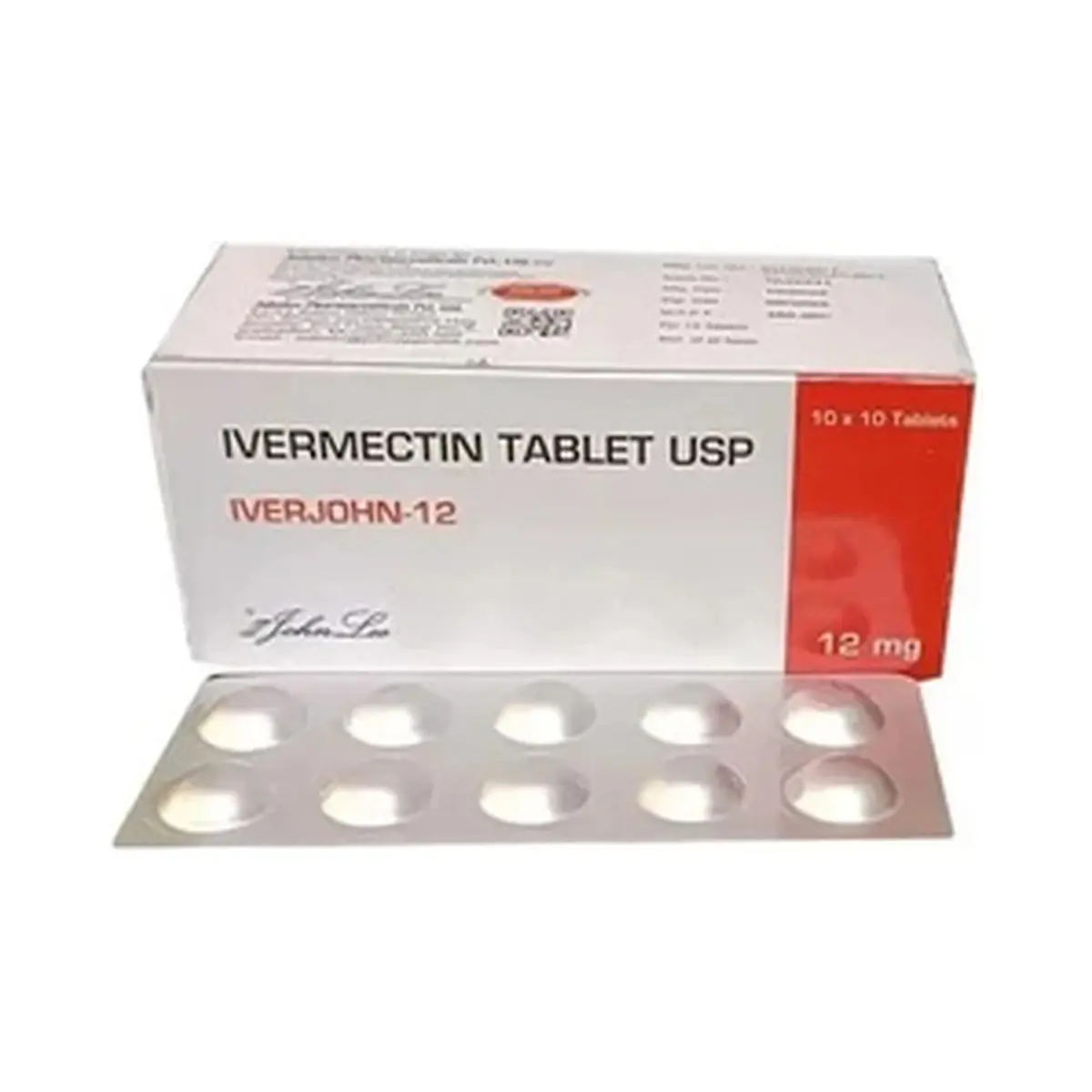
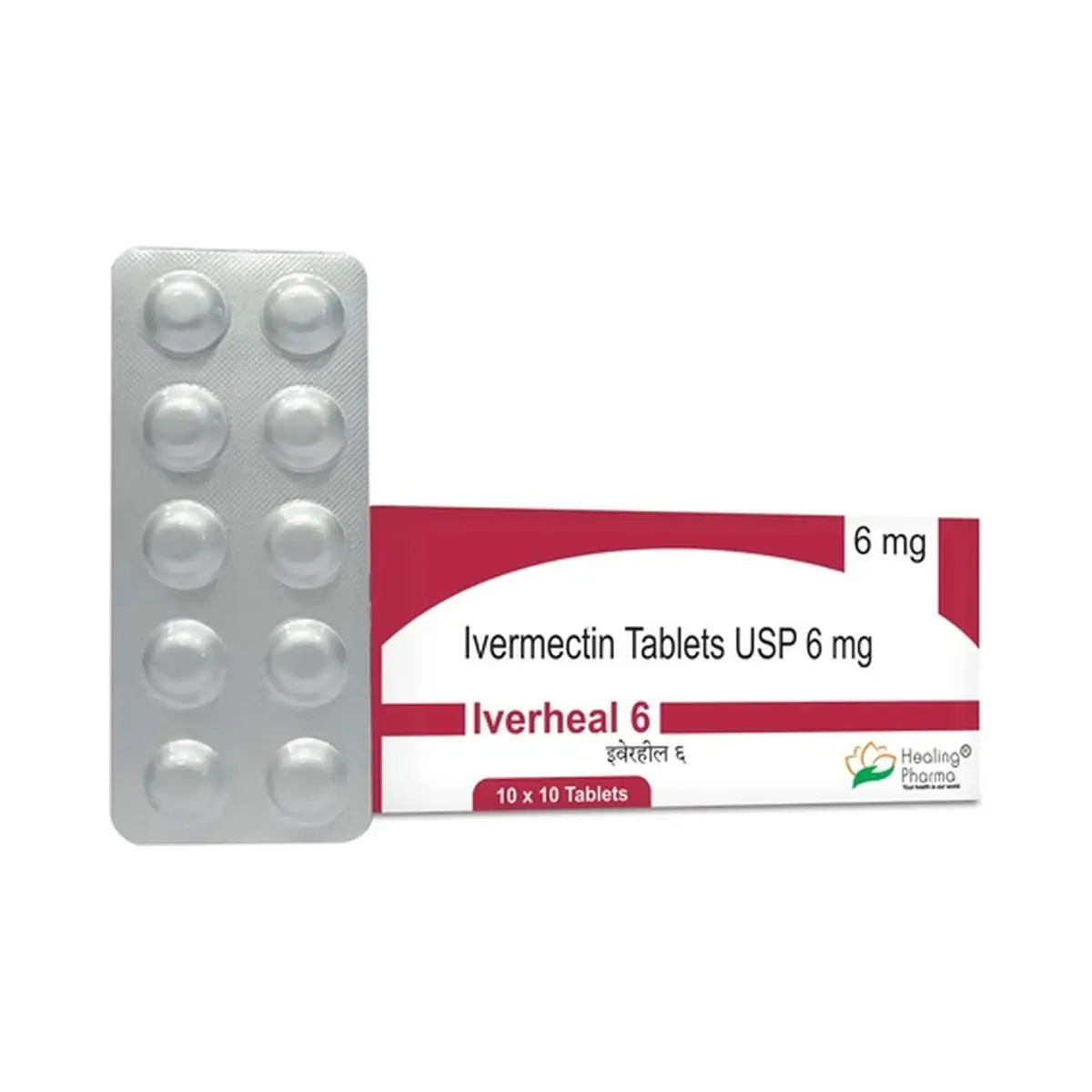
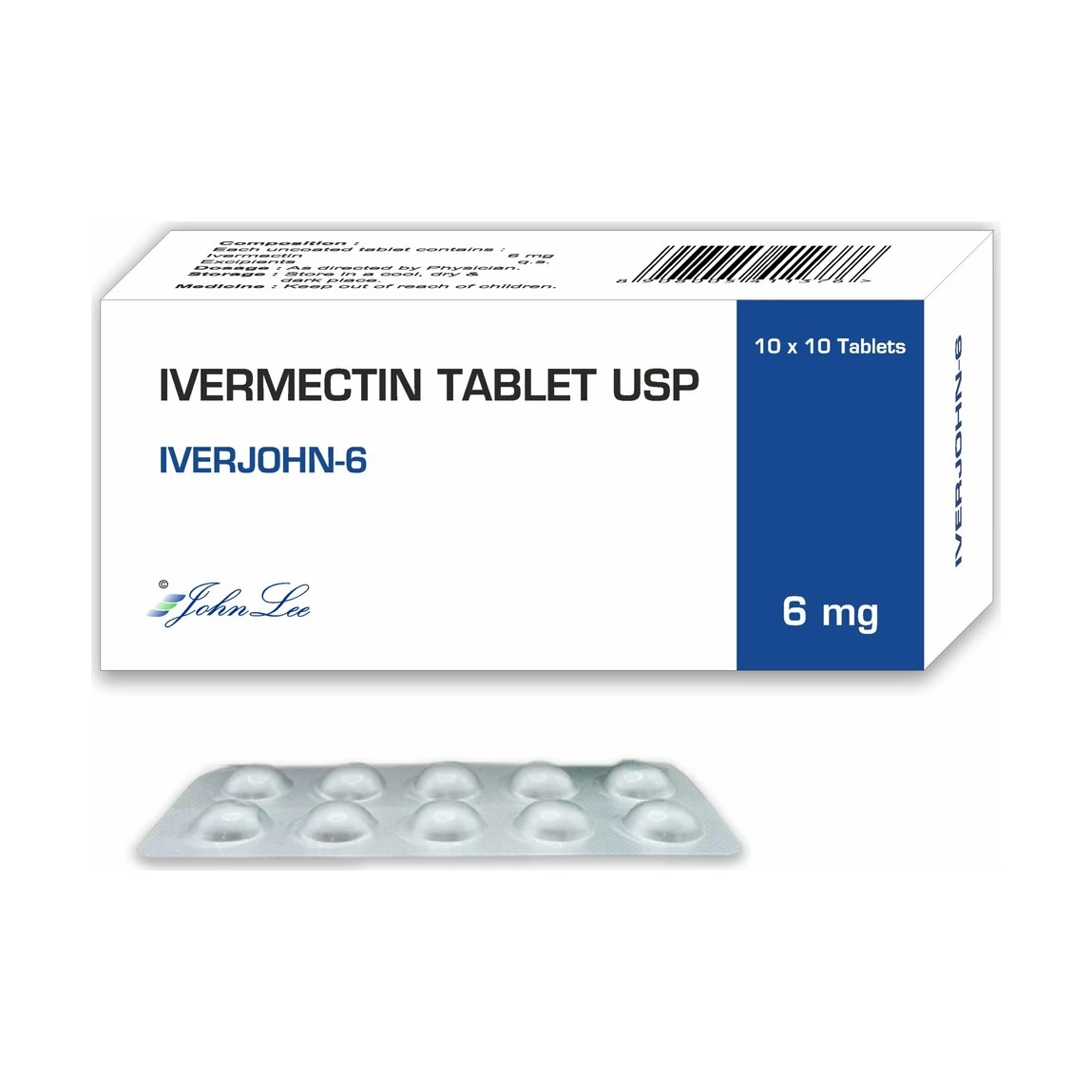
Iverguard 12 mg is an oral ivermectin tablet. Ivermectin is a broad-spectrum antiparasitic medicine used in human medicine for certain nematode infections. The exact trade name “Iverguard” is not established here as an official regulatory brand, so this summary is based on the verified active ingredient, ivermectin, and the oral tablet form.
Active Ingredient and Medicine Class
The active ingredient is ivermectin, an antiparasitic agent in the avermectin class. It acts against susceptible parasites by interfering with nerve and muscle function in invertebrates. In human prescribing information, ivermectin tablets are described as an oral medicine for parasitic infections, not as a general anti-infective for all worm diseases.
Established Medical Uses
Authoritative prescribing information for oral ivermectin tablets supports use for intestinal strongyloidiasis caused by Strongyloides stercoralis and onchocerciasis caused by Onchocerca volvulus. These are the established labeled indications in the official product information reviewed for this summary.
Scientific reviews also describe ivermectin as important in the treatment of several other parasitic diseases in clinical practice or public-health programs, including lymphatic filariasis, scabies, gnathostomiasis, and some cutaneous parasitic infections. However, those broader uses should be distinguished from the core labeled indications in official tablet prescribing information.
How It Works
Ivermectin binds selectively to parasite ion channels, especially glutamate-gated chloride channels found in invertebrate nerve and muscle cells. This increases chloride movement across the cell membrane, leading to paralysis and death of the parasite. The medicine has a much lower affinity for the corresponding targets in mammals, which helps explain its selective antiparasitic activity.
Official labeling also notes that ivermectin is active against certain life stages of some nematodes rather than every stage. For example, it acts against microfilariae in onchocerciasis but not against adult Onchocerca volvulus parasites.
Important Safety Information
Ivermectin tablets are contraindicated in people with known hypersensitivity to ivermectin or any component of the product. Safety in pregnancy has not been established, and official labeling advises against use during pregnancy. Caution is also advised in breastfeeding, since ivermectin is excreted in human milk in low concentrations.
Important precautions include the risk of severe reactions in onchocerciasis, including the Mazzotti-type inflammatory response and eye-related reactions caused by parasite death. Patients with heavy Loa loa infection may rarely develop serious or fatal encephalopathy after treatment. Official labeling also reports rare post-marketing increases in INR when ivermectin is taken with warfarin.
Safety and effectiveness in children weighing less than 15 kg have not been established in the reviewed prescribing information.
Possible Side Effects
Commonly reported side effects include dizziness, fatigue, abdominal pain, nausea, vomiting, diarrhea, constipation, pruritus, rash, and urticaria. In onchocerciasis, transient worsening of itching, rash, fever, lymph node swelling, joint pain, and eye irritation can occur as part of the disease-related inflammatory response after treatment.
More serious reported reactions include orthostatic hypotension, seizures, hepatitis, elevated liver enzymes, severe skin reactions such as Stevens-Johnson syndrome and toxic epidermal necrolysis, and neurotoxicity with confusion, drowsiness, stupor, coma, or death. These serious events are uncommon but clinically important.
Scientific Evidence
Human studies support ivermectin’s role as an effective antiparasitic medicine, especially for strongyloidiasis and onchocerciasis. Review literature describes strong clinical efficacy and long-standing public-health use against filarial disease. Pharmacology reviews also note that ivermectin is absorbed orally, metabolized mainly in the liver, and has clinically relevant interaction potential, including concern with drugs such as warfarin.
More recent scientific reviews continue to discuss ivermectin’s broader antiparasitic activity, but they also emphasize that experimental findings outside established parasitic indications should not be treated as proven clinical benefits.
Medical Information Notice
This page is an educational summary based on sources available at the time of review. It does not replace the official patient leaflet, the full prescribing information, or assessment by a qualified healthcare professional.
Medical Sources
- DailyMed — Ivermectin Tablets, USP prescribing information
- DailyMed — Ivermectin Tablets, USP prescribing information
- Aránzazu González Canga et al. The pharmacokinetics and interactions of ivermectin in humans–a mini-review. AAPS Journal, 2008. View scientific article
- P González et al. Ivermectin in human medicine, an overview of the current status of its clinical applications. Current Pharmaceutical Biotechnology, 2012. View scientific article