Description
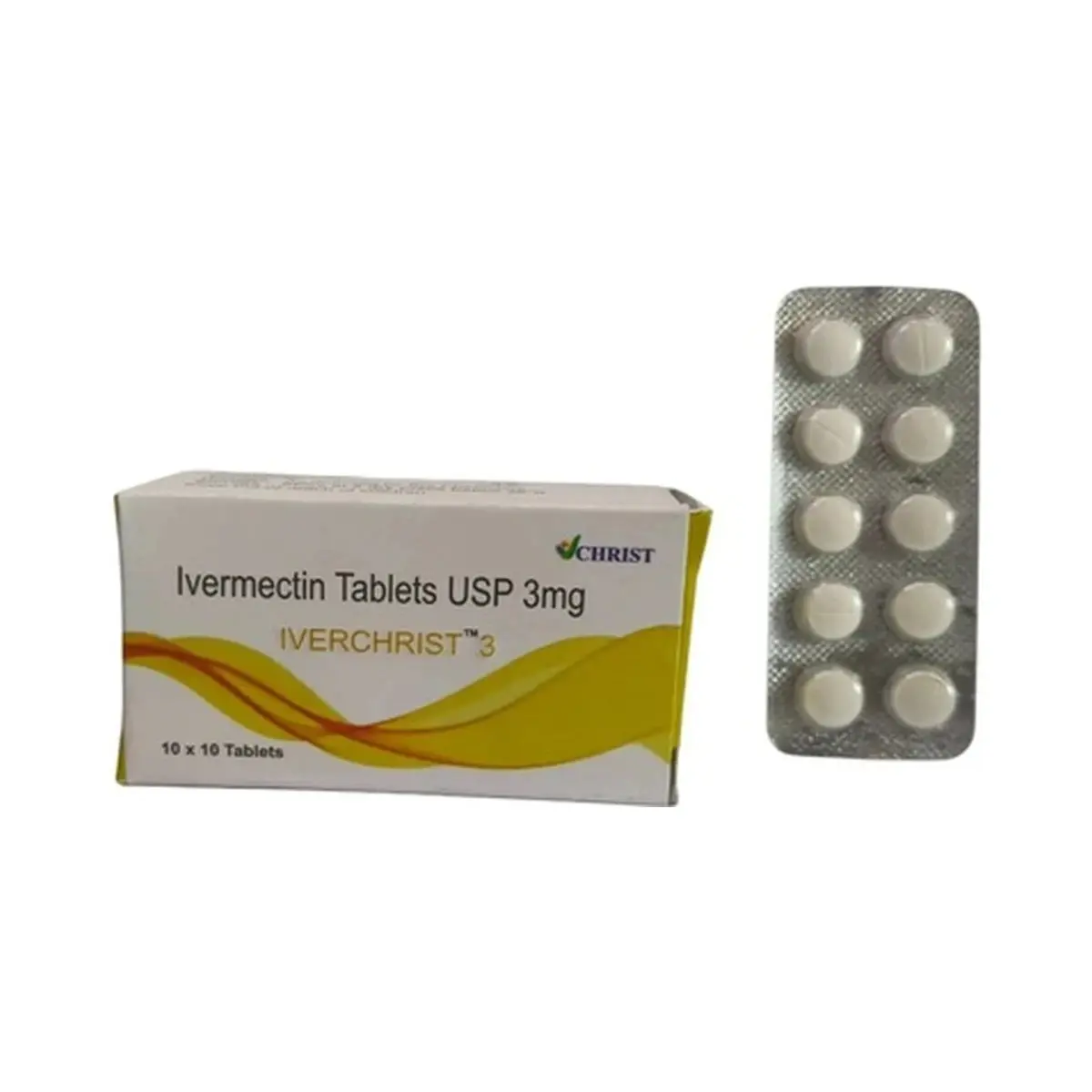
Iverchrist (Ivermectin) 3 mg
Iverchrist 3 mg is identified by its stated active ingredient, ivermectin. Ivermectin is an antiparasitic medicine used in human medicine for certain parasitic infections. The product description provided is consistent with an oral tablet formulation, but the trade name itself could not be independently verified from the available regulatory sources.
Active Ingredient and Medicine Class
Ivermectin is a broad-spectrum antiparasitic agent in the macrocyclic lactone class. It acts against susceptible parasites by interfering with nerve and muscle function in invertebrates, leading to paralysis and death of the parasite.
Established Medical Uses
Official prescribing information for ivermectin tablets identifies use in the treatment of intestinal strongyloidiasis and onchocerciasis. Peer-reviewed reviews also describe its established role in other parasitic diseases, including some filarial infections and scabies, but these uses vary by country and product label.
How It Works
Ivermectin works by binding selectively to parasite ion channels, especially glutamate-gated chloride channels. This increases chloride flow into parasite nerve and muscle cells, which weakens or immobilises the parasite. In humans, the medicine is generally tolerated because these channels are not present in the same form.
Important Safety Information
Ivermectin is contraindicated in patients with hypersensitivity to ivermectin or any component of the product. In onchocerciasis, treatment may trigger inflammatory reactions caused by the death of microfilariae, including skin, eye and systemic reactions. Important adverse-event warnings in official labeling include rare serious skin reactions, hepatitis and other clinically significant reactions. Safety and interaction details should always be checked in the official prescribing information, especially when other medicines are being used.
Possible Side Effects
Reported adverse effects include dizziness, nausea, diarrhoea, abdominal discomfort, pruritus, rash and fatigue. More serious reactions are uncommon but may include severe skin reactions, ocular symptoms, low blood pressure, worsening inflammatory reactions in parasitic disease and liver-related injury.
Scientific Evidence
Human clinical and review literature supports ivermectin as an established antiparasitic medicine with a long clinical history. Reviews indexed in PubMed describe it as a drug of choice for strongyloidiasis and onchocerciasis, with additional evidence for other parasitic conditions such as scabies and certain filarial infections. Published studies also report generally low rates of adverse reactions, while emphasising disease-specific risks such as inflammatory reactions in onchocerciasis and loiasis.
Medical Information Notice
This page is an educational summary based on sources available at the time of review and does not replace the official patient leaflet or individual assessment by a qualified health professional.
Medical Sources
- DailyMed / U.S. prescribing information: Ivermectin Tablets, USP
- FDA label archive: Ivermectin Tablets USP 3 mg
- González P, et al. “Ivermectin in human medicine, an overview of the current status of its clinical applications.” Current Pharmaceutical Biotechnology (2012). PubMed