Description
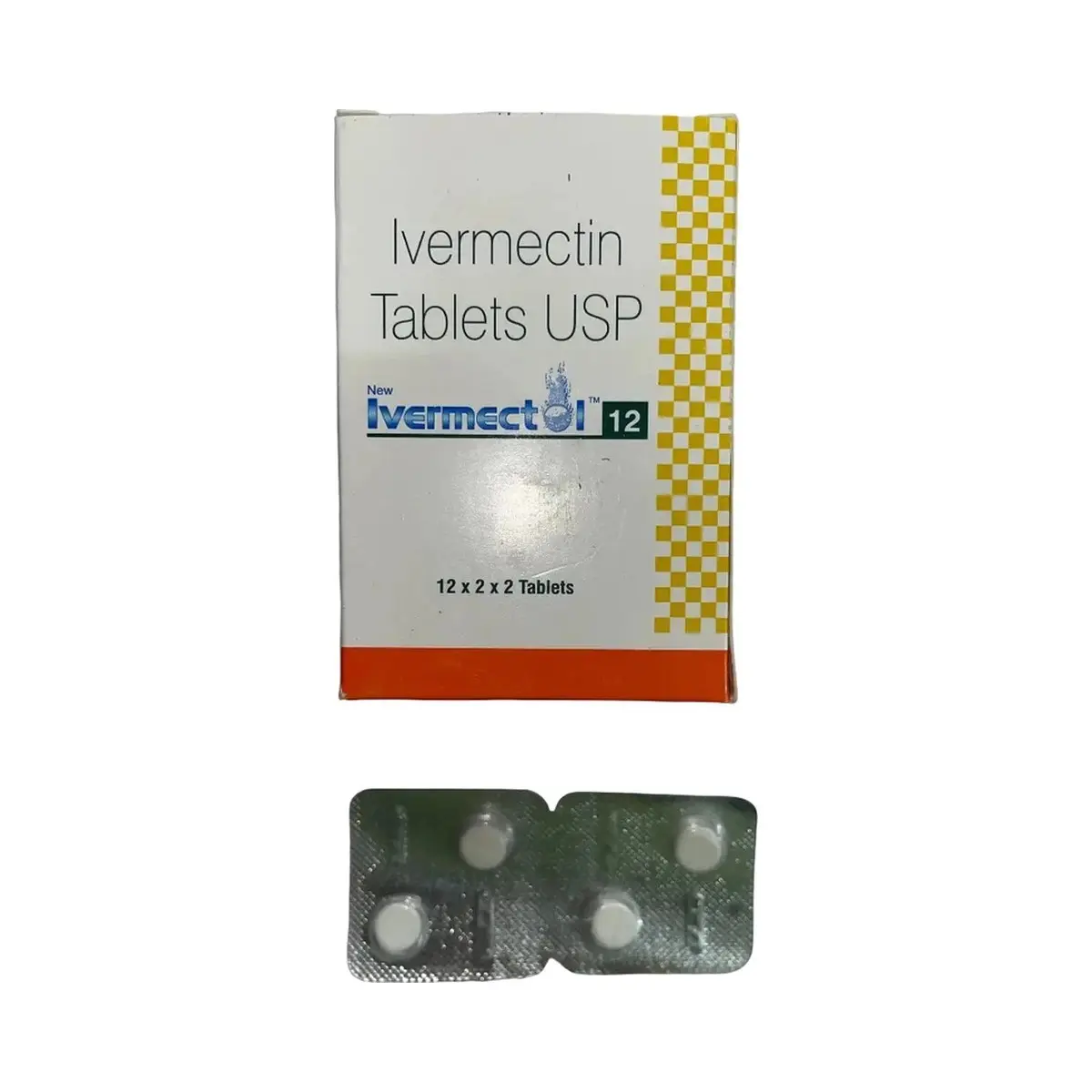
Ivermectol (Ivermectin) 12 mg
Ivermectol is a brand name used for ivermectin, an antiparasitic medicine. The product name provided suggests an oral tablet strength of 12 mg, but the verified medical information applies to ivermectin itself rather than to the trade name.
Active Ingredient and Medicine Class
Ivermectin is an antiparasitic agent from the avermectin class. It is used in human medicine against certain parasitic worm infections and some ectoparasitic infestations. Regulatory labeling for ivermectin tablets identifies it as an oral antiparasitic medicine.
Established Medical Uses
Official U.S. prescribing information for ivermectin tablets lists intestinal (nondisseminated) strongyloidiasis due to Strongyloides stercoralis and onchocerciasis due to Onchocerca volvulus as approved uses. WHO has also published guidance supporting ivermectin for public health control of strongyloidiasis in endemic settings.
How It Works
Ivermectin acts on parasites by increasing their paralysis and death. In humans, it is understood to disrupt parasite nerve and muscle function through interaction with parasite-specific chloride channels, which helps clear susceptible organisms. This mechanism is well established in pharmacology and is consistent with its antiparasitic effect.
Important Safety Information
Ivermectin is contraindicated in people with hypersensitivity to the product or any component. It should be used with caution in patients with possible Loa loa exposure, because severe and rarely fatal encephalopathy has been reported in heavily infected patients treated with microfilaricidal drugs. Clinically significant reactions can also occur in onchocerciasis because symptoms may reflect parasite death rather than direct drug toxicity. Post-marketing reports note rare increases in INR when ivermectin is taken with warfarin.
Possible Side Effects
Commonly reported adverse effects include headache, muscle pain, dizziness, rash, nausea, and diarrhea. In onchocerciasis, reactions linked to parasite killing may include fever, swelling, itching, joint pain, and eye-related symptoms. Serious but uncommon reactions include neurological effects such as confusion, drowsiness, stupor, seizures, and coma.
Scientific Evidence
Clinical studies in the FDA label report that ivermectin was effective for strongyloidiasis and onchocerciasis, with cure rates and microfilariae reductions supporting its use in these infections. A recent PubMed-indexed review also describes ivermectin as first-line therapy for strongyloidiasis and notes good tolerability, although repeated dosing may be needed in immunocompromised patients.
Medical Information Notice
This summary is for educational purposes only and is based on sources available at the time of review. It does not replace the official patient leaflet, product labeling, or assessment by a qualified healthcare professional.
Medical Sources
- U.S. Food and Drug Administration (FDA) — STROMECTOL (ivermectin) tablets. PubMed article page unavailable; official prescribing information available here: FDA label PDF.
- Buonfrate D, et al. Current pharmacotherapeutic strategies for Strongyloidiasis and the complications in its treatment. Expert Opinion on Pharmacotherapy. 2022. PubMed