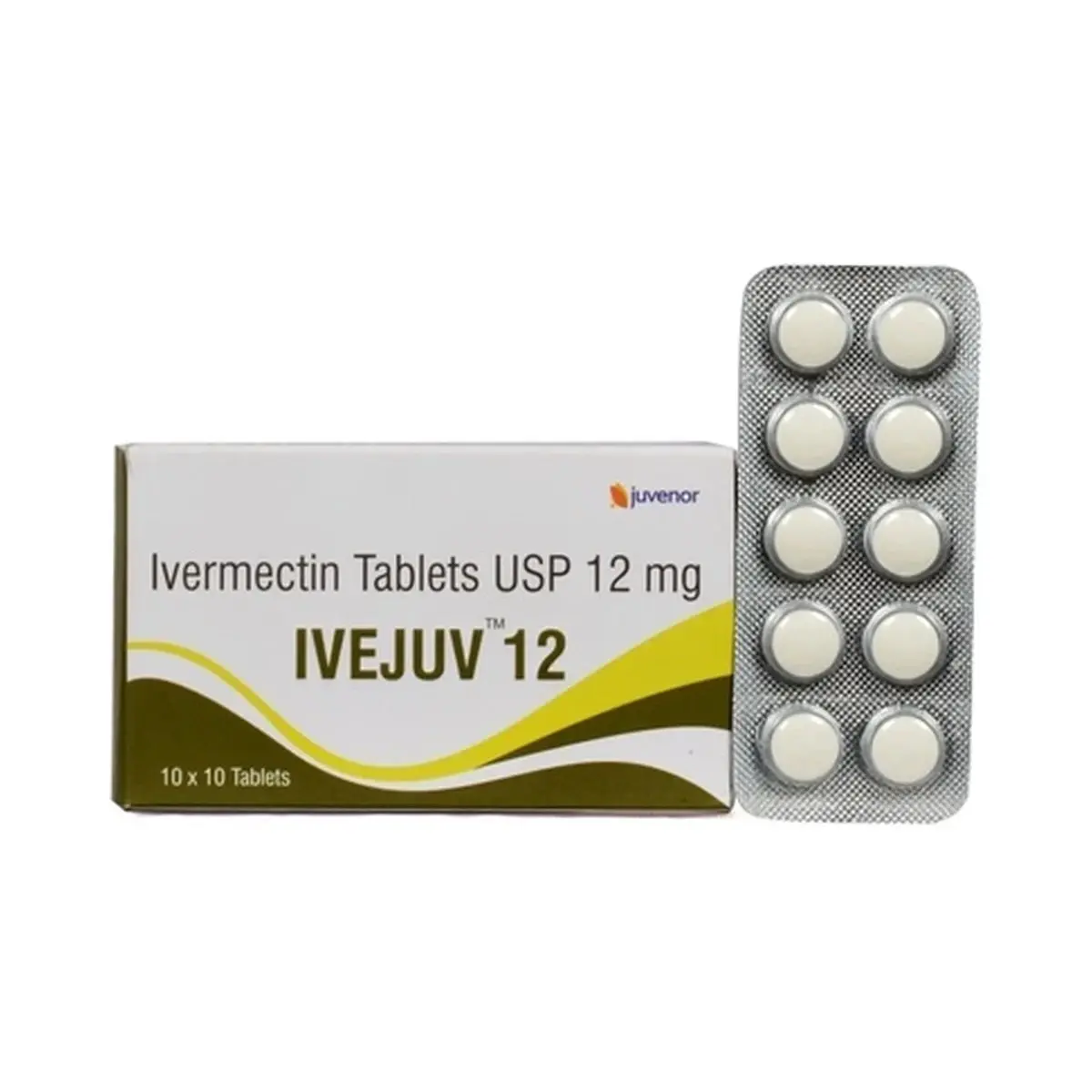
Description
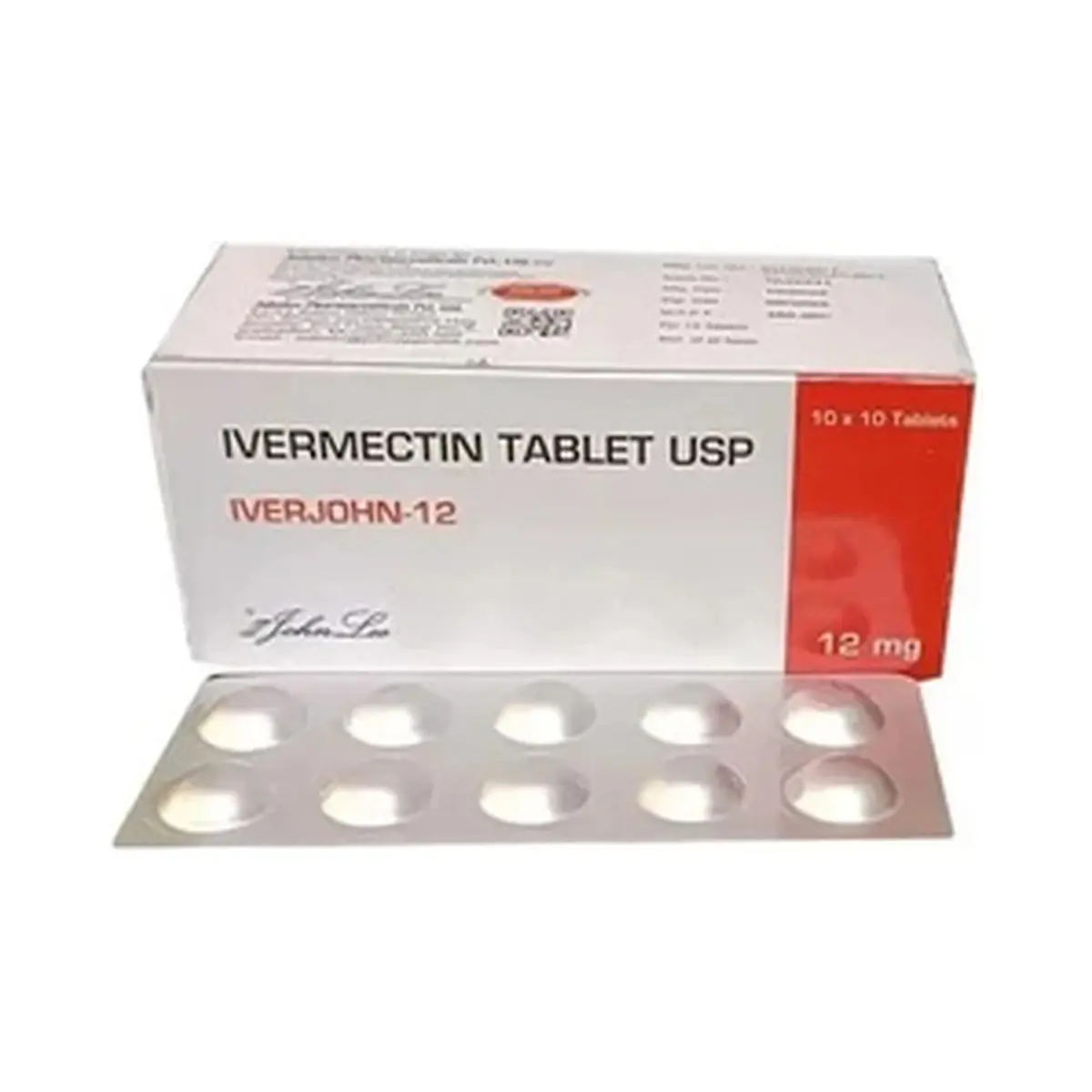
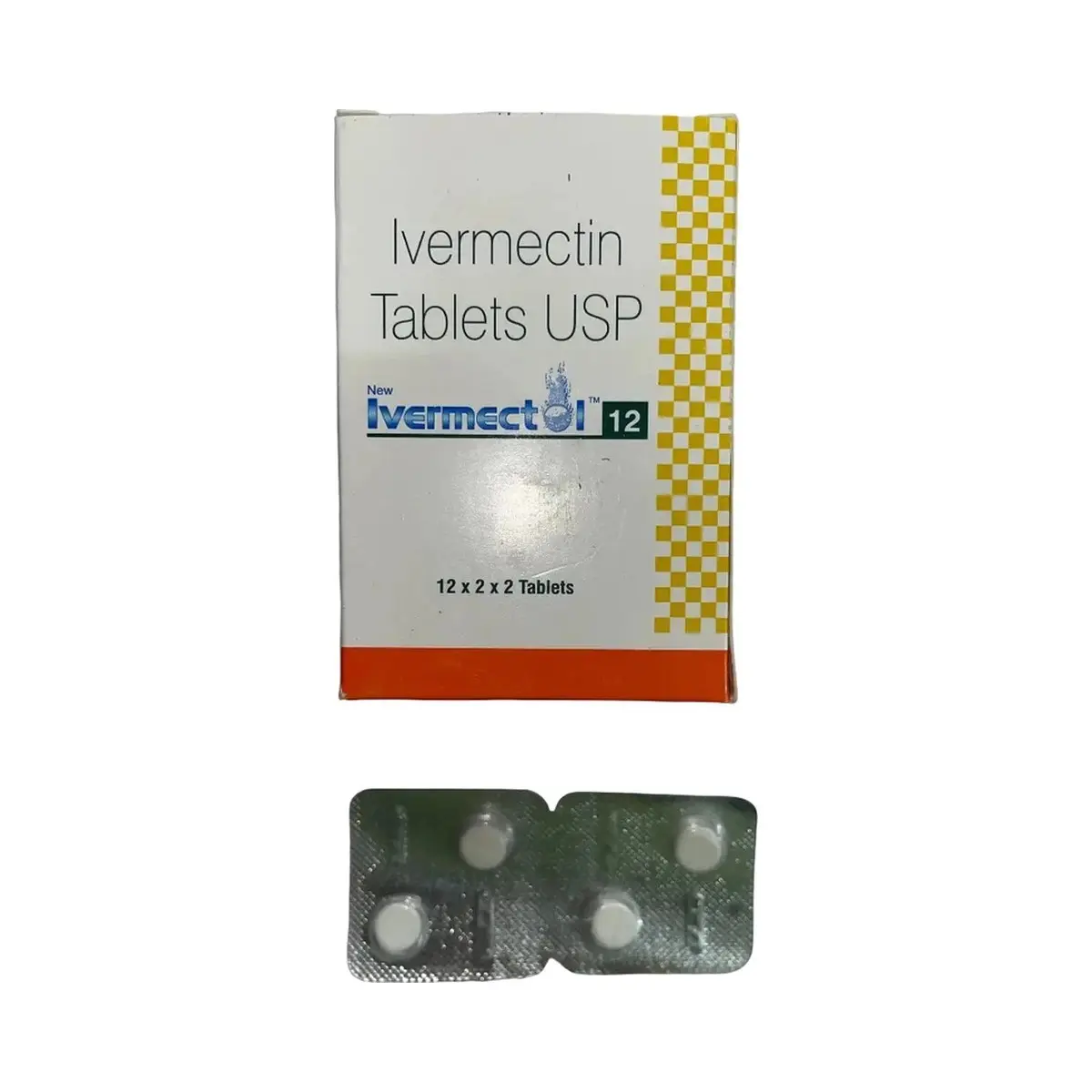
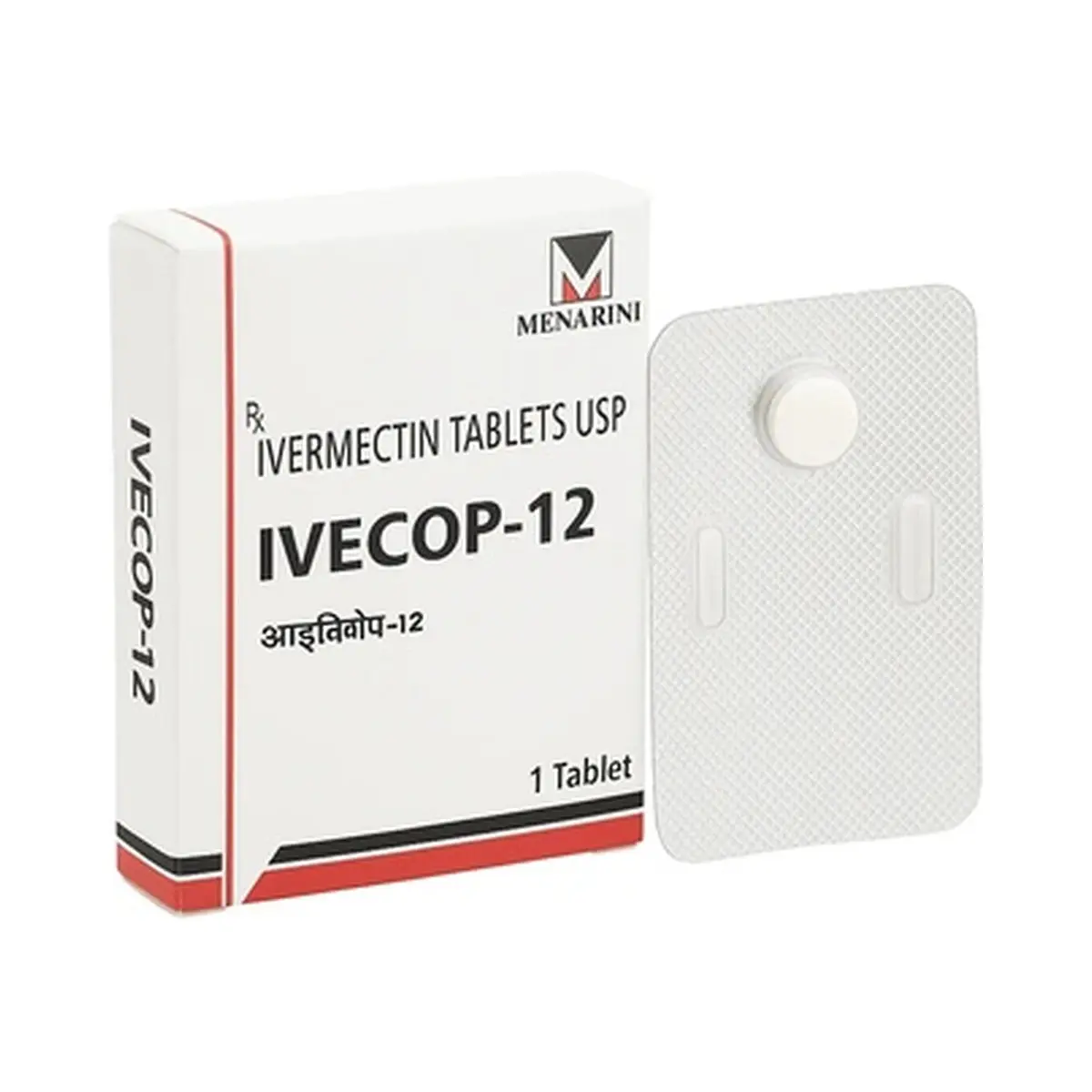
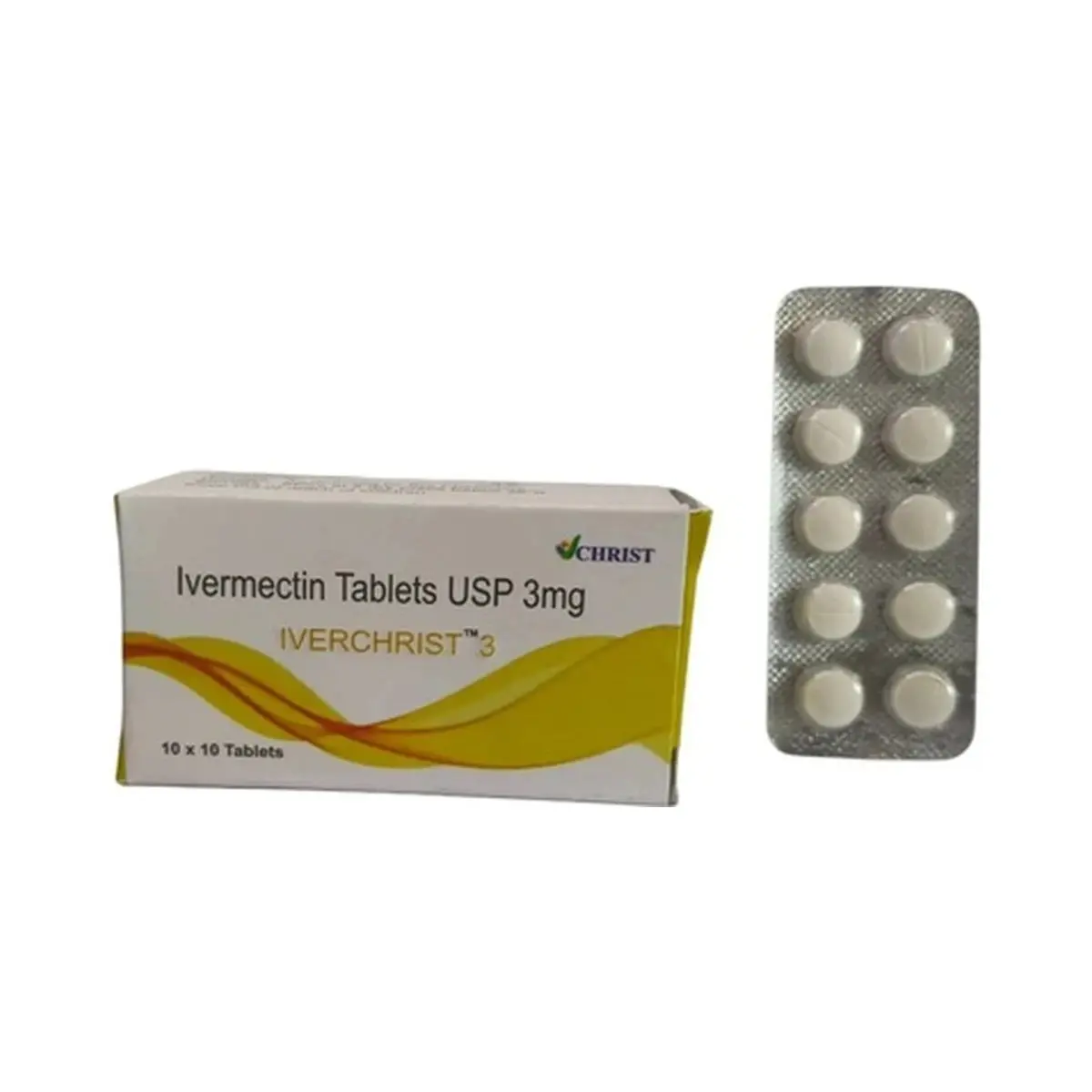
Ivejuv (Ivermectin) 12 mg
Ivejuv 12 mg contains ivermectin, an antiparasitic medicine used against certain parasitic worm infections and some ectoparasites. The exact approved use depends on the country-specific product authorisation and the organism involved.
Active Ingredient and Medicine Class
The verified active ingredient is ivermectin, an anthelmintic and antiparasitic agent. It is used in human medicine for specific helminth infections such as onchocerciasis and strongyloidiasis, and in some settings for other parasitic conditions.
Established Medical Uses
Regulatory and WHO sources support ivermectin for onchocerciasis (river blindness) and strongyloidiasis. WHO also recognises its role in preventive chemotherapy programmes for onchocerciasis, and in 2024 issued guidance for public health control of strongyloidiasis in endemic settings. Some reviews also describe activity against crusted scabies and certain other parasitic infections, but those uses depend on local guidance and authorisation.
How It Works
Ivermectin acts on parasite nerve and muscle function, leading to paralysis and death of susceptible parasites. In humans it is mainly described as a microfilaricidal agent for onchocerciasis and an effective treatment for strongyloidiasis.
Important Safety Information
Ivermectin is contraindicated in people with hypersensitivity to the medicine or any of its components. In onchocerciasis, severe inflammatory reactions can occur when large numbers of microfilariae die, and special caution is needed in patients with heavy infection or possible co-infection with other parasites such as loiasis. Important interactions may occur with other medicines that affect the central nervous system or drug transport/metabolism pathways, including strong P-glycoprotein or CYP3A4 modifiers, so official prescribing information should be checked.
Possible Side Effects
Reported adverse effects include dizziness, nausea, diarrhoea, abdominal discomfort, pruritus, rash and fatigue. In parasitic infections, some reactions may reflect the body’s response to dying parasites rather than a direct drug effect. Serious but less common reactions can include severe skin reactions, neurologic symptoms, and marked inflammatory responses in patients with heavy parasitic burden.
Scientific Evidence
Peer-reviewed reviews and clinical studies support ivermectin as an effective treatment for onchocerciasis and strongyloidiasis, with strong reductions in parasite burden after treatment. WHO’s 2024 guideline also concluded that ivermectin-based preventive chemotherapy can reduce strongyloidiasis burden in endemic settings, and reviews describe a long-standing role in onchocerciasis control programmes.
Medical Information Notice
This page is an educational summary based on sources available at the time of review and does not replace the official patient leaflet, local prescribing information, or individual professional assessment.
Medical Sources
- DailyMed / FDA label: Ivermectin Tablets, USP — Prescribing information
- World Health Organization: WHO guideline on preventive chemotherapy for public health control of strongyloidiasis — Official publication
- Goa KL, McTavish D, Clissold SP. “Ivermectin. A review of its antifilarial activity, pharmacokinetic properties and clinical efficacy in onchocerciasis.” Drugs (1991) — PubMed article