Description
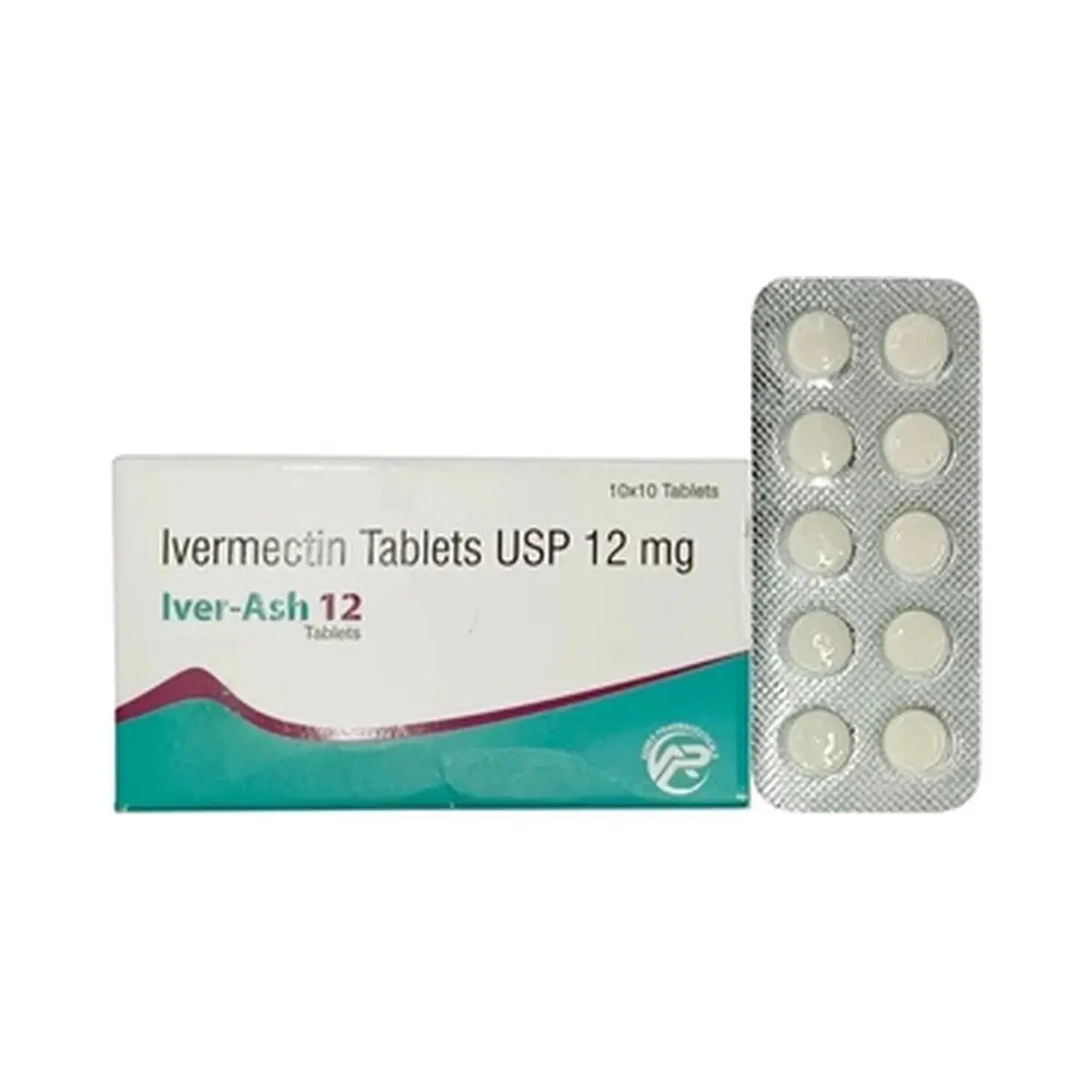
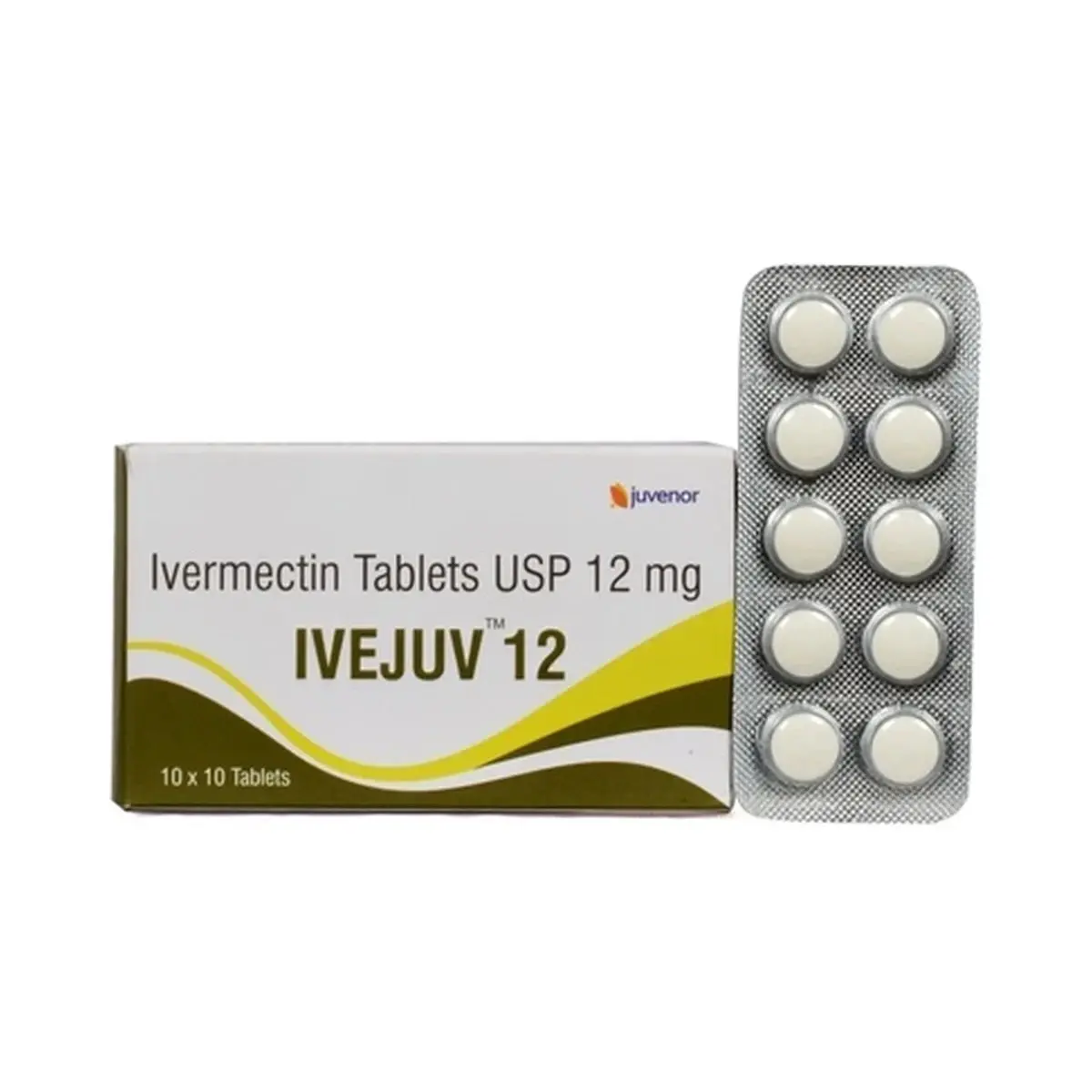
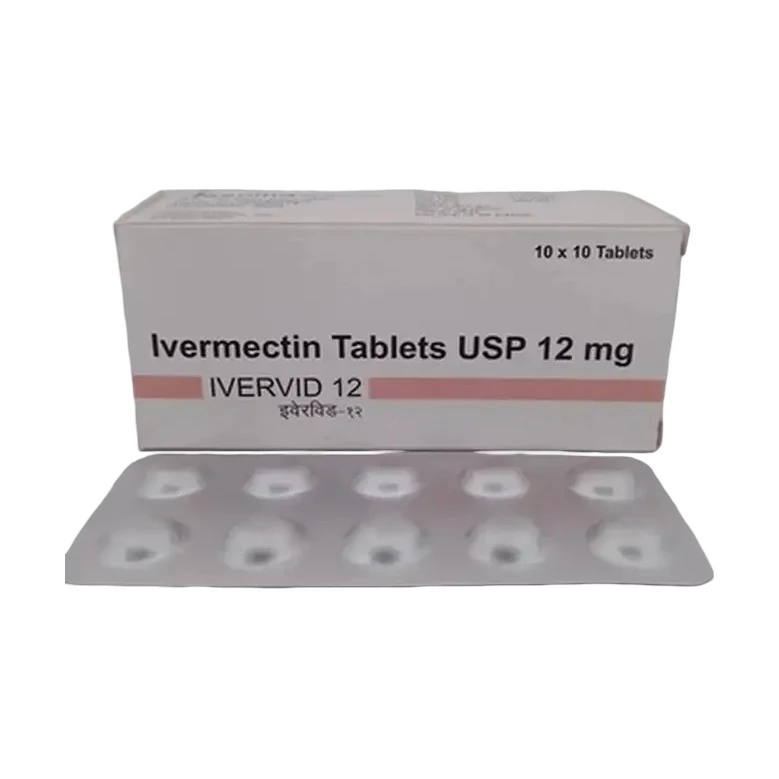
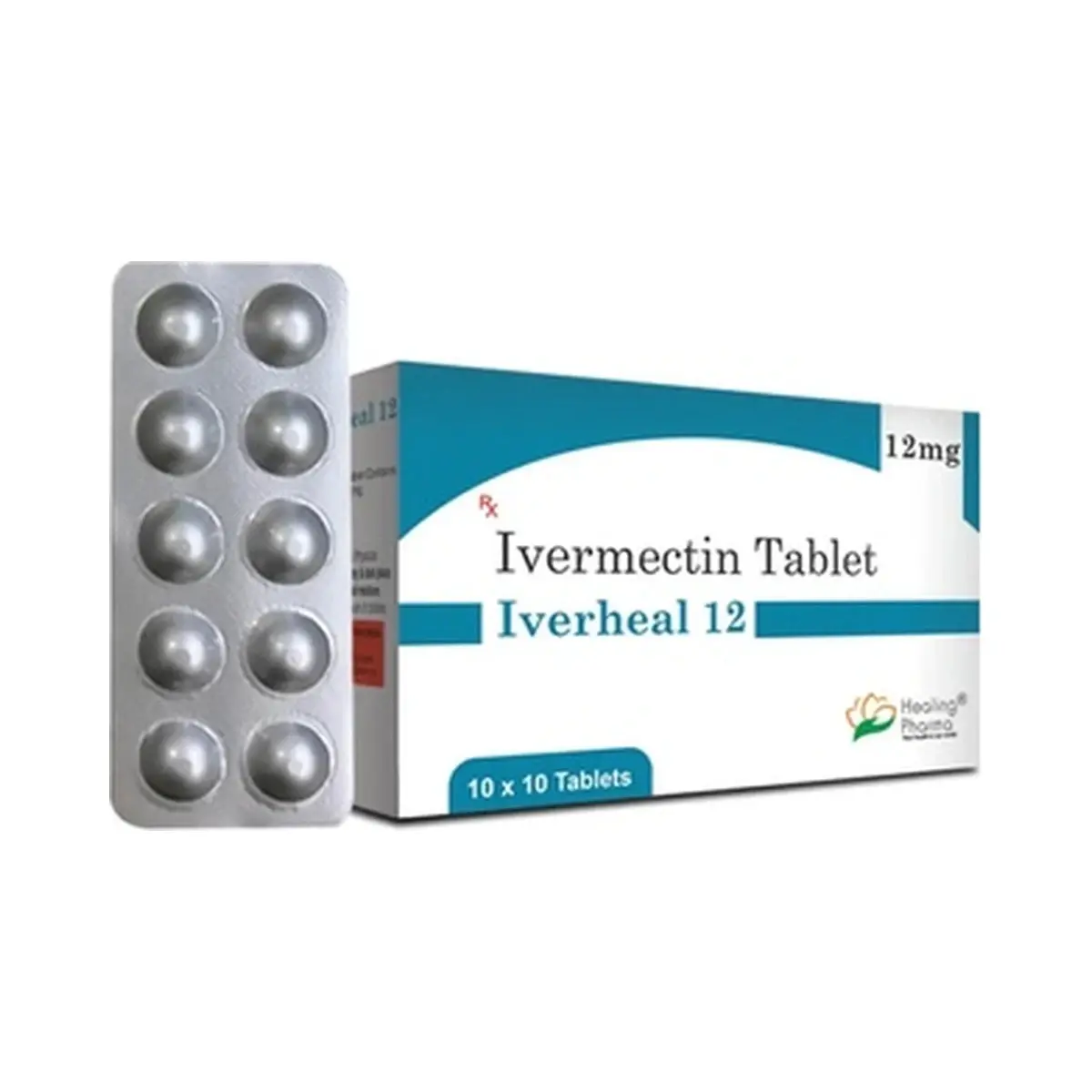
Iverheal (Ivermectin) 12 mg
Iverheal is a brand name for ivermectin, an antiparasitic medicine used against certain parasitic worm and arthropod infections. The tablet strength in this product name identifies the medicine only; clinical use depends on the verified active ingredient, ivermectin.
Active Ingredient and Medicine Class
Ivermectin is a broad-spectrum antiparasitic medicine in the avermectin class. It is an anthelmintic and anti-ectoparasitic agent. Regulatory labels identify ivermectin tablets as human medicines for specific parasitic infections.
Established Medical Uses
Official prescribing information in the United States identifies ivermectin tablets for the treatment of intestinal strongyloidiasis and onchocerciasis. WHO also recognises ivermectin in public health control programmes for onchocerciasis, and in some settings for strongyloidiasis, and notes its use in scabies control.
How It Works
Ivermectin acts on parasite nerve and muscle function by binding to specific ligand-gated chloride channels, which leads to paralysis and death of susceptible parasites. In humans, its selectivity is related to much lower sensitivity of mammalian targets at approved exposures.
Important Safety Information
Ivermectin tablets are contraindicated in patients with hypersensitivity to the medicine or any tablet component. Regulatory labelling warns that patients with onchocerciasis may experience inflammatory reactions related to the death of parasites, including skin, eye and systemic symptoms. WHO guidance also highlights extra caution in areas where loiasis is endemic because patients with high Loa loa microfilarial loads can develop serious neurologic adverse reactions.
Clinically significant interaction information is limited in the cited regulatory materials, but ivermectin is a substrate of transport and metabolic pathways that may affect exposure; published reviews note the potential for interaction-related changes in ivermectin pharmacokinetics.
Possible Side Effects
Common adverse effects reported with ivermectin include dizziness, pruritus, rash, diarrhea, nausea, and fatigue. More serious reactions can occur, especially in onchocerciasis or loiasis-related settings, including severe skin reactions, eye inflammation, hepatitis, and rare severe cutaneous adverse reactions such as Stevens-Johnson syndrome and toxic epidermal necrolysis.
Scientific Evidence
PubMed-indexed reviews describe ivermectin as an established treatment for onchocerciasis and strongyloidiasis, with additional use in scabies and some other parasitic infections. A 2012 review concluded that it remains a key option for several human parasitic diseases, while a later review summarised its broad clinical antiparasitic role and continued investigation in additional indications.
Medical Information Notice
This summary is for educational use only and is based on sources available at the time of review. It does not replace the official patient leaflet, prescribing information, or assessment by a qualified healthcare professional.
Medical Sources
- U.S. Food and Drug Administration / DailyMed: Ivermectin Tablets, USP — official prescribing information
- PubMed — P. González et al.: “Ivermectin in human medicine, an overview of the current status of its clinical applications” (Current Pharmaceutical Biotechnology, 2012) — PubMed article page