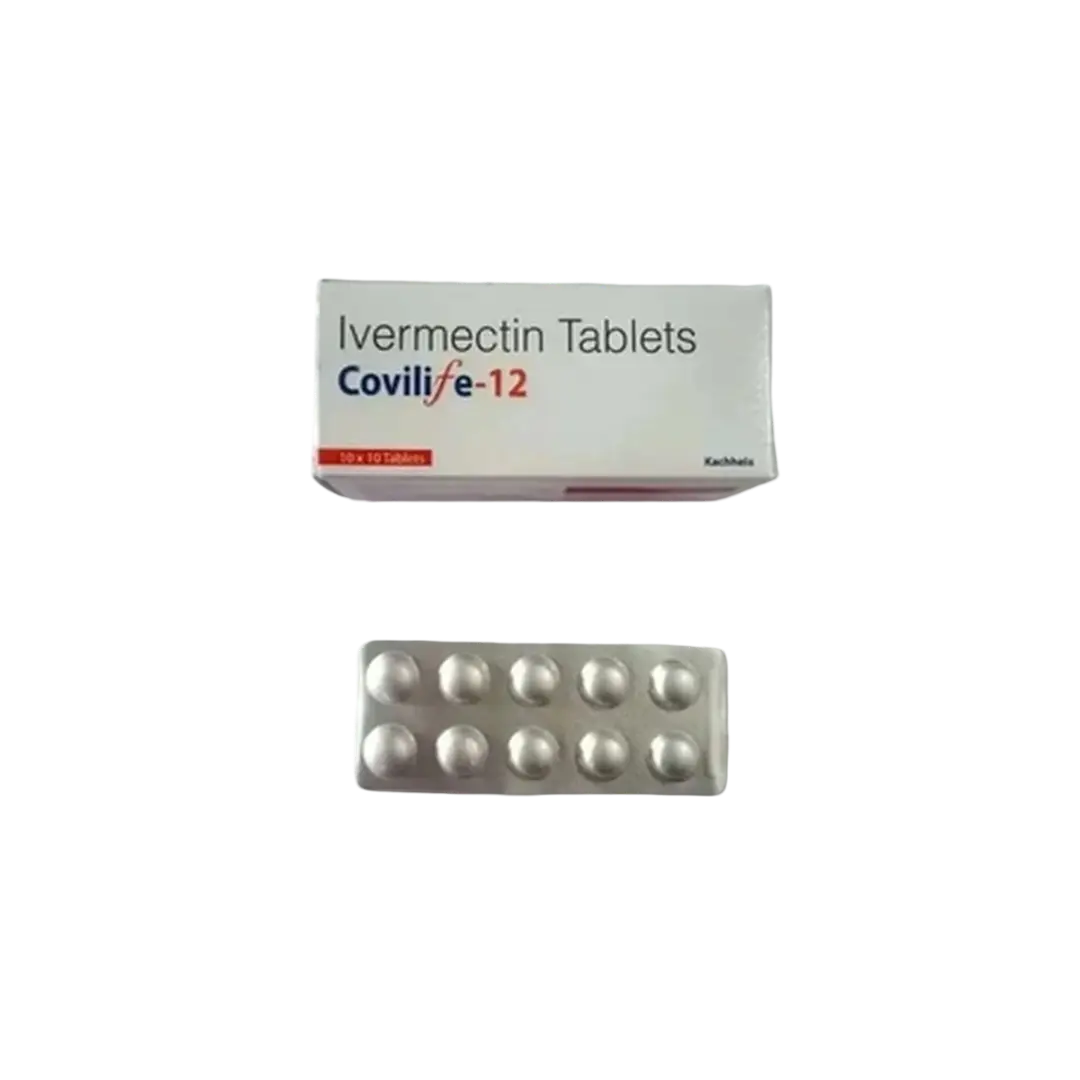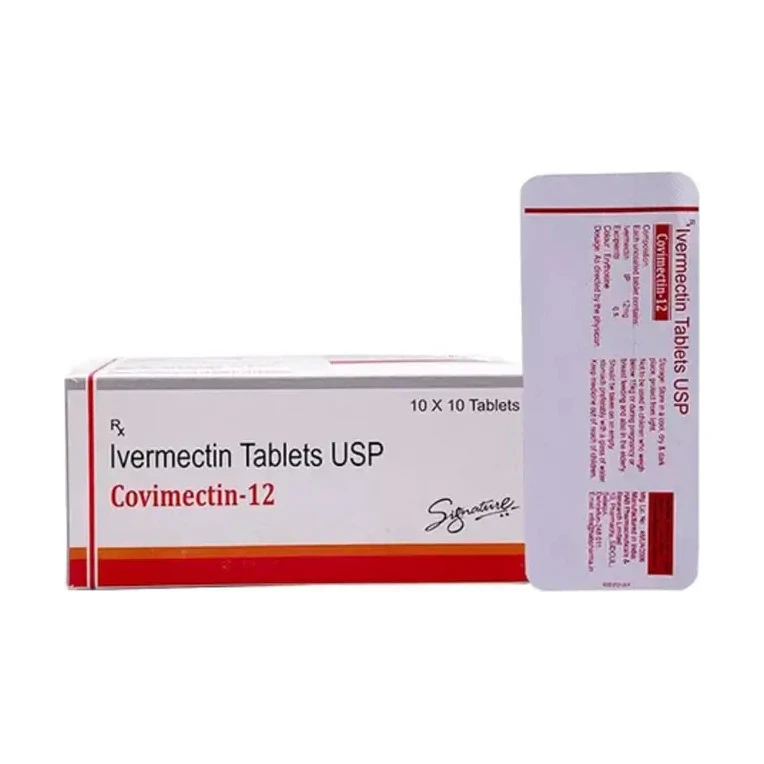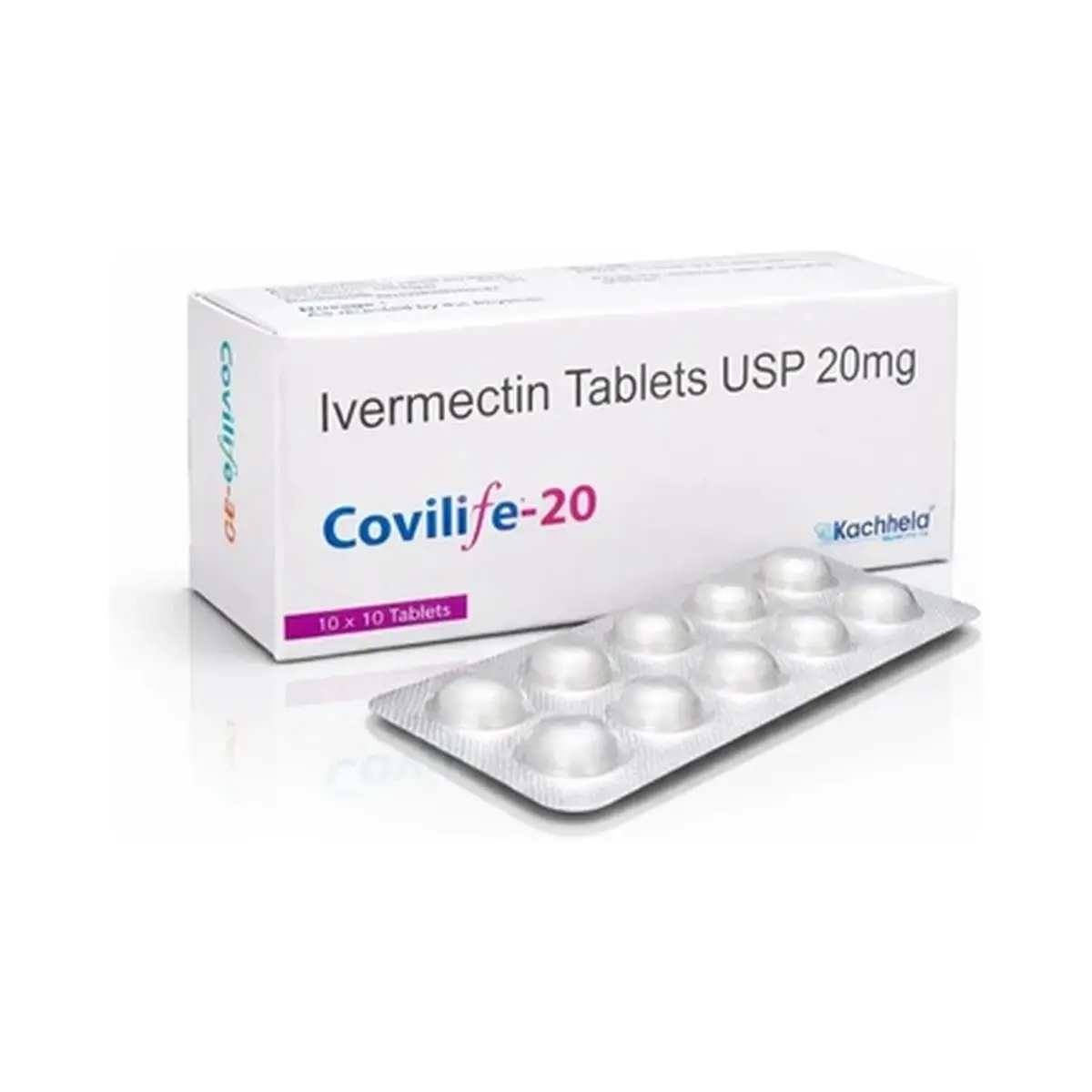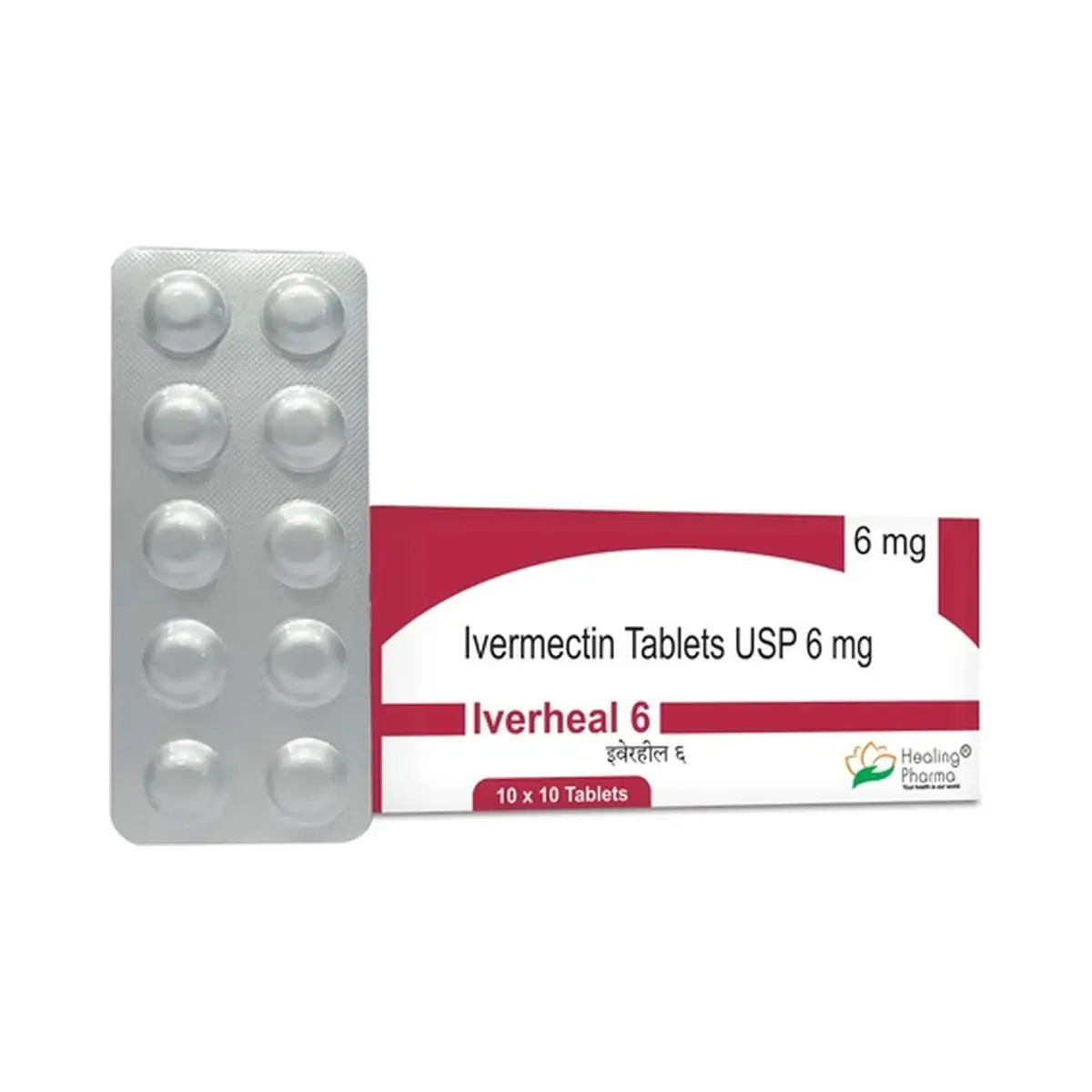
Description
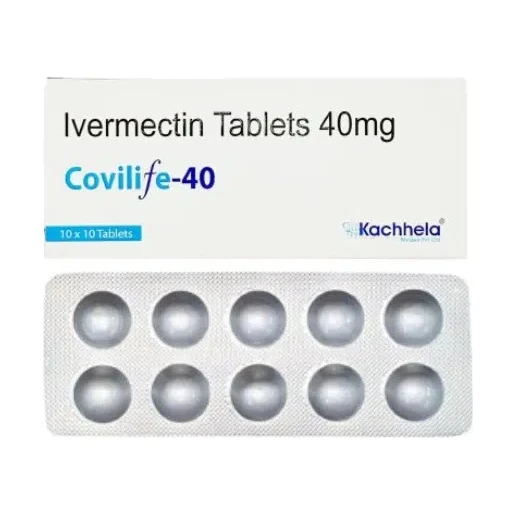
Covilife (Ivermectin) 40 mg
Covilife is a brand name used for ivermectin, an oral antiparasitic medicine. The identification clue provided here suggests a 40 mg tablet presentation, but the core medicine can be described confidently only as ivermectin.
Active Ingredient and Medicine Class
Ivermectin is an anthelmintic and broader antiparasitic agent in the avermectin class. Regulatory labeling describes it as a semisynthetic antiparasitic medicine derived from avermectins.
Established Medical Uses
Official human labeling for ivermectin tablets supports use in strongyloidiasis and onchocerciasis. Peer-reviewed reviews also describe ivermectin as a key treatment for certain other parasitic infections, including some filarial and scabies-related conditions, though not all such uses are universally approved in every market.
How It Works
Ivermectin works by binding selectively to glutamate-gated chloride channels in invertebrate nerve and muscle cells. This increases chloride ion flow, disrupts nerve and muscle function, and leads to paralysis and death of susceptible parasites. It has low affinity for mammalian channels, which helps explain its selective antiparasitic activity.
Important Safety Information
Ivermectin is contraindicated in people with hypersensitivity to the product or any component. FDA labeling warns that treatment of patients with onchocerciasis can trigger inflammatory reactions related to dying microfilariae, and severe reactions may occur in patients with heavy parasite burdens. The label also notes that ivermectin is metabolized mainly by CYP3A4, so medicines that strongly affect this pathway may be clinically relevant. Warfarin interaction has been reported. In people with compromised blood-brain barrier function, central nervous system toxicity is a concern.
Possible Side Effects
Reported adverse effects include dizziness, nausea, diarrhea, abdominal discomfort, rash, pruritus, and headache. More serious reactions may include neurologic effects, hypotension, allergic-type reactions, and severe inflammatory responses during treatment of certain parasitic infections.
Scientific Evidence
Human studies and reviews support ivermectin as an effective antiparasitic medicine, especially for strongyloidiasis and onchocerciasis. A PubMed-indexed review by González et al. describes it as the drug of choice for onchocerciasis and strongyloidiasis, while more recent reviews continue to support its established antiparasitic role and note ongoing evaluation for other helminth infections.
Medical Information Notice
This educational summary is based on sources available at the time of review and does not replace the official patient leaflet or individual assessment by a qualified health professional.
Medical Sources
- U.S. Food and Drug Administration (FDA) — STROMECTOL (ivermectin) tablets, prescribing information
- González P, et al. — “Ivermectin in human medicine, an overview of the current status of its clinical applications.” Current Pharmaceutical Biotechnology (2012). PubMed article