Description
Iverlast (Ivermectin) 12 mg
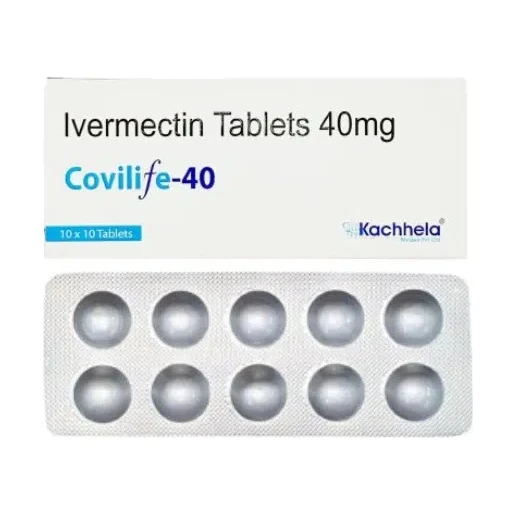
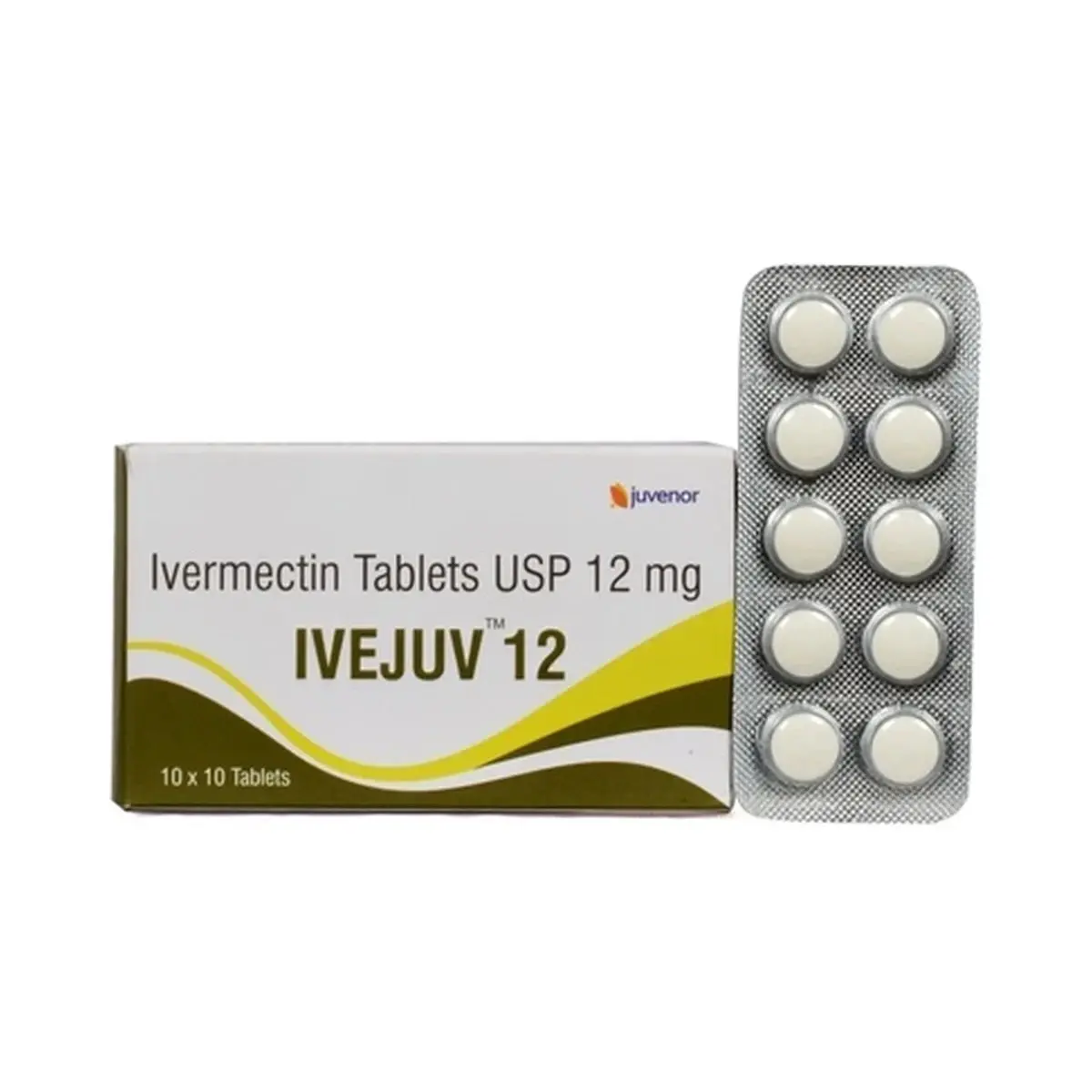
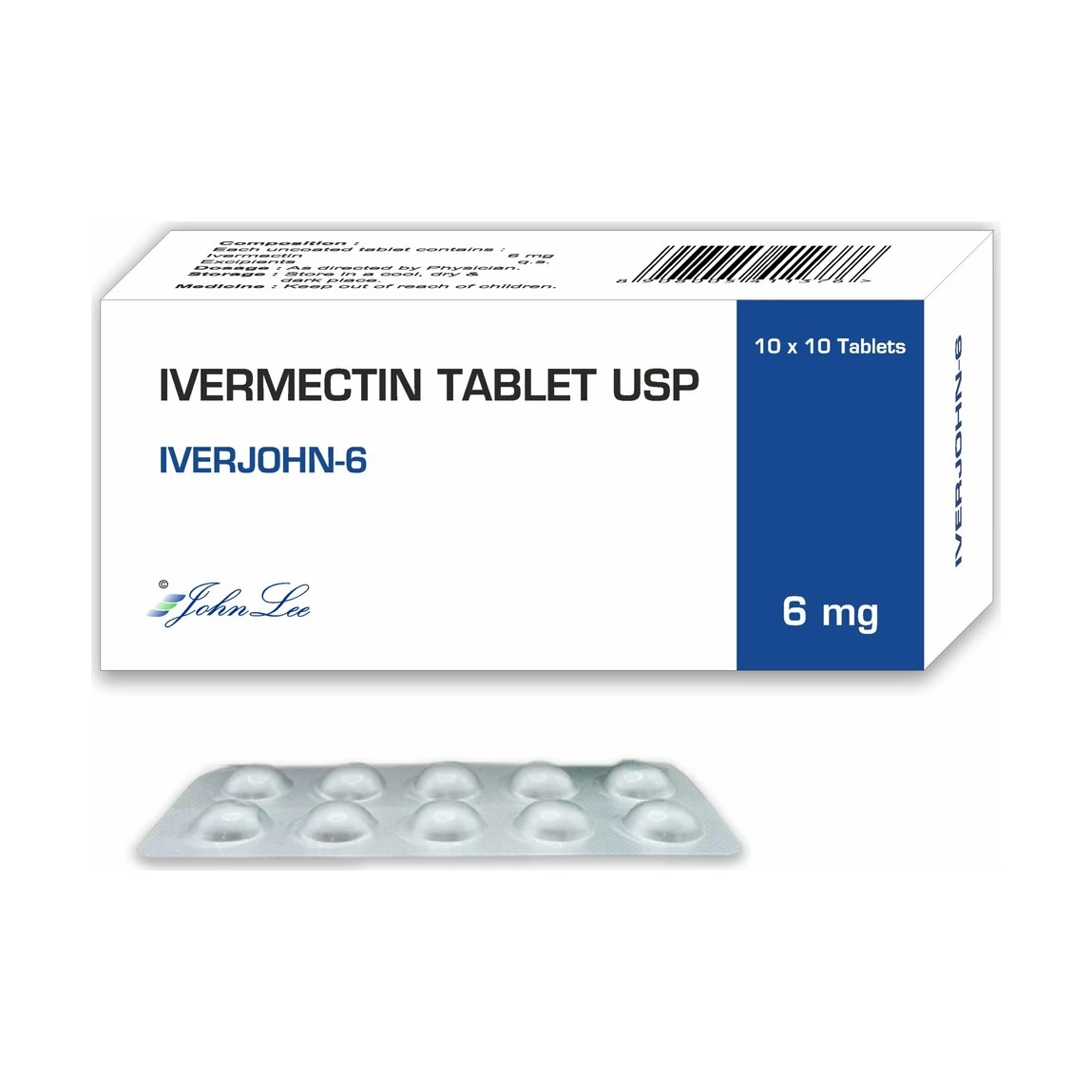
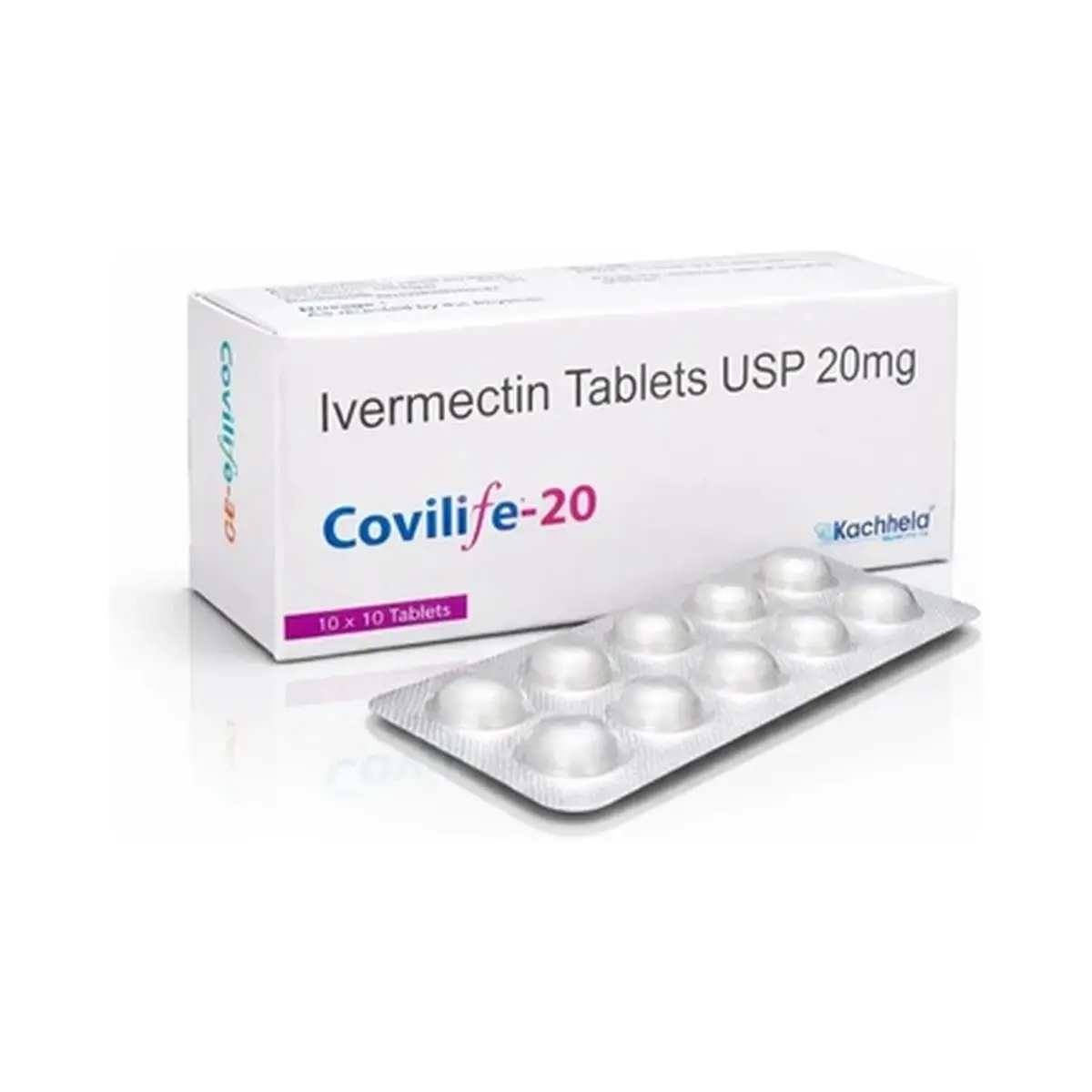
Iverlast 12 mg is a brand name for ivermectin, an oral antiparasitic medicine used systemically for certain parasitic infections. Product naming and strength should be understood as identification details; the verified active ingredient is ivermectin.
Active Ingredient and Medicine Class
Ivermectin is a semisynthetic anthelmintic and antiparasitic agent. It belongs to the avermectin class of medicines and is used against selected nematode and ectoparasitic infections in humans. Official labeling describes ivermectin as an oral prescription medicine.
Established Medical Uses
Regulatory labeling for oral ivermectin supports use in onchocerciasis and strongyloidiasis caused by susceptible parasites. Human medical reviews also describe established roles in some settings for other parasitic diseases, including lymphatic filariasis, scabies, and pediculosis, although not all of these uses have the same regulatory status in every country.
How It Works
Ivermectin acts on parasite nerve and muscle function by increasing inhibitory chloride conductance through parasite-specific channels, leading to paralysis and death of susceptible organisms. This selective activity helps explain its antiparasitic effect while limiting effects on human tissues at approved exposures.
Important Safety Information
Oral ivermectin should not be used in people with known hypersensitivity to ivermectin or any tablet component. Important precautions are needed in patients with possible co-infection by other filarial parasites, because treatment can trigger significant inflammatory reactions in some circumstances. Official labeling also warns about the risk of serious neurologic effects and about use in populations where parasite burden or species mix may increase treatment-related complications.
Clinically significant interactions have been reported or considered with medicines that affect central nervous system function and with drugs that may increase ivermectin exposure by altering transport or metabolism. Prescribing information should be checked for the full interaction profile.
Possible Side Effects
Commonly reported adverse effects include dizziness, nausea, diarrhea, rash, and itching. More serious reactions can include severe skin reactions, swelling, low blood pressure, and neurologic symptoms. In patients with certain parasitic infections, symptoms may also reflect the body’s inflammatory response to dying parasites rather than direct drug toxicity.
Scientific Evidence
Peer-reviewed reviews in PubMed describe ivermectin as a well-established antiparasitic medicine with strong clinical utility in onchocerciasis and strongyloidiasis, and with additional evidence supporting selected uses such as scabies and lymphatic filariasis in appropriate settings. Reviews also note that safety is generally good, but adverse reactions may be more important in certain filarial infections and in patients with high parasite loads.
Medical Information Notice
This summary is based on sources available at the time of review and is intended for educational purposes only. It does not replace the official patient leaflet, prescribing information, or assessment by a qualified healthcare professional.
Medical Sources
- U.S. Food and Drug Administration (FDA) — STROMECTOL (ivermectin) Tablets, prescribing information
- DailyMed — Ivermectin tablet, human prescription drug label
- P. González et al. — “Ivermectin in human medicine, an overview of the current status of its clinical applications.” Current Pharmaceutical Biotechnology (2012). PubMed