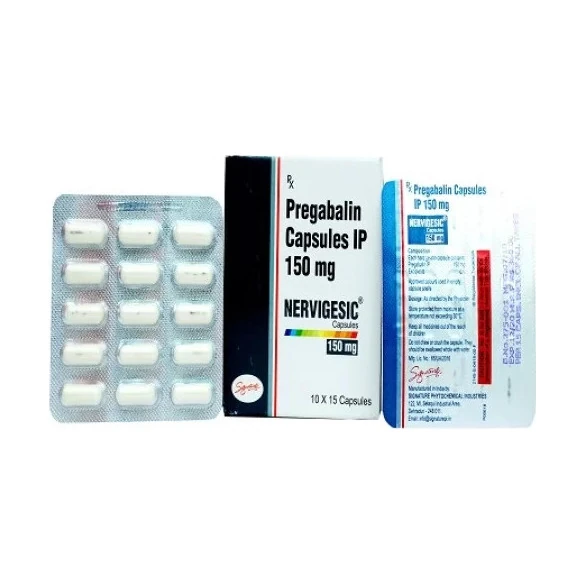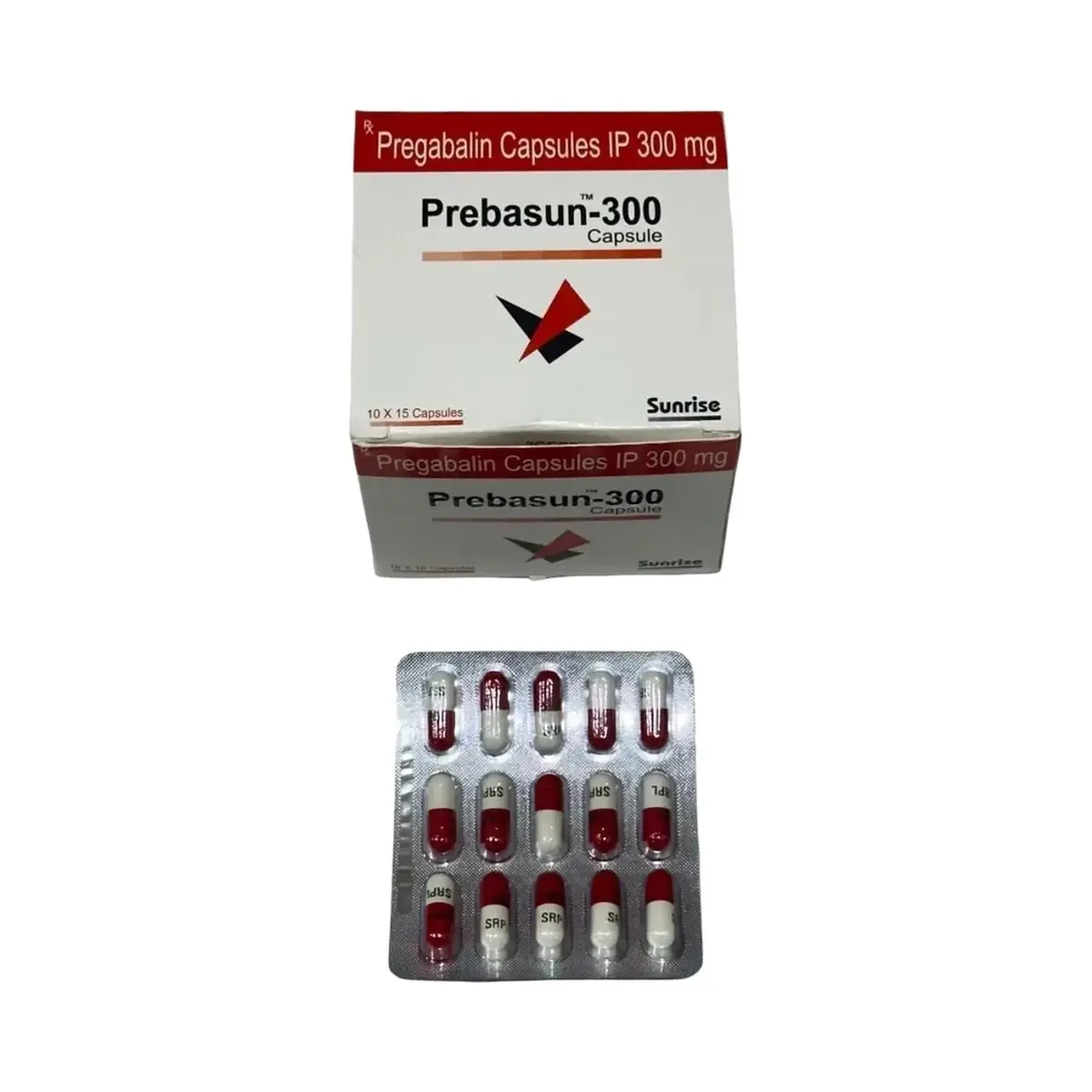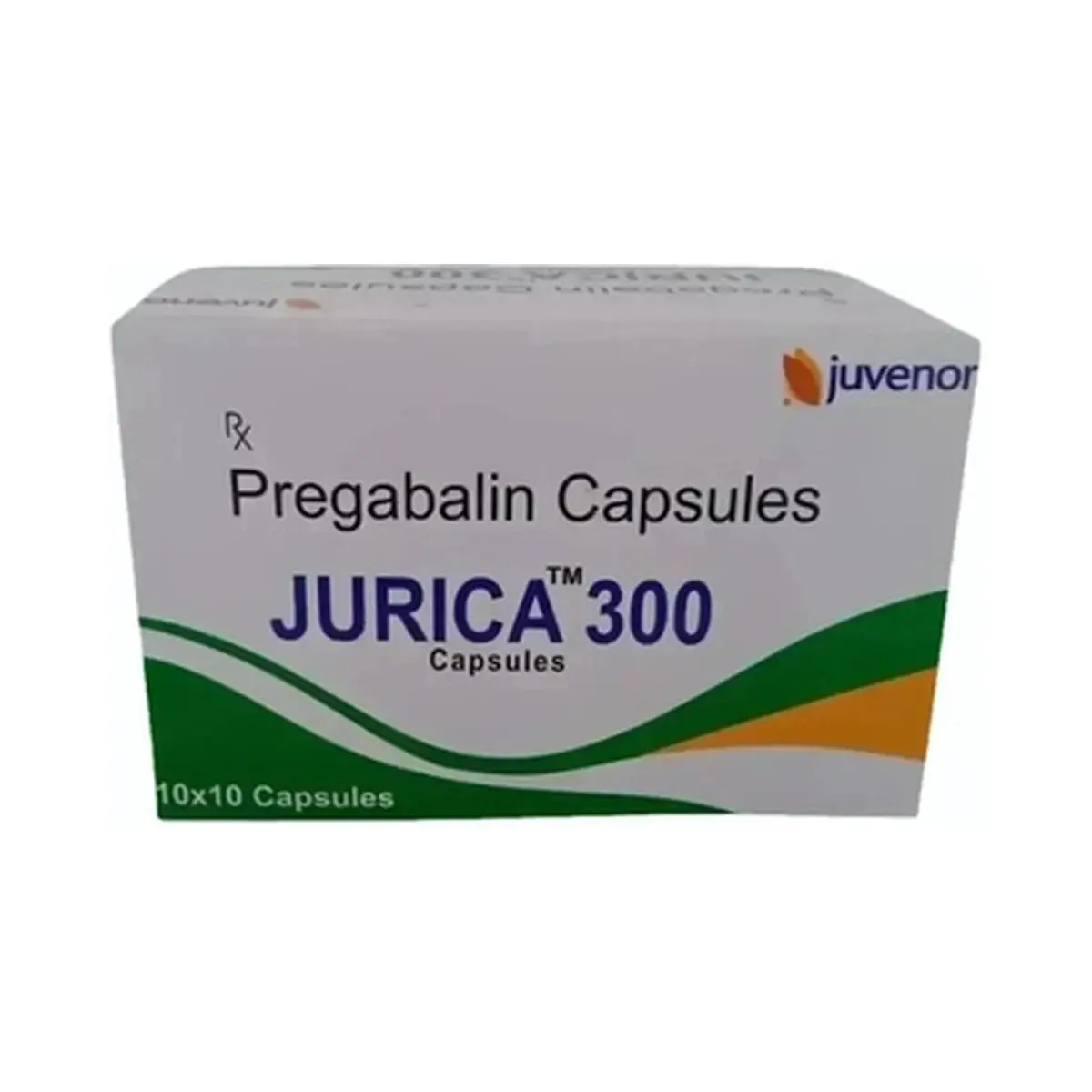
Description
Jurica (Pregabalin) 300 mg
Jurica 300 mg is a pregabalin capsule product. Pregabalin is a prescription medicine used as an anticonvulsant and neuropathic pain treatment. The trade name should be interpreted as identifying pregabalin only; the active ingredient is the verified basis for this description.
Active Ingredient and Medicine Class
Active ingredient: pregabalin.
Medicine class: gabapentinoid anticonvulsant.
Pregabalin is structurally related to gabapentin and acts on the central nervous system.
Established Medical Uses
Regulatory prescribing information for pregabalin capsules supports use in neuropathic pain and as adjunctive therapy for partial-onset seizures. Depending on country-specific approval, pregabalin may also be authorised for other indications, but only the uses confirmed in the official prescribing information should be considered established for a given product.
How It Works
Pregabalin does not work like a classic painkiller. It binds to the alpha2-delta subunit of voltage-gated calcium channels in the nervous system, which can reduce the release of excitatory neurotransmitters and help dampen abnormal nerve signalling. This mechanism is believed to underlie its effects in neuropathic pain and seizure control.
Important Safety Information
Pregabalin is contraindicated in people with known hypersensitivity to pregabalin or any capsule component. Important precautions include the risk of dizziness, sleepiness, impaired coordination, blurred vision, swelling, weight gain, mood changes and suicidal thoughts or behaviour. Abrupt stopping can be associated with withdrawal symptoms and, in people with epilepsy, increased seizure frequency. Serious breathing problems have been reported, especially when pregabalin is used with other medicines that depress the central nervous system or in patients with respiratory risk factors.
Clinically significant interactions include additive sedation with opioids, benzodiazepines, alcohol and other CNS depressants. Renal function is important because pregabalin is eliminated mainly by the kidneys. Patients should also be monitored for potential misuse or dependence risk.
Possible Side Effects
Common adverse effects include dizziness, somnolence, dry mouth, blurred vision, peripheral oedema, weight gain and difficulty with concentration. Less common but important reactions can include allergic reactions, angioedema, mood changes, suicidal ideation and respiratory depression.
Scientific Evidence
Peer-reviewed reviews and meta-analyses support pregabalin as an effective option for several neuropathic pain conditions, with a known adverse-effect profile dominated by central nervous system effects such as dizziness and somnolence. Published mechanistic reviews consistently describe binding to the calcium-channel alpha2-delta subunit as the key pharmacologic target. Clinical evidence also supports its role as adjunctive therapy in partial seizures.
Medical Information Notice
This page is an educational summary based on sources available at the time of review and does not replace the official patient leaflet or individual assessment by a qualified healthcare professional.
Medical Sources
- DailyMed / FDA: Pregabalin Capsules, Full Prescribing Information. View source
- Cory Toth et al. “Pregabalin: latest safety evidence and clinical implications for the management of neuropathic pain” (2014). PubMed article