Description
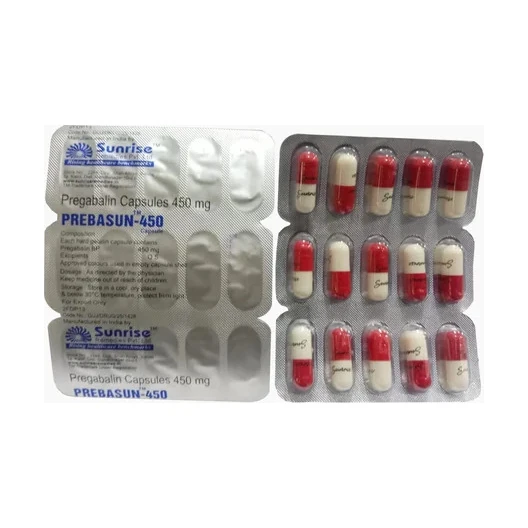
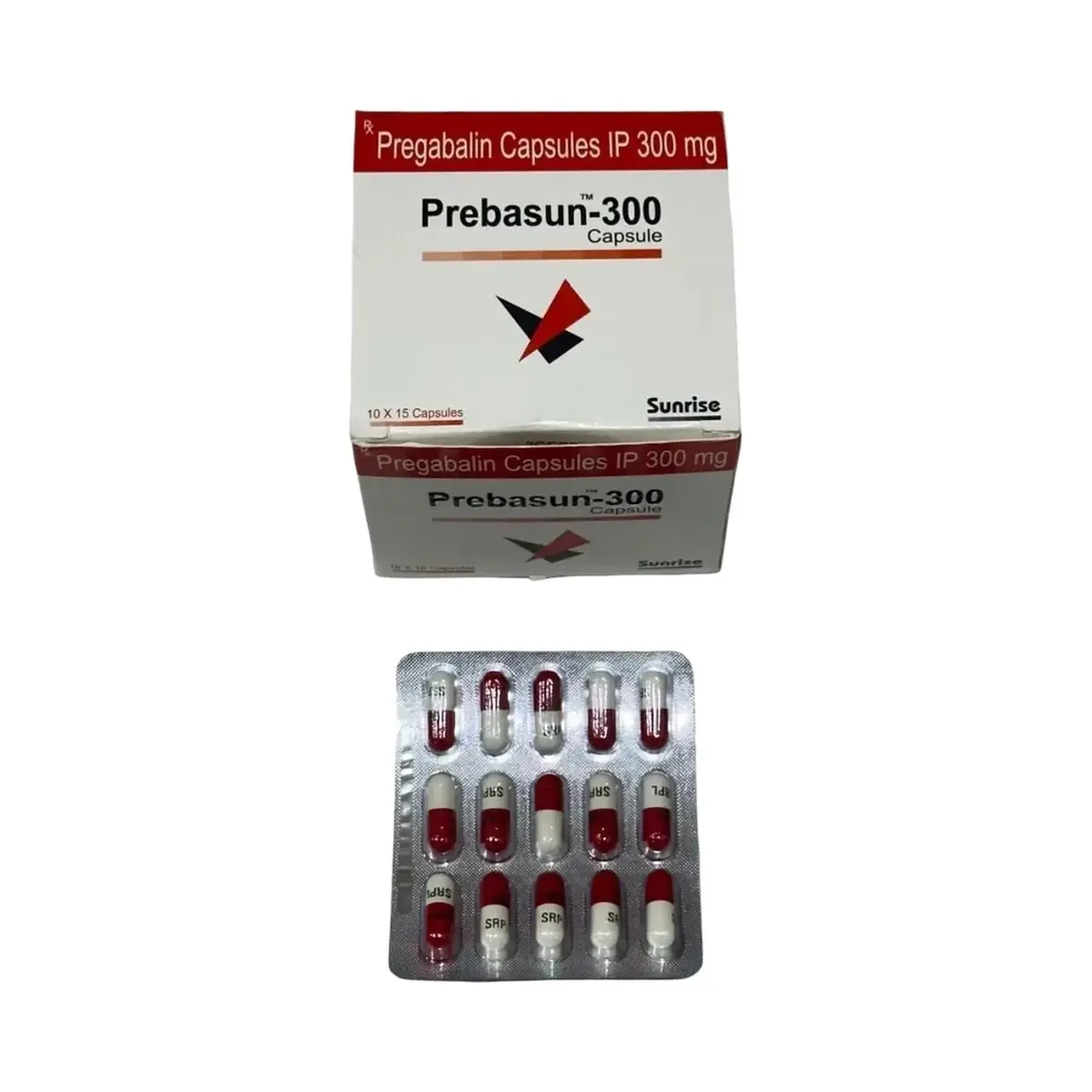
Prebasun (Pregabalin) 300 mg
Prebasun 300 mg is a brand name product identified as containing pregabalin. Pregabalin is a prescription medicine used for certain nerve-pain conditions and as adjunctive therapy for partial-onset seizures. The verified regulatory information below is based on pregabalin prescribing information and peer-reviewed evidence for the active ingredient, not on brand-specific promotional claims.
Active Ingredient and Medicine Class
Active ingredient: pregabalin.
Medicine class: anticonvulsant / antiepileptic medicine; also used for neuropathic pain. Pregabalin binds to the alpha-2-delta subunit of voltage-gated calcium channels and reduces calcium-dependent release of excitatory neurotransmitters.
Established Medical Uses
Regulatory labeling for pregabalin includes treatment of neuropathic pain associated with diabetic peripheral neuropathy, postherpetic neuralgia, neuropathic pain associated with spinal cord injury, and adjunctive therapy for partial-onset seizures. In some regulatory jurisdictions it is also approved for fibromyalgia. Approval status can vary by country and product label.
How It Works
Pregabalin does not act like a classic painkiller. It works in the nervous system by binding to a specific calcium-channel subunit and dampening abnormal nerve signaling. This can reduce pain caused by damaged nerves and help lower seizure activity in the brain.
Important Safety Information
Pregabalin should not be used in people with a known allergy to pregabalin or any product ingredient. Important precautions include a history of angioedema, breathing problems, depression or suicidal thoughts, kidney impairment, heart failure, and substance misuse. Clinically significant interactions may occur with opioids, sedatives, alcohol, and other medicines that cause drowsiness or respiratory depression. Additive swelling has been noted with some ACE inhibitors and with certain diabetes medicines such as pioglitazone and rosiglitazone.
Stopping pregabalin suddenly may cause withdrawal symptoms and, in people treated for seizures, may increase seizure frequency. Pregabalin can also cause impairment of alertness, so caution is advised with activities requiring mental alertness.
Possible Side Effects
Common adverse effects include dizziness, sleepiness, blurred vision, dry mouth, swelling, weight gain, and difficulty with concentration or coordination. More serious reactions can include severe allergic reactions, angioedema, breathing problems, mood changes, and suicidal thoughts or behavior. Some patients discontinue treatment because of adverse effects, particularly at higher doses.
Scientific Evidence
Systematic reviews and randomized trials support pregabalin’s benefit in several neuropathic pain conditions, with the strongest evidence in diabetic peripheral neuropathy and postherpetic neuralgia. Evidence also shows that dizziness and somnolence are among the most frequent treatment-related adverse effects. Benefits are present for some patients, but response is not universal and tolerability can limit use.
Medical Information Notice
This page is an educational summary based on sources available at the time of review and does not replace the official patient leaflet, prescribing information, or individual assessment by a qualified healthcare professional.
Medical Sources
- FDA — LYRICA (pregabalin) Capsules / Oral Solution, Prescribing Information
- Derry S, Bell RF, Straube S, Wiffen PJ, Aldington D, Moore RA, et al. — Pregabalin for neuropathic pain in adults — Cochrane Database of Systematic Reviews, 2019