Description
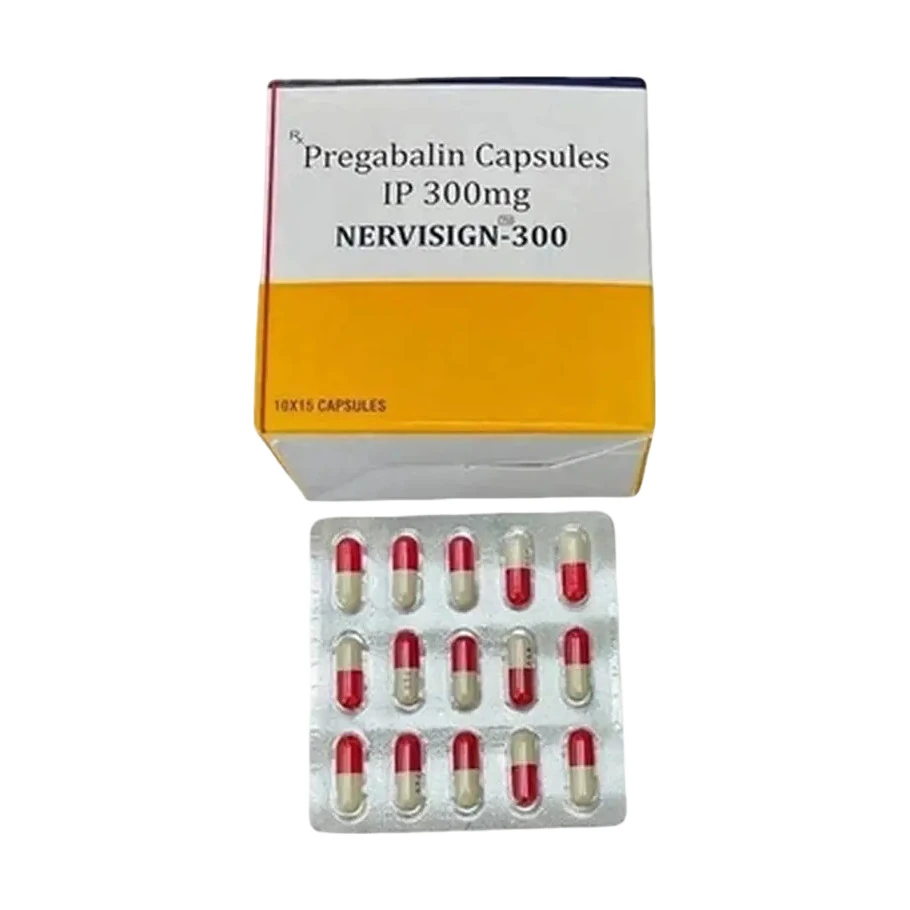
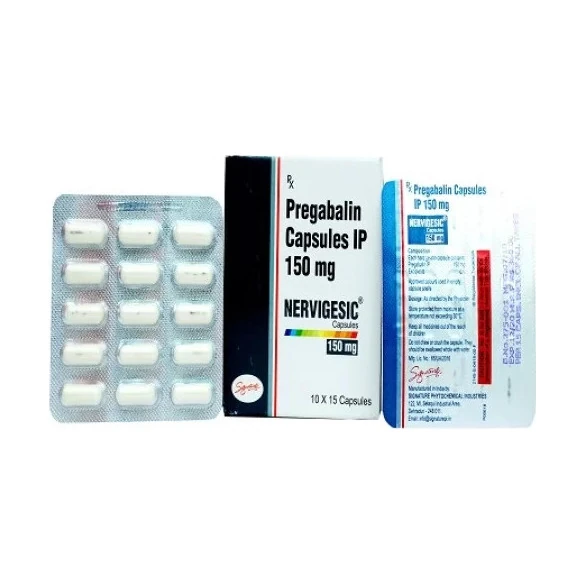
Nervigesic (Pregabalin) 300 mg
Nervigesic 300 mg is a pregabalin capsule. Pregabalin is a prescription medicine used for certain nerve pain conditions and as adjunctive treatment for partial-onset seizures in appropriate patients. It is also approved in some settings for fibromyalgia and neuropathic pain associated with spinal cord injury.
Active Ingredient and Medicine Class
The verified active ingredient is pregabalin, a gabapentinoid anticonvulsant and analgesic. It is a specific ligand of the alpha2-delta subunit of voltage-gated calcium channels in the central nervous system.
Established Medical Uses
Regulatory prescribing information for pregabalin identifies use in neuropathic pain associated with diabetic peripheral neuropathy, postherpetic neuralgia, adjunctive therapy for partial-onset seizures, fibromyalgia in adults, and neuropathic pain associated with spinal cord injury. Published reviews also describe benefit in neuropathic pain and seizure disorders.
How It Works
Pregabalin binds to the alpha2-delta subunit of voltage-gated calcium channels and reduces calcium entry into nerve terminals. This can lessen the release of excitatory neurotransmitters and help dampen abnormal nerve signalling linked to pain and seizures.
Important Safety Information
Important warnings in prescribing information include hypersensitivity reactions, angioedema, suicidal behaviour and ideation, respiratory depression, dizziness and somnolence, peripheral oedema, weight gain, and possible worsening after abrupt or rapid discontinuation. Caution is advised when pregabalin is used with central nervous system depressants or in people with underlying respiratory impairment. It may also cause additive swelling with thiazolidinedione antidiabetic medicines. Breastfeeding is not recommended in the U.S. prescribing information.
Possible Side Effects
Common adverse reactions include dizziness, somnolence, dry mouth, oedema, blurred vision, weight gain, and abnormal thinking or difficulty concentrating. Other reported reactions include ataxia, confusion, asthenia, incoordination, and abnormal gait. Serious reactions can include allergic swelling, breathing problems, and mood or behaviour changes.
Scientific Evidence
Peer-reviewed reviews and clinical summaries support pregabalin as an effective option for neuropathic pain and as adjunctive therapy for epilepsy. The evidence base also describes a consistent mechanism related to alpha2-delta calcium-channel binding and reduced neuronal hyperexcitability. Some reviews note that misuse potential has been reported.
Medical Information Notice
This page is an educational summary based on sources available at the time of review and does not replace the official patient leaflet or individual assessment by a qualified healthcare professional.
Medical Sources
- U.S. Food and Drug Administration / DailyMed: PREGABALIN capsules, prescribing information. PubMed/Regulatory source
- Noor M Gajraj. Pregabalin for pain management. Pain Practice. 2005. PubMed article