Description
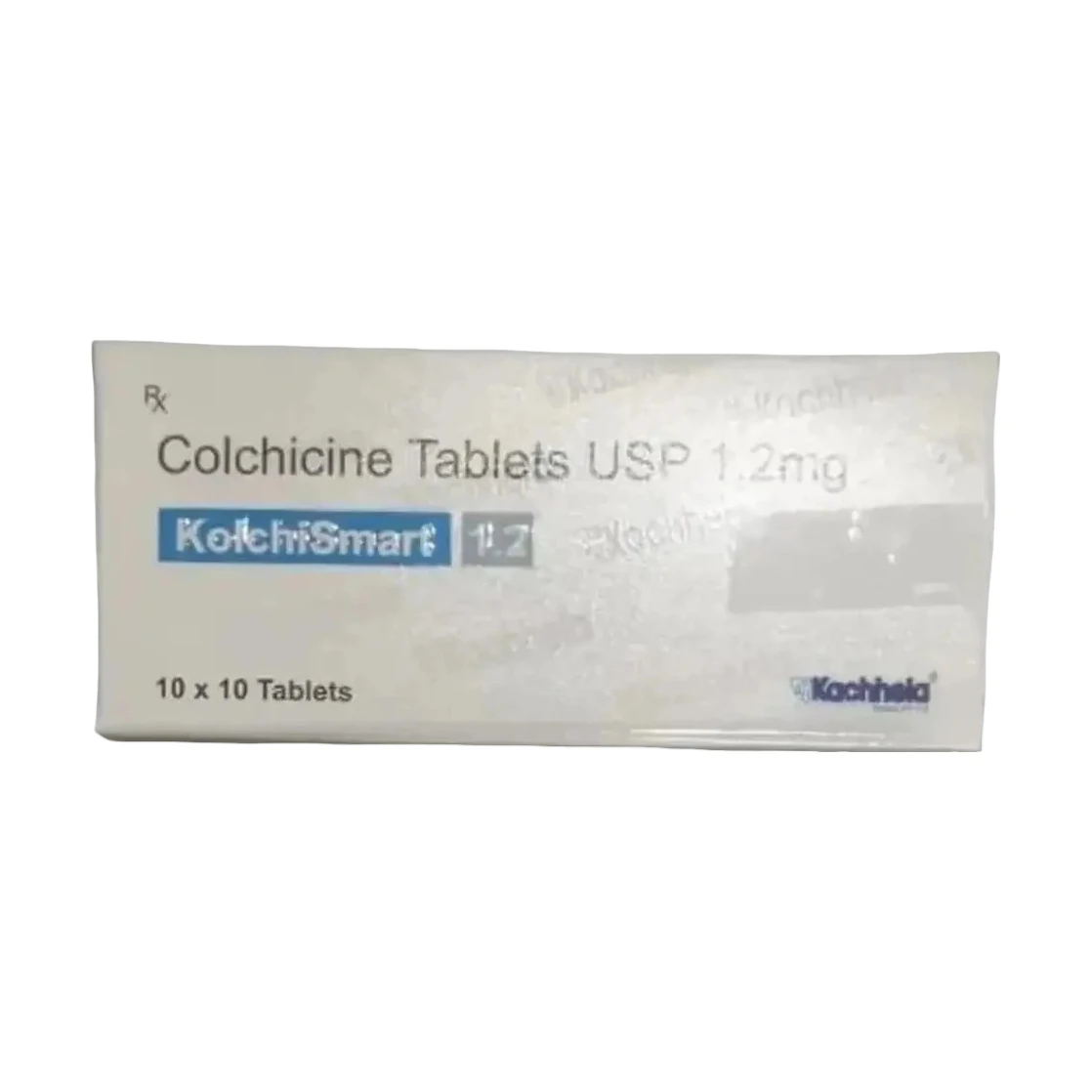
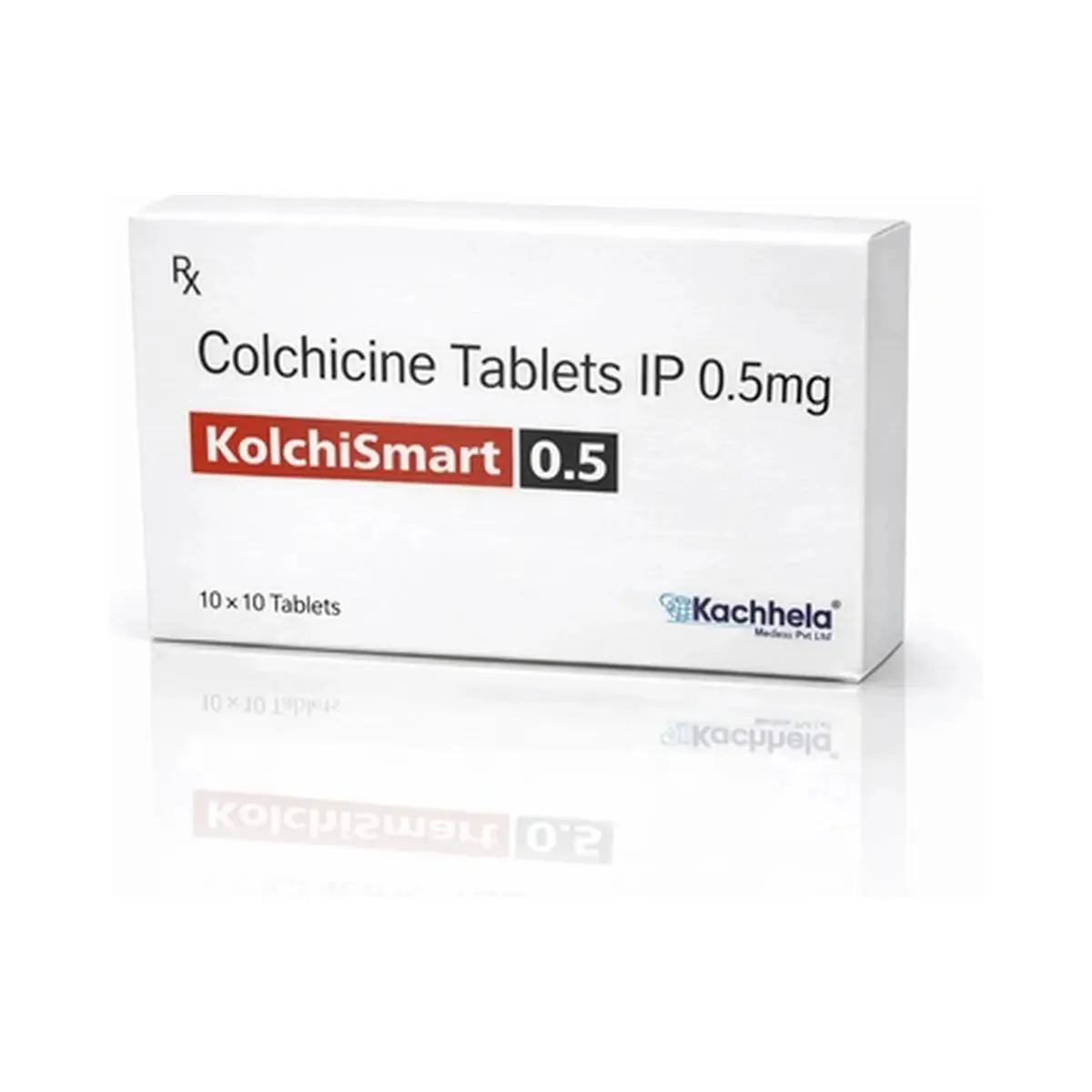
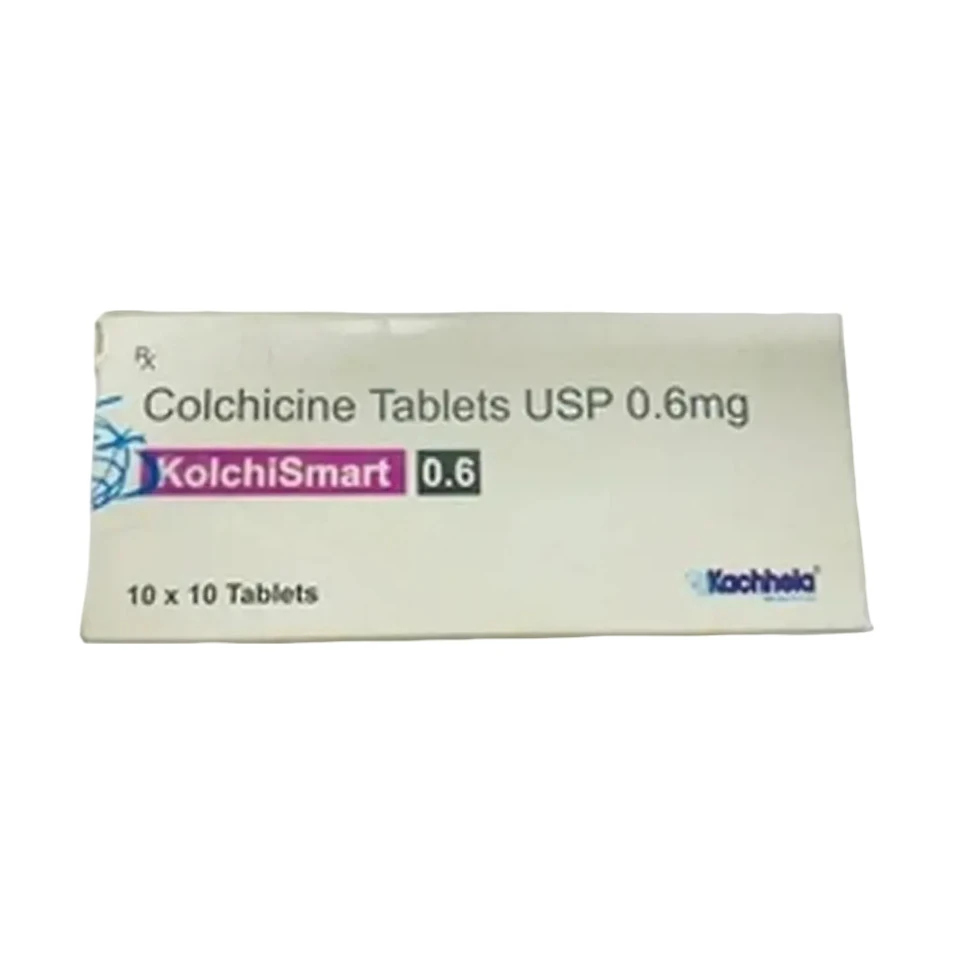
Kolchismart (Colchicine) 0.6 mg
Kolchismart 0.6 mg is an oral tablet containing colchicine. Colchicine is a long-established anti-inflammatory medicine used in selected inflammatory conditions, especially gout and familial Mediterranean fever. It is a narrow-therapeutic-index medicine, so safety depends on correct patient selection and awareness of clinically important drug interactions.
Active Ingredient and Medicine Class
The verified active ingredient is colchicine. It belongs to the class of anti-gout and anti-inflammatory agents. Its effects are not the same as pain relievers or typical non-steroidal anti-inflammatory drugs. Instead, colchicine acts on inflammatory cell processes, particularly those involving neutrophils and related signalling pathways.
Established Medical Uses
Official prescribing information identifies colchicine tablets for the prophylaxis of gout flares and the treatment of acute gout flares. It is also indicated for the treatment of familial Mediterranean fever in adults and in children four years of age and older. The 0.6 mg tablet strength is used to identify the product form and strength; it does not imply a general dosing recommendation.
How It Works
Colchicine reduces inflammation by interfering with the intracellular assembly of the inflammasome complex in neutrophils and monocytes and by inhibiting β-tubulin polymerization into microtubules. These actions help limit neutrophil activation, migration and degranulation, which are important in gout-related inflammation and some other autoinflammatory conditions. The mechanism is well established pharmacologically, although the precise contribution of each pathway can vary by disease.
Important Safety Information
Colchicine has several clinically significant safety concerns. It should not be used together with strong CYP3A4 or P-glycoprotein inhibitors in patients with renal or hepatic impairment because serious or fatal toxicity has been reported. Important interacting medicines include some macrolide antibiotics, certain HIV protease inhibitors, cyclosporine, verapamil and diltiazem; grapefruit juice is also listed among foods with interaction potential. The product information warns about blood dyscrasias, neuromuscular toxicity and fatal overdose. Caution is also advised in renal impairment, hepatic impairment and in older adults, because exposure and toxicity risk may increase.
Possible Side Effects
The most commonly reported adverse effect is diarrhea. Other frequent gastrointestinal effects include nausea, vomiting and abdominal discomfort. Less common but more serious reactions can include myelosuppression, leukopenia, thrombocytopenia, rhabdomyolysis and other neuromuscular toxicity. Because toxicity can become severe, persistent gastrointestinal symptoms or unusual muscle weakness should be treated as clinically important warning signs.
Scientific Evidence
Human clinical evidence supports colchicine as an effective option for selected gout-related indications, particularly when used early and with appropriate dosing. A multicentre randomized trial found that a low-dose regimen was better tolerated than higher-dose colchicine in early acute gout flare treatment, while maintaining clinical activity. Review literature also supports colchicine’s role in familial Mediterranean fever, where long-term use has been established for prevention of inflammatory attacks and amyloidosis. Overall, the evidence base is strongest for gout and familial Mediterranean fever; broader anti-inflammatory uses are still being studied and should not be assumed to represent established benefits for all patients.
Medical Information Notice
This summary is provided for educational purposes only and reflects sources available at the time of review. It does not replace the official patient leaflet, product label or individual assessment by a qualified healthcare professional.
Medical Sources
- U.S. Food and Drug Administration / DailyMed. Colchicine tablets, full prescribing information
- Robert A. Terkeltaub et al. High versus low dosing of oral colchicine for early acute gout flare: Twenty-four-hour outcome of the first multicenter, randomized, double-blind, placebo-controlled, parallel-group, dose-comparison colchicine study. Arthritis Rheum. 2010. View scientific article
- Nicola Dalbeth et al. Mechanism of action of colchicine in the treatment of gout. Clinical Therapeutics. 2014. View scientific article