Description
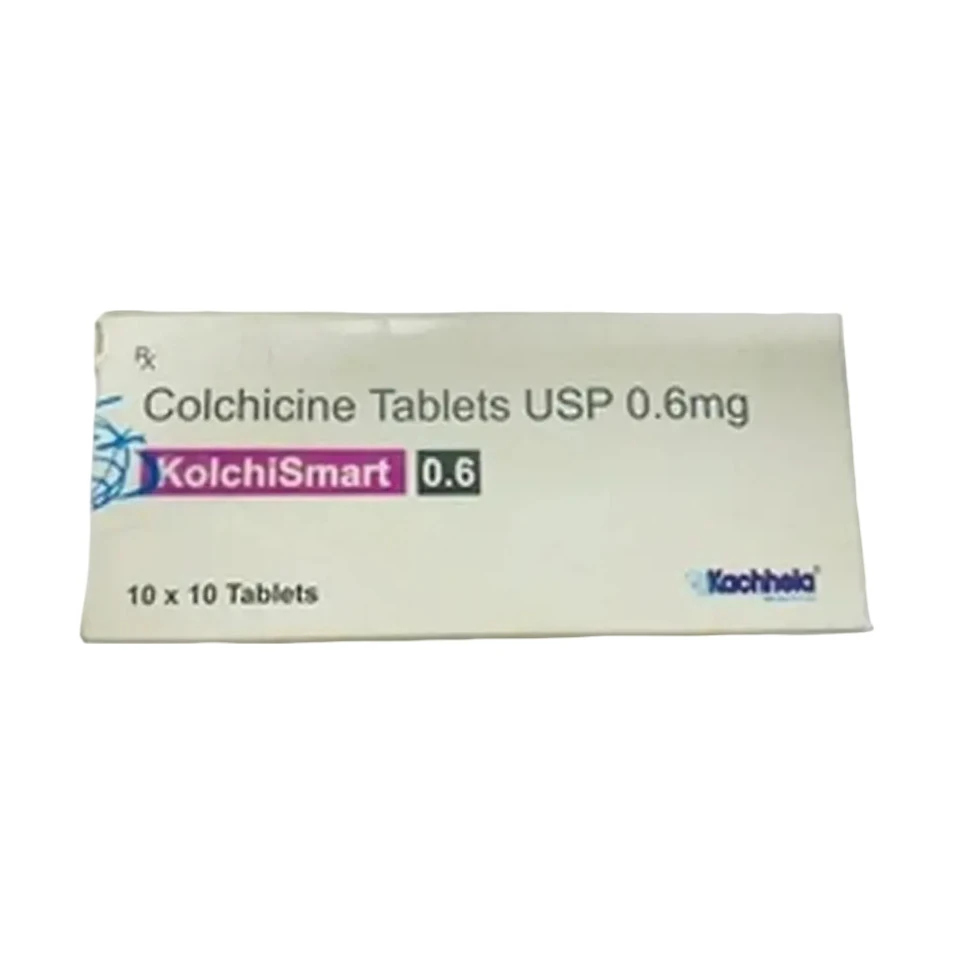
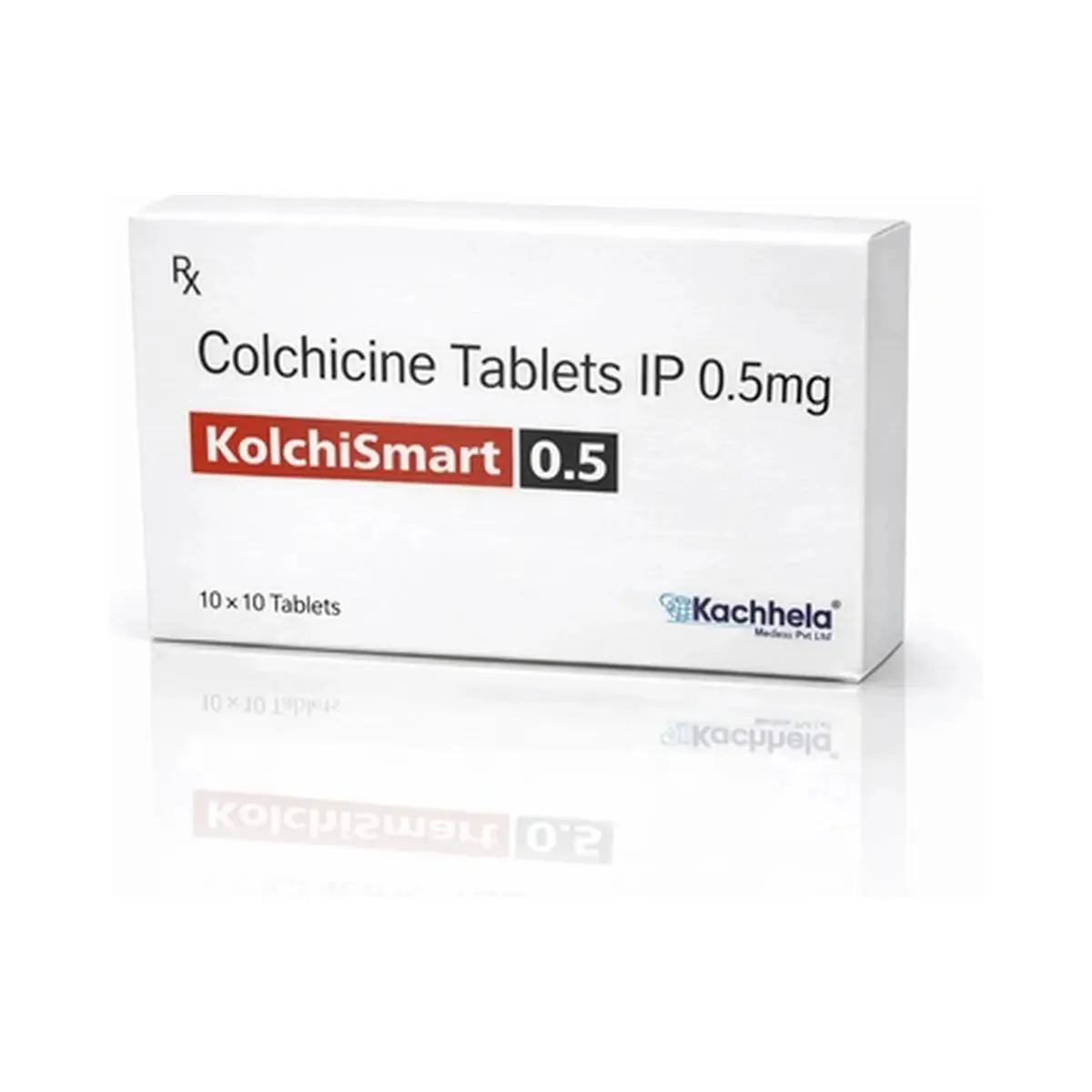
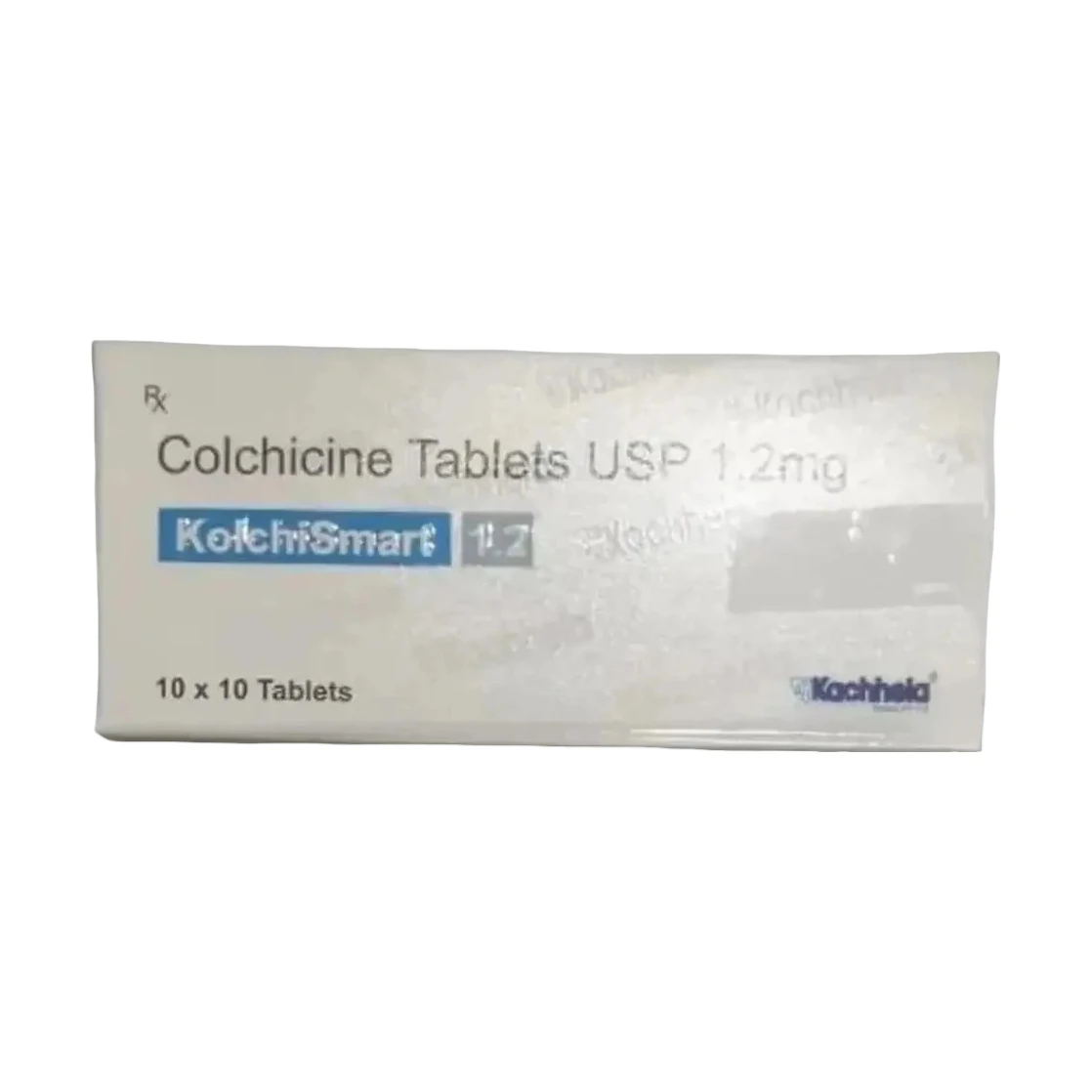
Kolchismart (Colchicine) 1.2 mg
Kolchismart 1.2 mg is a medicine identified here by its verified active ingredient, colchicine. Colchicine is a long-established anti-inflammatory drug used in gout management and in familial Mediterranean fever. It is not an analgesic and does not simply mask pain; rather, it helps reduce the inflammatory process that drives symptoms during gout flares.
Active Ingredient and Medicine Class
The active ingredient is colchicine, an alkaloid medicine with anti-inflammatory activity. It is commonly classified as an antigout agent and a microtubule inhibitor. In clinical use, colchicine is valued for its role in controlling gout-related inflammation and in preventing recurrent inflammatory attacks in selected patients.
Established Medical Uses
Colchicine tablets are established for the prophylaxis and treatment of acute gout flares. The medicine is also used for familial Mediterranean fever in adults and in children aged 4 years and older. For gout, the approved use includes both flare prevention and treatment when a flare begins. These are established medical uses; they are not a substitute for individual clinical assessment.
How It Works
Colchicine works by interfering with microtubule formation inside cells. This reduces the movement and activation of inflammatory cells and dampens the inflammatory cascade involved in gout flares. In practical terms, it helps limit the swelling, redness, and pain caused by urate crystal–triggered inflammation. Its effect is anti-inflammatory rather than urate-lowering, so it does not remove the underlying cause of hyperuricaemia.
Important Safety Information
Colchicine has a narrow safety margin, so clinically important interactions and organ function issues matter. The product information warns that colchicine should not be used with strong CYP3A4 or P-glycoprotein inhibitors in patients with renal or hepatic impairment, because this combination can raise colchicine exposure and lead to severe or fatal toxicity. Important interacting medicines include certain protease inhibitors, macrolide antibiotics, azole antifungals, cyclosporine, verapamil, diltiazem, and grapefruit juice. Caution is also needed with medicines associated with muscle toxicity, such as some statins and fibrates, because the risk of myopathy or rhabdomyolysis may increase.
Serious toxicity can affect the blood, kidneys, liver, muscles, and nervous system. Older adults and people with reduced kidney function are at higher risk of colchicine-related neuromuscular toxicity. Use requires attention to the full prescribing information and a clinician’s judgment, especially when other medicines are being taken.
Possible Side Effects
The most commonly reported adverse effect is diarrhea. Other gastrointestinal effects may include nausea, vomiting, and abdominal discomfort. In gout flare treatment studies, diarrhea was the most frequent adverse reaction. Less common but important adverse reactions include myopathy, muscle weakness, rhabdomyolysis, and blood count abnormalities such as leukopenia, thrombocytopenia, or pancytopenia. Severe toxicity is uncommon at appropriate exposure but can be life-threatening when drug interactions or accumulation occur.
Scientific Evidence
Human clinical studies support colchicine’s role in acute gout and flare prevention. A randomized, placebo-controlled trial found that low-dose oral colchicine was more effective than placebo for early acute gout flare relief, while also showing that higher dosing increased adverse effects without clear added benefit. A pragmatic primary-care trial found no meaningful difference in pain relief between low-dose colchicine and naproxen over 7 days, but colchicine caused more diarrhoea. Review articles also support the established view that colchicine’s clinical benefit in gout is linked to suppression of inflammatory cell activity rather than pain relief alone.
Medical Information Notice
This page is an educational summary based on sources available at the time of review. It does not replace the official patient leaflet, the full prescribing information, or individual assessment by a qualified healthcare professional.
Medical Sources
- DailyMed / U.S. prescribing information. Colchicine Tablets, USP: full prescribing information and medication guide. View official prescribing information
- Robert A Terkeltaub et al. High versus low dosing of oral colchicine for early acute gout flare: Twenty-four-hour outcome of the first multicenter, randomized, double-blind, placebo-controlled, parallel-group, dose-comparison colchicine study. Arthritis Rheum. 2010. View scientific article
- Edward Roddy et al. Open-label randomised pragmatic trial (CONTACT) comparing naproxen and low-dose colchicine for the treatment of gout flares in primary care. Ann Rheum Dis. 2020. View scientific article
- Tristan Pascart et al. Colchicine in Gout: An Update. Curr Pharm Des. 2018. View scientific article