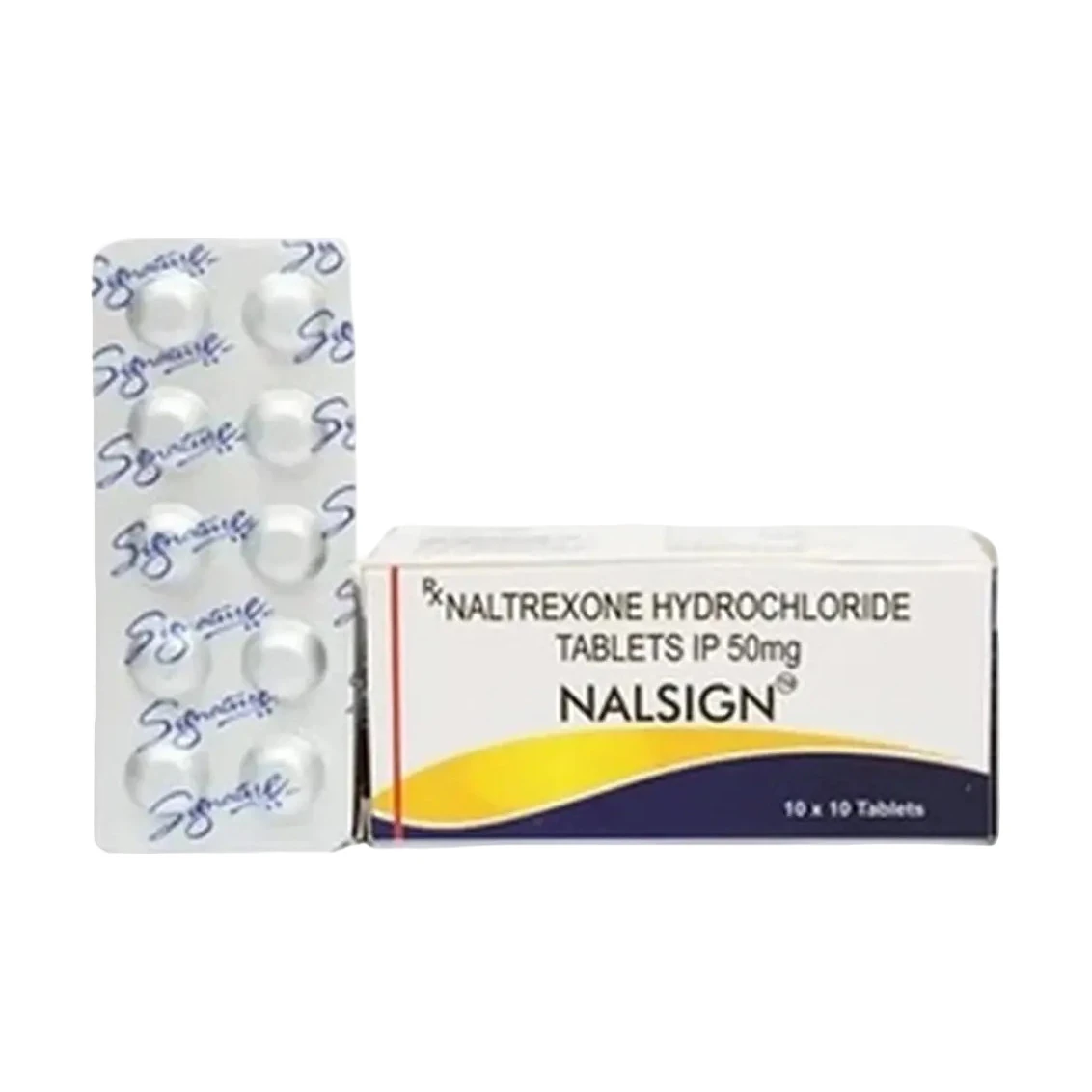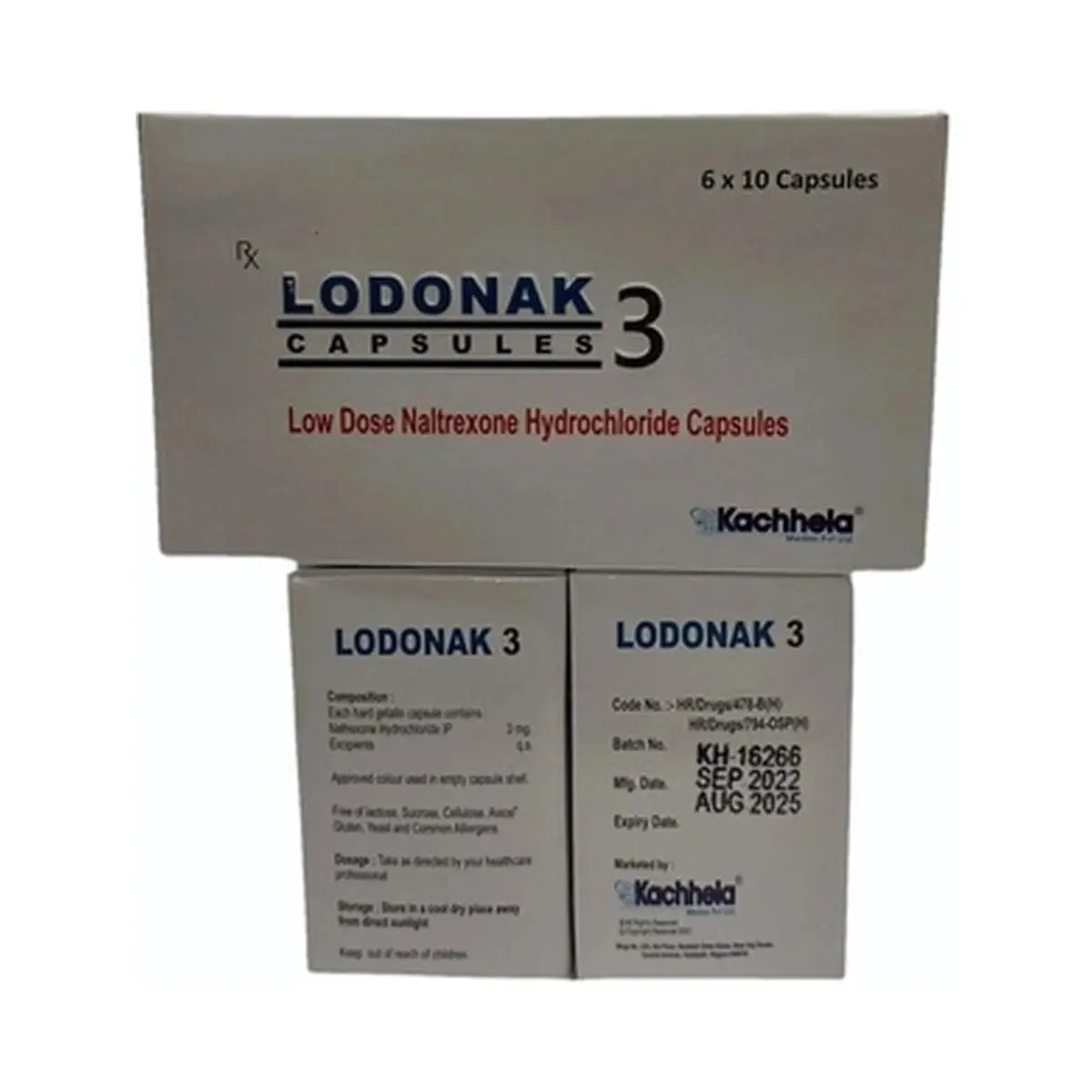
Description
Lodonak (Naltrexone) 1.5 mg
Lodonak contains naltrexone, an opioid antagonist. Naltrexone is used in the management of alcohol dependence and opioid dependence as part of a broader treatment programme. The supplied product name indicates a 1.5 mg oral tablet presentation, but established regulatory references for naltrexone tablets describe standard approved strengths differently, so this page verifies the active ingredient and medicine class rather than the brand-specific strength.
Active Ingredient and Medicine Class
Naltrexone is a competitive opioid receptor antagonist. It blocks opioid receptors, especially the mu-opioid receptor, and has no opioid agonist activity. It is not an opioid replacement medicine.
Established Medical Uses
Regulatory prescribing information for naltrexone tablets describes its use as an adjunct in the treatment of alcohol dependence and opioid dependence. For opioid dependence, treatment is only appropriate after a patient is opioid-free and in a comprehensive management plan. For alcohol dependence, it is used alongside counselling and support.
How It Works
Naltrexone reduces the effects of opioids by preventing them from binding to opioid receptors. In alcohol dependence, its benefit is thought to come from reducing the reward and reinforcement associated with drinking, which may help reduce heavy drinking and craving in some patients.
Important Safety Information
Naltrexone must not be used in people who are currently using opioids or who are in opioid withdrawal, because it can trigger precipitated withdrawal, which may be severe. Patients may be more sensitive to opioids after stopping naltrexone, increasing the risk of overdose if opioids are used again.
Important precautions include liver injury risk, depression, and reduced or blocked response to opioid-containing pain medicines, cough medicines, and antidiarrhoeal medicines. Clinically significant interactions are mainly with opioid medicines, including opioid analgesics and opioid dependence treatments such as methadone and buprenorphine.
Possible Side Effects
Commonly reported adverse effects include nausea, headache, dizziness, sleep problems, nervousness, and fatigue. More serious reactions can include liver problems, worsening mood or depression, and severe withdrawal symptoms if opioids are present in the body.
Scientific Evidence
Peer-reviewed reviews and meta-analyses support naltrexone as an established option for alcohol dependence, with evidence suggesting a modest benefit in reducing heavy drinking in some patients. Evidence for opioid dependence supports its role as an opioid blocker, but effectiveness depends strongly on adherence and inclusion in a comprehensive treatment programme.
Medical Information Notice
This is an educational summary based on sources available at the time of review and does not replace the official patient leaflet, prescribing information, or assessment by a qualified healthcare professional.
Medical Sources
- DailyMed: Naltrexone Hydrochloride Tablets, USP Opioid Antagonist
- Pettinati HM et al. “The status of naltrexone in the treatment of alcohol dependence: specific effects on heavy drinking.” Journal of Clinical Psychopharmacology (2006). PubMed article