Description
Low dose naltrexone (Naltrexone) 4.5 mg
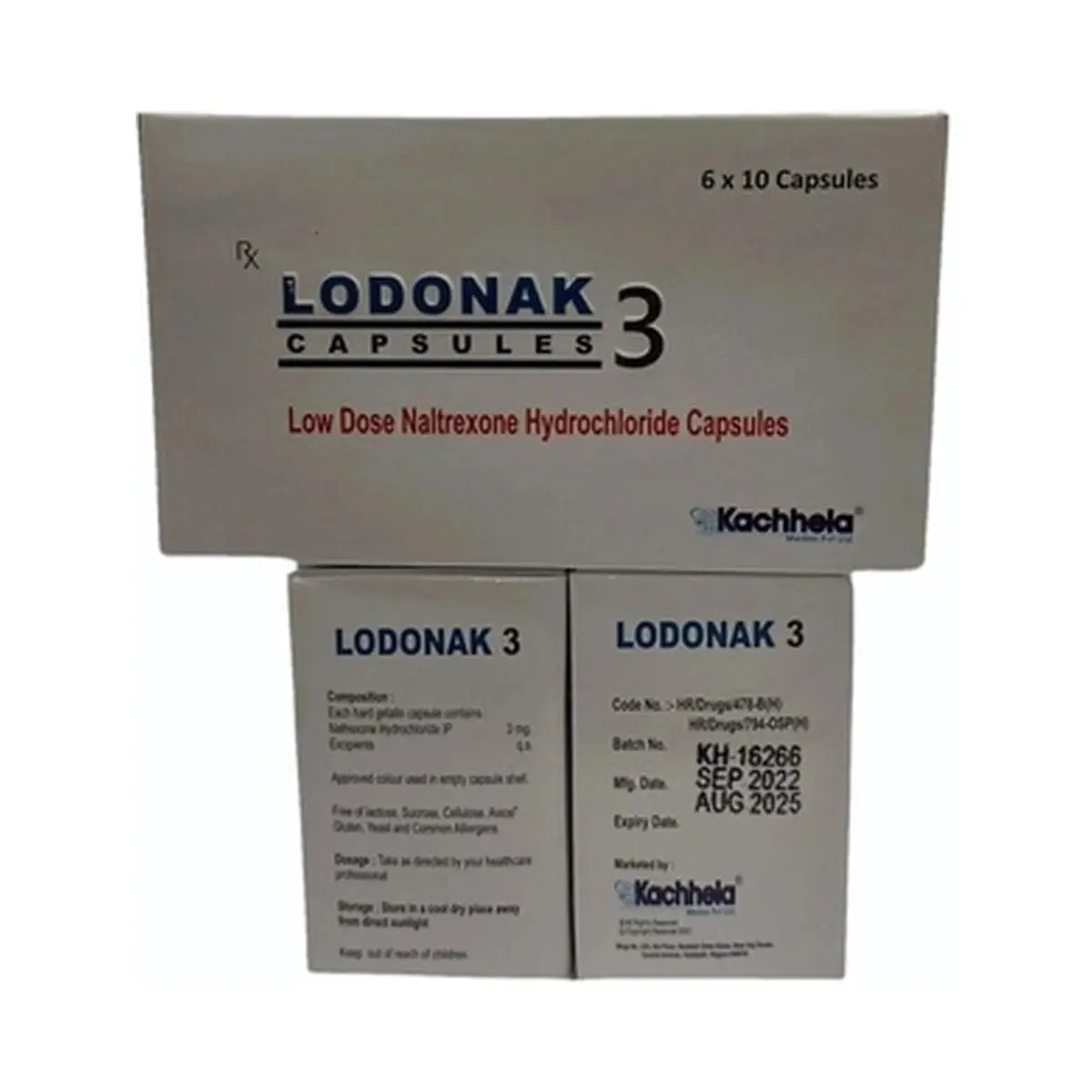
Low dose naltrexone (LDN) 4.5 mg is a low-strength oral tablet containing naltrexone. Naltrexone is an opioid receptor antagonist. The 4.5 mg product name suggests a compounded or nonstandard low-dose formulation rather than a routine registered tablet strength, so the description below focuses on naltrexone itself and the low-dose use that is reported in the medical literature.
Active Ingredient and Medicine Class
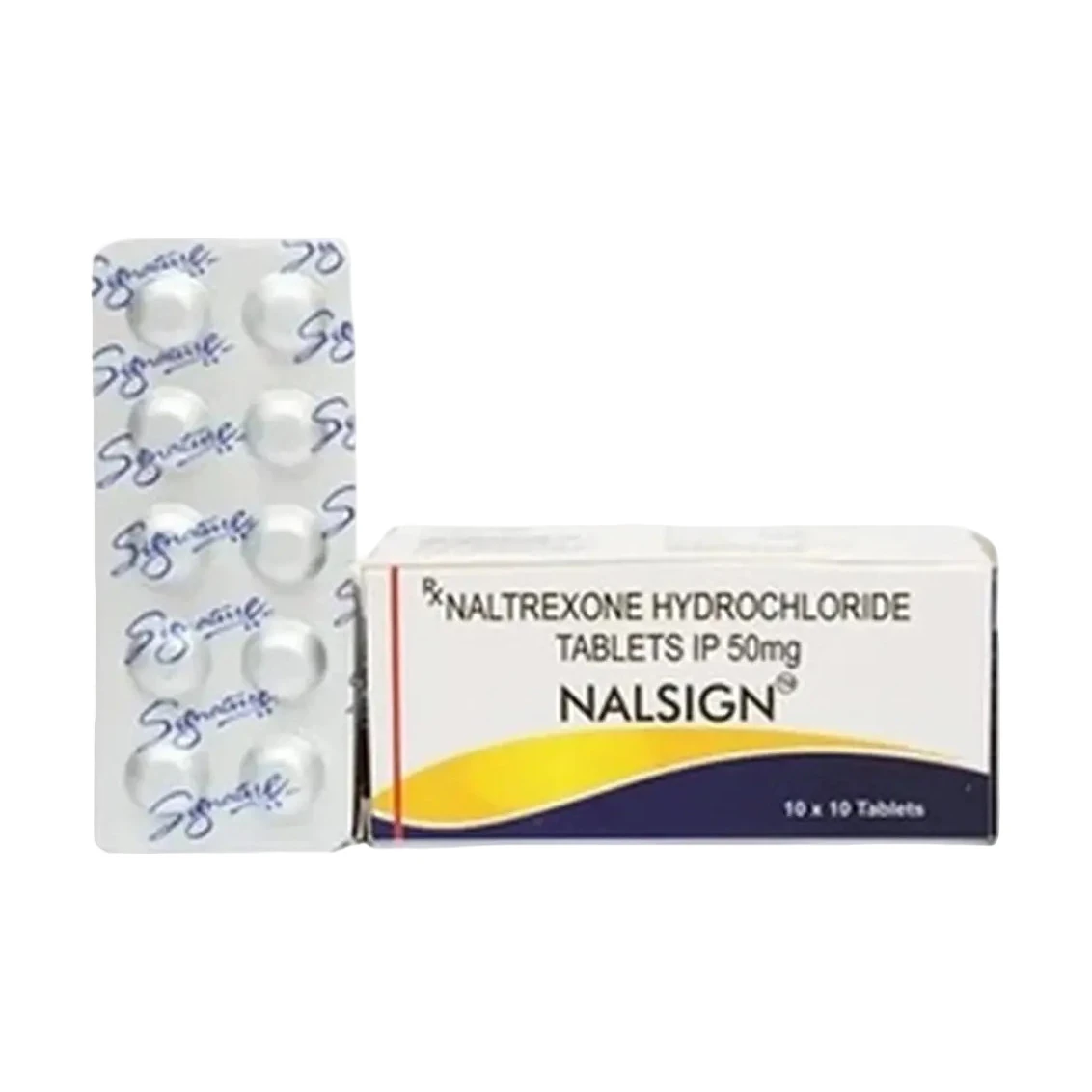
The verified active ingredient is naltrexone. It belongs to the class of opioid antagonists. Regulatory labels describe naltrexone as a competitive opioid receptor antagonist with no opioid agonist properties.
Established Medical Uses
Official prescribing information identifies naltrexone for the treatment of alcohol dependence and for the blockade of exogenously administered opioids. These are the established approved uses of standard-dose naltrexone products. Low-dose use is reported in the scientific literature mainly as an off-label approach, especially in chronic pain conditions such as fibromyalgia, but this remains an area of developing evidence rather than a broadly established indication.
How It Works
Naltrexone binds to opioid receptors and blocks the effects of opioids. In alcohol dependence, the exact mechanism is not fully understood, but the endogenous opioid system is thought to be involved. At low doses, researchers have proposed additional effects on neuroinflammation and glial cell activity, but these mechanisms are not fully established in routine clinical care.
Important Safety Information
Naltrexone is contraindicated in people receiving opioid analgesics and in patients with acute hepatitis or liver failure. Labels also warn that use in active liver disease requires careful consideration because of hepatotoxic risk. Because it blocks opioid receptors, it can interfere with opioid pain medicines and other opioid drugs, and patients may be more sensitive to opioids after treatment is stopped. Depression and suicidal thinking have also been reported and should be monitored in treated patients.
Possible Side Effects
Commonly reported adverse effects include nausea, headache, dizziness, fatigue, insomnia, anxiety, vomiting, and somnolence. Other reported reactions include abdominal pain, diarrhea, sweating, rash, abnormal thinking, mood changes, and elevations in liver enzymes or hepatitis. Serious reactions are uncommon but may include liver injury and severe psychiatric symptoms.
Scientific Evidence
Human studies of low-dose naltrexone remain limited. Systematic reviews and meta-analyses in fibromyalgia suggest possible benefit for pain and symptom severity, but the evidence base is small, heterogeneous, and not definitive. Reviews also note that many studies are small and that broader confirmation in larger placebo-controlled trials is still needed.
Medical Information Notice
This educational summary is based on sources available at the time of review and does not replace the official patient leaflet, prescribing information, or individual assessment by a qualified healthcare professional.
Medical Sources
- DailyMed, National Library of Medicine. Naltrexone Hydrochloride tablet, film coated. View source
- DailyMed, National Library of Medicine. Naltrexone Hydrochloride tablets, prescribing information. View source
- Aitcheson N, et al. Low-dose naltrexone in the treatment of fibromyalgia: A systematic review and narrative synthesis. Aust J Gen Pract. 2023. PubMed