Description
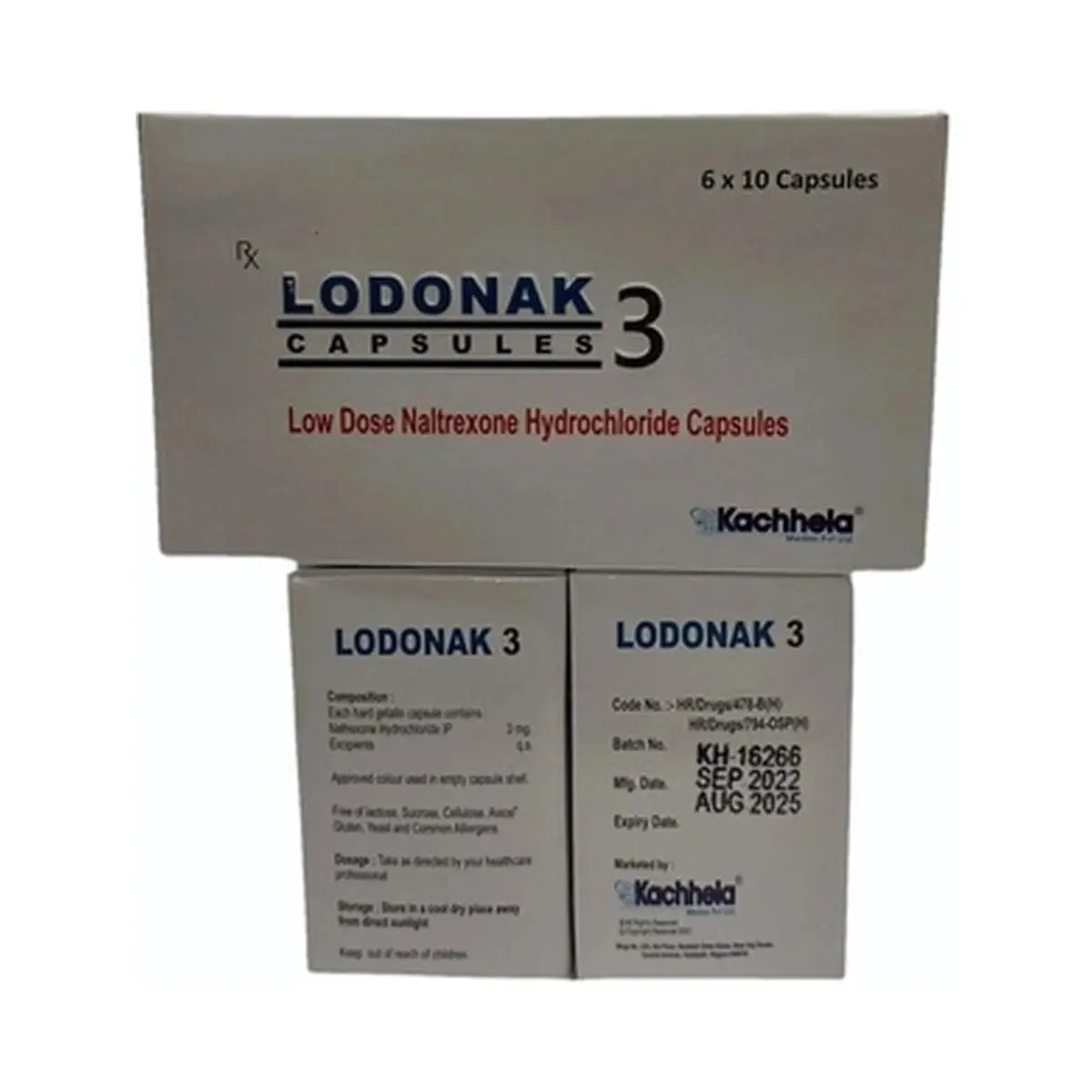
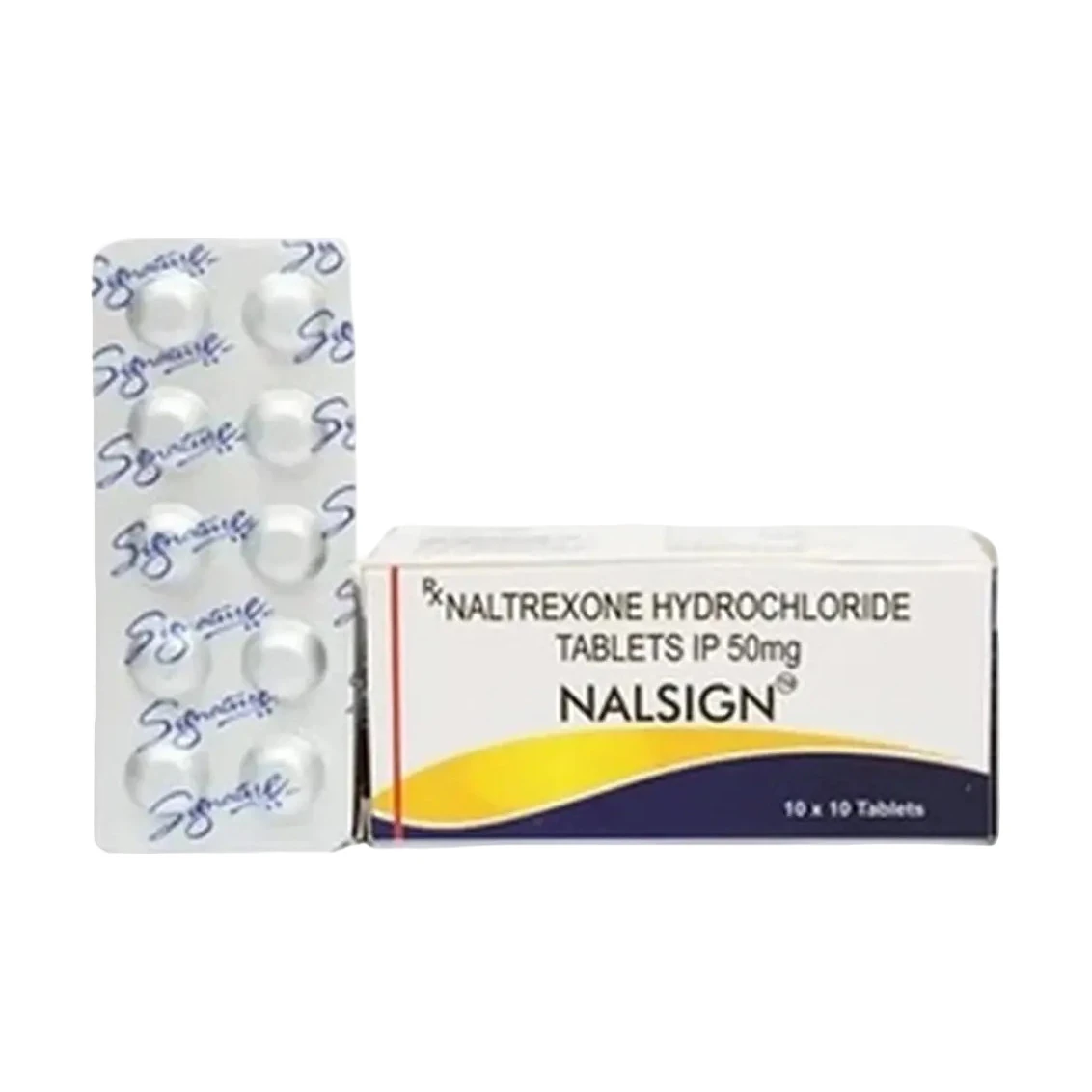
Nalsign (Naltrexone) 50 mg
Nalsign 50 mg is a naltrexone tablet. Naltrexone is an opioid receptor antagonist used in supervised treatment settings for opioid dependence and alcohol dependence. It does not contain an opioid and does not produce opioid effects.
Active Ingredient and Medicine Class
The verified active ingredient is naltrexone hydrochloride 50 mg. It belongs to the class of opioid antagonists, medicines that block opioid receptors in the body.
Established Medical Uses
Official prescribing information identifies naltrexone tablets for the treatment of alcohol dependence and for the blockade of the effects of exogenously administered opioids. Clinical reviews also describe its use in opioid and alcohol dependence programs, where benefit depends on adherence and accompanying psychosocial support.
How It Works
Naltrexone binds to opioid receptors and blocks them, which reduces the rewarding and reinforcing effects of opioids. In alcohol dependence, it is thought to reduce alcohol-related reward and craving through interaction with the brain’s endogenous opioid system.
Important Safety Information
Naltrexone is contraindicated in people with acute opioid withdrawal. Prescribing information also warns against use in patients receiving opioid agonists such as methadone or partial agonists such as buprenorphine, because it can trigger precipitated withdrawal or block opioid effects. Liver-related precautions are important, and official labels warn about hepatitis and clinically significant hepatic injury. Patients with current opioid use may be at risk if treatment is started before opioids have cleared.
Possible Side Effects
Reported adverse effects include nausea, headache, dizziness, fatigue, nervousness and sleep disturbance. More serious reactions can include opioid withdrawal symptoms, liver injury and other hypersensitivity or severe intolerance reactions.
Scientific Evidence
PubMed-indexed reviews and meta-analyses show that naltrexone has a moderate but meaningful effect in alcohol dependence, especially for reducing heavy drinking and craving, with results influenced by adherence and patient subgroup. Reviews of opioid and alcohol dependence also note that oral treatment can be limited by compliance.
Medical Information Notice
This summary is for educational use only and is based on sources available at the time of review. It does not replace the official patient leaflet, prescribing information, or assessment by a qualified healthcare professional.
Medical Sources
- DailyMed — NALTREXONE HYDROCHLORIDE tablet, film coated
- PubMed — Lara Ray et al., Naltrexone for the treatment of alcoholism: clinical findings, mechanisms of action, and pharmacogenetics, 2010