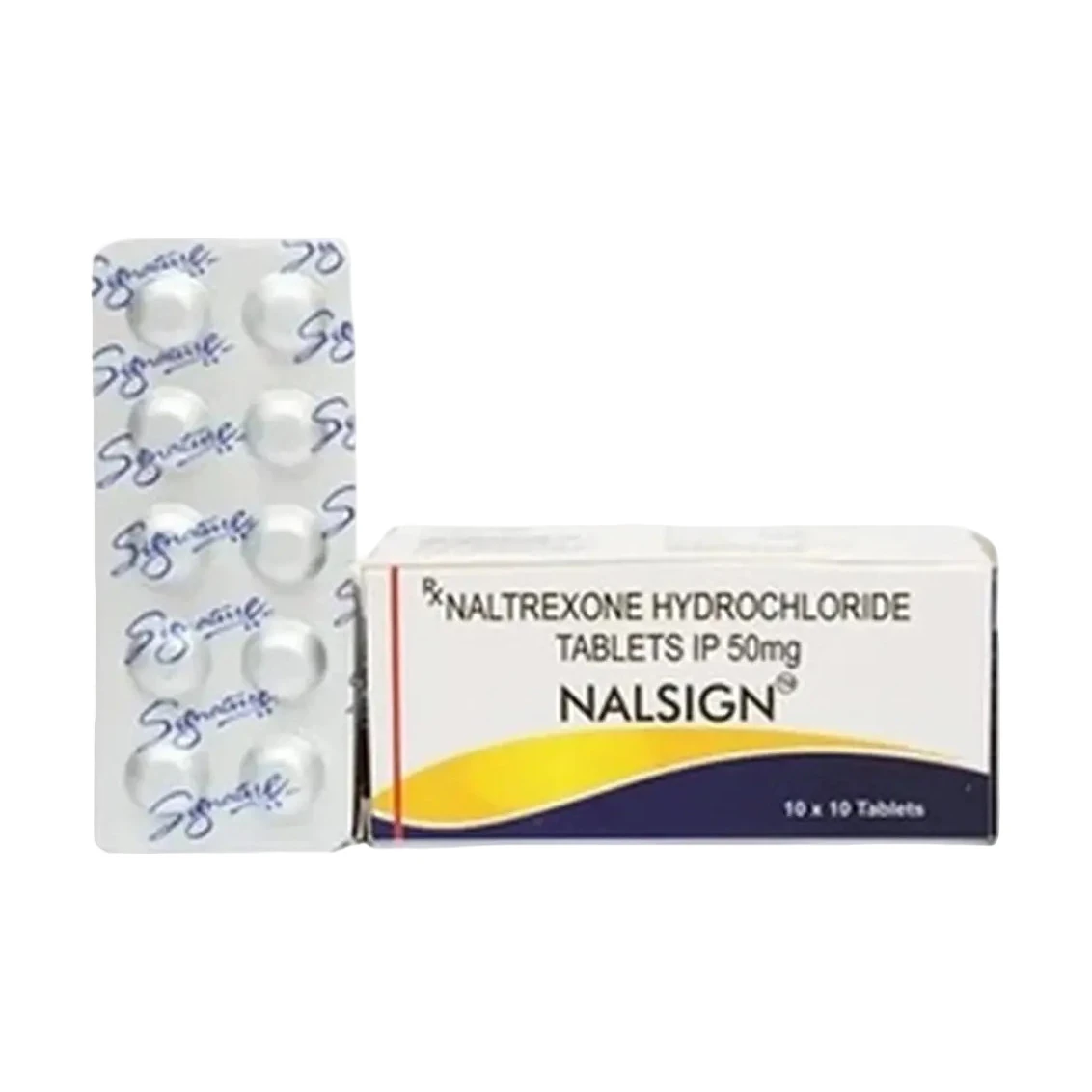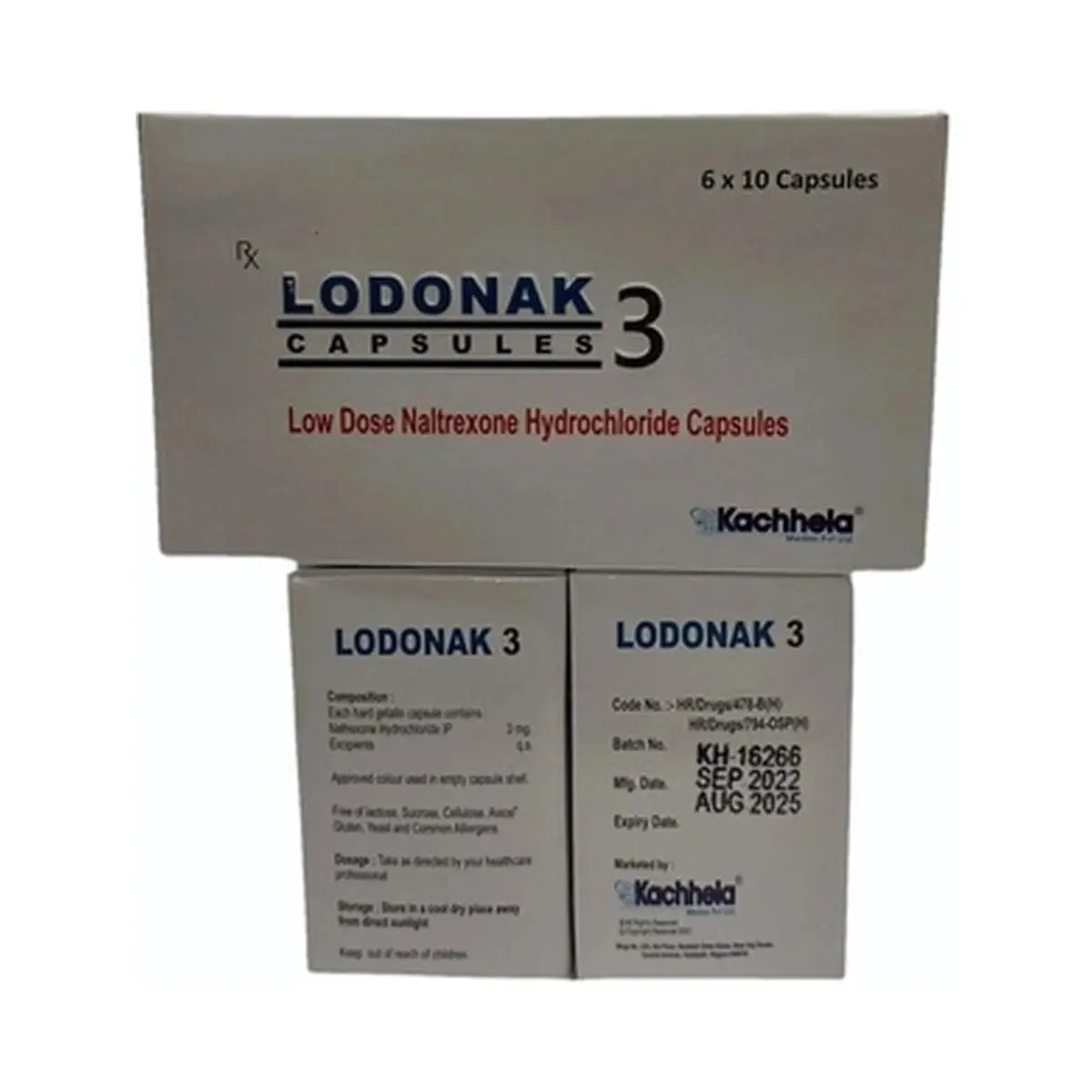
Description
Lodonak (Naltrexone) 3 mg
Lodonak is identified as a naltrexone product. Naltrexone is an opioid receptor antagonist used in the management of alcohol dependence and for blocking the effects of opioids. Oral naltrexone products are prescription medicines and require careful patient selection because they can precipitate withdrawal in people who are currently opioid-dependent.
Active Ingredient and Medicine Class
Active ingredient: naltrexone.
Medicine class: opioid receptor antagonist. It acts mainly at mu-opioid receptors and also antagonises other opioid receptors to a lesser extent.
Established Medical Uses
Official prescribing information for oral naltrexone products identifies use in alcohol dependence and in blocking the effects of exogenously administered opioids. Clinical reviews and trials support its role in reducing heavy drinking and craving in some patients with alcohol use disorder, while benefit in opioid dependence depends heavily on adherence and is generally better established for relapse prevention than for acute treatment.
How It Works
Naltrexone blocks opioid receptors, which reduces the reinforcing and rewarding effects of opioids and may lessen alcohol-related craving and heavy drinking. It does not treat withdrawal itself; rather, it helps prevent the effects of opioid exposure and supports relapse prevention in selected patients.
Important Safety Information
Naltrexone must not be started in patients who are currently using opioids or are not fully opioid-free, because it can trigger acute withdrawal that may be severe. Prescribing information also warns about liver injury and recommends caution in patients with hepatic impairment; renal caution is also advised. Because naltrexone blocks opioid effects, patients may have reduced response to opioid analgesics and may be at increased risk if they later try to override the blockade.
Clinically important interactions involve all opioid medicines, including opioid pain medicines and opioid-containing cough or diarrhoea products; tramadol is also specifically mentioned in prescribing information.
Possible Side Effects
Common adverse effects reported with oral naltrexone include nausea, headache, dizziness, nervousness, fatigue, insomnia, vomiting, anxiety, somnolence, and abdominal discomfort. Less common but important reactions include liver-related injury, opioid withdrawal-like symptoms, and allergic reactions.
Scientific Evidence
Peer-reviewed reviews and meta-analyses show that naltrexone has a moderate benefit in alcohol dependence, particularly for reducing heavy drinking and craving, while outcomes in opioid dependence are strongly influenced by adherence. Oral therapy can be limited by discontinuation, which is why some studies have explored longer-acting formulations.
Medical Information Notice
This summary is an educational overview based on sources available at the time of review and does not replace the official patient leaflet or individual assessment by a qualified healthcare professional.
Medical Sources
- DailyMed: Naltrexone Hydrochloride tablet, film coated. View source
- O’Malley SS, Froehlich JC, et al. Naltrexone for the treatment of alcoholism: clinical findings, mechanisms of action, and pharmacogenetics. Neuropsychopharmacology. 2010. PubMed