Description
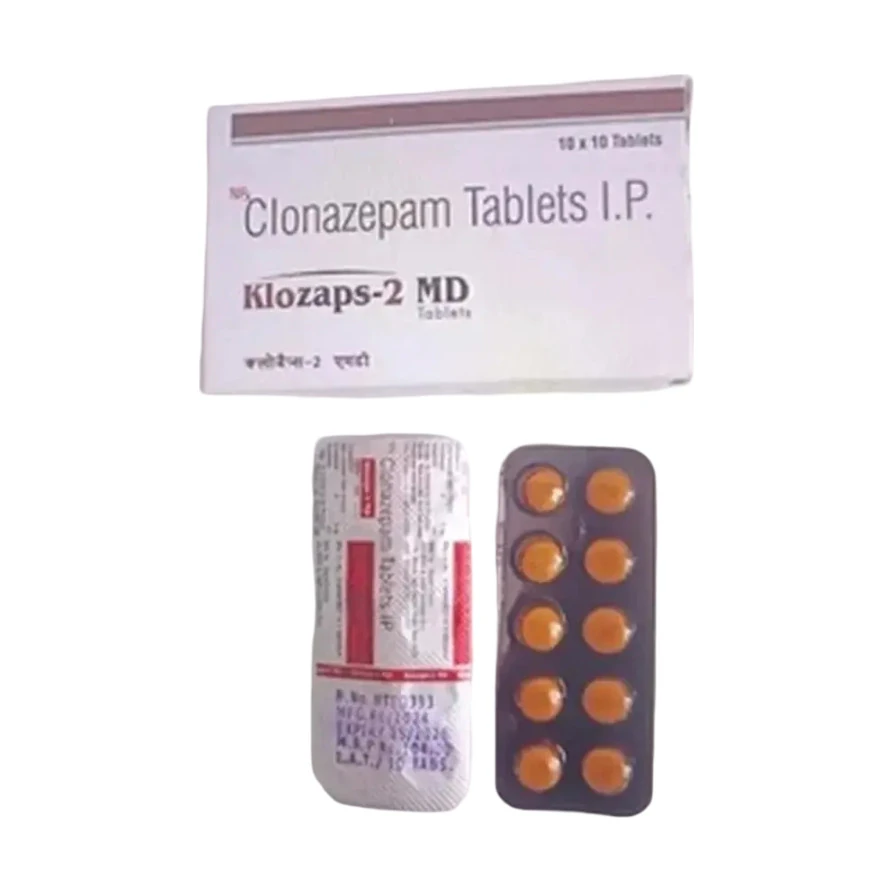
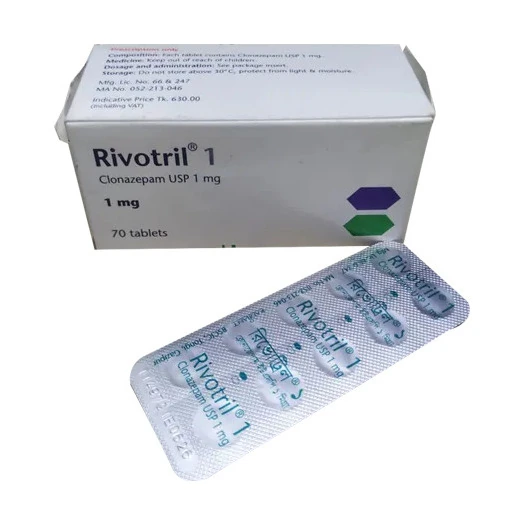
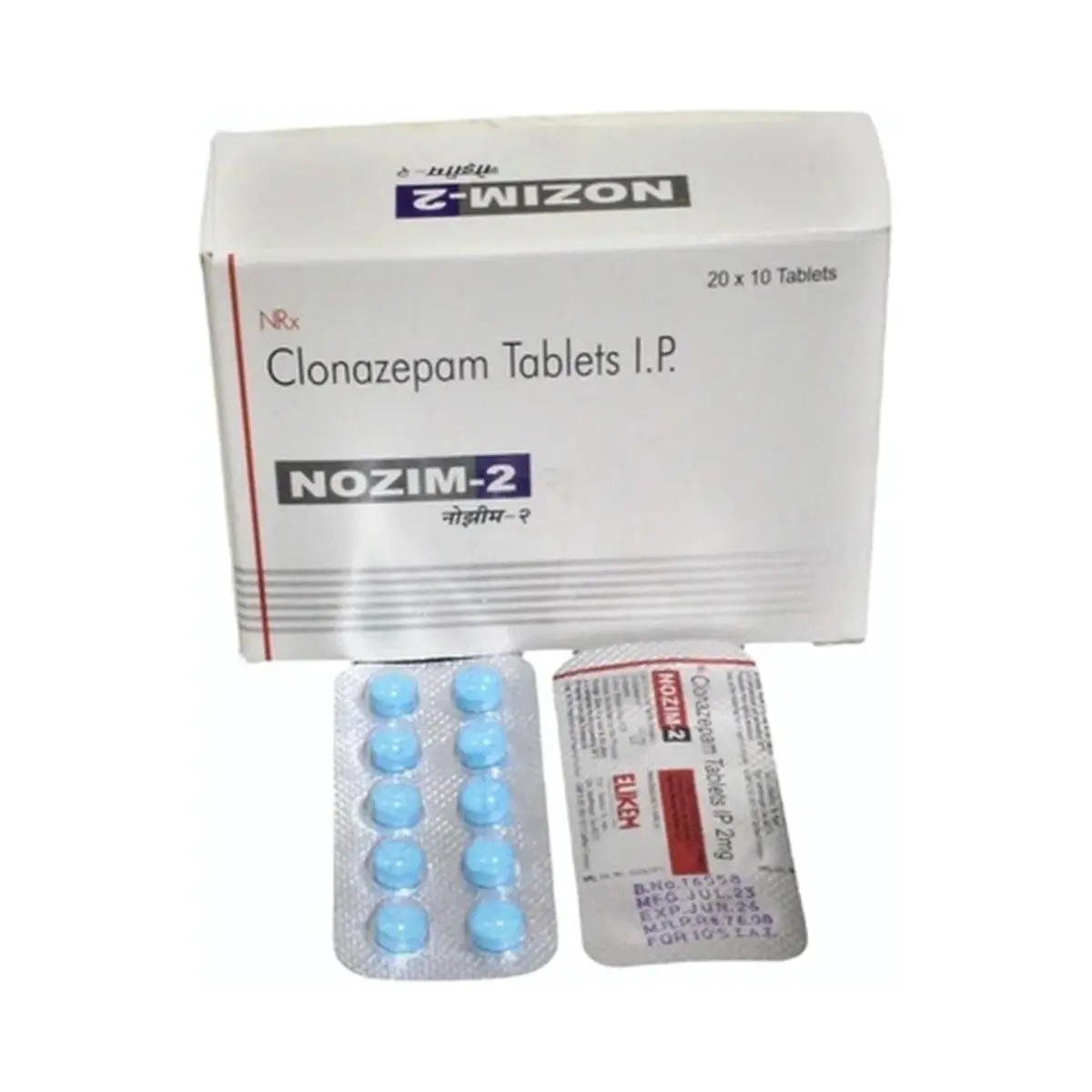
Nozim (Clonazepam) 2 mg
Nozim 2 mg is a clonazepam tablet, a prescription benzodiazepine medicine. Clonazepam is used as an anticonvulsant and is also indicated for certain panic disorder presentations in adults. The information below is a general medical summary of the verified active ingredient and its established use profile.
Active Ingredient and Medicine Class
The active ingredient is clonazepam. It belongs to the benzodiazepine class of medicines. Benzodiazepines act on the central nervous system and have anticonvulsant, anxiolytic, sedative, and muscle-relaxant properties. Clonazepam is considered a high-potency benzodiazepine.
Established Medical Uses
Clonazepam tablets are established for use in certain seizure disorders, including Lennox-Gastaut syndrome, akinetic seizures, myoclonic seizures, and some absence seizures that have not responded adequately to other therapy. In adults, clonazepam is also established for the treatment of panic disorder, with or without agoraphobia.
Because the benefits and risks of benzodiazepines can vary by patient and clinical context, the medicine should be used only under professional supervision and in line with the approved product information for the specific market.
How It Works
Clonazepam enhances the effect of gamma-aminobutyric acid, or GABA, the main inhibitory neurotransmitter in the brain. By strengthening GABA-mediated inhibition, it helps reduce excessive neuronal activity that can contribute to seizures and may also lessen panic symptoms. This central nervous system action also explains many of its sedative and coordination-related effects.
Important Safety Information
Clonazepam is contraindicated in people with a history of hypersensitivity to benzodiazepines, in those with significant liver disease, and in those with acute narrow-angle glaucoma. It should be used with particular caution in people with respiratory compromise, such as sleep apnoea or chronic lung disease, and in those with porphyria.
Clinically significant interactions can occur with opioids, alcohol, and other central nervous system depressants, which may increase the risk of profound sedation, respiratory depression, coma, and death. The medicine also carries important warnings about abuse, misuse, dependence, and withdrawal. Stopping or reducing clonazepam too quickly can trigger withdrawal symptoms, including severe reactions and seizures. Caution is also warranted in pregnancy, breastfeeding, older adults, and in people with a history of substance use disorder.
Possible Side Effects
Common adverse effects include drowsiness, sedation, dizziness, fatigue, unsteadiness, impaired coordination, and slowed thinking. In seizure-treatment populations, somnolence and ataxia have been reported frequently. Some people may experience mood changes, irritability, confusion, blurred vision, or gastrointestinal symptoms.
Serious reactions can include respiratory depression, marked oversedation, paradoxical agitation, worsening depression, suicidal thoughts or behaviour, dependence, withdrawal symptoms, and overdose, particularly when combined with alcohol, opioids, or other sedating drugs.
Scientific Evidence
Clinical studies and reviews support clonazepam’s established role in seizure disorders and short-term panic disorder treatment. Evidence from controlled panic-disorder trials showed reductions in panic attacks and symptom severity compared with placebo, although long-term controlled data are more limited. Review literature also highlights the risk of misuse and the need for cautious, supervised use because prolonged exposure can lead to tolerance and dependence.
Medical Information Notice
This page is an educational summary based on sources available at the time of review. It does not replace the official patient leaflet, the full prescribing information, or individual assessment by a qualified healthcare professional.
Medical Sources
- U.S. Food and Drug Administration KLONOPIN Tablets (clonazepam) prescribing information. View official prescribing information
- DailyMed / National Library of Medicine Clonazepam tablet label. View official medicine label
- Vinícius Dokkedal-Silva et al. Clonazepam: Indications, Side Effects, and Potential for Nonmedical Use. Harvard Review of Psychiatry, 2019. View scientific article
- Antonio E Nardi et al. Clonazepam for the treatment of panic disorder. Current Drug Targets, 2013. View scientific article