Description
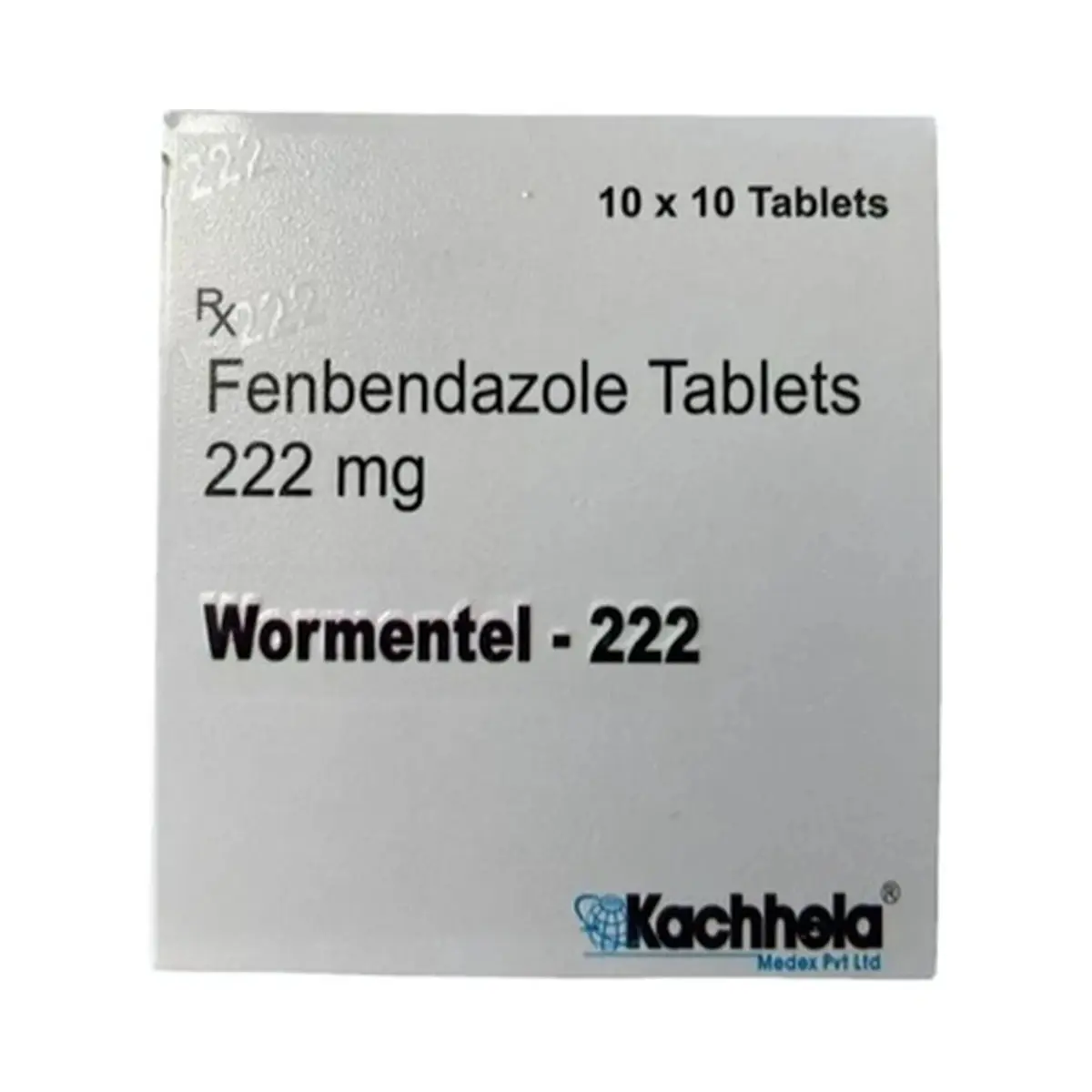
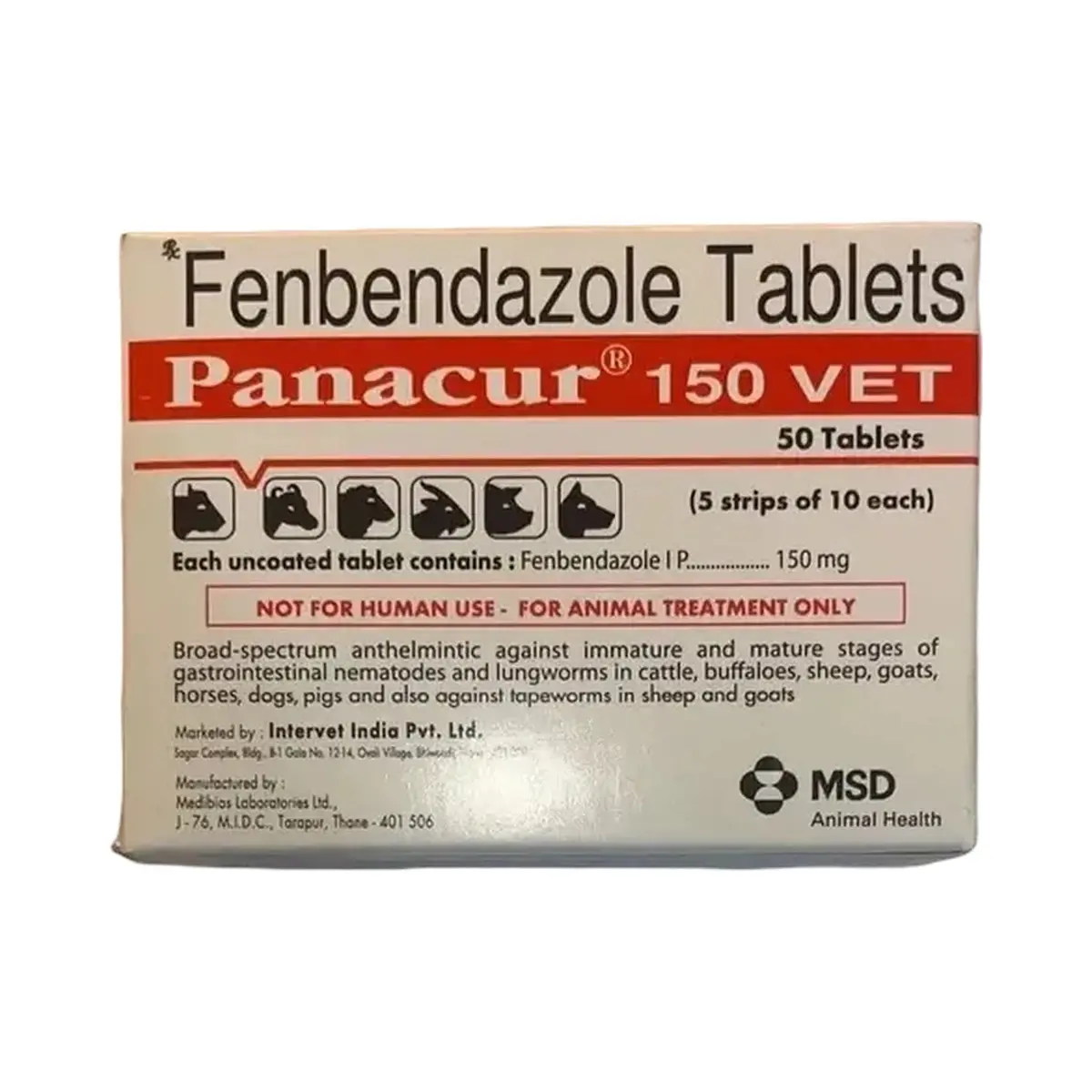
Panacur (Fenbendazole) 150 mg
Panacur is a veterinary fenbendazole product. Fenbendazole is a benzimidazole anthelmintic used in animals to control susceptible parasitic worms. The exact authorised use depends on the specific product label, species and country of registration.
Active Ingredient and Medicine Class
The verified active ingredient is fenbendazole. It belongs to the benzimidazole anthelmintic class, a group of antiparasitic medicines used against many gastrointestinal nematodes and some other helminths in veterinary medicine.
Established Medical Uses
Fenbendazole products are established veterinary medicines for the treatment and control of susceptible gastrointestinal parasitic worms. Depending on the authorised formulation, labelled uses may include worms in dogs, cats, horses, cattle, sheep, goats or other animal species. The precise parasite spectrum varies by product and should be taken from the official label for the specific presentation.
How It Works
Fenbendazole acts on parasite microtubules by binding to tubulin, a structural protein needed for cell division and other essential functions. Disruption of microtubule formation impairs parasite metabolism and survival, leading to death of susceptible worms.
Important Safety Information
Important safety details depend on the exact veterinary label and target species. Fenbendazole should be used according to species-specific authorised information, because off-label use or prolonged exposure may increase risk. Regulatory safety notices have reported bone marrow suppression, including pancytopenia, in dogs after extra-label use. As with other benzimidazole anthelmintics, resistance can occur in parasites, so reduced response does not necessarily mean the product is ineffective in all settings.
Clinically significant interactions are not always listed consistently across all fenbendazole products, but any concurrent medicines, especially other antiparasitics or treatments affecting liver function or blood cell production, should be assessed by a veterinary professional using the relevant product information.
Possible Side Effects
Fenbendazole is generally considered a well-established veterinary anthelmintic, but adverse effects can occur. Reported reactions include gastrointestinal upset and, in some animals, abnormal blood findings. Regulatory reports have also described serious bone marrow toxicity in dogs with extra-label use. Scientific literature has additionally described liver injury associated with fenbendazole exposure outside approved veterinary use.
Scientific Evidence
Published veterinary and parasitology studies support fenbendazole’s antiparasitic activity and its interaction with parasite tubulin. These studies explain its microtubule-targeting mechanism and help account for its broad anthelmintic effect. More recent scientific reports and pharmacovigilance data also highlight that misuse or prolonged extra-label exposure may carry clinically important safety risks, including hepatic injury and hematologic toxicity.
Medical Information Notice
This page is an educational summary based on sources available at the time of review. It does not replace the official product leaflet, veterinary prescribing information, or an individual professional assessment.
Medical Sources
- U.S. Food and Drug Administration. Panacur (fenbendazole) official label in DailyMed
- U.S. Food and Drug Administration. Dear Veterinarian Letter: adverse events associated with extra-label fenbendazole use in dogs
- G W Lubega and R K Prichard. Interaction of benzimidazole anthelmintics with Haemonchus contortus tubulin: binding affinity and anthelmintic efficacy. Experimental Parasitology, 1991. View scientific article
- Nilambra Dogra et al.. Fenbendazole acts as a moderate microtubule destabilizing agent and causes cancer cell death by modulating multiple cellular pathways. Scientific Reports, 2018. View scientific article