Description
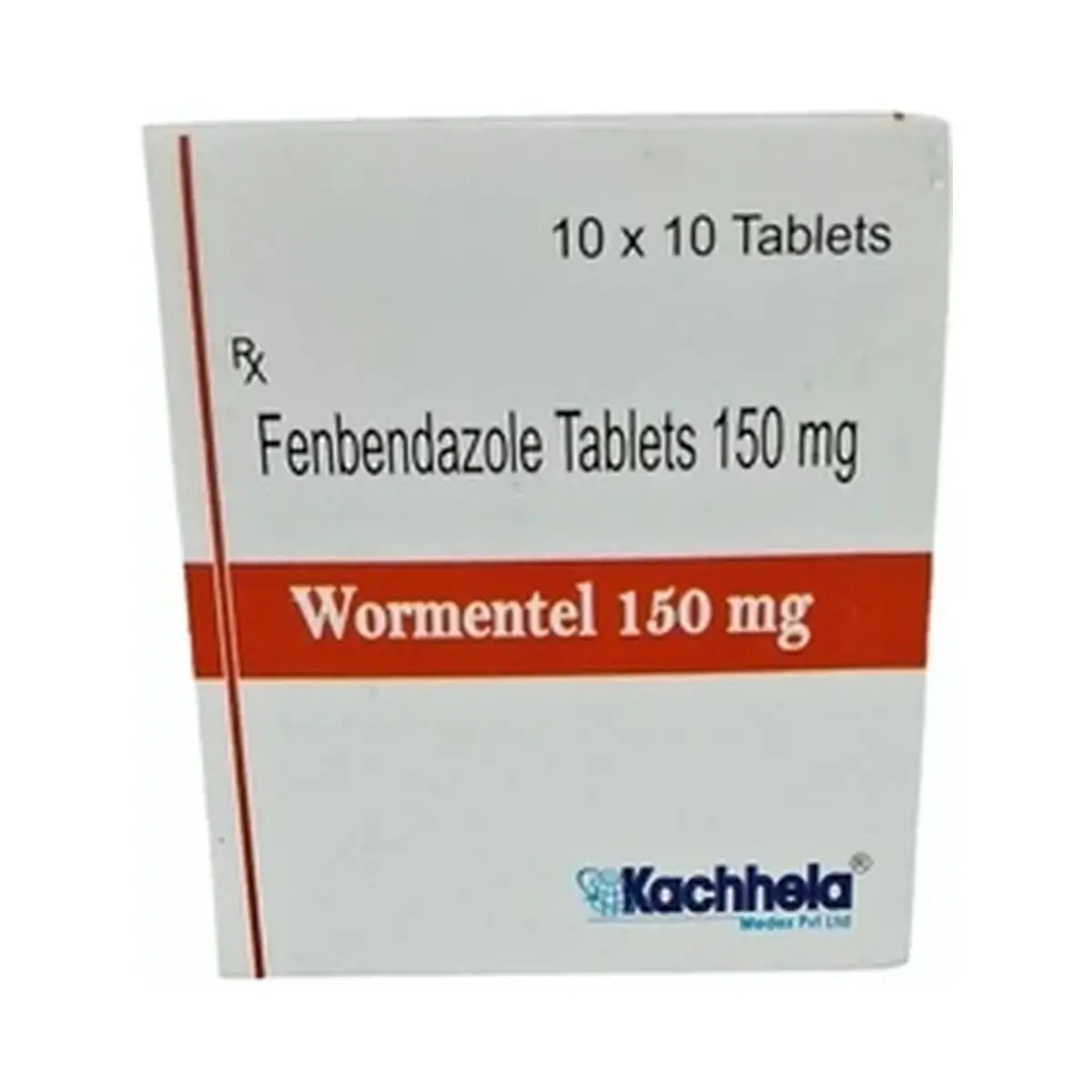
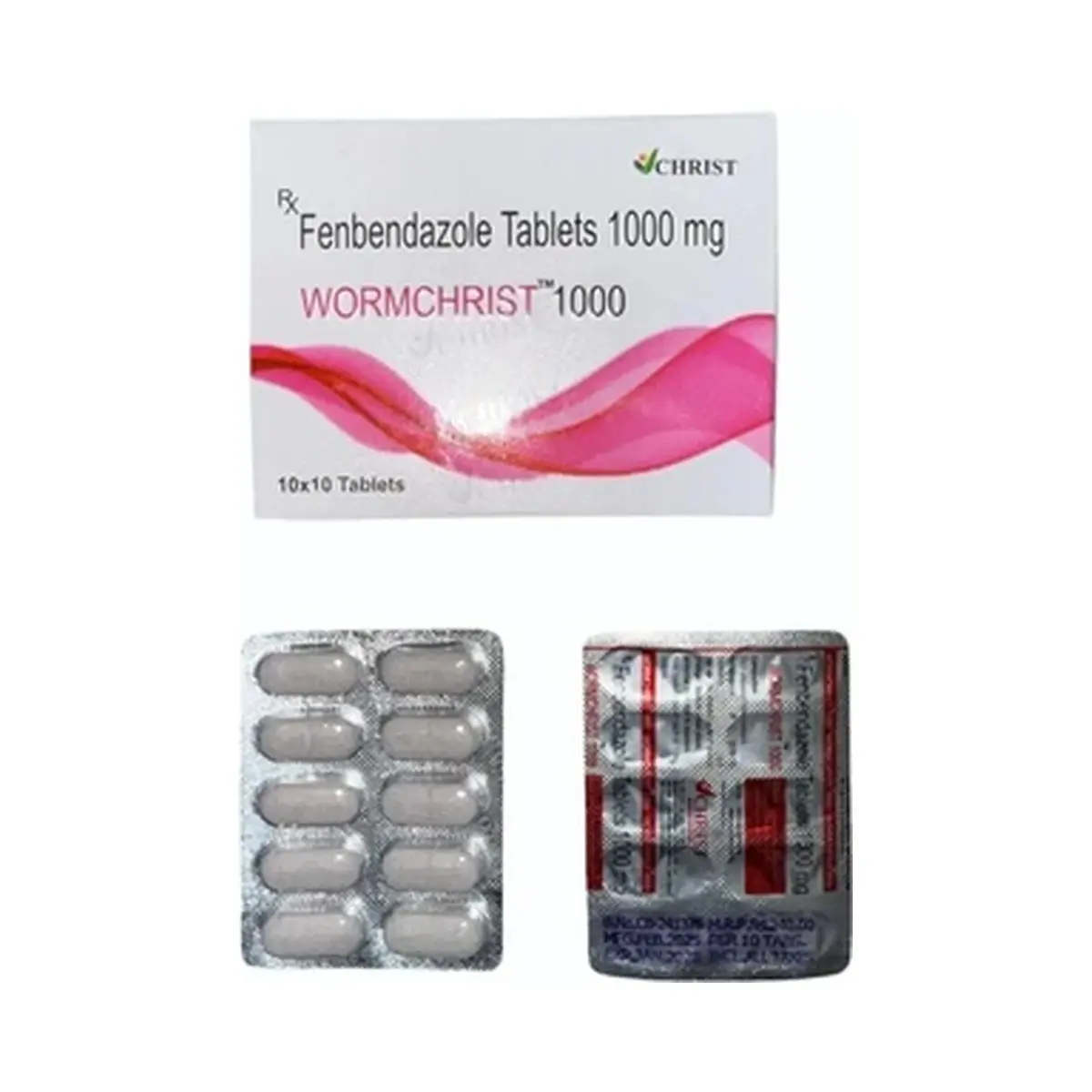
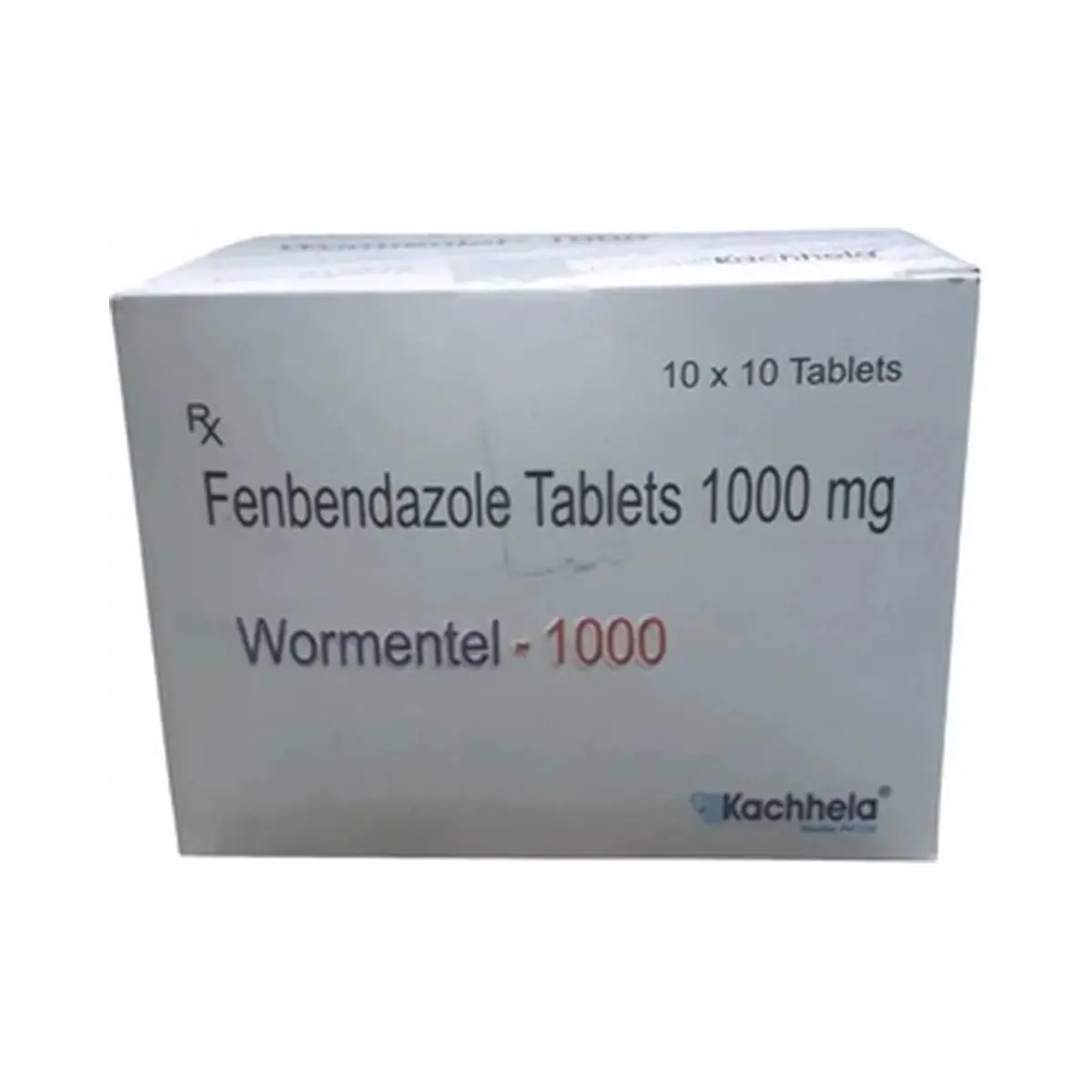
Wormentel (Fenbendazole) 1000 mg
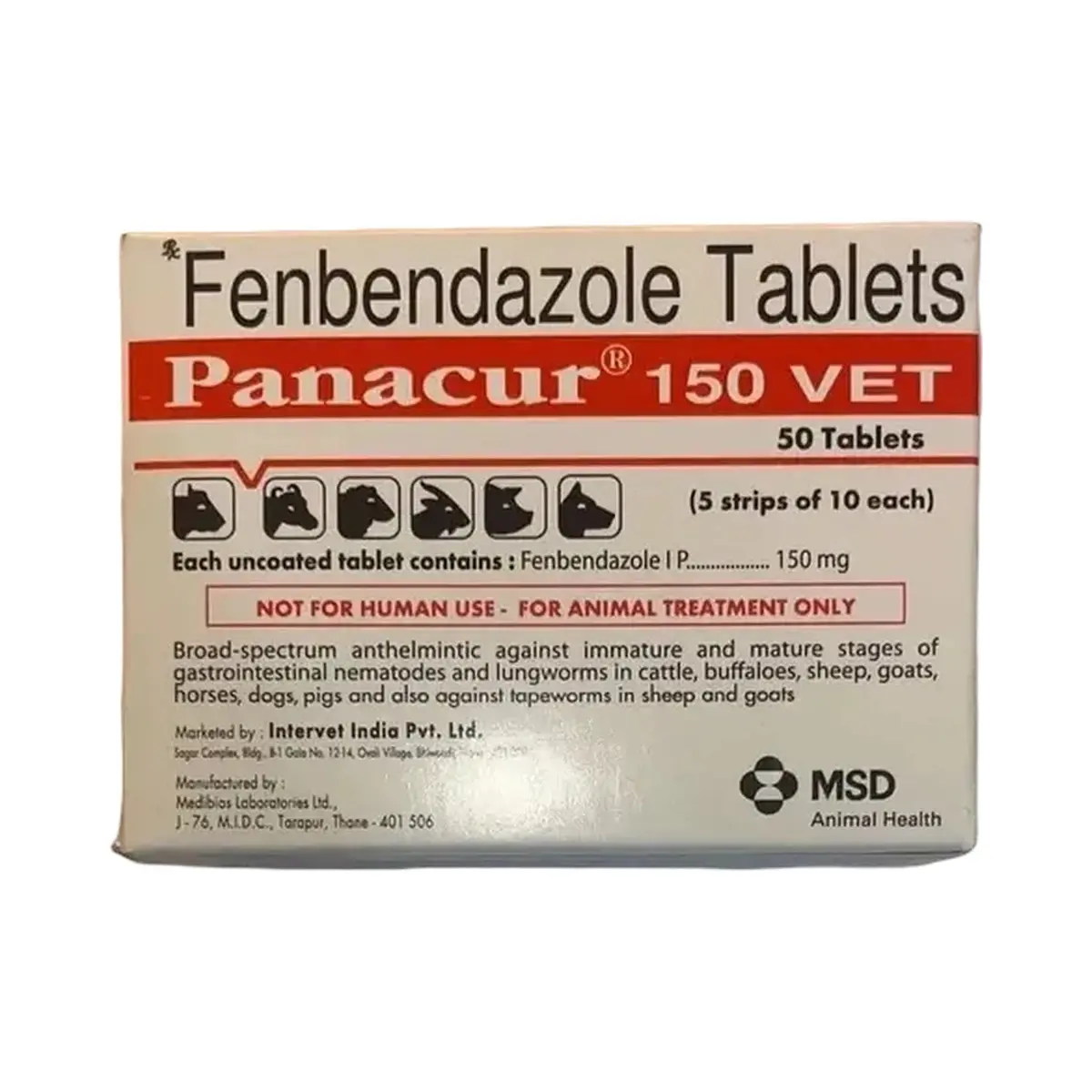
Wormentel is presented as a veterinary anthelmintic medicine containing fenbendazole. Fenbendazole is a well-established antiparasitic agent used in animals, particularly for intestinal worm infections, and its exact authorised use depends on the species and the specific product label.
Active Ingredient and Medicine Class
The verified active ingredient is fenbendazole, a benzimidazole anthelmintic. Medicines in this class are used to treat parasitic worms by interfering with parasite microtubule function, which disrupts essential cellular processes and energy metabolism in susceptible helminths.
Established Medical Uses
Fenbendazole is used in veterinary medicine for the treatment and control of certain gastrointestinal parasitic infections. Authorised uses vary by product and species, but labelled veterinary indications commonly include roundworms, hookworms, whipworms and some tapeworm species in dogs, and other nematode infections in different animals. Some veterinary products also include activity against giardiasis in dogs or calves, depending on the approved indication. The precise indication for any specific tablet product should be confirmed from its official veterinary label.
How It Works
Fenbendazole acts by binding parasite tubulin and preventing the formation of microtubules. This interferes with nutrient uptake and other vital functions in the parasite, leading to loss of viability and elimination of susceptible worms. It has greater activity against parasitic tubulin than mammalian tubulin, which helps explain its selective action in veterinary use.
Important Safety Information
Safety information depends on the animal species, health status and the exact product licence. For labelled canine products, fenbendazole is generally not associated with a known formal contraindication, but sick animals should be assessed by a veterinarian before treatment. Official sources also note that fenbendazole should not be mixed with other veterinary medicines unless compatibility is known. Important cautions include the possibility of treatment failure where parasites are resistant, and the need to use only species-appropriate veterinary products.
Clinically significant concerns have been reported with extra-label or prolonged use in dogs, including bone marrow hypoplasia and pancytopenia. Fenbendazole may also interact with the management of parasitic disease through reinfection or incomplete environmental control, so parasite control often requires a broader veterinary plan rather than medicine alone.
Possible Side Effects
Commonly reported adverse effects are usually mild and may include vomiting or gastrointestinal upset. Most veterinary labels describe fenbendazole as well tolerated when used as directed. However, serious adverse reactions have been reported, especially with longer-than-labelled use or extra-label administration, including reduced blood cell production and pancytopenia in dogs. Any unexpected weakness, bleeding tendency, severe lethargy or persistent vomiting after treatment should be treated as potentially serious in an animal.
Scientific Evidence
Published veterinary studies support fenbendazole’s effectiveness against several parasite infections in animals. Clinical trials in dogs found it effective for giardiasis, and studies in calves showed elimination of Giardia cysts and improvement in related clinical outcomes. Review literature also supports its long-standing role as a broad veterinary anthelmintic, while regulatory communications emphasise that adverse hematologic events can occur when it is used beyond labelled durations.
Medical Information Notice
This summary is for educational purposes only and is based on sources available at the time of review. It does not replace the official product leaflet, the authorised veterinary prescribing information, or assessment by a qualified veterinary professional.
Medical Sources
- U.S. Food and Drug Administration. Dear Veterinarian Letter regarding adverse events associated with extra-label use of fenbendazole in dogs
- DailyMed / FDA Label. SAFE-GUARD fenbendazole granule label
- Veterinary Medicines Directorate, UK. Fenbendazole veterinary product SPC
- Barr SC et al. Efficacy of fenbendazole against giardiasis in dogs. American Journal of Veterinary Research, 1994. View scientific article
- O’Handley RM et al. Giardiasis in dairy calves: effects of fenbendazole treatment on intestinal structure and function. International Journal for Parasitology, 2001. View scientific article