Description
Pink storm (Tadalafil + Dapoxetine) 60 mg/60 mg – 10 tablets
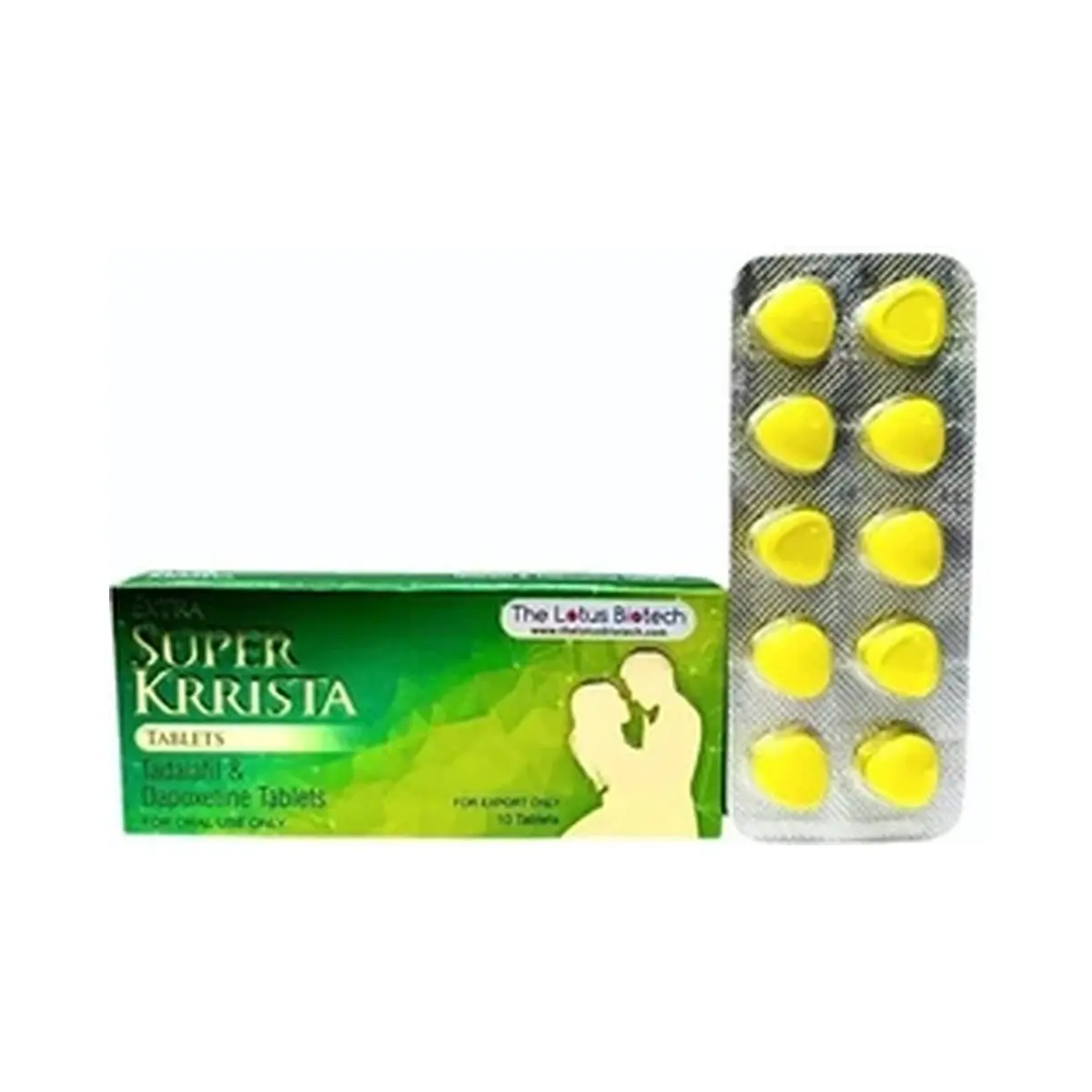
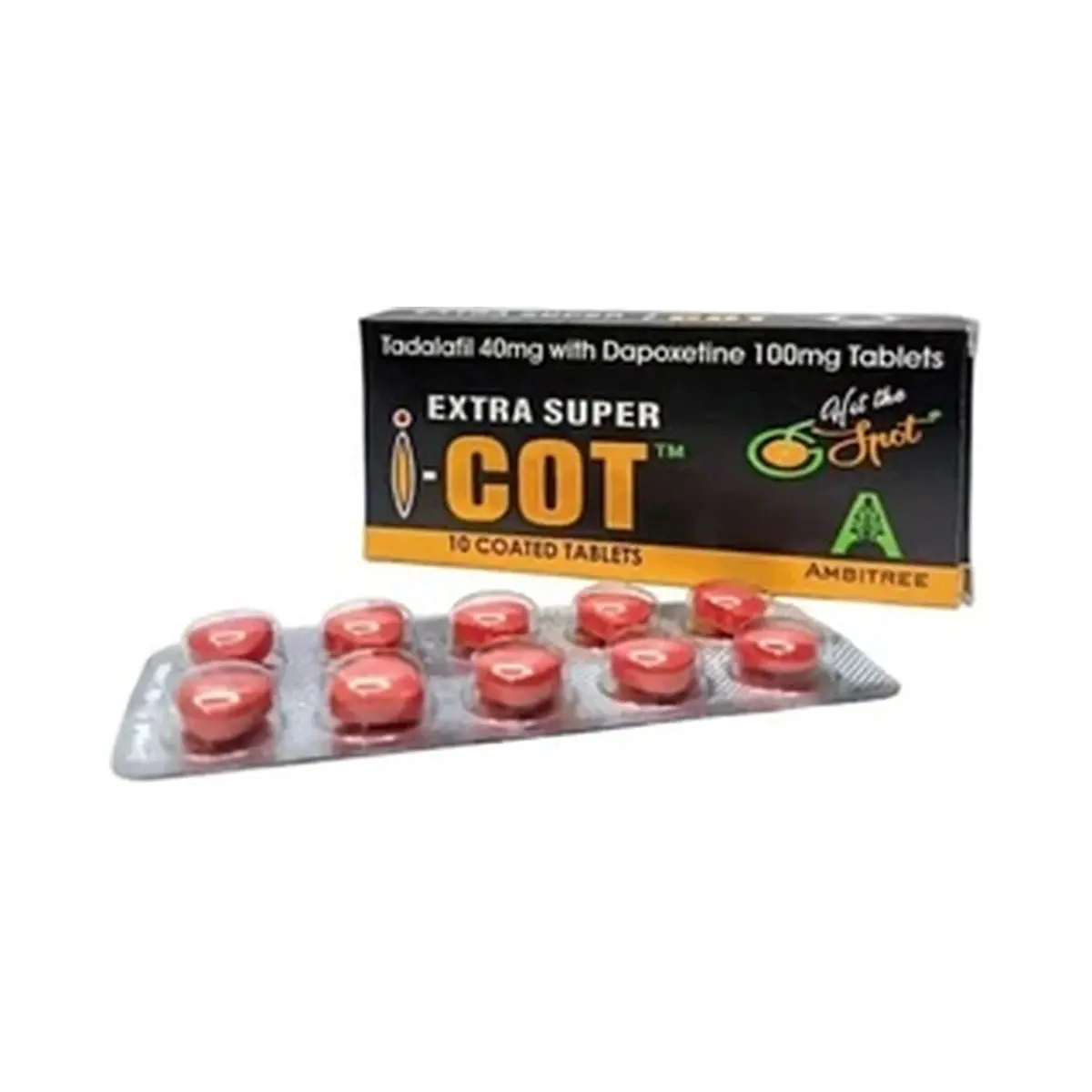
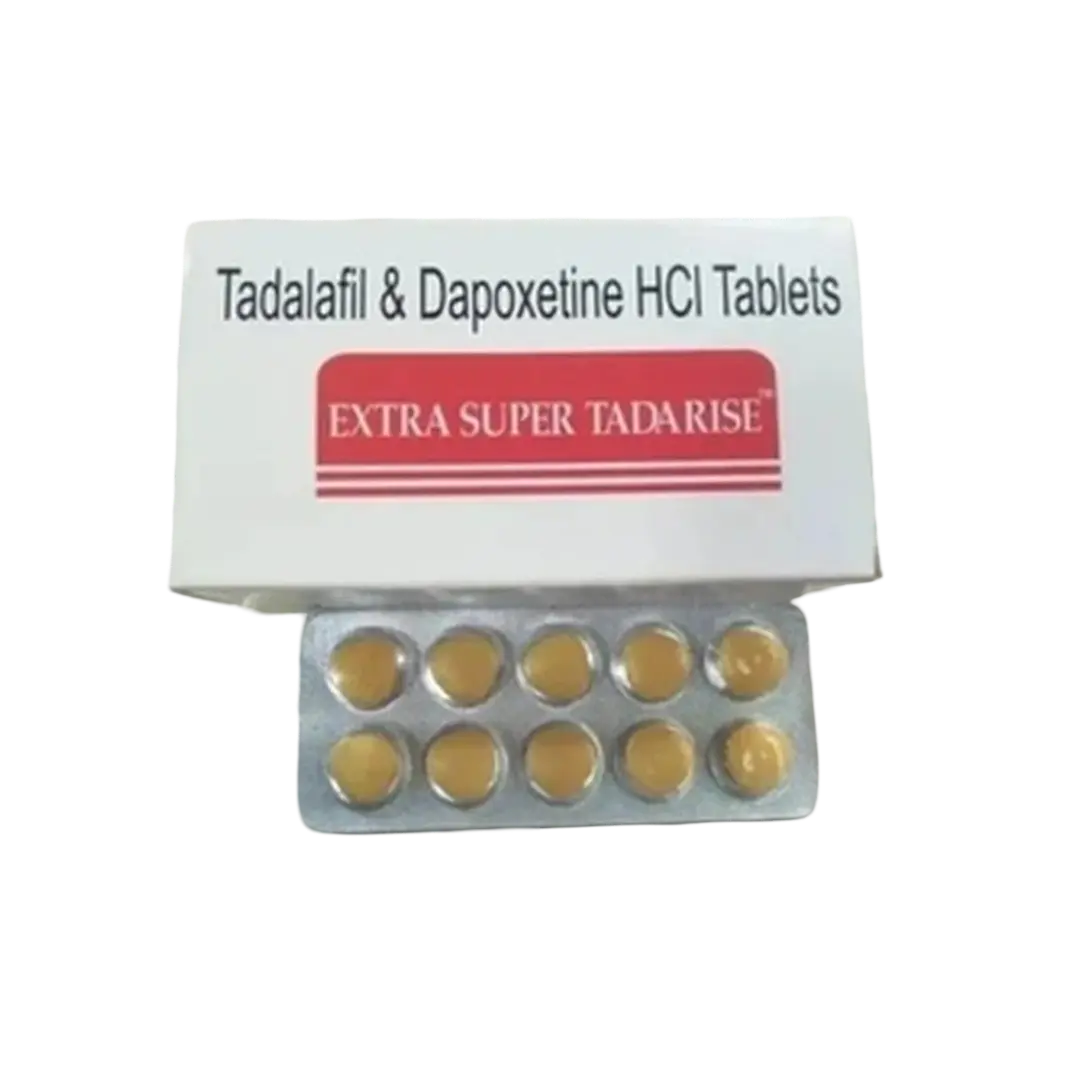
Pink storm is a combination product identified as containing tadalafil and dapoxetine. The available evidence supports the individual components tadalafil and dapoxetine as medicines used in male sexual health, but the fixed-dose combination itself is not established by the official sources reviewed as a standard authorised product. Dapoxetine is an SSRI used for premature ejaculation, while tadalafil is a PDE5 inhibitor used for erectile dysfunction and certain other approved indications depending on the country.
Active Ingredient and Medicine Class
Dapoxetine is a selective serotonin reuptake inhibitor (SSRI). It is specifically developed for on-demand treatment of premature ejaculation. Tadalafil is a phosphodiesterase type 5 (PDE5) inhibitor. It relaxes smooth muscle by enhancing nitric oxide–cGMP signalling and is used for erectile dysfunction and other approved indications in some jurisdictions.
Established Medical Uses
Official European Medicines Agency information states that dapoxetine is used to treat premature ejaculation in men aged 18 to 64 years. Tadalafil has approved uses that include erectile dysfunction, and in some markets pulmonary arterial hypertension and benign prostatic hyperplasia-related indications, but those uses depend on the exact product and jurisdiction. No official source reviewed here confirms this exact fixed-dose combination as an authorised medicine for premature ejaculation.
How It Works
Dapoxetine increases serotonin signalling in the nervous system by blocking serotonin reuptake, which can delay ejaculation. Tadalafil increases blood flow by inhibiting PDE5, which supports erectile response to sexual stimulation. A small clinical study found no relevant pharmacokinetic interaction between dapoxetine and tadalafil when the two were studied together, but this does not by itself establish the safety or efficacy of a fixed-dose commercial combination.
Important Safety Information
Dapoxetine should not be used with several medicines that strongly affect serotonin or with monoamine oxidase inhibitors, and it is associated with syncope, low blood pressure and other serotonergic risks. Tadalafil is contraindicated with nitrates and guanylate cyclase stimulators such as riociguat because of the risk of marked blood pressure lowering. Tadalafil also requires caution with alpha-blockers and other medicines that may lower blood pressure.
Possible Side Effects
Commonly reported adverse effects of dapoxetine include nausea, dizziness, headache, diarrhoea, somnolence and insomnia. Tadalafil may cause headache, dyspepsia, back pain, myalgia, flushing and nasal congestion, and rare but serious effects have been reported, including sudden vision changes and severe hypersensitivity reactions.
Scientific Evidence
PubMed-indexed reviews and meta-analyses show that dapoxetine improves intravaginal ejaculatory latency time and patient-reported control of ejaculation compared with placebo, with the 60 mg dose generally performing better than 30 mg for latency outcomes, although adverse events are more frequent than with placebo. A separate crossover study reported no meaningful pharmacokinetic interaction between dapoxetine and tadalafil.
Medical Information Notice
This page is an educational summary based on sources available at the time of review and does not replace the official patient leaflet, prescribing information or individual assessment by a qualified healthcare professional.
Medical Sources
- European Medicines Agency: Priligy referral information
- DailyMed / FDA: Tadalafil tablet, film coated
- Wang YB et al.: Dapoxetine in treatment of premature ejaculation: a systematic review. Beijing Da Xue Xue Bao Yi Xue Ban. 2010.
- Salonia A et al.: Efficacy and safety of dapoxetine in treatment of premature ejaculation: an evidence-based review. International Journal of Clinical Practice. 2016.
- Jiann BP et al.: Dapoxetine, a novel treatment for premature ejaculation, does not have pharmacokinetic interactions with phosphodiesterase-5 inhibitors. Journal of Sexual Medicine. 2006.