Description
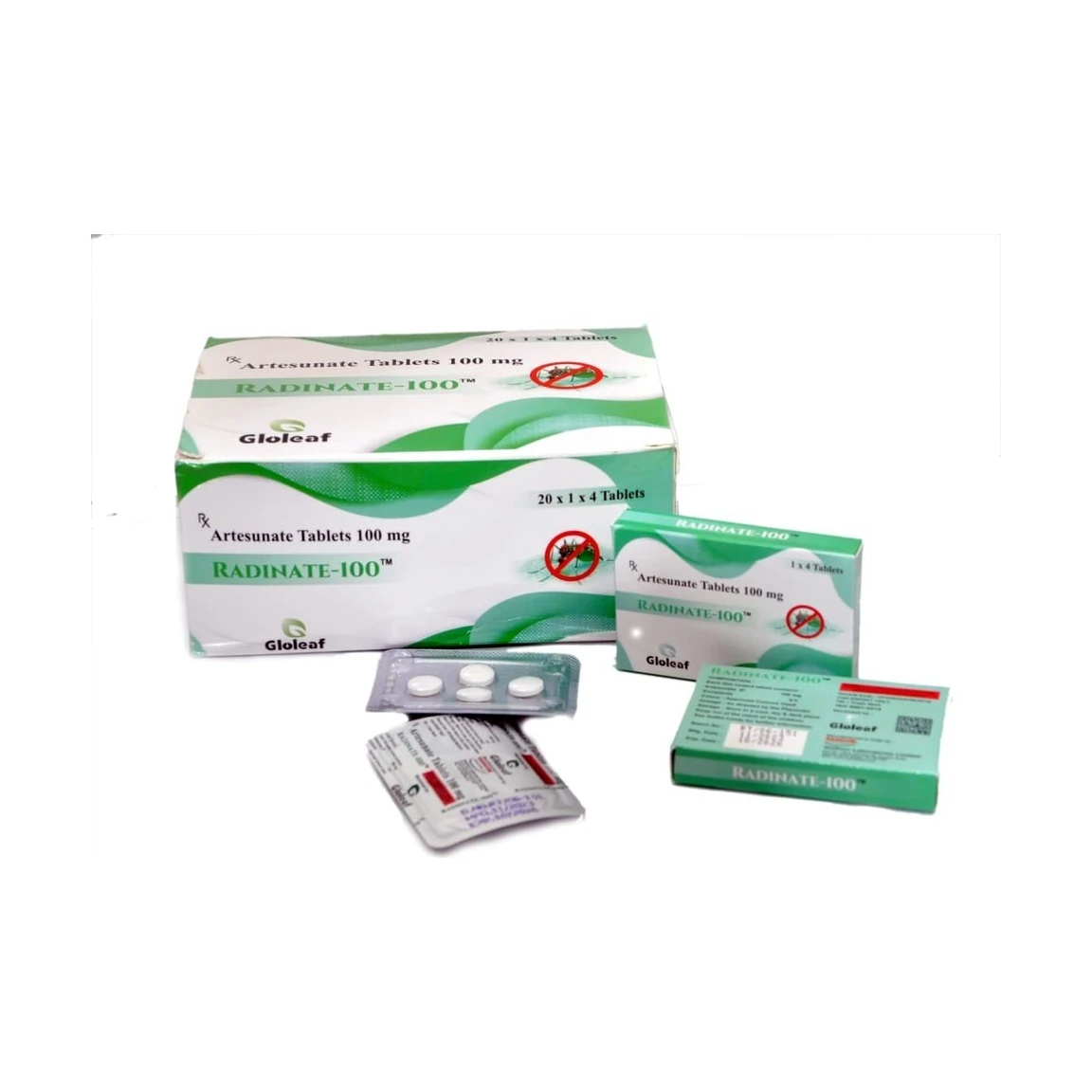
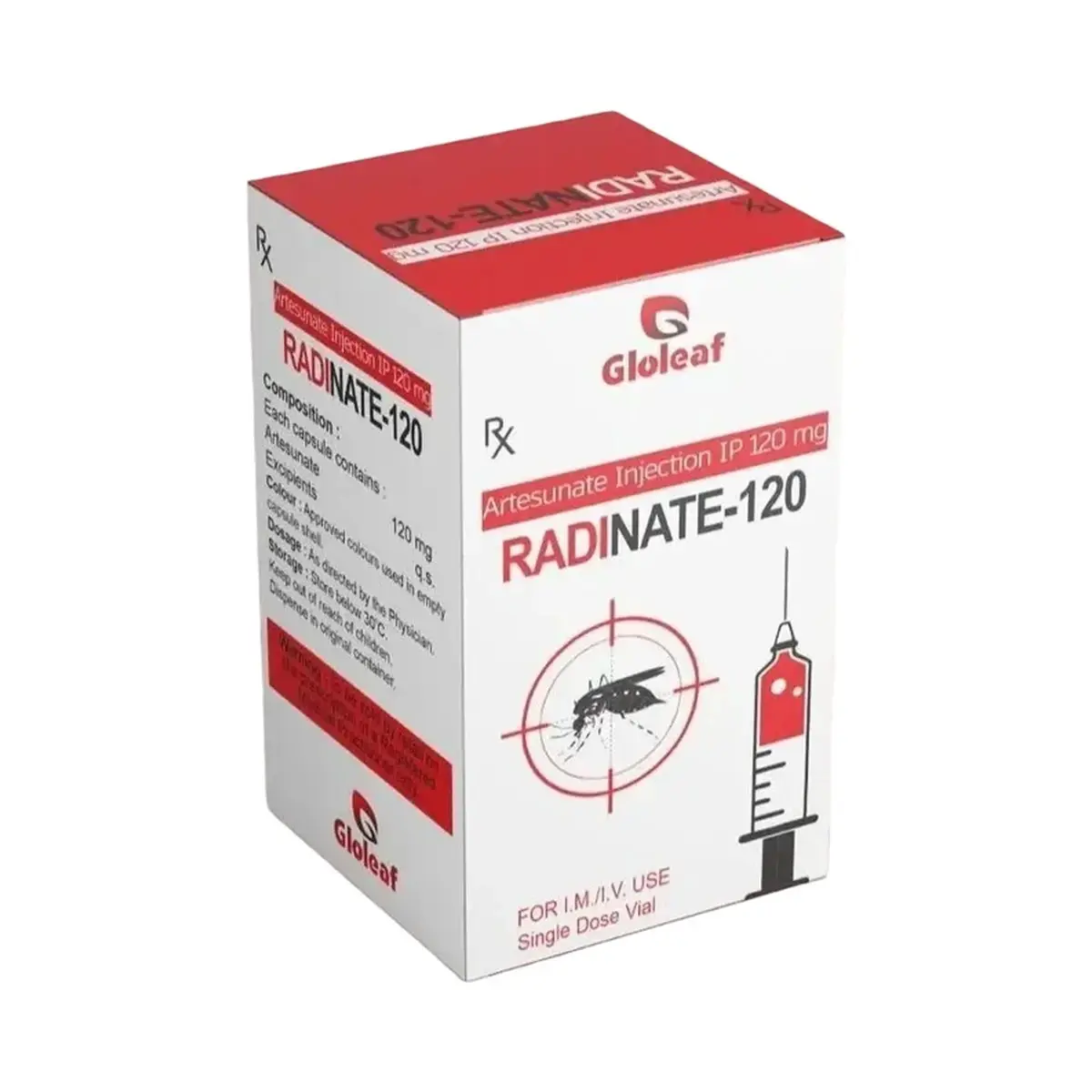
Radinate (Artesunate) 120 mg
Radinate is an artesunate injection product. Artesunate is an antimalarial medicine used for the initial treatment of severe malaria, particularly severe Plasmodium falciparum infection. It belongs to the artemisinin class and is intended for rapid parenteral treatment when malaria is serious and urgent clinical management is required.
Active Ingredient and Medicine Class
The verified active ingredient is artesunate. Artesunate is a semisynthetic derivative of artemisinin and is classified as an artemisinin-based antimalarial. It is used in injectable form for severe malaria because it acts quickly against blood-stage malaria parasites.
Established Medical Uses
Established prescribing information supports artesunate injection for the initial treatment of severe malaria in adult and pediatric patients. It is used when parenteral therapy is needed because the infection is severe or the patient cannot rely on oral treatment alone. After the initial injectable phase, treatment should be completed with an appropriate oral antimalarial regimen.
For malaria caused by P. vivax or P. ovale, artesunate does not address dormant liver-stage forms of the parasite, so additional antimalarial therapy is needed to reduce the risk of relapse.
How It Works
Artesunate is rapidly converted in the body to an active metabolite, dihydroartemisinin. In malaria parasites, artemisinin-class drugs damage essential parasite proteins and membranes through a reactive process that depends on iron within the parasite. This leads to a rapid reduction in parasite burden and faster clearance of infected red blood cells.
Important Safety Information
Artesunate injection is contraindicated in people with serious hypersensitivity to artesunate, including anaphylaxis. Serious allergic reactions have been reported with parenteral artesunate.
A clinically important safety concern is post-treatment delayed hemolysis, in which red blood cells break down after therapy has started or been completed. This can be severe enough to require transfusion. Artesunate products are therefore associated with continued clinical and laboratory monitoring after treatment.
Important interaction concerns include ritonavir, nevirapine, and strong UGT inducers such as rifampin, carbamazepine, and phenytoin, which may reduce exposure to the active metabolite and potentially reduce antimalarial efficacy. Severe malaria in pregnancy is a high-risk condition, and available regulatory information supports not delaying treatment because of pregnancy.
Possible Side Effects
Reported adverse effects include hemolysis, jaundice, hemoglobinuria, and acute renal failure in the setting of severe malaria. Hypersensitivity reactions, including anaphylaxis, may also occur.
Because severe malaria itself can cause organ dysfunction, some adverse events may reflect the disease as well as treatment. The most important serious reaction specifically associated with artesunate is delayed hemolysis after therapy.
Scientific Evidence
Human clinical trials have shown that parenteral artesunate clears parasites faster than quinine and is associated with improved survival in severe malaria. In adults with severe falciparum malaria in Asia, artesunate reduced mortality compared with quinine. In African children with severe falciparum malaria, artesunate also reduced deaths compared with quinine. These findings support artesunate as a key medicine for severe malaria management.
Scientific reviews and later comparative analyses have continued to support artesunate as the preferred parenteral antimalarial for severe malaria, while also highlighting the need for follow-on oral therapy and vigilance for delayed hemolysis.
Medical Information Notice
This summary is provided for educational purposes only and is based on sources available at the time of review. It does not replace the official patient leaflet, the full prescribing information, or assessment by a qualified healthcare professional.
Medical Sources
- U.S. Food and Drug Administration. Artesunate for Injection, prescribing information. View official prescribing information
- European Medicines Agency. Artesunate Amivas, EPAR medicine overview. View official medicine overview
- Arjen M Dondorp et al. Artesunate versus quinine for treatment of severe falciparum malaria: a randomised trial. The Lancet, 2005. View scientific article
- Arjen M Dondorp et al. Artesunate versus quinine in the treatment of severe falciparum malaria in African children (AQUAMAT): an open-label, randomised trial. The Lancet, 2010. View scientific article