Description
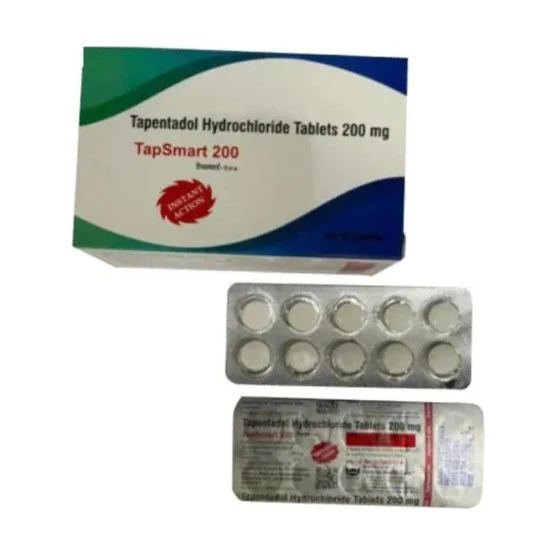
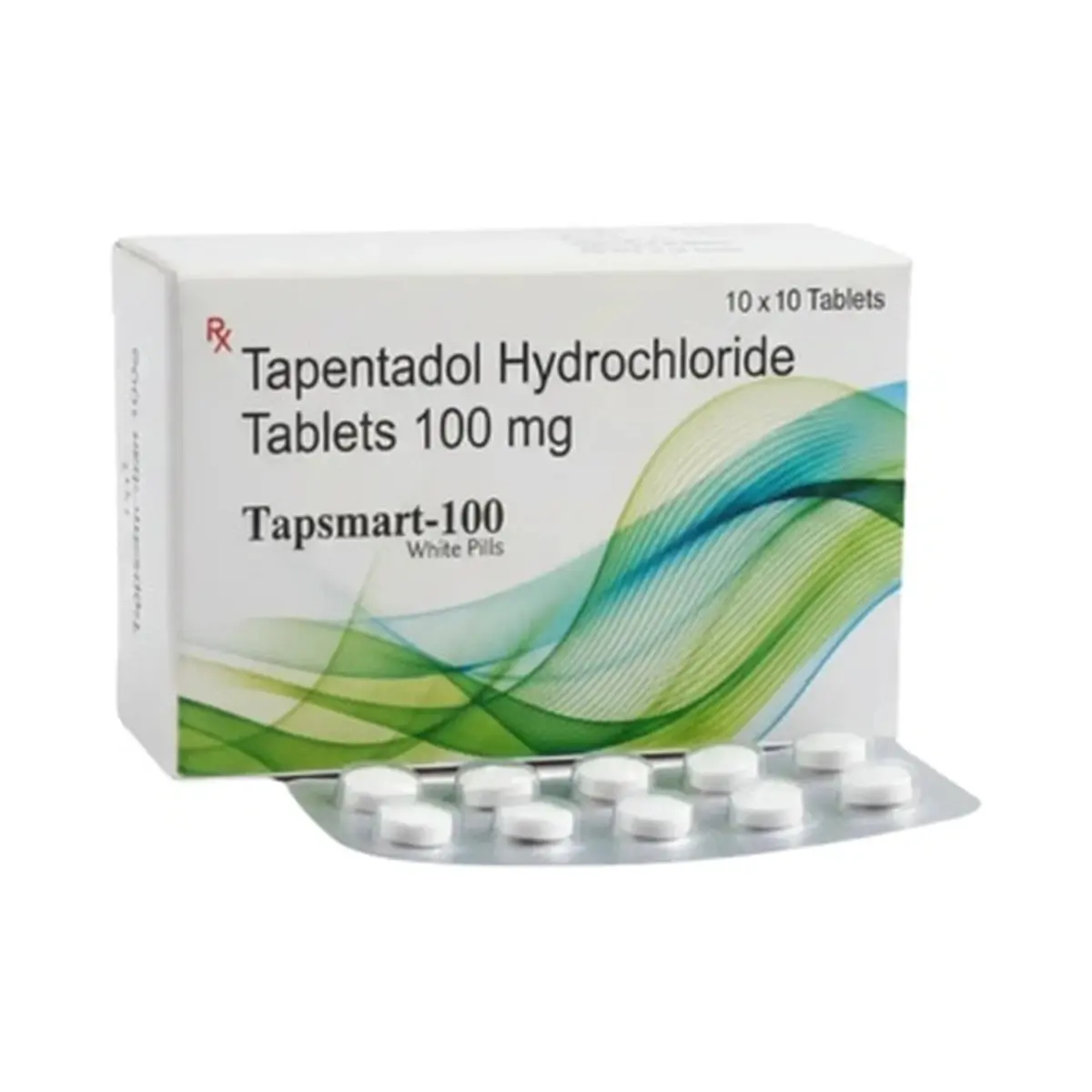
Tap smart (Tapentadol) 100 mg
Tap smart 100 mg contains tapentadol, a centrally acting opioid analgesic. It is used for pain relief when an opioid is considered appropriate, and it is associated with clinically important opioid-related safety risks.
Active Ingredient and Medicine Class
Tapentadol is a synthetic opioid analgesic. It has two recognized pharmacological actions: mu-opioid receptor agonism and norepinephrine reuptake inhibition. This dual action places it in the MOR-NRI analgesic group.
Established Medical Uses
Tapentadol tablets are established for the treatment of moderate to severe acute pain in adults. Official labeling also recognizes use in some settings of pain severe enough to require opioid treatment when alternative options are inadequate.
How It Works
Tapentadol reduces pain through two complementary mechanisms. First, it activates opioid receptors in the central nervous system, which lowers pain perception. Second, it inhibits norepinephrine reuptake, which helps strengthen descending pain-inhibiting pathways. Together, these effects can produce analgesia with a pharmacologic profile that differs from classical opioids.
Important Safety Information
Tapentadol carries the standard risks of opioid medicines, including addiction, abuse, misuse, overdose, and respiratory depression. It is contraindicated in people with acute or severe bronchial asthma in an unmonitored setting and in those taking monoamine oxidase inhibitors or who have recently taken them. Important precautions include severe pulmonary disease, older or debilitated patients, head injury, impaired consciousness, severe hypotension, seizure disorders, and hepatic or renal impairment. Clinically significant interactions may occur with benzodiazepines and other central nervous system depressants, serotonergic medicines, alcohol, other opioids, and mixed agonist-antagonist or partial opioid agonists, which may reduce analgesia or precipitate withdrawal.
Possible Side Effects
Common adverse effects include nausea, dizziness, vomiting, somnolence, constipation, and pruritus. Serious reactions can include respiratory depression, serotonin syndrome, severe hypotension, adrenal insufficiency, seizure risk in susceptible patients, and opioid withdrawal if treatment is stopped abruptly.
Scientific Evidence
Peer-reviewed reviews and clinical studies describe tapentadol as an analgesic with a dual mechanism and an efficacy profile comparable to other strong opioids in moderate to severe pain. Human evidence also suggests it may cause fewer gastrointestinal adverse effects than some classic opioids, while still requiring the same careful opioid risk management.
Medical Information Notice
This summary is for educational purposes only and is based on sources available at the time of review. It does not replace the official patient leaflet, prescribing information, or assessment by a qualified healthcare professional.
Medical Sources
- U.S. Food and Drug Administration / DailyMed — Tapentadol tablets, for oral use: Full Prescribing Information
- Hansen M, et al. “The mu-opioid receptor agonist/noradrenaline reuptake inhibition (MOR-NRI) concept in analgesia: the case of tapentadol.” PubMed, 2014. PubMed article