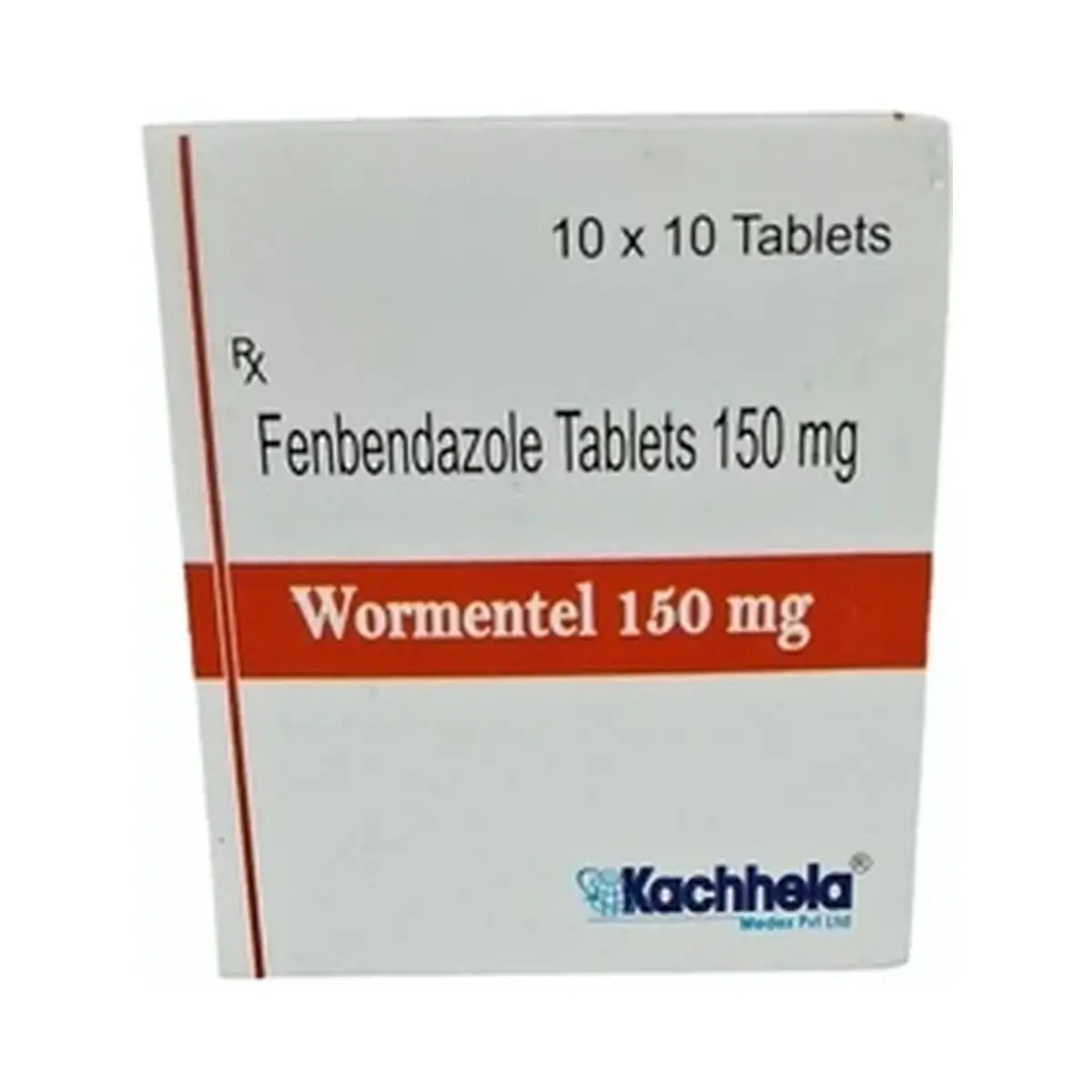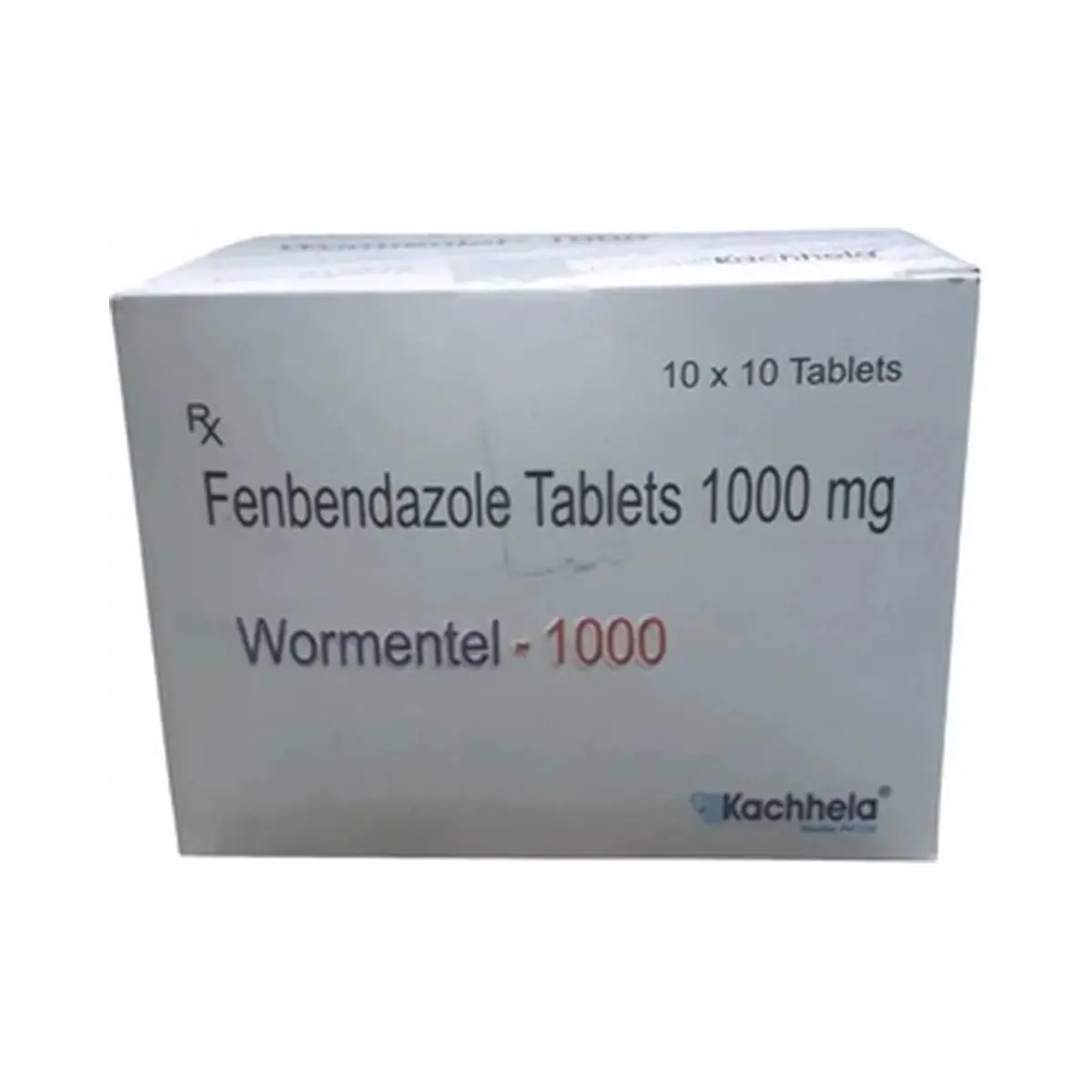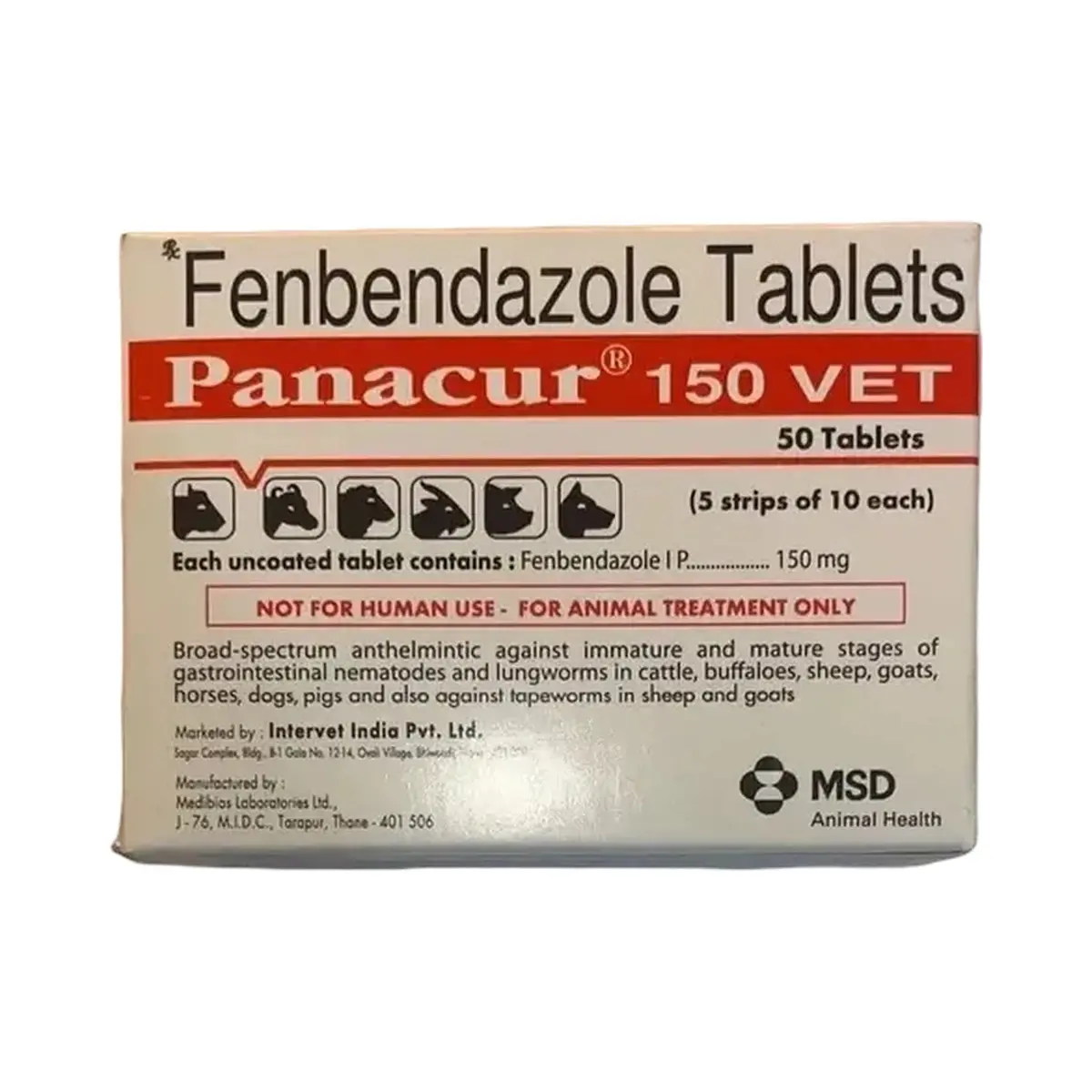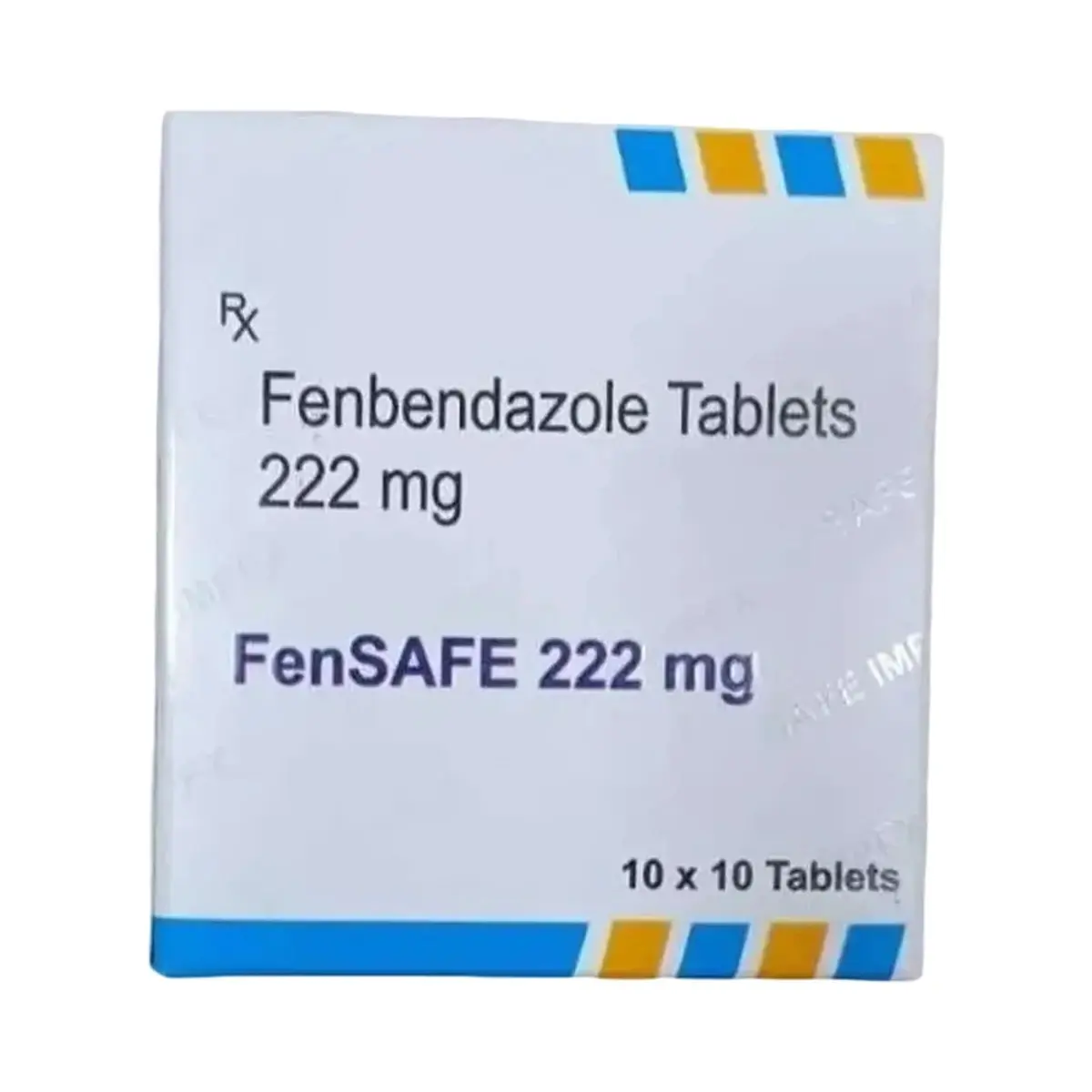
Description
Fensafe (Fenbendazole) 222 mg
Fensafe is a fenbendazole-based veterinary anthelmintic. Fenbendazole is a benzimidazole antiparasitic medicine used in animals to help control certain internal parasites, especially gastrointestinal worms, and in some approved products to control Giardia in dogs.
Active Ingredient and Medicine Class
The verified active ingredient is fenbendazole. It belongs to the benzimidazole anthelmintic class. This class is widely used in veterinary medicine to treat parasitic infestations in a range of animal species.
Established Medical Uses
Official veterinary labeling for fenbendazole products shows use in dogs for the treatment and control of common intestinal parasites such as ascarids, hookworms, whipworms and certain tapeworms. Some approved animal formulations also include use in selected carnivorous and omnivorous species, and scientific studies have described activity against Giardia in dogs and calves. Established use depends on the species and the specific approved product label.
How It Works
Fenbendazole acts against susceptible parasites by disrupting energy metabolism. This interferes with the parasite’s ability to survive and reproduce, which helps reduce the parasite burden in treated animals.
Important Safety Information
Fenbendazole products are veterinary medicines and approved uses vary by species and formulation. Some labels state that no contraindications are known, but use outside the approved label can carry added risk. The U.S. Food and Drug Administration has warned that extra-label use in dogs, especially longer-than-labeled treatment, has been associated with bone marrow hypoplasia and pancytopenia in reported cases. As with many antiparasitic medicines, compatibility with other medicines and the safety profile may differ by species, health status and formulation.
Possible Side Effects
Reported adverse effects include gastrointestinal signs such as loose stools or vomiting. Less common but important serious reactions reported in the literature and regulatory communications include reduced appetite and, in some cases of extra-label use, bone marrow suppression leading to pancytopenia. Any unexpected weakness, poor appetite, vomiting or other unusual signs in an animal should be taken seriously and assessed by a veterinarian.
Scientific Evidence
Published veterinary literature supports fenbendazole as an established broad-spectrum anthelmintic in animals. Clinical studies have reported effectiveness against gastrointestinal parasites in dogs and calves, and review literature describes its use against several helminths and protozoal infections. However, the evidence base is species-specific, and results from one animal species or one parasite do not automatically apply to all others. Extra-label regimens have also been associated with toxicity reports, reinforcing the importance of using the product according to the approved veterinary indication for the relevant species.
Medical Information Notice
This page is an educational summary based on sources available at the time of review. It does not replace the official product leaflet, label information or an individual assessment by a qualified veterinary professional.
Medical Sources
- U.S. Food and Drug Administration, Center for Veterinary Medicine. Dear Veterinarian Letter regarding adverse events associated with extra-label use of fenbendazole in dogs. View official FDA letter
- U.S. Food and Drug Administration / DailyMed. PANACUR (fenbendazole) granule prescribing information. View prescribing information
- Carolyn Cray et al. An Update on the Biologic Effects of Fenbendazole. Comparative Medicine, 2022. View scientific article
- R. H. Anderson et al. Efficacy of fenbendazole against giardiasis in dogs. Canadian Veterinary Journal, 1994. View scientific article