Description
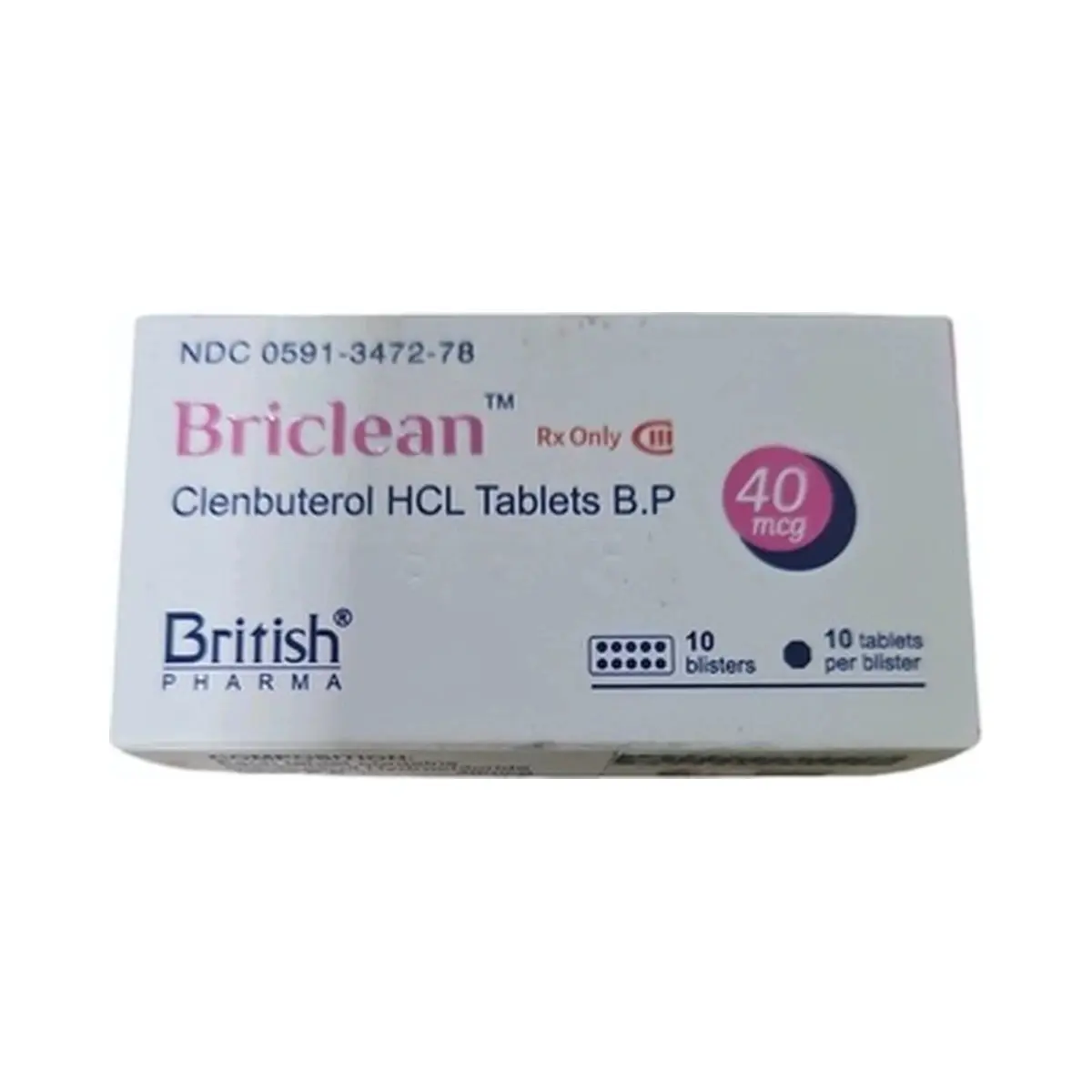
Briclean (Clenbuterol) 40 mcg
Briclean 40 mcg is a tablet medicine identified as containing clenbuterol. Clenbuterol is a sympathomimetic bronchodilator with selective beta-2 adrenergic activity. It has been used in some countries for obstructive airway conditions, although its regulatory status and approved uses vary by jurisdiction.
Active Ingredient and Medicine Class
The verified active ingredient is clenbuterol, usually supplied as clenbuterol hydrochloride. It belongs to the class of beta-2 adrenergic agonists and acts as a bronchodilator. Medicines in this class relax smooth muscle in the airways and can reduce airflow limitation caused by bronchospasm.
Established Medical Uses
Clenbuterol has been used as a bronchodilator in obstructive respiratory disorders where airway narrowing and bronchospasm contribute to breathing symptoms. Regulatory documents note its use in human medicine for chronic obstructive airway disease, and scientific reports describe its use in chronic reversible airways obstruction. Because authorisation differs between countries, the exact approved indication for a specific product should always be checked in the official product information for the market concerned.
How It Works
Clenbuterol stimulates beta-2 receptors in the bronchial smooth muscle. This leads to relaxation of the airway muscles and widening of the air passages, which can improve airflow. As with other beta-2 agonists, it may also produce some effects outside the lungs, including stimulation of the heart and skeletal muscle, especially at higher exposures.
Important Safety Information
Clenbuterol is not suitable for everyone. Official and regulatory information for clenbuterol-containing products highlights caution in people with known hypersensitivity to the active substance. Because beta-2 agonists can have cardiovascular effects, caution is warranted in patients with heart disease, arrhythmias, hypertension, or other conditions that may worsen with adrenergic stimulation.
Important interactions may occur with other medicines that affect the heart or autonomic nervous system, including beta-blockers and other sympathomimetic agents. Medicines that can increase the risk of rhythm disturbances or intensify cardiovascular effects should also be considered carefully. Clenbuterol may be of particular concern in people taking multiple stimulant medicines or medicines that lower potassium, because beta-agonist exposure can contribute to hypokalaemia.
Possible Side Effects
Commonly reported adverse effects with clenbuterol and related beta-2 agonists include tremor, palpitations, headache, nervousness, nausea, dizziness, and sweating. Some sources also report cough or throat irritation depending on formulation and route.
More serious reactions can include tachycardia, arrhythmias, chest pain, blood pressure changes, muscle cramps, and other cardiovascular complications. Published case reports and case series describe severe toxicity with clenbuterol misuse, including myocardial injury, myocarditis, myocardial infarction, and, in rare cases, death. Paradoxical bronchospasm has been described with inhaled beta-agonists as a class effect, although this is not the usual response.
Scientific Evidence
Older clinical studies reported bronchodilator benefit in patients with chronic reversible airways obstruction, with improvement in lung function in some participants and side effects such as headache, nausea, and dizziness. These studies are limited by age, size, and changes in modern respiratory care.
More recent review literature focuses mainly on safety concerns rather than routine therapeutic use. A 2023 systematic review of case reports and case series found that clenbuterol exposure in athletes was associated with clinically important cardiovascular and metabolic toxicity. Overall, the published human evidence supports bronchodilator activity, but it also shows that adverse effects can be significant, particularly when the medicine is misused or taken inappropriately.
Medical Information Notice
This summary is for educational purposes only and is based on sources available at the time of review. It does not replace the official patient leaflet, local product information, or assessment by a qualified healthcare professional.
Medical Sources
- European Medicines Agency. Clenbuterol: CMDh scientific conclusions and grounds for variation, amendments to the product information, and timetable for implementation. View official document
- European Medicines Agency. Clenbuterol: list of nationally authorised medicinal products. View official document
- Sweta Kumari et al. Adverse events of clenbuterol among athletes: a systematic review of case reports and case series. Forensic Science, Medicine and Pathology, 2023. View scientific article
- R. J. B. de Jongh et al. Spiropent (clenbuterol): another choice for patients with chronic reversible airways obstruction. PubMed-indexed clinical study, 1991. View scientific article