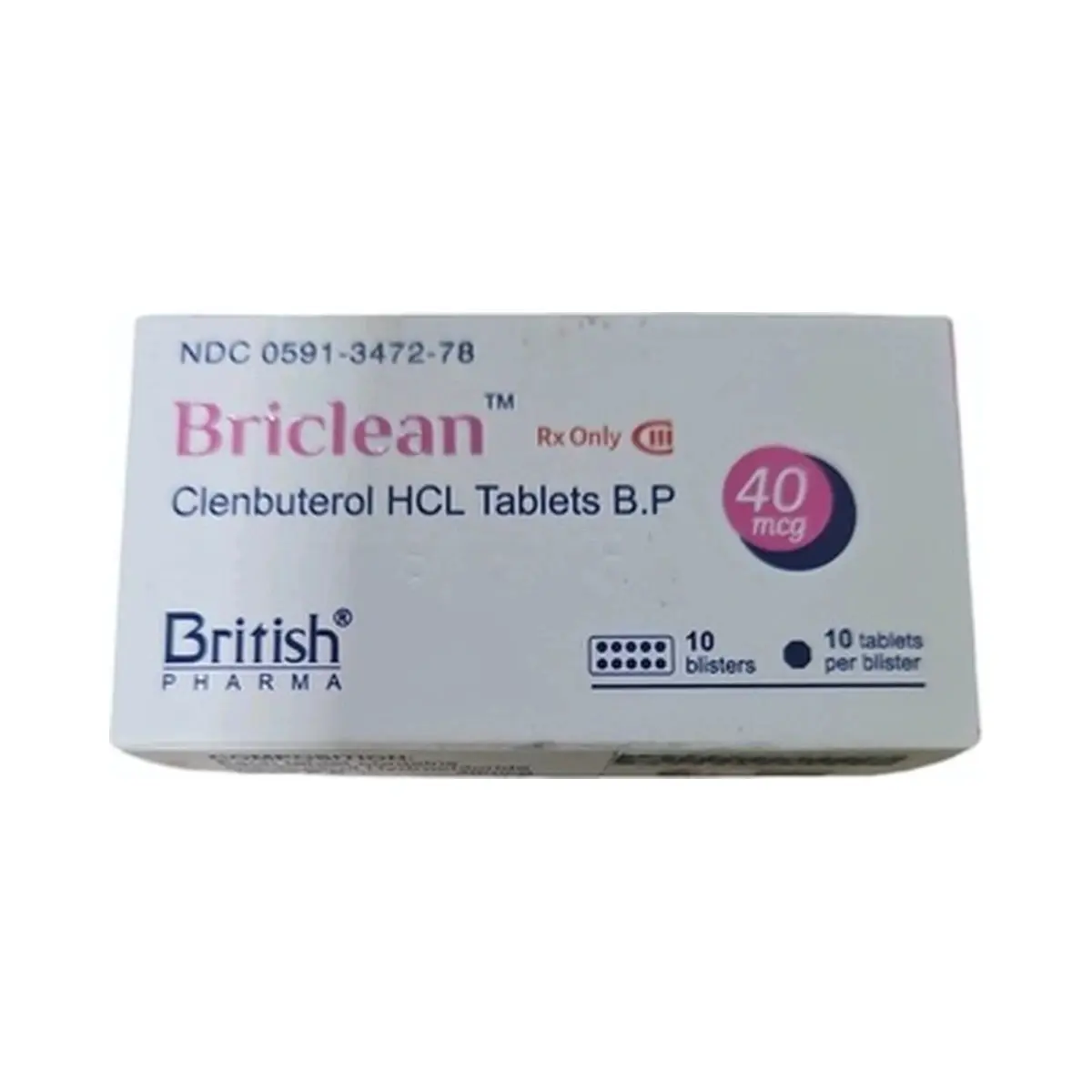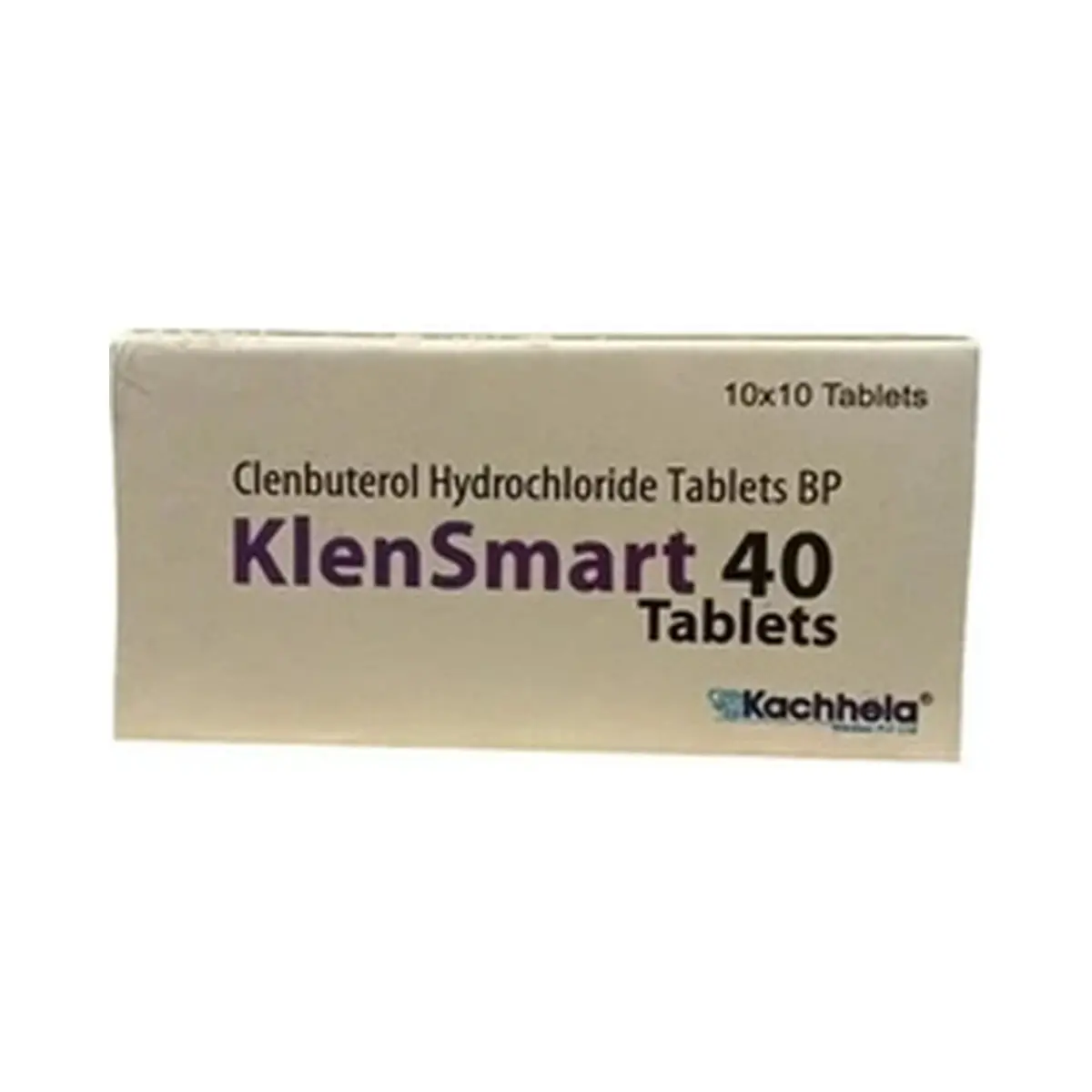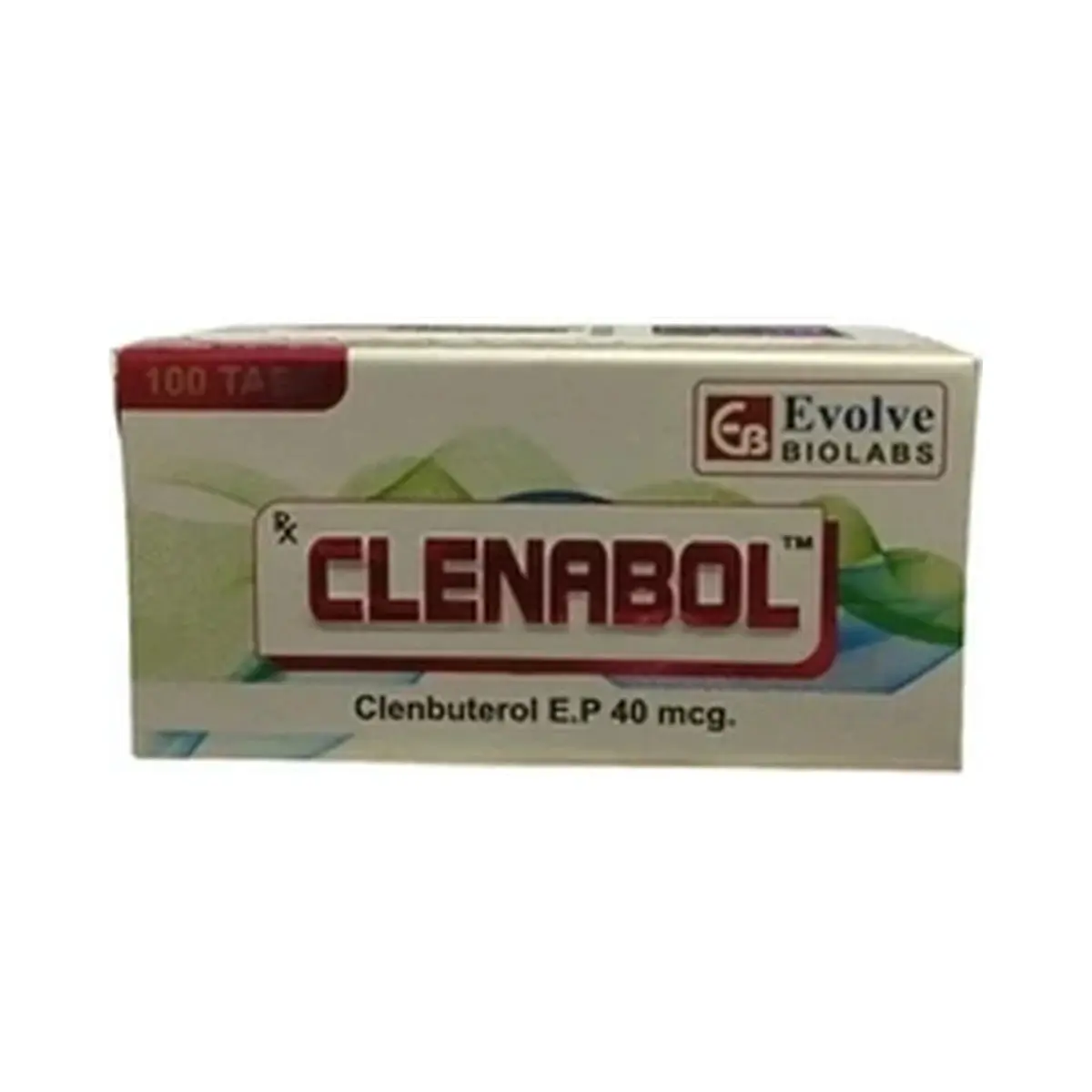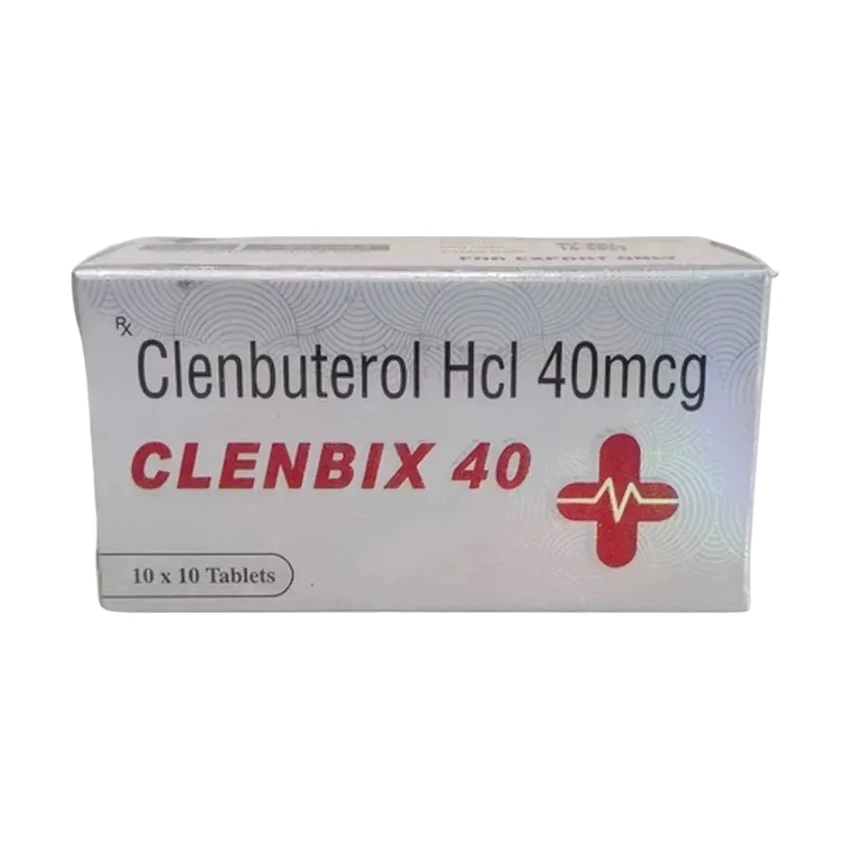
Description
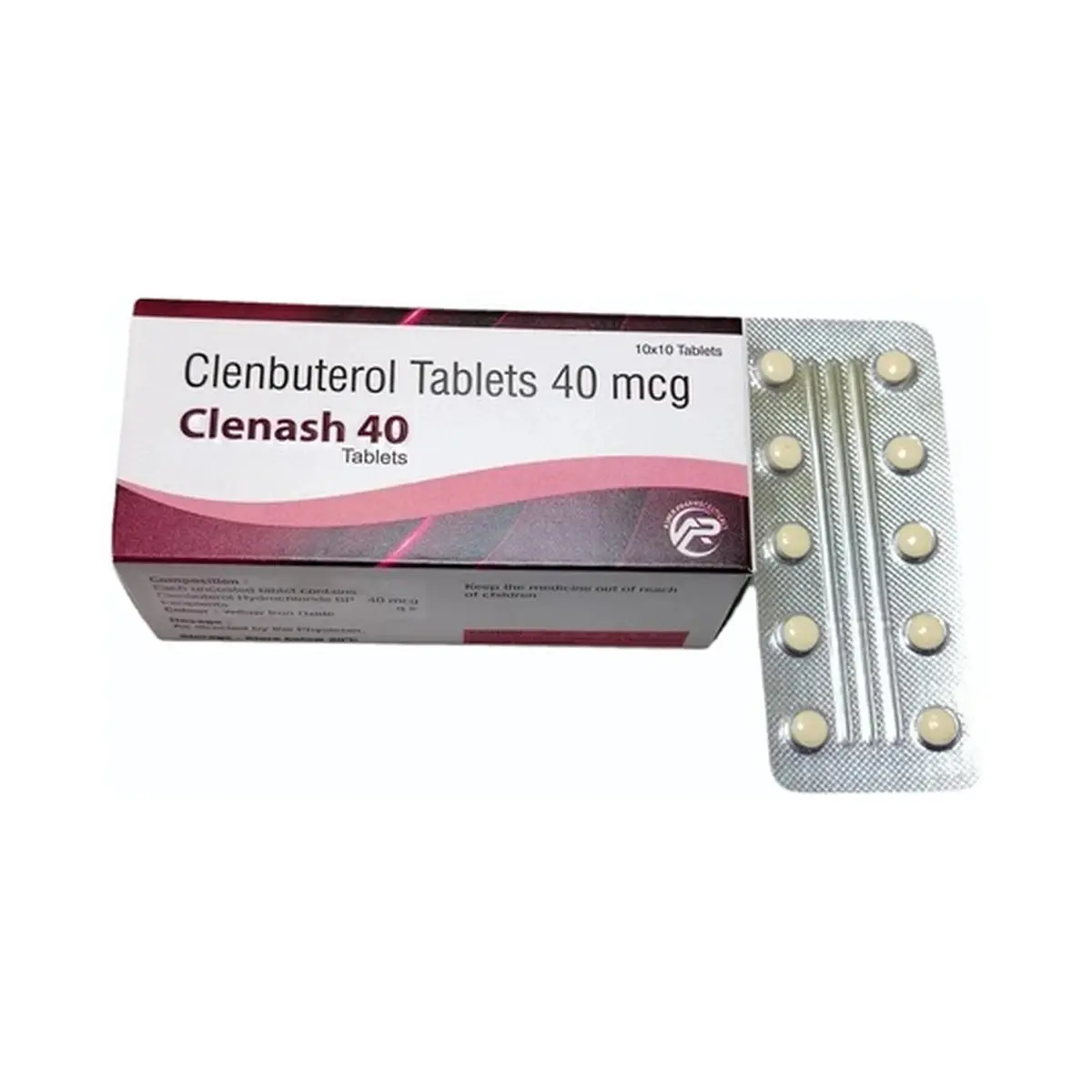
Clenash (Clenbuterol) 40 mcg
Clenash 40 mcg contains clenbuterol hydrochloride, a selective beta-2 adrenergic agonist. Clenbuterol is a bronchodilator that relaxes smooth muscle in the airways. Official U.S. regulatory information identifies clenbuterol as a veterinary medicine, and the available FDA label data do not establish it as a human-use medicine in the United States. Because trade names can vary by market, this summary focuses on the verified active ingredient and its recognised pharmacology.
Active Ingredient and Medicine Class
Active ingredient: clenbuterol hydrochloride.
Class: selective beta-2 adrenergic agonist; bronchodilator.
Clenbuterol acts on beta-2 receptors in the airway muscles. This class is related to other bronchodilators used for obstructive airway disease, but clenbuterol has also been associated with important cardiovascular and metabolic effects, especially when misused or taken in excessive amounts.
Established Medical Uses
Authoritative FDA veterinary labeling shows clenbuterol as an oral medicine used in horses for airway obstruction associated with chronic obstructive pulmonary disease. The same label states that the product is not for use in humans. In the scientific literature, clenbuterol has been studied as a bronchodilator in asthma and reversible airway obstruction, but these older studies do not by themselves establish current authorised human indications.
How It Works
Clenbuterol stimulates beta-2 receptors in the smooth muscle of the airways. This reduces bronchial constriction and can improve airflow. As with other beta-2 agonists, it may also influence the heart and skeletal muscle, which helps explain why palpitations, tremor, and other systemic effects can occur.
Important Safety Information
Official labeling for the FDA-approved veterinary product states that clenbuterol is antagonized by beta-blockers. It also notes important contraindications in horses with cardiovascular impairment and in pregnant mares near term. The label warns that accidental ingestion in people may cause clinically significant cardiovascular effects, including changes in pulse rate, blood pressure, and ECG findings. Published case literature also links clenbuterol exposure with tachyarrhythmias, myocardial ischemia, and other serious toxicities.
Because clenbuterol has a narrow margin between pharmacologic effect and toxicity, it should be treated as a medicine with significant safety concerns. Information on interactions, contraindications, and risks should be interpreted cautiously when extrapolating from veterinary data to any non-veterinary setting.
Possible Side Effects
Reported adverse effects include tremor, nervousness, sweating, palpitations, fast heart rate, blood pressure changes, chest discomfort, and other signs of beta-agonist stimulation. More serious reactions reported in the literature include supraventricular tachycardia, atrial fibrillation, myocardial injury, cardiomyopathy, hyperglycemia, and, in severe poisoning, death. These risks are especially relevant in misuse, overdose, or adulterated-product exposures.
Scientific Evidence
Older clinical studies in patients with asthma suggested that clenbuterol could improve airflow and reduce wheeze in reversible airway obstruction. However, these studies are small and dated, and they do not substitute for modern regulatory evaluation. More recent reviews and case-based evidence emphasise the potential for serious cardiovascular toxicity, particularly in non-medical use. Overall, the evidence supports bronchodilator activity, but also highlights a substantial safety burden.
Medical Information Notice
This page is an educational summary based on sources available at the time of review. It does not replace the official product information, patient leaflet, or assessment by a qualified healthcare professional.
Medical Sources
- U.S. Food and Drug Administration, DailyMed. VENTIPULMIN Syrup (clenbuterol hydrochloride) prescribing information. View official label
- U.S. Food and Drug Administration, DailyMed. Clenbuterol HCl powder, product information. View official product record
- FDA Substance Registration System. Clenbuterol hydrochloride. View substance record
- W Hida et al. Effect of clenbuterol on peripheral airway obstruction in bronchial asthma. Current Medical Research and Opinion, 1985. View scientific article
- D Wheatley. Clenbuterol (“Spiropent’): a long-acting bronchodilator. Current Medical Research and Opinion, 1982. View scientific article
- Sweta Kumari et al. Adverse events of clenbuterol among athletes: a systematic review of case reports and case series. Archives of Toxicology, 2023. View scientific article