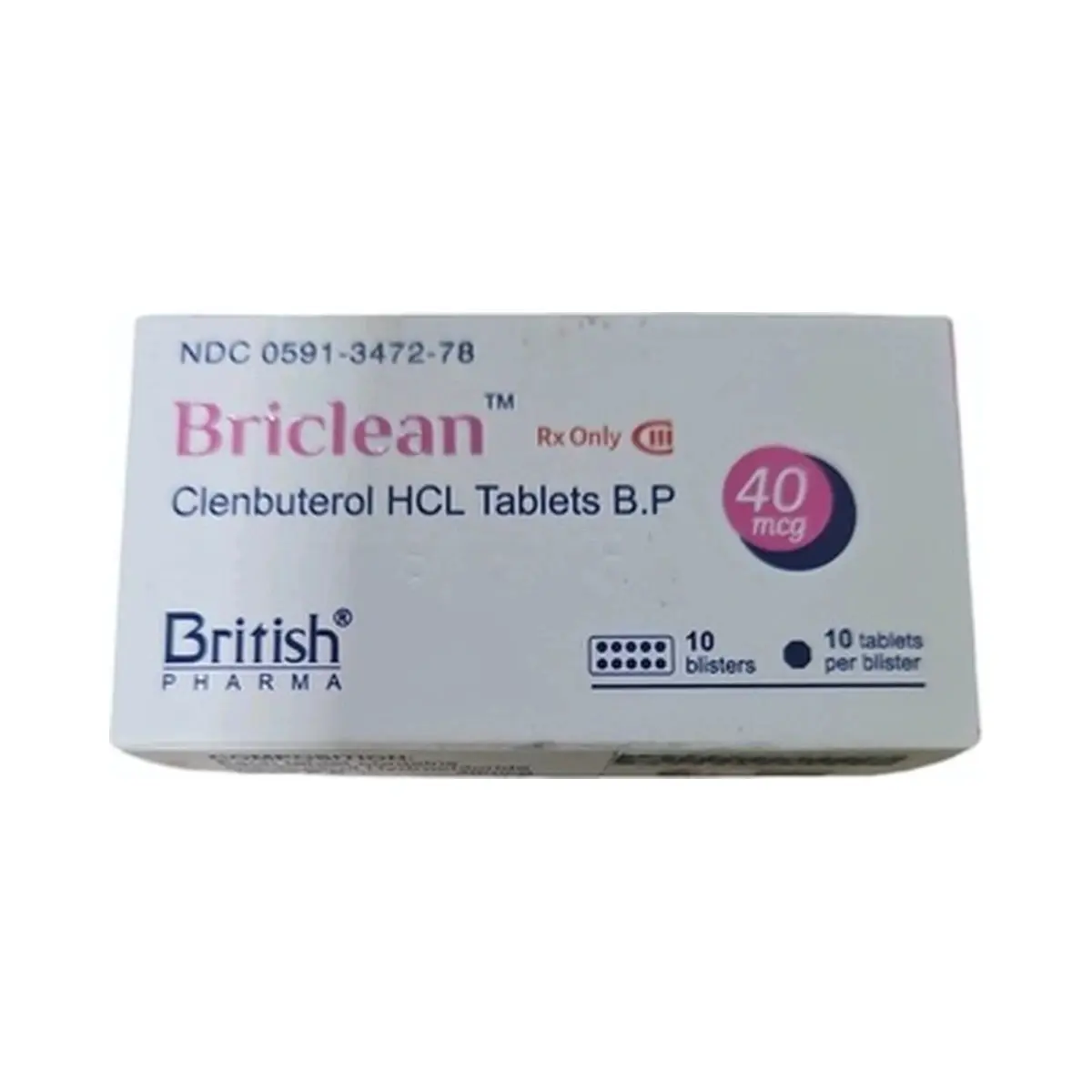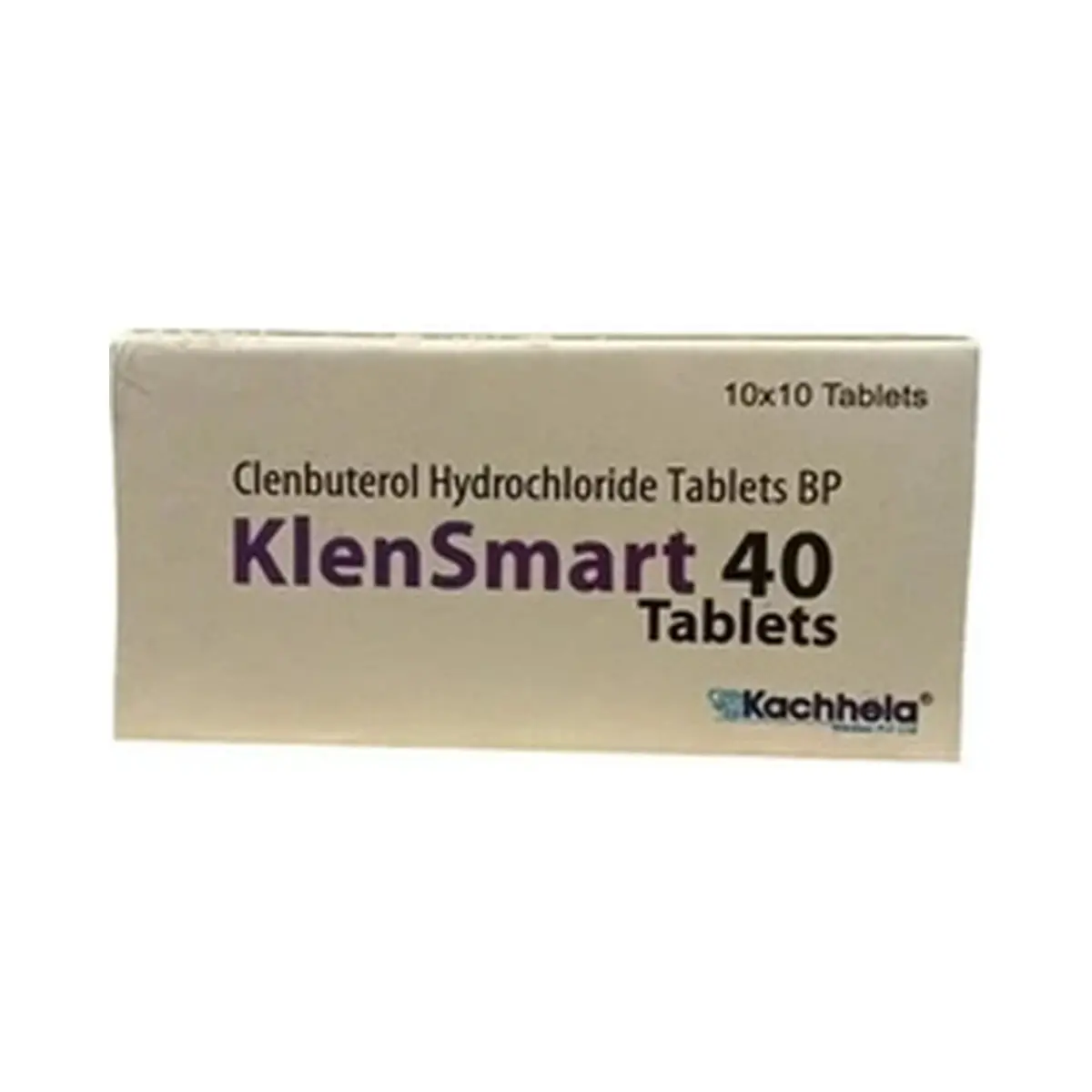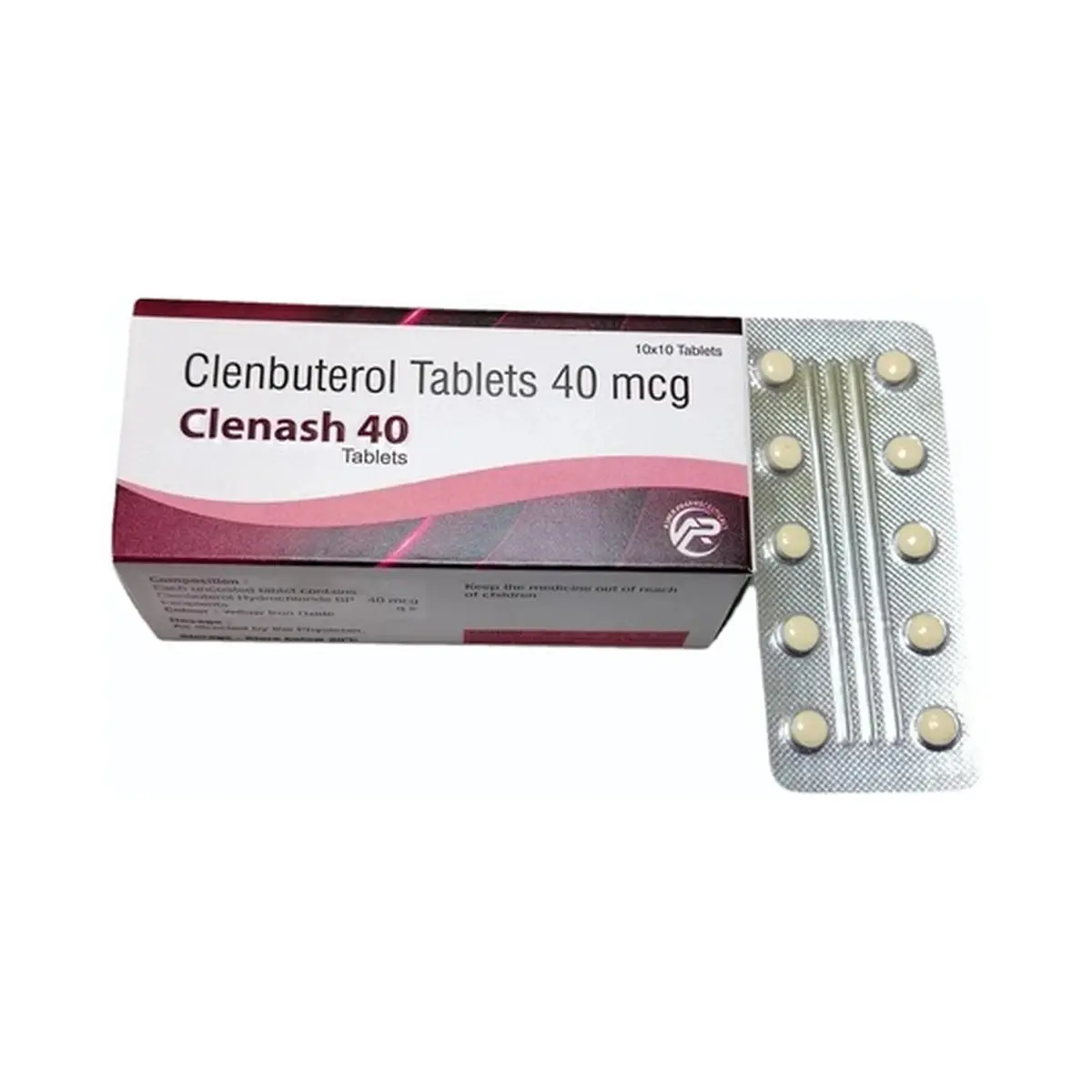
Description
Clenabol (Clenbuterol) 40 mcg
Clenabol 40 mcg is a tablet product identified here by its active ingredient, clenbuterol hydrochloride. Clenbuterol is a selective beta2-adrenergic agonist with bronchodilator activity. In medicine, it has been used in some countries for obstructive airway conditions, although authorised uses and product availability vary by jurisdiction.
Active Ingredient and Medicine Class
The verified active ingredient is clenbuterol hydrochloride. It belongs to the class of selective beta2-agonist bronchodilators. Medicines in this class relax smooth muscle in the airways by stimulating beta2 receptors, which can improve airflow when bronchospasm is present.
Established Medical Uses
Clenbuterol has been used as a bronchodilator for obstructive respiratory disorders, especially asthma and related reversible airflow obstruction, in countries where it is authorised. Official European regulatory documents list clenbuterol as a nationally authorised active substance in several member states, but product names, strengths and indications are not harmonised across all markets.
Published clinical studies evaluated oral clenbuterol in patients with asthma and reversible airways obstruction and reported improvements in airflow and symptoms compared with placebo or other bronchodilators. These studies support its historical use as a bronchodilator, but they do not establish superiority over modern preferred therapies.
How It Works
Clenbuterol stimulates beta2 receptors on airway smooth muscle. This activation increases intracellular signalling that leads to muscle relaxation and widening of the airways. The same beta-agonist activity can also produce effects outside the lungs, including stimulation of the heart and skeletal muscle, especially at higher systemic exposures.
Important Safety Information
As a beta2-agonist, clenbuterol may be unsuitable for people with sensitivity to sympathomimetic medicines or other reasons identified in the official product information for locally authorised products. Regulatory safety documents note that abuse of clenbuterol can cause severe and potentially life-threatening effects, including serious cardiac complications.
Important interactions may occur with other medicines that also affect the heart rhythm or stimulate the sympathetic nervous system. Additional caution is warranted with other beta-agonists, anticholinergic bronchodilators, methylxanthines, and digitalis glycosides because combined effects may increase the risk of palpitations or arrhythmias. High systemic exposure can also be associated with low potassium and elevated blood glucose.
Possible Side Effects
Recognised beta2-agonist adverse effects include tremor, palpitations, tachycardia, headache, nervousness, insomnia and muscle cramps. More serious reactions may include cardiac rhythm disturbances, marked hypokalaemia and other consequences of excessive beta-adrenergic stimulation. Safety reports and regulatory reviews have also linked clenbuterol misuse with severe toxicity.
Scientific Evidence
Human clinical studies in asthma showed that oral clenbuterol could improve peak expiratory flow and subjective symptoms in patients with reversible airway obstruction. Another controlled study reported improvement in peripheral airway obstruction after oral clenbuterol in a small group of patients with asthma.
Broader scientific reviews of beta2-agonists support the general mechanism of bronchodilation but also emphasise dose-related systemic adverse effects and the importance of careful selection within this drug class. The evidence for clenbuterol itself is older and limited compared with more widely used inhaled bronchodilators.
Medical Information Notice
This page is an educational summary based on sources available at the time of review. It does not replace the official patient leaflet, local prescribing information, or individual assessment by a qualified healthcare professional.
Medical Sources
- European Medicines Agency (EMA). Clenbuterol: PSUSA/00000794/202209
- European Medicines Agency (EMA). Clenbuterol: List of nationally authorised medicinal products
- G Anderson, E Wilkins. A trial of clenbuterol in bronchial asthma. Thorax, 1977. View scientific article
- W Hida et al. Effect of clenbuterol on peripheral airway obstruction in bronchial asthma. Current Medical Research and Opinion, 1985. View scientific article