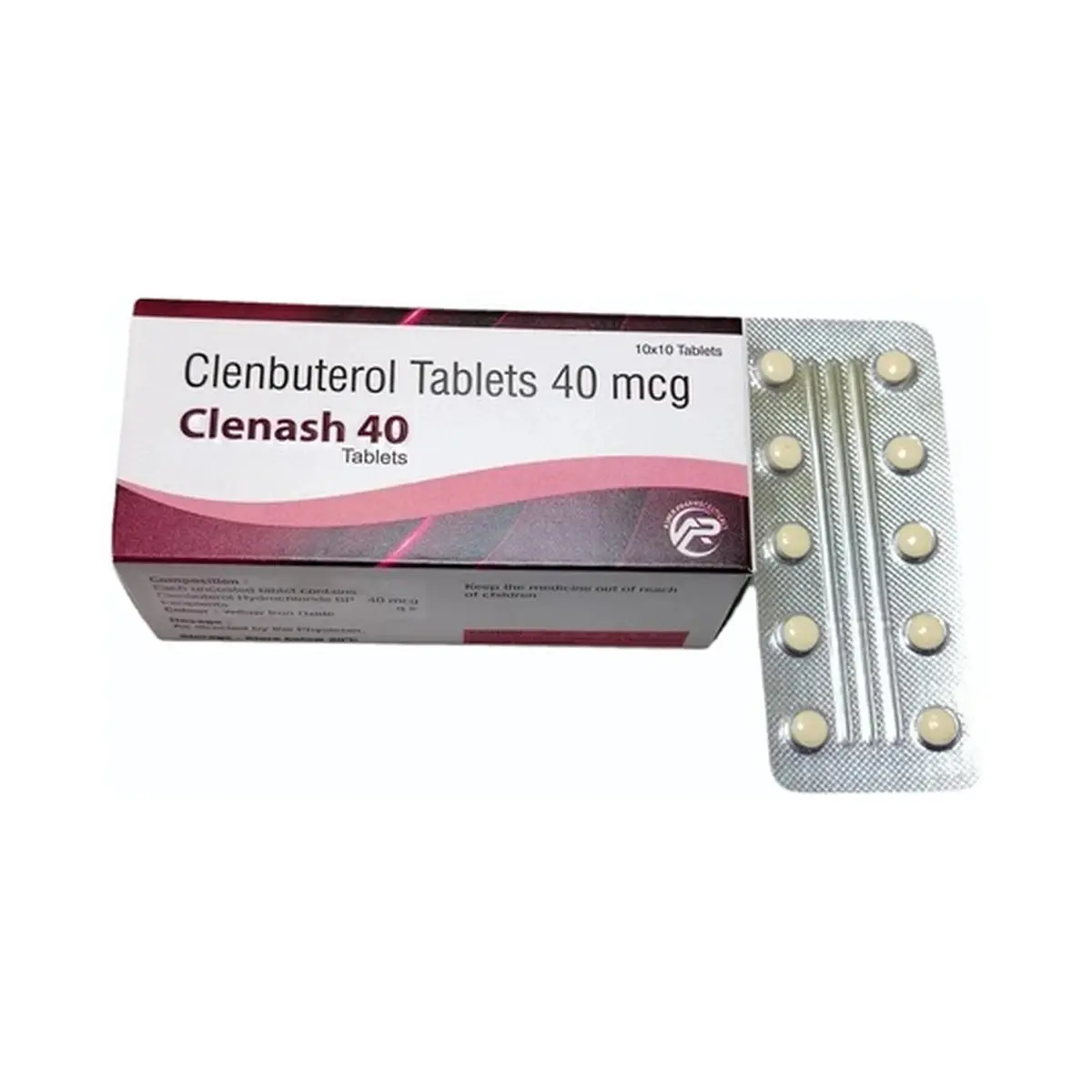
Description
Clenbix (Clenbuterol) 40 mcg
Clenbix 40 mcg is presented as a clenbuterol hydrochloride tablet. Clenbuterol is a beta-2 adrenergic agonist bronchodilator. It has been used in some countries for relief of bronchospasm, but its availability and approved uses vary by region. In some jurisdictions, clenbuterol is not authorised for human use.
Active Ingredient and Medicine Class
The verified active ingredient is clenbuterol hydrochloride. It belongs to the beta-2 agonist class of bronchodilators. Medicines in this class relax smooth muscle in the airways, which can reduce airway narrowing and help improve airflow in conditions involving bronchospasm.
Established Medical Uses
Clenbuterol has been used as a bronchodilator in respiratory disorders characterised by reversible airway obstruction. Published clinical studies describe its use in asthma and reversible bronchospasm, including oral tablets. However, regulatory status differs widely, and some official sources identify clenbuterol as unapproved for human use in certain markets.
The listed product strength, 40 mcg, matches doses studied in older asthma trials, but the existence of historical clinical use does not mean the medicine is currently approved or routinely recommended in every country.
How It Works
Clenbuterol stimulates beta-2 adrenergic receptors in the bronchial smooth muscle. This causes the airway muscles to relax, which can widen the air passages and reduce the sensation of tightness and wheezing. As a beta-2 agonist, it may also have other systemic effects, especially when absorbed into the bloodstream beyond the lungs.
Important Safety Information
Important safety concerns include hypersensitivity to clenbuterol or other ingredients, and caution in people with cardiovascular disease or conditions that may be worsened by stimulant effects. Beta-agonists can interact with beta-blockers, which may reduce bronchodilator effect. Clinically relevant interactions may also occur with other medicines that increase heart rate, lower potassium, or intensify cardiac stimulation.
Because clenbuterol acts on beta receptors throughout the body, it may cause unwanted systemic effects rather than acting only in the airways. Official and regulatory sources also note misuse concerns and the need for caution when a product is marketed outside established human medicine channels.
Possible Side Effects
Reported adverse effects of clenbuterol include tremor, palpitations, rapid heartbeat, nervousness, headache, muscle cramps, and lowered potassium levels. More serious reactions can include arrhythmias, chest pain, marked blood pressure changes, and worsening of symptoms in susceptible patients. In overdose or misuse, cardiovascular toxicity has been reported.
Scientific Evidence
Older clinical trials in asthma found that oral clenbuterol produced bronchodilation and symptom improvement compared with placebo in patients with reversible airway obstruction. Some studies suggested a longer duration of action than comparators used at the time. These trials were small and dated, and they do not establish modern routine use, long-term safety, or superiority over current standard therapies.
Later reviews and case-based literature have focused more on safety, misuse, and toxicity than on routine therapeutic benefit. Overall, the human evidence supports bronchodilator activity, but it also highlights clinically important systemic adverse effects and regulatory inconsistency.
Medical Information Notice
This page is an educational summary based on sources available at the time of review. It is not a substitute for the official patient leaflet, local regulatory status, or individual assessment by a qualified healthcare professional.
Medical Sources
- FDA Clenbuterol: orphan drug designation record. View official record
- FDA Import Alert 68-19: unapproved clenbuterol products. View official import alert
- WHO WHO Drug Information: clenbuterol 40 mcg, ATC listing. View WHO document
- G Anderson et al. A trial of clenbuterol in bronchial asthma. Thorax, 1977. View scientific article
- W Hida et al. Effect of clenbuterol on peripheral airway obstruction in bronchial asthma. Current Medical Research and Opinion, 1985. View scientific article