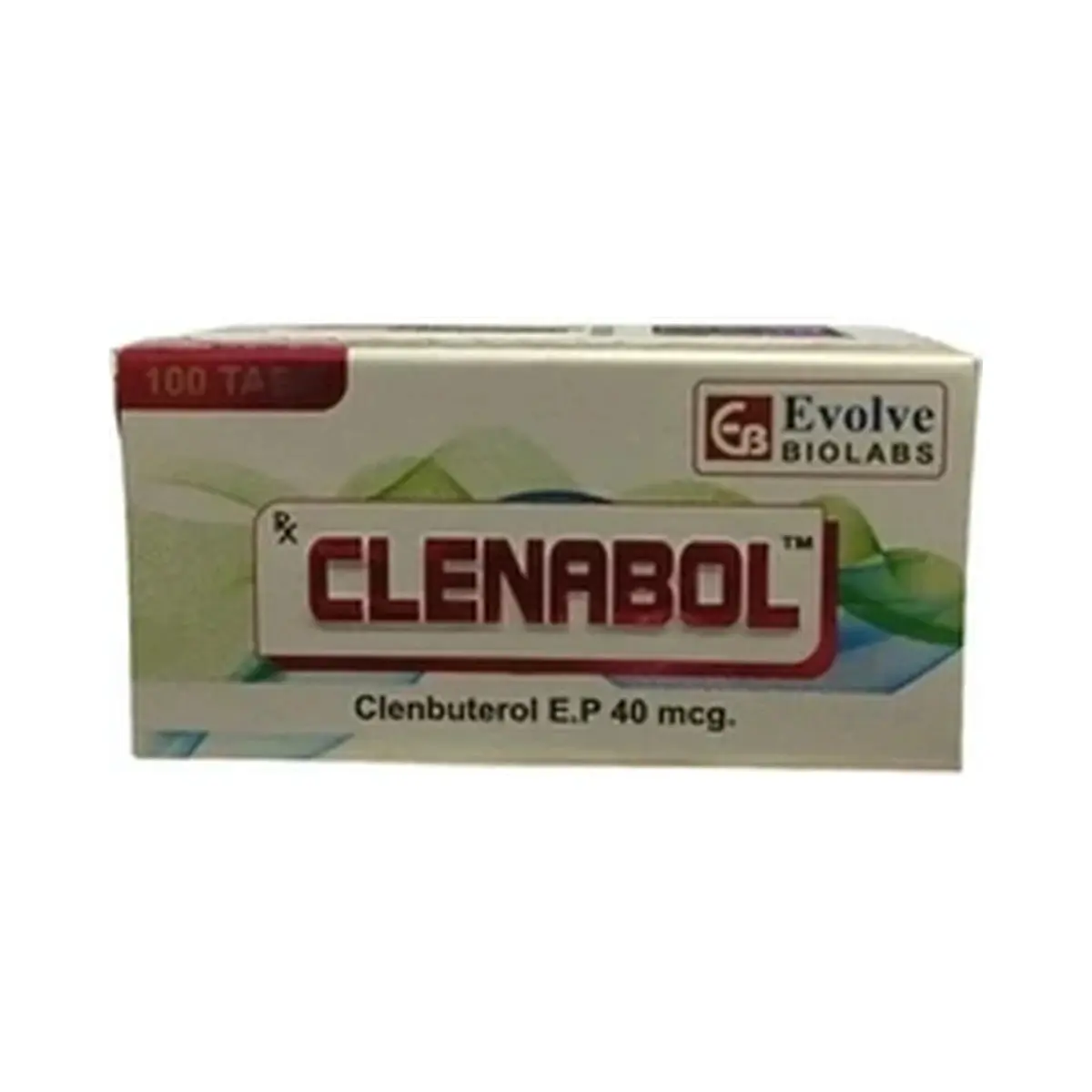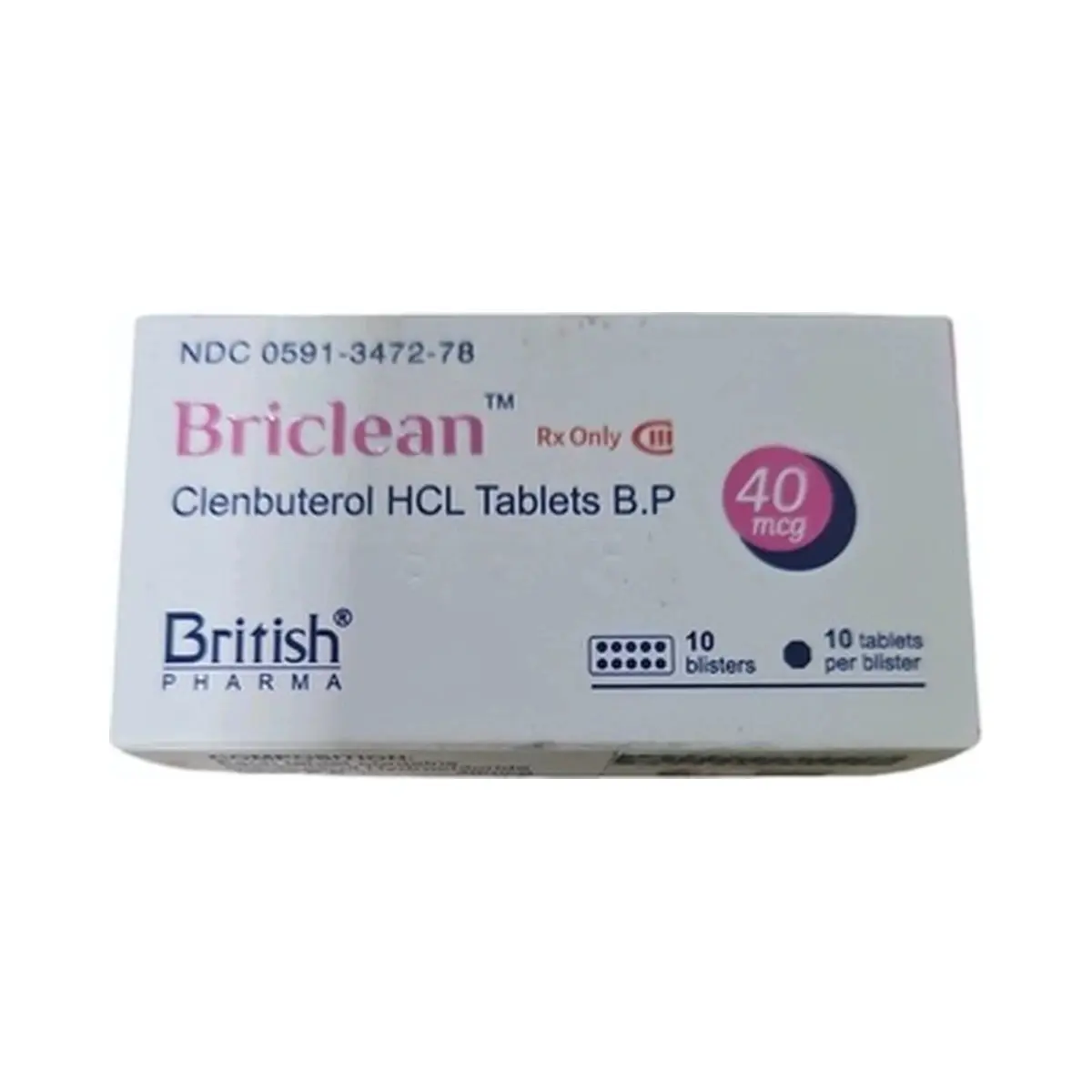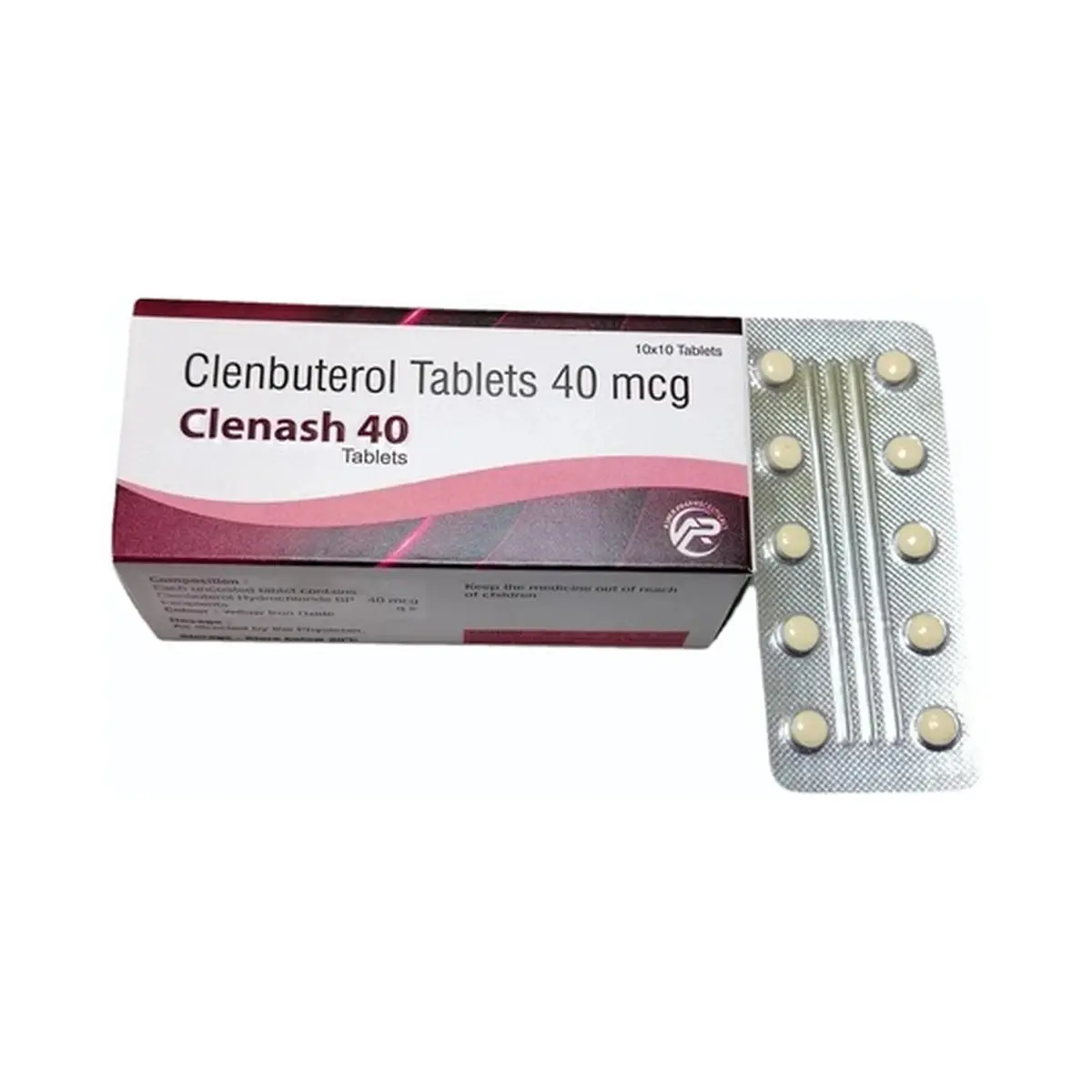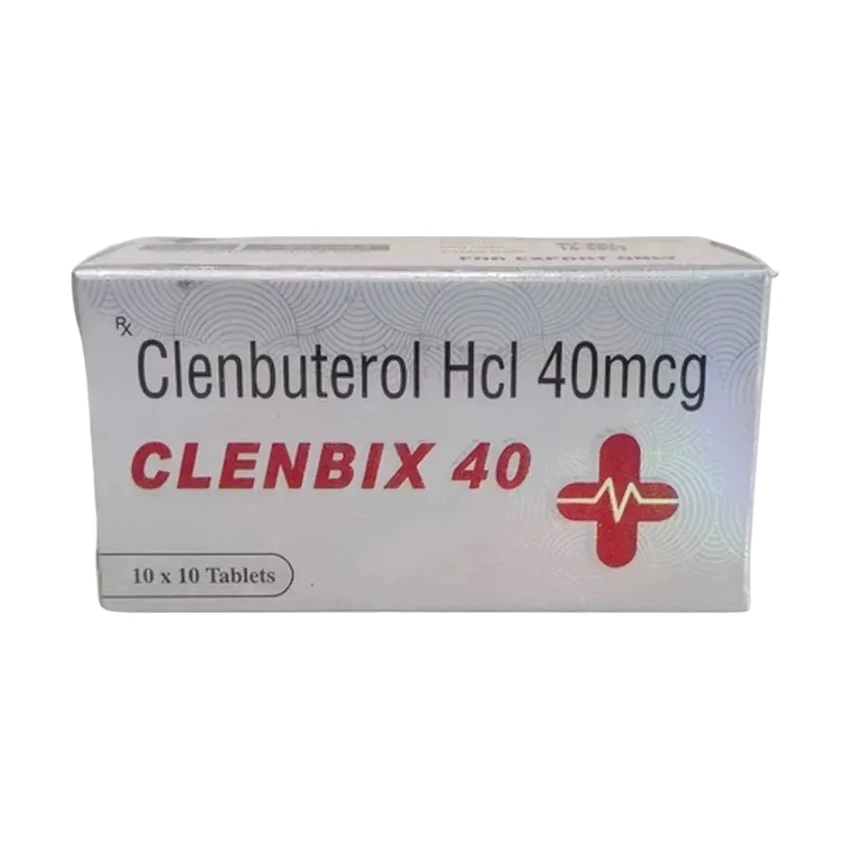
Description
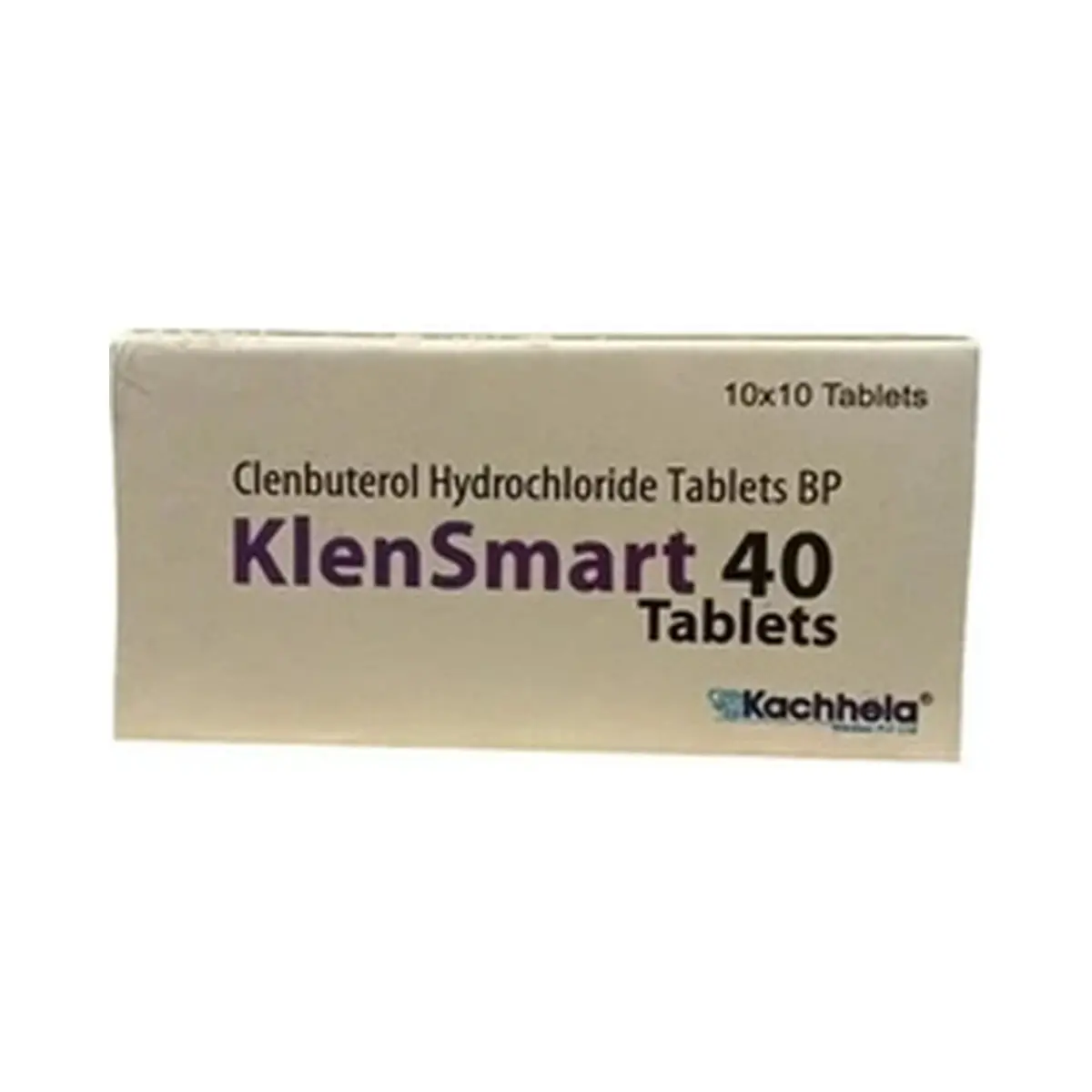
Klen smart (Clenbuterol) 40 mcg
Klen smart is presented as a product containing clenbuterol hydrochloride, a long-acting beta-2 adrenergic agonist. Reliable regulatory sources identify clenbuterol mainly as a veterinary medicinal substance, while older clinical studies also evaluated it as an oral bronchodilator in people with reversible airway obstruction.
Active Ingredient and Medicine Class
The verified active ingredient is clenbuterol hydrochloride. It belongs to the beta-2 sympathomimetic bronchodilator class. Medicines in this class relax smooth muscle in the airways by stimulating beta-2 receptors, which can reduce bronchospasm and improve airflow.
Established Medical Uses
Official European regulatory documents describe clenbuterol as a veterinary bronchodilator, used in horses and non-lactating cattle. Scientific studies in humans have also examined oral clenbuterol for bronchial asthma and reversible airways obstruction. These studies are historical and do not by themselves establish current approval status in any specific country.
How It Works
Clenbuterol acts on beta-2 adrenergic receptors in the airway smooth muscle. This causes the muscles around the bronchi to relax, widening the airways and making breathing easier during bronchospasm. As a beta-2 agonist, it can also produce effects outside the lungs, including stimulation of the heart and changes in potassium balance.
Important Safety Information
Regulatory and scientific sources show that clenbuterol can cause clinically important cardiovascular and metabolic effects. It should be used with caution in people with heart disease, arrhythmias, hypertension, hyperthyroidism, diabetes, or a history of sensitivity to beta-agonists. Important interactions may occur with other sympathomimetic medicines, other bronchodilators, beta-blockers, and drugs that can worsen rhythm disturbances or lower potassium. In veterinary product information, clenbuterol is contraindicated in animals with known hypersensitivity to the active substance and requires caution because adverse reactions can be significant.
Possible Side Effects
Recognised adverse effects of clenbuterol and related beta-2 agonists include tremor, palpitations, rapid heartbeat, restlessness, headache, and muscle cramps. More serious reactions reported in the literature include hypokalemia, hyperglycemia, abnormal ECG findings, chest pain, and other cardiovascular complications. Overexposure or misuse has been associated with marked toxicity, including tachycardia and myocardial injury.
Scientific Evidence
Older controlled trials in patients with asthma found that oral clenbuterol improved peak expiratory flow and reduced wheeze compared with placebo, with some effects lasting longer than comparator bronchodilator therapy in those studies. More recent literature focuses less on routine respiratory use and more on safety concerns, misuse, and toxicity. Published case reports and reviews describe clinically important cardiac and metabolic adverse events after clenbuterol exposure, reinforcing the need for caution in interpretation of any potential benefit.
Medical Information Notice
This summary is based on official and peer-reviewed sources available at the time of review. It is an educational overview only and does not replace the official patient leaflet, local regulatory status, or assessment by a qualified healthcare professional.
Medical Sources
- European Medicines Agency (EMA). Clenbuterol hydrochloride: maximum residue limit and veterinary assessment information
- European Medicines Agency (EMA). Clenbuterol hydrochloride summary report
- G Anderson et al. A trial of clenbuterol in bronchial asthma. Thorax, 1977. View scientific article
- D Wheatley. Clenbuterol (“Spiropent”): a long-acting bronchodilator. Current Medical Research and Opinion, 1982. View scientific article
- W Hida et al. Effect of clenbuterol on peripheral airway obstruction in bronchial asthma. Current Medical Research and Opinion, 1985. View scientific article
- R J Geller et al. Case report and review of clenbuterol cardiac toxicity. American Journal of Emergency Medicine, 2019. View scientific article