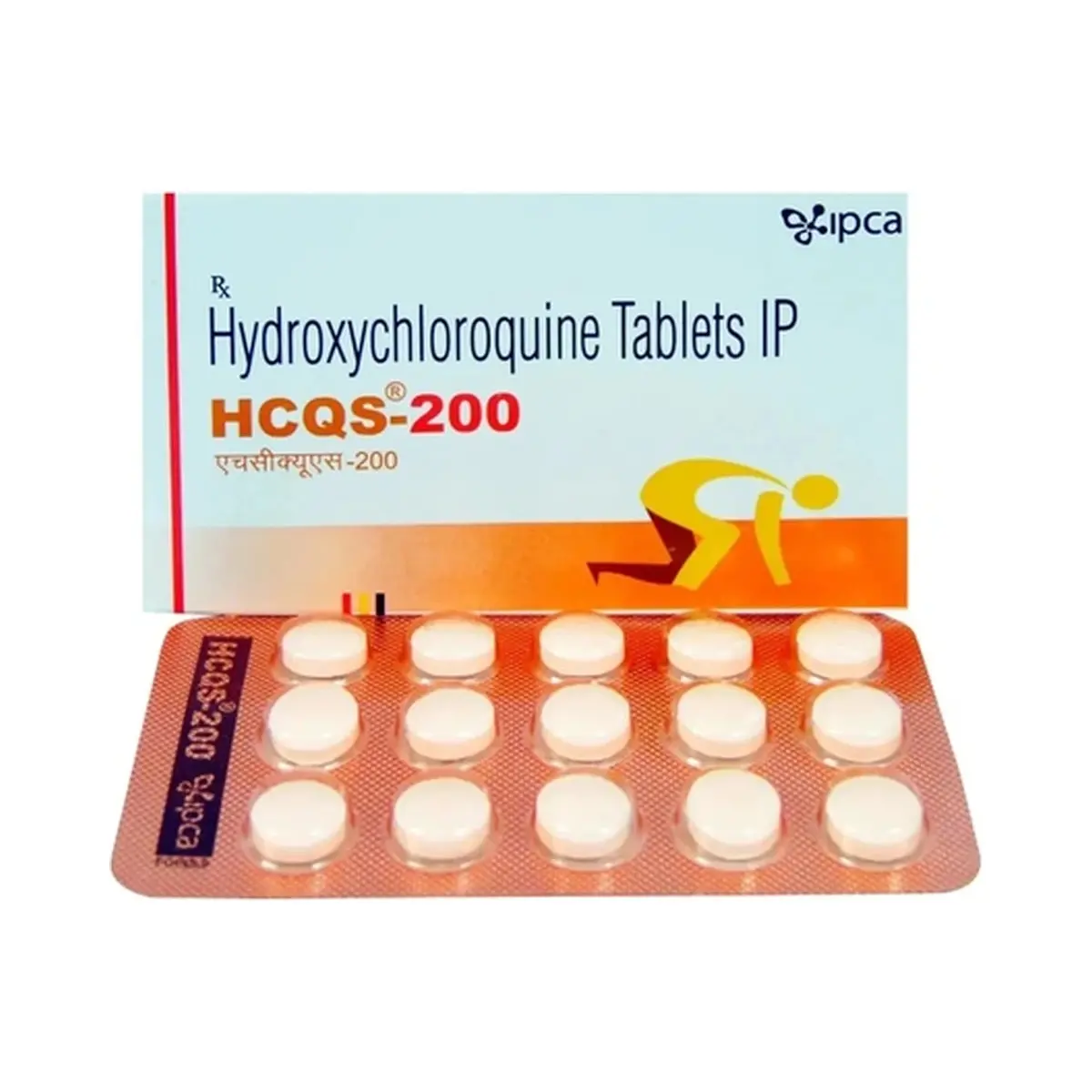
Description
HCQS (Hydroxychloroquine) 200 mg
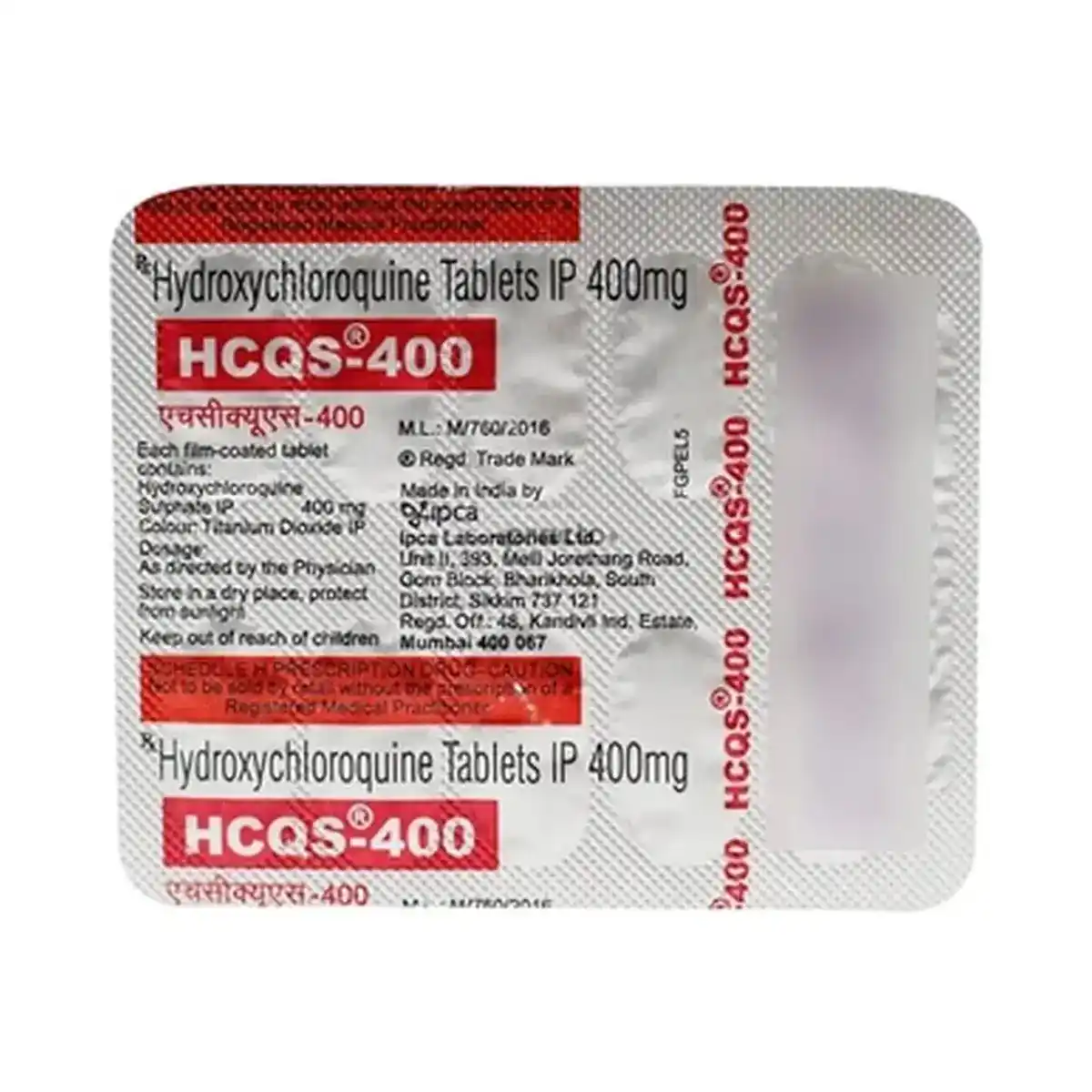
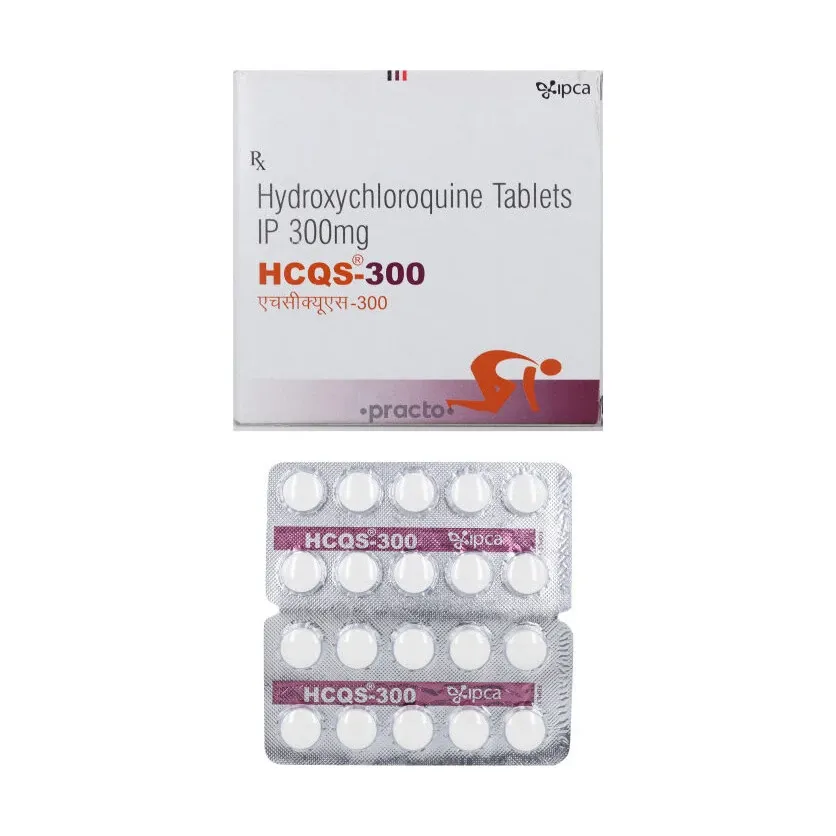
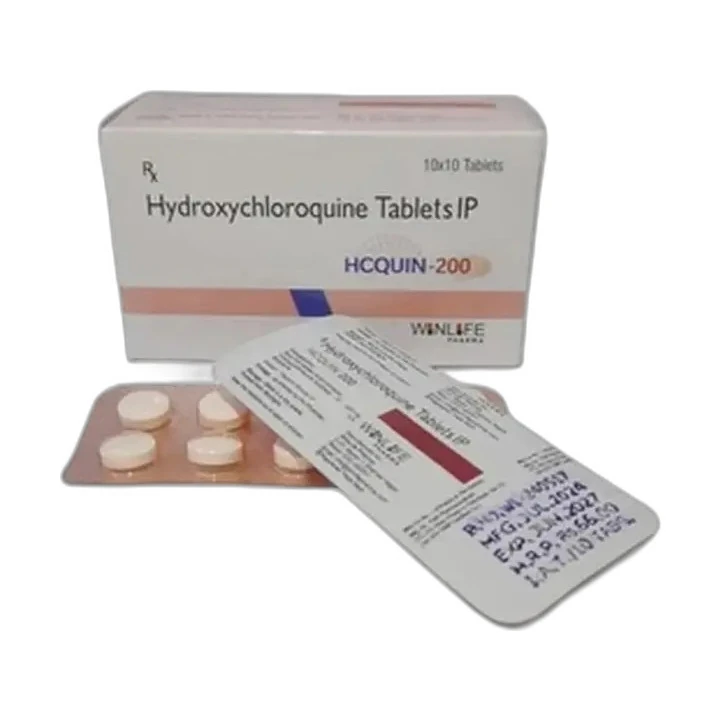
Hcqs 200 mg is a hydroxychloroquine tablet for oral use. Hydroxychloroquine is an established antimalarial medicine and an immunomodulatory antirheumatic agent. The product name and strength suggest a 200 mg hydroxychloroquine sulfate tablet formulation.
Active Ingredient and Medicine Class
The verified active ingredient is hydroxychloroquine sulfate. It belongs to the 4-aminoquinoline antimalarial class and is also used as an antirheumatic immunomodulatory medicine. In clinical practice, it is used both for malaria-related indications and for certain chronic inflammatory autoimmune disorders.
Established Medical Uses
Official prescribing information for hydroxychloroquine tablets includes use in malaria and in selected adult rheumatologic conditions. These include rheumatoid arthritis, systemic lupus erythematosus, and chronic discoid lupus erythematosus. For malaria, hydroxychloroquine is used against chloroquine-sensitive Plasmodium infections and in some settings where chloroquine resistance is a concern. It is not active against the liver hypnozoite stage of P. vivax and P. ovale, so separate therapy is needed for radical cure when those species are involved.
How It Works
Hydroxychloroquine’s exact action is not fully known. In malaria, it is thought to concentrate in acidic compartments of the parasite and interfere with heme polymerization, which disrupts parasite survival. In autoimmune disease, it has immunomodulatory effects that can reduce inflammatory signalling, including effects on endolysosomal function and Toll-like receptor activity. These actions may help lessen inflammatory activity over time, rather than producing an immediate symptomatic effect.
Important Safety Information
Hydroxychloroquine should not be used in people with known hypersensitivity to 4-aminoquinoline compounds. Important cautions include cardiac toxicity, including cardiomyopathy and ventricular arrhythmias, and the risk of QT interval prolongation, especially when combined with other QT-prolonging or arrhythmogenic medicines. It is also associated with retinal toxicity, which can be irreversible and is related to cumulative exposure and treatment duration.
Other important precautions include worsening of psoriasis or porphyria, hematologic toxicity, and possible hemolytic anemia in G6PD deficiency. The label also notes clinically significant interactions with other QT-prolonging drugs and with insulin or other antidiabetic medicines, because hydroxychloroquine may increase hypoglycemic risk.
Possible Side Effects
Common adverse effects reported in prescribing information include nausea, vomiting, diarrhea, and abdominal pain. More serious reactions can include retinal damage, cardiomyopathy, serious skin reactions such as Stevens-Johnson syndrome and toxic epidermal necrolysis, severe low blood sugar, and neuromuscular problems. Less common but clinically important reactions also include neuropsychiatric effects and renal toxicity.
Scientific Evidence
Peer-reviewed reviews describe hydroxychloroquine as a long-established therapy in systemic lupus erythematosus and rheumatoid arthritis, with anti-inflammatory and immunomodulatory effects that may explain its role in chronic autoimmune disease. Reviews also note that its use requires caution because benefit in some conditions must be balanced against cumulative toxicity, particularly retinal and cardiac risk. The scientific literature supports its established place in malaria and rheumatology, while continuing to refine understanding of its mechanisms and safety profile.
Medical Information Notice
This page is an educational summary based on sources available at the time of review. It does not replace the official patient leaflet, prescribing information, or assessment by a qualified healthcare professional.
Medical Sources
- U.S. Food and Drug Administration / DailyMed. Hydroxychloroquine sulfate tablets, full prescribing information
- U.S. Food and Drug Administration / DailyMed. Hydroxychloroquine sulfate tablets, highlights of prescribing information
- K D Rainsford et al. Therapy and pharmacological properties of hydroxychloroquine and chloroquine in treatment of systemic lupus erythematosus, rheumatoid arthritis and related diseases. Inflammopharmacology, 2015. View scientific article
- S Meyer et al. Hydroxychloroquine in rheumatic autoimmune disorders and beyond. EMBO Molecular Medicine, 2020. View scientific article