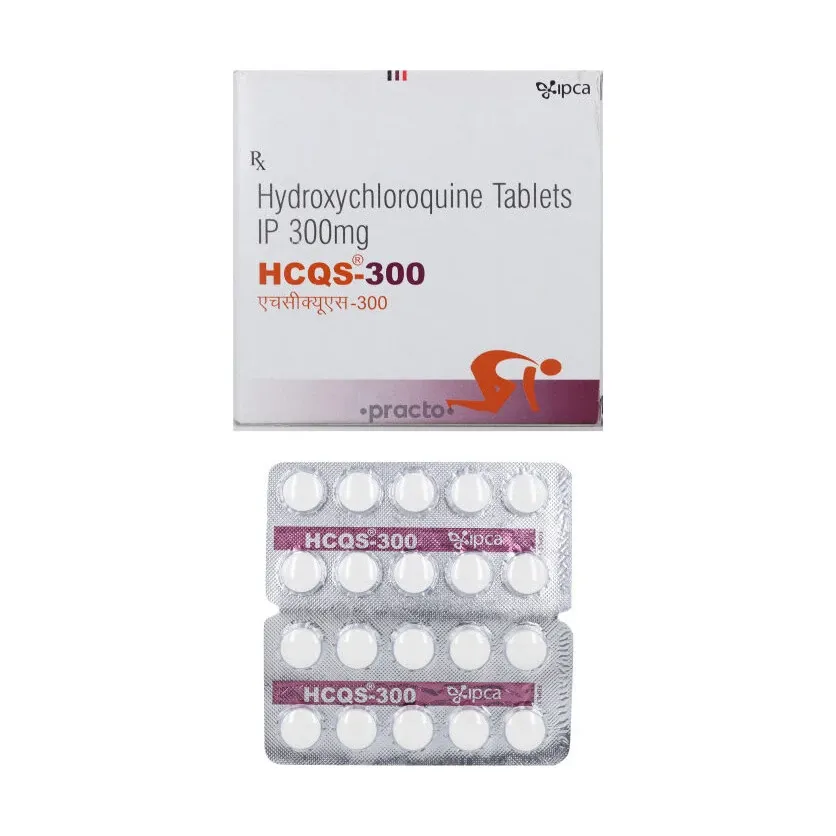
Description
HCQS (Hydroxychloroquine) 300 mg
HCQS 300 mg is a hydroxychloroquine sulfate film-coated tablet. Hydroxychloroquine is an established antimalarial medicine that is also used as an antirheumatic and immunomodulatory agent. Regulatory product information for hydroxychloroquine tablets identifies its use in malaria prevention and treatment, as well as in autoimmune conditions such as rheumatoid arthritis and systemic lupus erythematosus.
Active Ingredient and Medicine Class
The verified active ingredient is hydroxychloroquine sulfate. It belongs to the 4-aminoquinoline antimalarial class and is also described as an antirheumatic medicine. In clinical practice, it is valued both for its antimalarial activity and for its disease-modifying effects in selected autoimmune diseases.
Established Medical Uses
Official prescribing information for hydroxychloroquine tablets includes the following established indications in adults:
- Treatment of uncomplicated malaria caused by susceptible Plasmodium species.
- Prevention of malaria in areas where chloroquine resistance is not reported.
- Treatment of rheumatoid arthritis.
- Treatment of systemic lupus erythematosus.
- Treatment of chronic discoid lupus erythematosus.
For malaria, the product is not recommended where chloroquine resistance is present. For autoimmune disease, hydroxychloroquine is commonly used as part of a broader treatment plan and is not a substitute for individual medical assessment.
How It Works
Hydroxychloroquine has multiple effects. In malaria, it concentrates within the parasite’s acidic compartments and interferes with heme handling, which helps stop parasite survival. In autoimmune disease, it has immunomodulatory and anti-inflammatory actions that can reduce immune activation and inflammatory signalling. Scientific reviews describe these effects as the basis for its long-standing use in systemic lupus erythematosus and rheumatoid arthritis.
Important Safety Information
Hydroxychloroquine should not be used in patients with known hypersensitivity to 4-aminoquinoline compounds. Important precautions include the risk of cardiac toxicity, including cardiomyopathy and ventricular arrhythmias, and the potential to prolong the QT interval. This risk is greater in patients with pre-existing heart disease, electrolyte abnormalities, or when the medicine is used with other QT-prolonging or arrhythmogenic drugs.
Another major safety concern is retinal toxicity. Vision damage is related to cumulative exposure and treatment duration, and risk is higher with longer use, renal impairment, higher daily exposure, concurrent macular disease, and some interacting medicines such as tamoxifen. Hydroxychloroquine may also worsen psoriasis or porphyria, and it has been associated with blood disorders, muscle or nerve toxicity, and neuropsychiatric reactions. Clinically significant interactions are reported with other antimalarials, antiepileptics, methotrexate, digoxin, cimetidine, rifampicin, praziquantel, and antacids or kaolin.
Hydroxychloroquine can also cause severe hypoglycemia, including in people who are not taking diabetes medicines. Patients with diabetes may need closer monitoring because blood sugar can fall unexpectedly.
Possible Side Effects
Common adverse effects include nausea, vomiting, diarrhoea, and abdominal pain. Other recognised adverse reactions include dizziness, rash, itching, headache, and changes in mood or behaviour. More serious reactions may include:
- Eye toxicity and irreversible retinal damage.
- Heart rhythm disturbances, QT prolongation, cardiomyopathy, and heart failure.
- Severe skin reactions.
- Low blood sugar.
- Muscle weakness or nerve problems.
- Blood count abnormalities and haemolytic anaemia in susceptible individuals.
Scientific Evidence
Peer-reviewed reviews consistently describe hydroxychloroquine as a long-established treatment in systemic lupus erythematosus and rheumatoid arthritis, with anti-inflammatory and immunomodulatory properties. In lupus, review literature reports reductions in disease activity and flare risk, while rheumatoid arthritis reviews describe symptomatic benefit and historical use as a disease-modifying option. Safety reviews also confirm that adverse events are usually gastrointestinal or mild, but rare serious toxicities, especially retinal and cardiac effects, remain clinically important with longer exposure.
Medical Information Notice
This page is an educational summary based on authoritative sources available at the time of review. It does not replace the official patient leaflet, product information, or individual assessment by a qualified healthcare professional.
Medical Sources
- European Medicines Agency / medicines.org.uk (emc) Hydroxychloroquine 300 mg film coated tablets, SmPC. View official product information
- U.S. Food and Drug Administration / DailyMed Hydroxychloroquine Sulfate Tablets, prescribing information. View official prescribing information
- K D Rainsford et al. Therapy and pharmacological properties of hydroxychloroquine and chloroquine in treatment of systemic lupus erythematosus, rheumatoid arthritis and related diseases. Inflammopharmacology, 2015. View scientific article
- Jorge A. Ruiz-Irastorza et al. Hydroxychloroquine in systemic lupus erythematosus: overview of current knowledge. Autoimmunity Reviews, 2022. View scientific article