Description
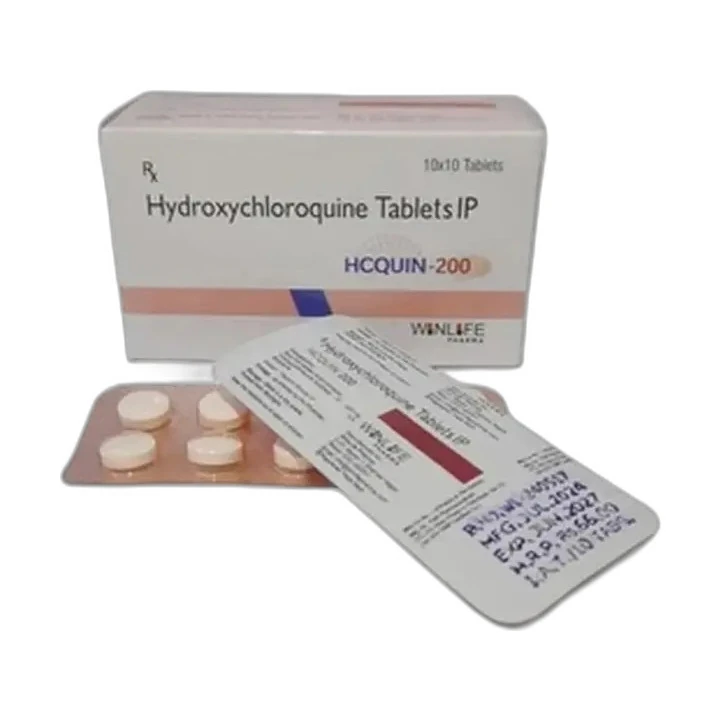
Hcquin (Hydroxychloroquine) 200 mg
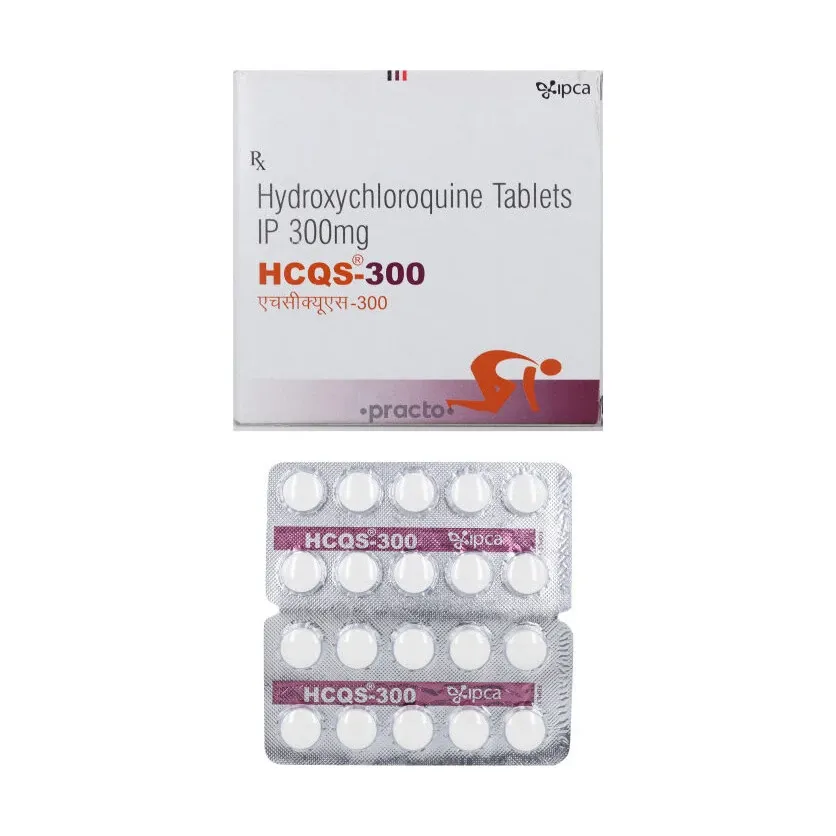
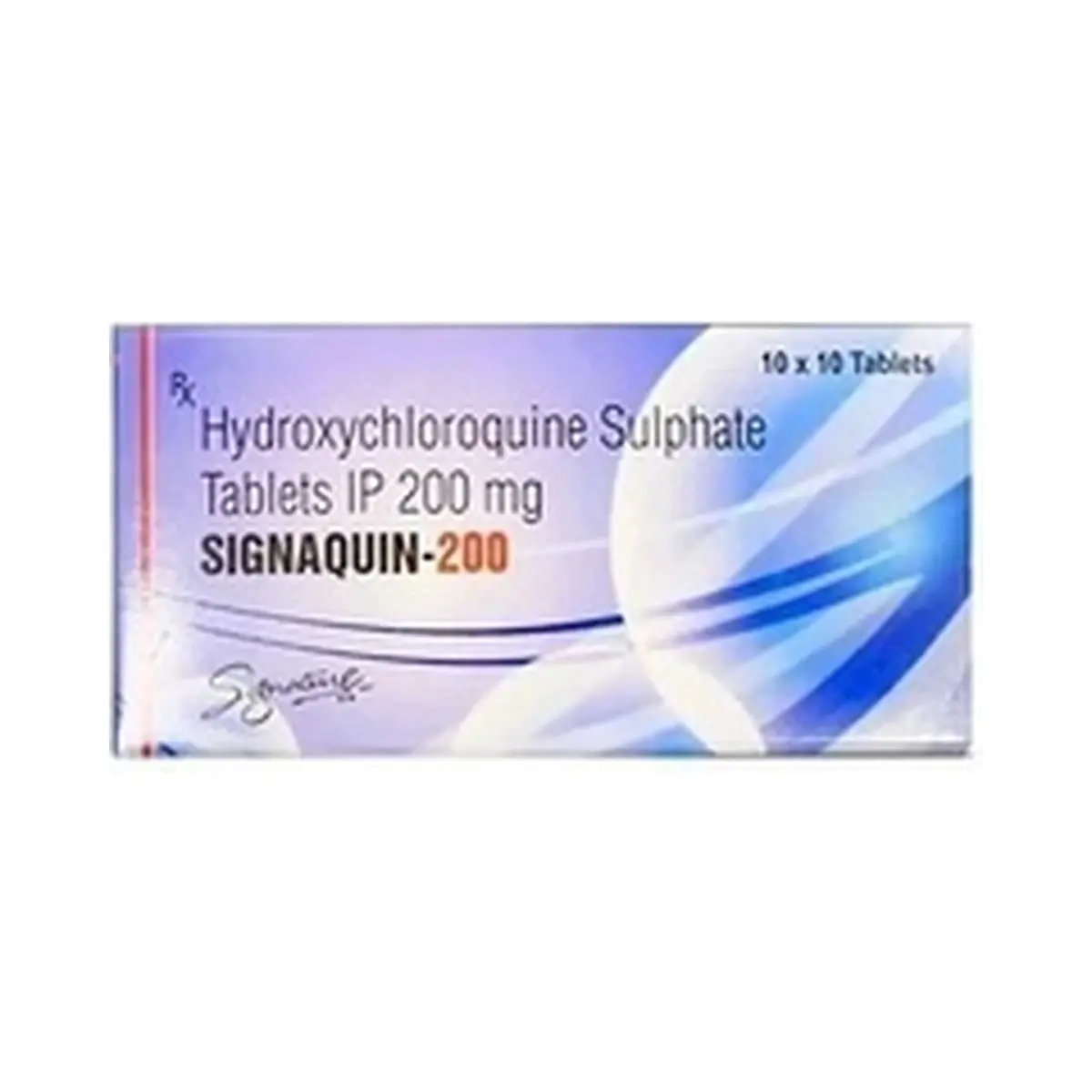
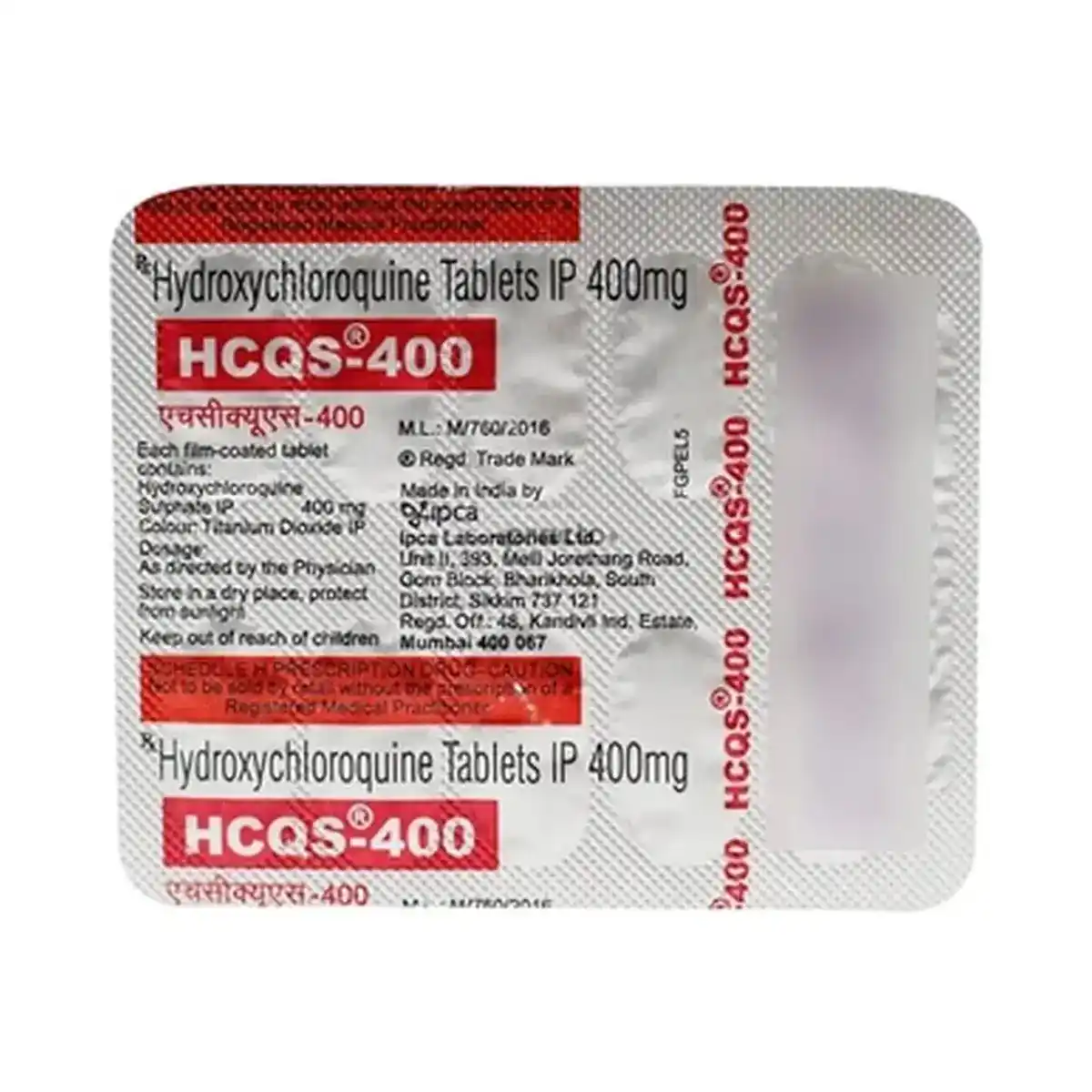
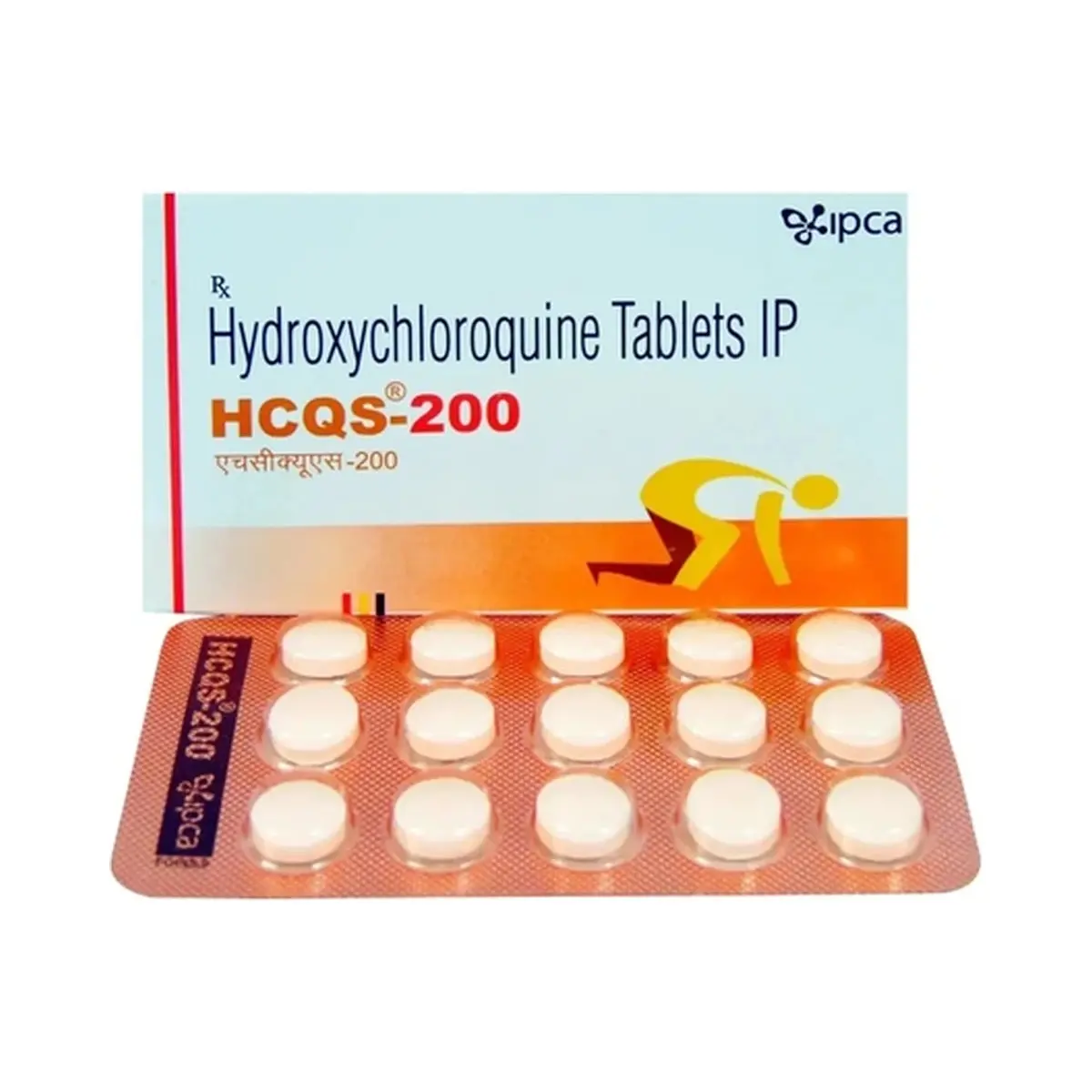
Hcquin 200 mg is a tablet containing hydroxychloroquine sulfate, a long-established antimalarial and antirheumatic medicine. The product name suggests a hydroxychloroquine tablet, and the verified active ingredient is hydroxychloroquine. It is used in clinical practice for malaria and for selected autoimmune inflammatory conditions.
Active Ingredient and Medicine Class
The active ingredient is hydroxychloroquine sulfate, a 4-aminoquinoline derivative. It belongs to the antimalarial class and is also used as an antirheumatic medicine. In rheumatology, it is commonly grouped among disease-modifying antirheumatic drugs because of its immunomodulatory effects.
Established Medical Uses
Hydroxychloroquine has established regulatory uses for uncomplicated malaria caused by susceptible Plasmodium species, malaria prevention in areas where chloroquine resistance is not reported, rheumatoid arthritis, systemic lupus erythematosus, and chronic discoid lupus erythematosus. It is not recommended for complicated malaria or for malaria caused by chloroquine-resistant strains. For some forms of malaria, resistance patterns matter and can limit usefulness.
How It Works
In malaria, hydroxychloroquine interferes with parasite survival inside red blood cells. Its exact mechanism is not fully known, but it is thought to accumulate in acidic compartments of the parasite and disrupt heme polymerisation, which is important for parasite detoxification. In autoimmune diseases, its anti-inflammatory and immunomodulatory actions are less completely understood, but it is known to reduce inflammatory signalling pathways and alter immune cell activity.
Important Safety Information
Hydroxychloroquine should not be used in patients with known hypersensitivity to 4-aminoquinoline compounds. Important precautions include the risk of serious cardiac effects, including cardiomyopathy and ventricular arrhythmias, and the risk of QT prolongation. It is generally not recommended with other drugs that prolong the QT interval or are otherwise arrhythmogenic. Clinically important interactions also include insulin or other antidiabetic medicines, because hydroxychloroquine may increase the risk of hypoglycaemia. Additional cautions are noted for patients with psoriasis, porphyria, seizure risk, blood disorders, renal disease, and those taking methotrexate, cyclosporine, digoxin, cimetidine, rifampicin, antiepileptics, antacids, kaolin, or ampicillin.
Possible Side Effects
The most commonly reported adverse effects are nausea, vomiting, diarrhoea, and abdominal pain. More serious reactions can include retinal toxicity with potential irreversible vision loss, severe skin reactions such as Stevens-Johnson syndrome or toxic epidermal necrolysis, blood count abnormalities, muscle weakness or neuropathy, hypoglycaemia, neuropsychiatric reactions including mood changes and suicidality, and renal toxicity. Rare but serious cardiac toxicity has also been reported.
Scientific Evidence
Peer-reviewed reviews describe hydroxychloroquine as an established therapy in systemic lupus erythematosus and an accepted option in rheumatoid arthritis and other autoimmune disorders. The scientific literature supports its anti-inflammatory and antithrombotic properties in selected rheumatic diseases, while also emphasising the need to balance benefit against cumulative toxicity, especially retinal and cardiac adverse effects. Evidence for some non-core uses is more limited and should be interpreted cautiously.
Medical Information Notice
This summary is provided for educational purposes only and is based on sources available at the time of review. It does not replace the official patient leaflet, prescribing information, or individual assessment by a qualified healthcare professional.
Medical Sources
- U.S. Food and Drug Administration / DailyMed PLAQUENIL (hydroxychloroquine sulfate) tablets, prescribing information. View official prescribing information
- U.S. Food and Drug Administration Hydroxychloroquine Sulfate Tablets, Highlights of Prescribing Information. View FDA label PDF
- Álvaro Danza et al. Hydroxychloroquine for autoimmune diseases. Rev Med Chil. 2016. View scientific article
- Laurent Arnaud et al. Hydroxychloroquine in systemic and autoimmune diseases: Where are we now? Joint Bone Spine. 2021. View scientific article