Description
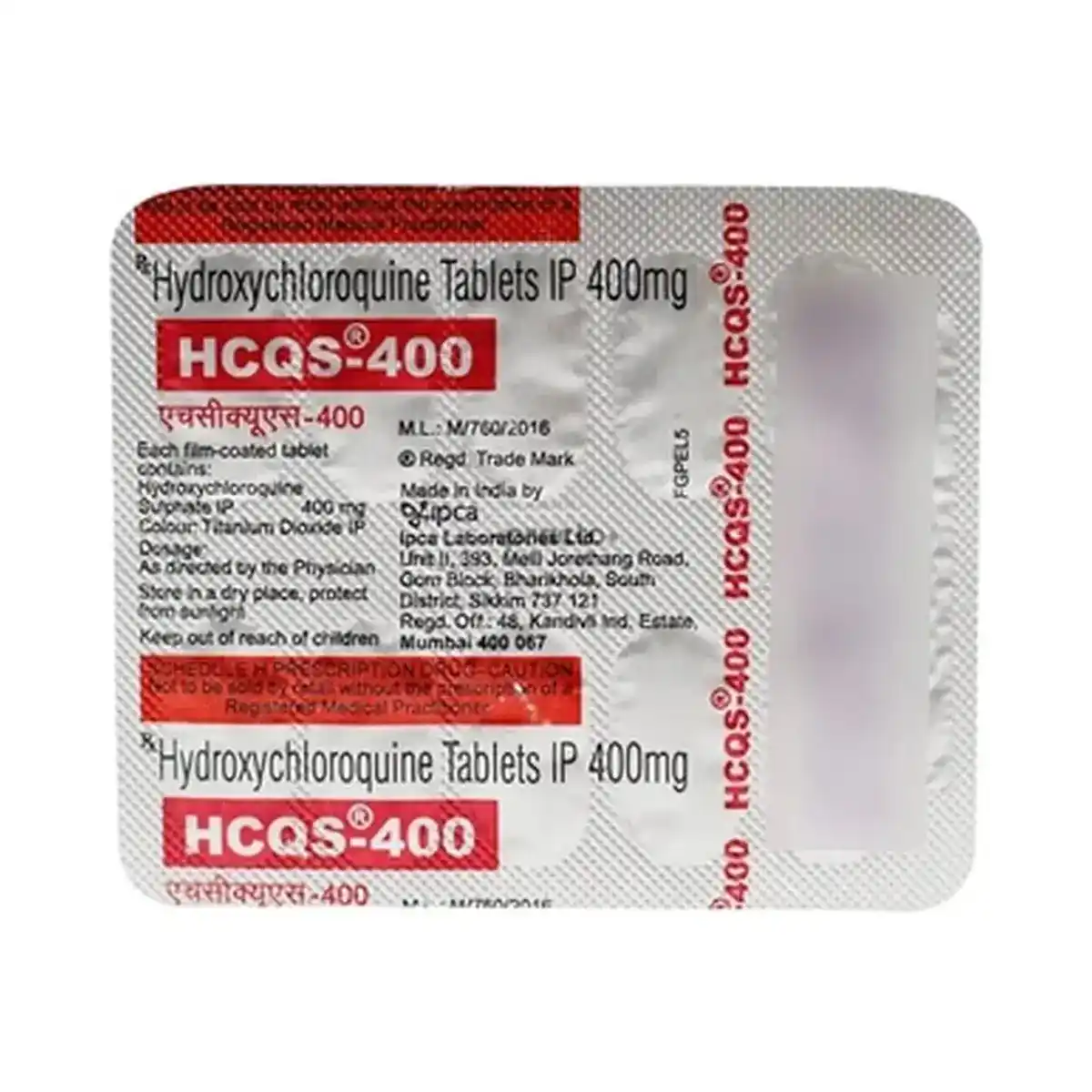
HCQS (Hydroxychloroquine) 400 mg
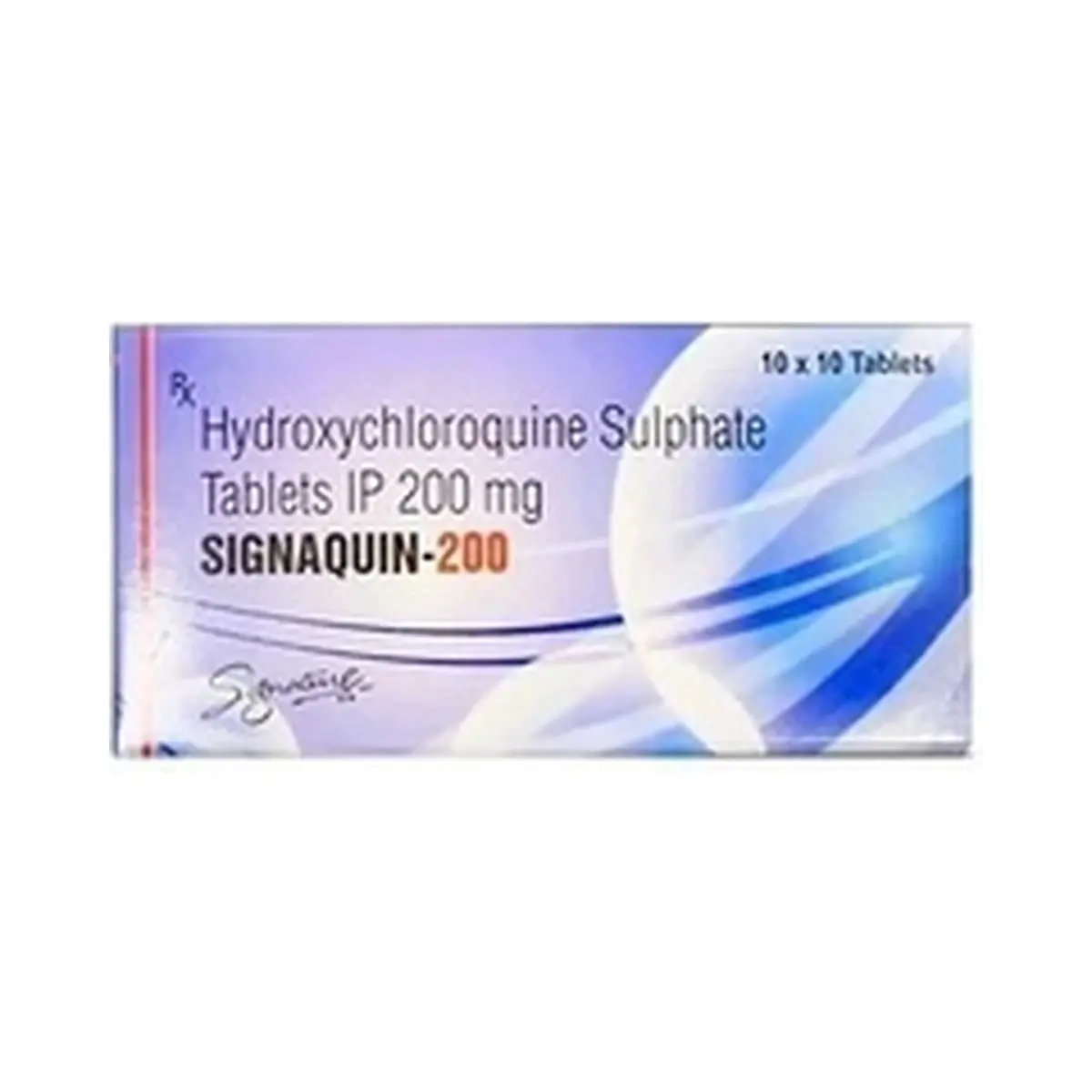
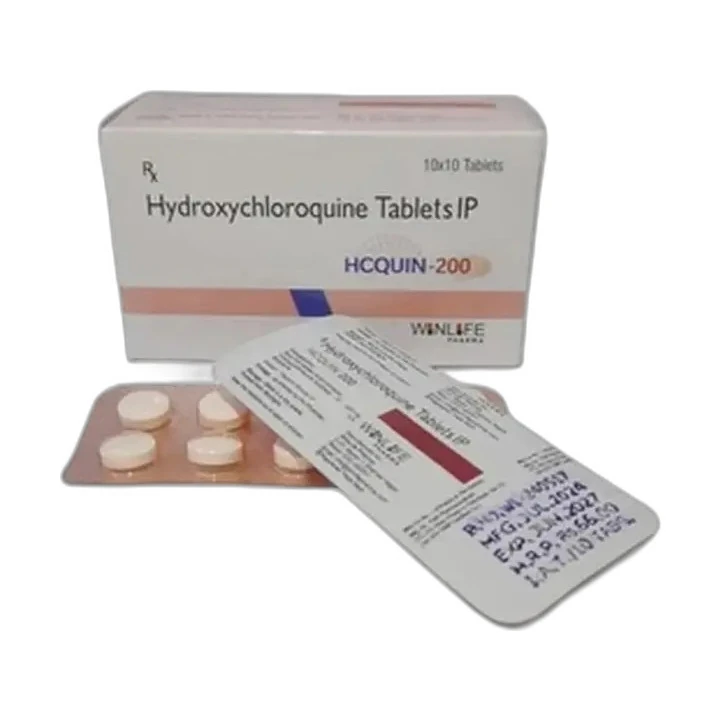
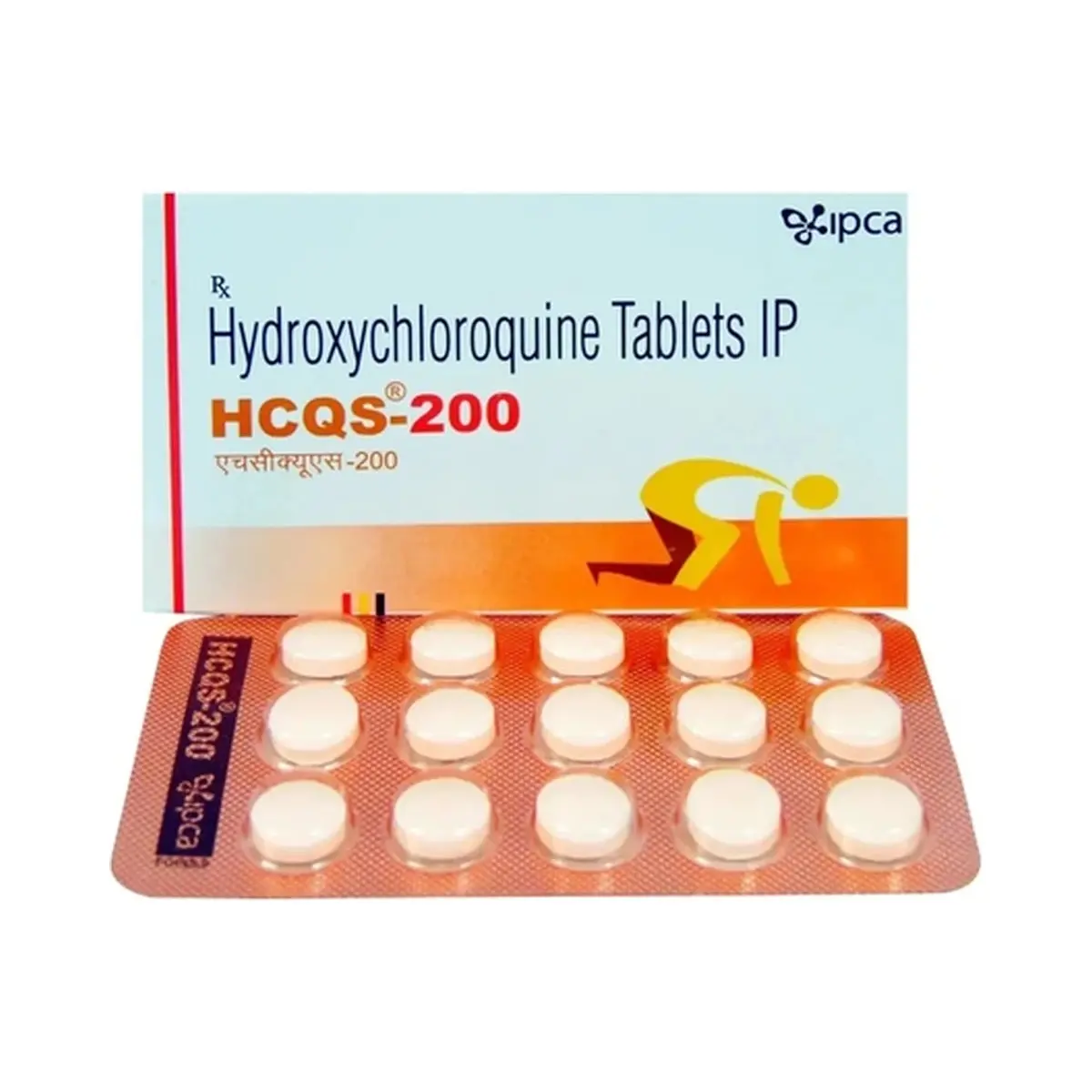
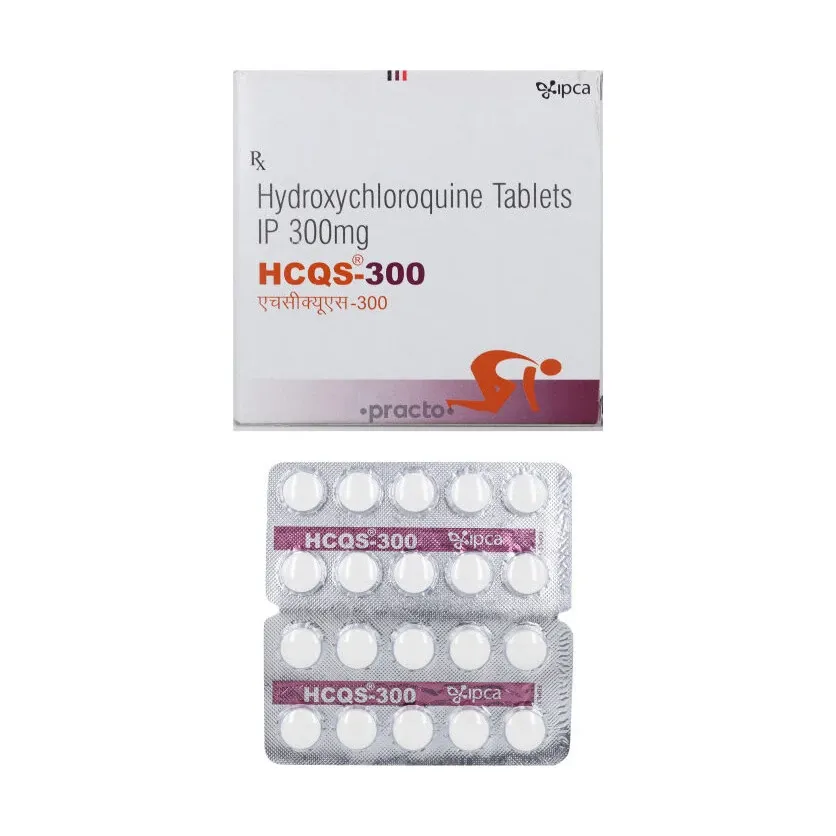
Hcqs 400 mg is a tablet medicine containing hydroxychloroquine, a 4-aminoquinoline antimalarial agent with additional antirheumatic and immunomodulatory activity. Established prescribing information for hydroxychloroquine supports its use in malaria prevention and treatment in appropriate settings, and in certain chronic inflammatory autoimmune conditions such as rheumatoid arthritis and lupus-related disease. The product name “Hcqs” was not independently verified as a unique branded medicine, so the description below is based on the confirmed active ingredient, hydroxychloroquine.
Active Ingredient and Medicine Class
The active ingredient is hydroxychloroquine sulfate. It belongs to the antimalarial class and is also used as an antirheumatic medicine. In clinical practice, it is commonly grouped among disease-modifying antirheumatic drugs because it can reduce inflammatory activity in some autoimmune disorders.
Established Medical Uses
Official prescribing information for hydroxychloroquine tablets includes treatment of uncomplicated malaria caused by susceptible Plasmodium species and prophylaxis of malaria in areas where chloroquine resistance is not reported. It is also indicated in adults for rheumatoid arthritis, systemic lupus erythematosus, and chronic discoid lupus erythematosus.
These uses reflect established medical indications, but the suitability of hydroxychloroquine depends on diagnosis, local resistance patterns for malaria, and individual risk factors. It is not recommended for complicated malaria or for malaria caused by chloroquine- or hydroxychloroquine-resistant strains.
How It Works
Hydroxychloroquine acts as an antimalarial and has anti-inflammatory effects that are useful in selected autoimmune diseases. Its precise mechanism in malaria is not fully detailed in prescribing information, but it is recognized as active against Plasmodium parasites. In rheumatoid arthritis and lupus-related disorders, the anti-inflammatory and immunomodulatory mechanisms are not fully known, although the medicine is thought to alter immune-cell signaling and inflammatory pathways in ways that reduce disease activity.
Important Safety Information
Hydroxychloroquine should not be used in people with known hypersensitivity to 4-aminoquinoline compounds. Important safety concerns include retinal toxicity, which may be irreversible and is associated with cumulative exposure and longer treatment duration. Cardiac toxicity is also important, including cardiomyopathy and QT-interval prolongation with risk of ventricular arrhythmias. The risk increases when hydroxychloroquine is combined with other medicines that prolong the QT interval or with other arrhythmogenic agents.
Additional cautions include severe skin reactions, worsening of psoriasis, neuropsychiatric reactions, hypoglycemia, hemolytic anemia in patients with G6PD deficiency, skeletal muscle myopathy or neuropathy, and renal toxicity. Use requires careful review of concomitant medicines, because interactions may occur with QT-prolonging drugs, antidiabetic medicines, antiepileptics, methotrexate, cyclosporine, digoxin, cimetidine, rifampicin, praziquantel, antacids, and ampicillin.
Possible Side Effects
Common adverse effects reported with hydroxychloroquine include nausea, vomiting, diarrhea, and abdominal pain. Other clinically important reactions may include headache, rash, dizziness, blurred vision, and changes in blood sugar. More serious but less common effects include retinal damage, heart rhythm disturbances, severe allergic or skin reactions, muscle or nerve toxicity, and psychiatric symptoms.
Scientific Evidence
Clinical and review literature supports hydroxychloroquine as a long-established medicine for malaria and selected autoimmune diseases. Reviews have described its use in systemic lupus erythematosus and rheumatoid arthritis for many decades, with benefit mainly in reducing inflammatory disease activity rather than curing underlying disease. More recent reviews continue to highlight a favorable role in lupus and some other rheumatic disorders, while also emphasizing the need to balance benefit against ocular, cardiac, and other toxicities. Safety evidence from systematic review data shows that adverse events are recognised across therapeutic areas, reinforcing the importance of appropriate patient selection and monitoring.
Medical Information Notice
This page is an educational summary based on official prescribing information and selected scientific publications available at the time of review. It does not replace the patient leaflet, product label, or individual assessment by a qualified healthcare professional.
Medical Sources
- U.S. Food and Drug Administration PLAQUENIL (hydroxychloroquine sulfate) tablets, prescribing information. View official prescribing information
- DailyMed / National Library of Medicine Hydroxychloroquine sulfate tablets, highlights of prescribing information. View official drug label
- K D Rainsford et al. Therapy and pharmacological properties of hydroxychloroquine and chloroquine in treatment of systemic lupus erythematosus, rheumatoid arthritis and related diseases. Inflammopharmacology, 2015. View scientific article
- Fernando Luiz Barros Edington et al. Safety of treatment with chloroquine and hydroxychloroquine: A ten-year systematic review and meta-analysis. European Journal of Internal Medicine, 2021. View scientific article