Description
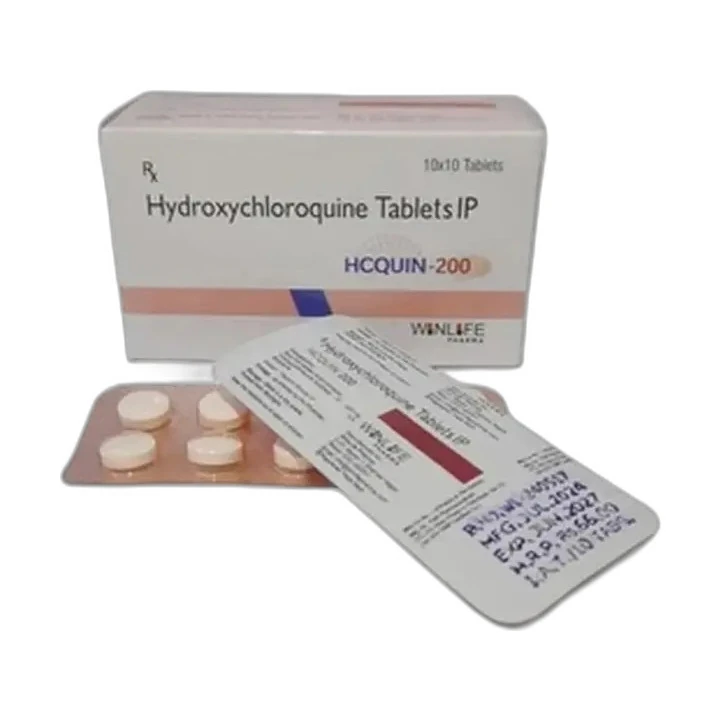
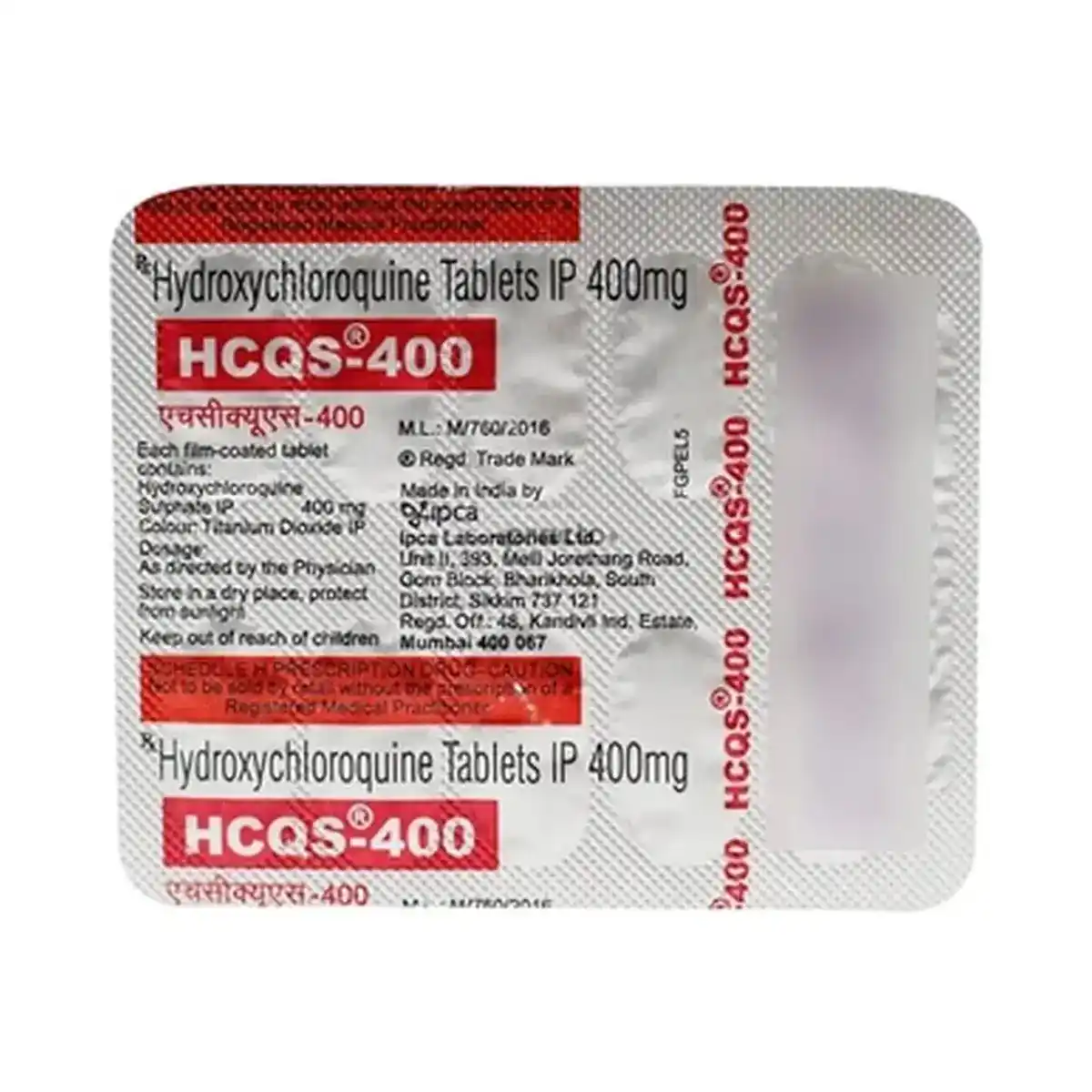
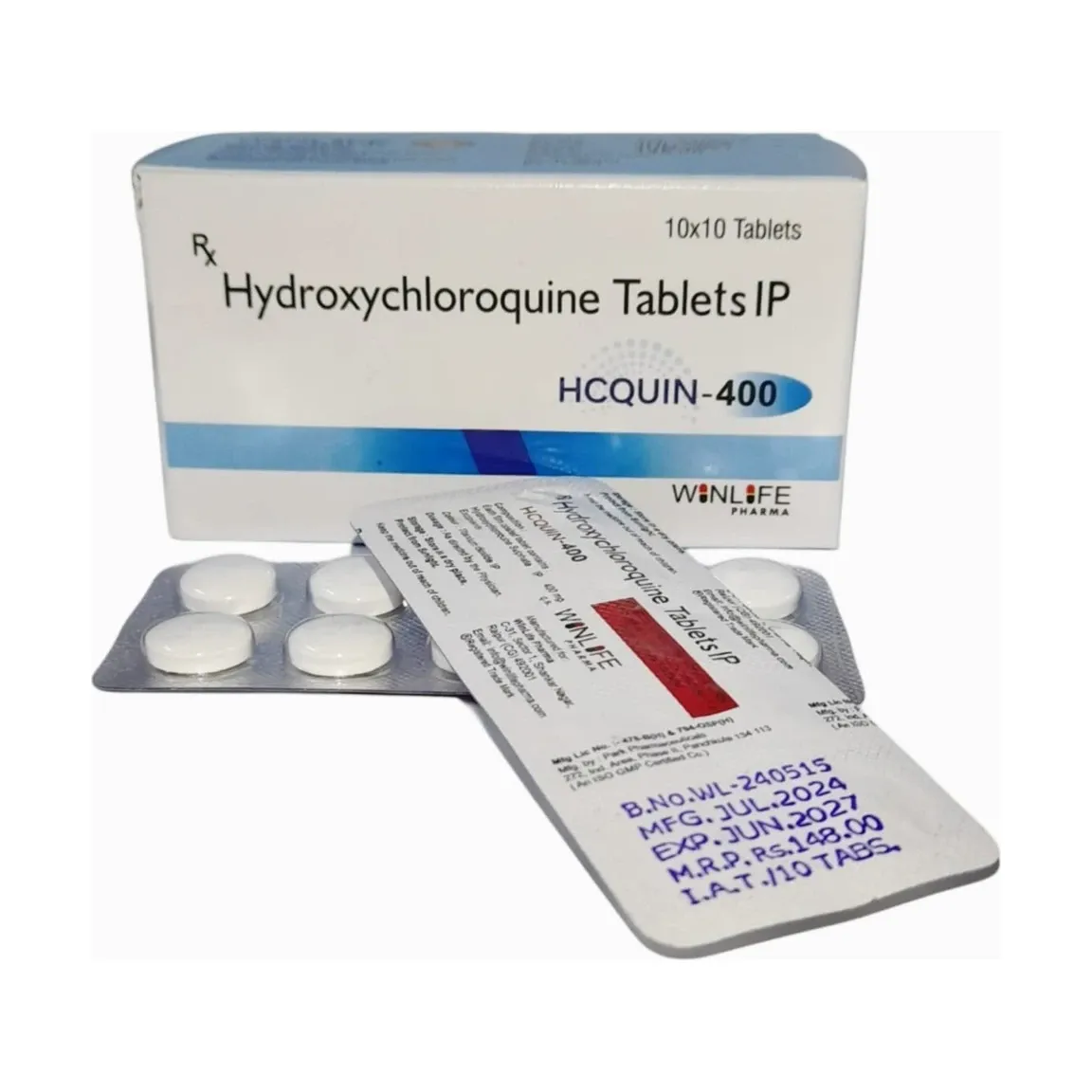
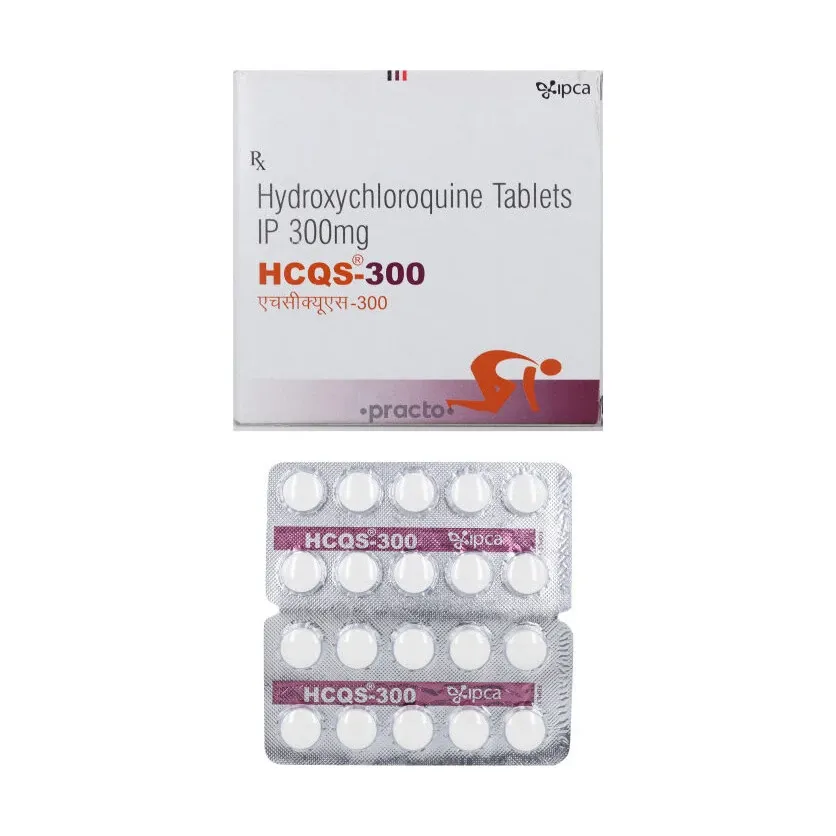
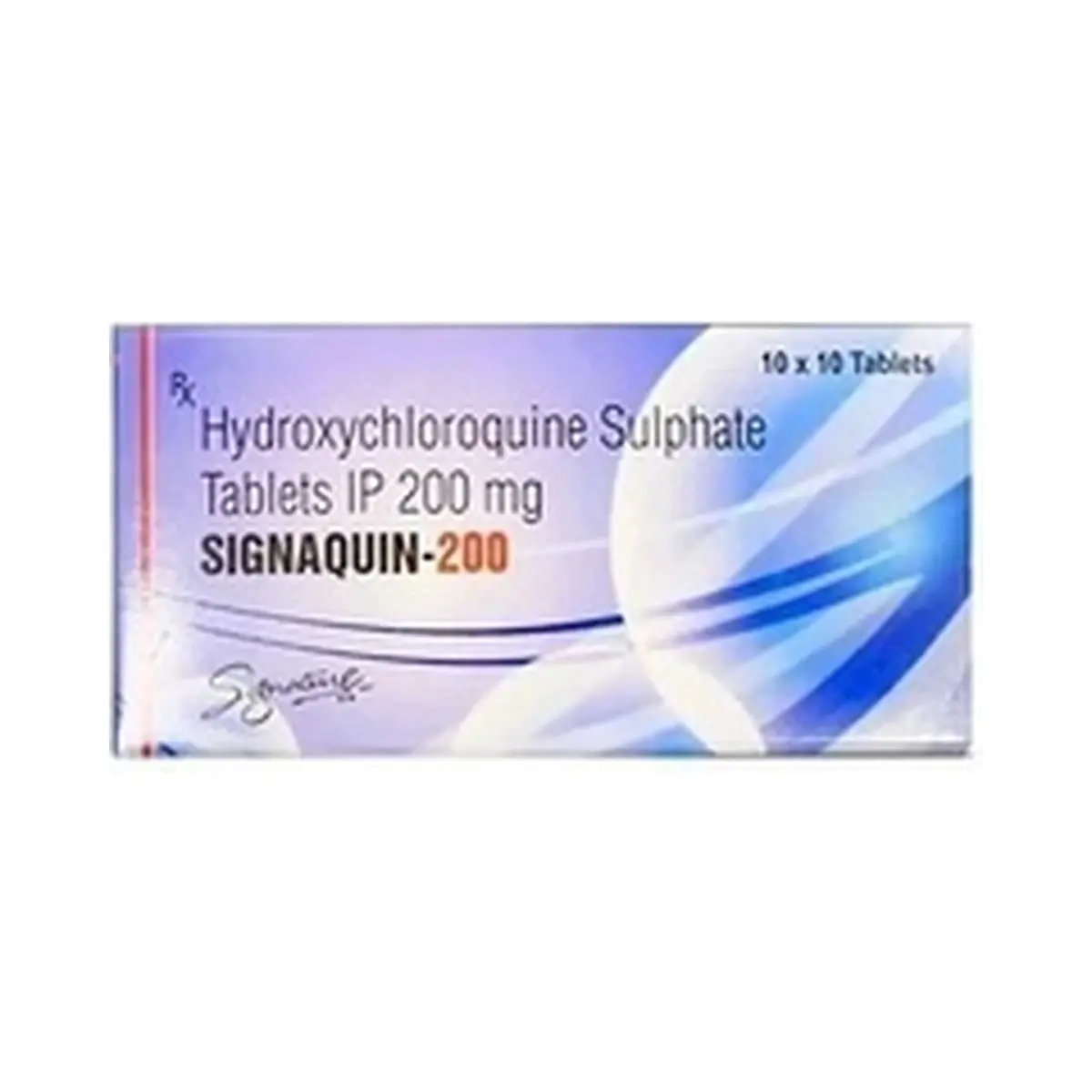
Signaquin (Hydroxychloroquine) 200 mg
Signaquin 200 mg is a tablet medicine containing hydroxychloroquine, an antimalarial agent that is also used as a disease-modifying antirheumatic medicine. It has long-standing medical use in malaria and in selected autoimmune conditions, particularly where suppression of inflammatory activity is clinically appropriate.
Active Ingredient and Medicine Class
The verified active ingredient is hydroxychloroquine, usually supplied as hydroxychloroquine sulfate. It belongs to the 4-aminoquinoline antimalarial class and is also classified as a conventional disease-modifying antirheumatic drug. This dual use reflects both its antimalarial activity and its ability to alter immune and inflammatory pathways.
Established Medical Uses
Hydroxychloroquine is established for the treatment and prevention of malaria in appropriate settings, subject to local resistance patterns and official prescribing guidance. It is also used in some autoimmune and inflammatory diseases, including rheumatoid arthritis and systemic lupus erythematosus, where it may help reduce disease activity and flare frequency.
In some jurisdictions, hydroxychloroquine is authorised for additional rheumatic indications, while exact approved uses vary by country and product label. Its use in any condition should be based on the official prescribing information for the specific medicine.
How It Works
Hydroxychloroquine concentrates within cells and alters the function of acidic intracellular compartments such as lysosomes and endosomes. This can affect antigen processing, immune signalling, and the activation of pathways involved in inflammation. In malaria, it interferes with parasite handling of haem within infected red blood cells, which contributes to antimalarial activity.
Important Safety Information
Hydroxychloroquine is not suitable for everyone. Important contraindications and precautions include hypersensitivity to hydroxychloroquine or related 4-aminoquinoline compounds. Care is also required in people with pre-existing retinal disease, because eye toxicity is a recognised serious risk with this medicine.
Clinically significant interactions may occur with medicines that prolong the QT interval, with antiarrhythmics, and with certain other drugs that increase the risk of rhythm disturbances. Caution is also warranted with agents that can affect blood glucose, because hydroxychloroquine may contribute to changes in glucose control.
Other precautions include a history of cardiac disease, liver disease, kidney impairment, neuromuscular disorders, and use with medicines that may increase toxicity. Official product information should always be checked for the complete list of contraindications and interaction warnings.
Possible Side Effects
Common adverse effects may include nausea, abdominal discomfort, vomiting, diarrhoea, headache, dizziness, and skin reactions such as rash or itching. Some people may also experience blurred vision or other visual symptoms.
Serious adverse reactions can include retinal toxicity, which may cause permanent vision loss if not recognised promptly, as well as heart rhythm abnormalities, cardiomyopathy, severe skin reactions, blood disorders, and neuropsychiatric effects. Muscle weakness and hypoglycaemia have also been reported. The risk of serious toxicity is one reason why monitoring and adherence to official warnings are important.
Scientific Evidence
Human clinical and review literature supports hydroxychloroquine’s established role in malaria and its long use in autoimmune disease management. Reviews describe immunomodulatory effects that may reduce inflammatory activity in systemic lupus erythematosus, rheumatoid arthritis, and related disorders. However, the overall benefits must be balanced against the possibility of retinal, cardiac, and other toxicities.
Published reviews also note that hydroxychloroquine is generally considered better tolerated than some older antirheumatic options, but serious adverse effects remain clinically important, especially with prolonged exposure or in higher-risk patients. Evidence for some proposed additional benefits exists, but not all of these uses are equally established in routine practice.
Medical Information Notice
This page is an educational summary based on authoritative sources available at the time of review. It does not replace the official patient leaflet, full prescribing information, or an individual assessment by a qualified healthcare professional.
Medical Sources
- U.S. Food and Drug Administration. Hydroxychloroquine Sulfate Tablets, USP — Prescribing Information
- U.S. Food and Drug Administration. PLAQUENIL (hydroxychloroquine sulfate) tablets — Prescribing Information
- Electronic Medicines Compendium (emc). Hydroxychloroquine 300 mg film-coated tablets — Summary of Product Characteristics
- Ilan Ben-Zvi et al. Hydroxychloroquine: from malaria to autoimmunity. Clinical Reviews in Allergy & Immunology, 2012. View scientific article
- Álvaro Danza et al. Hydroxychloroquine for autoimmune diseases. Rev Med Chil, 2016. View scientific article