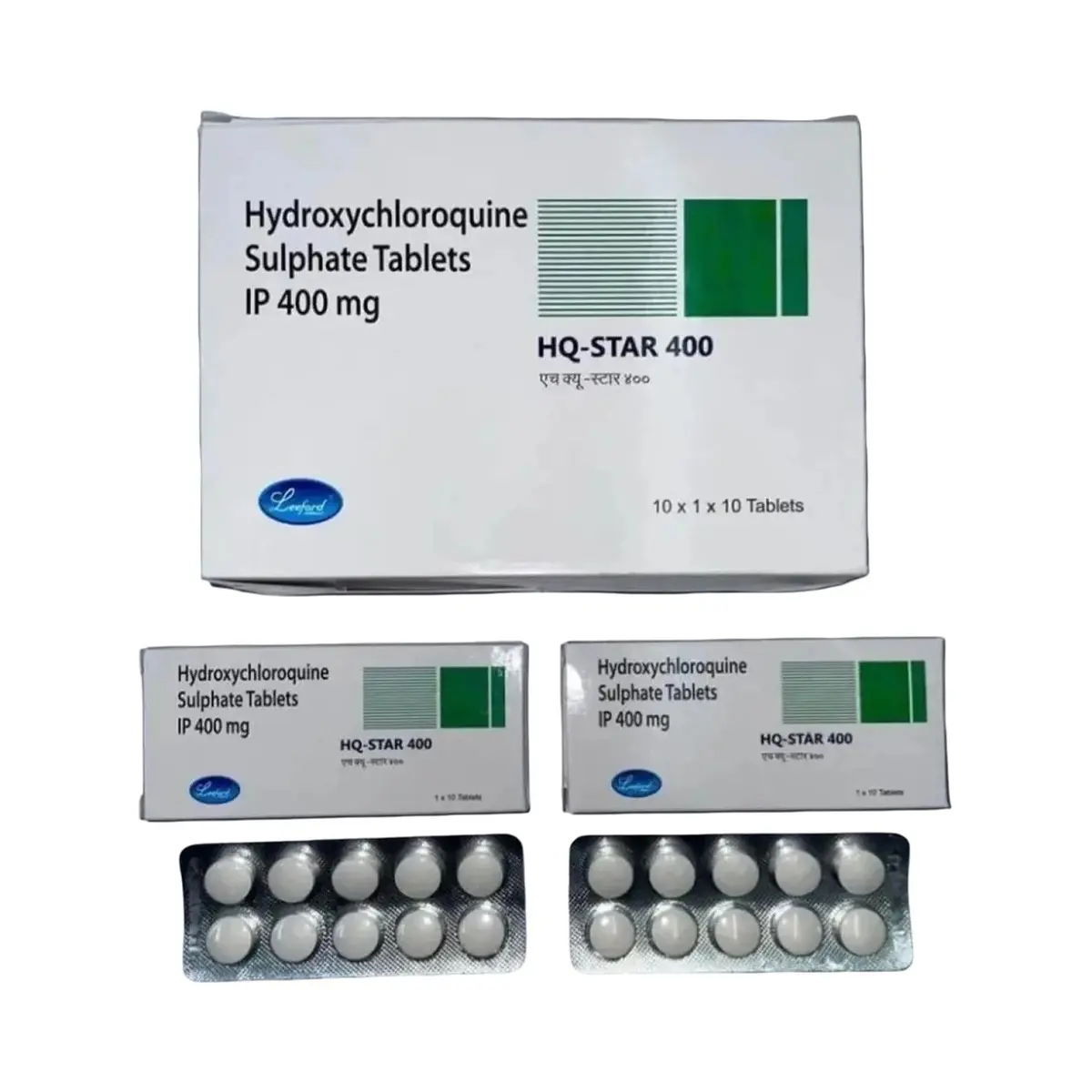
Description
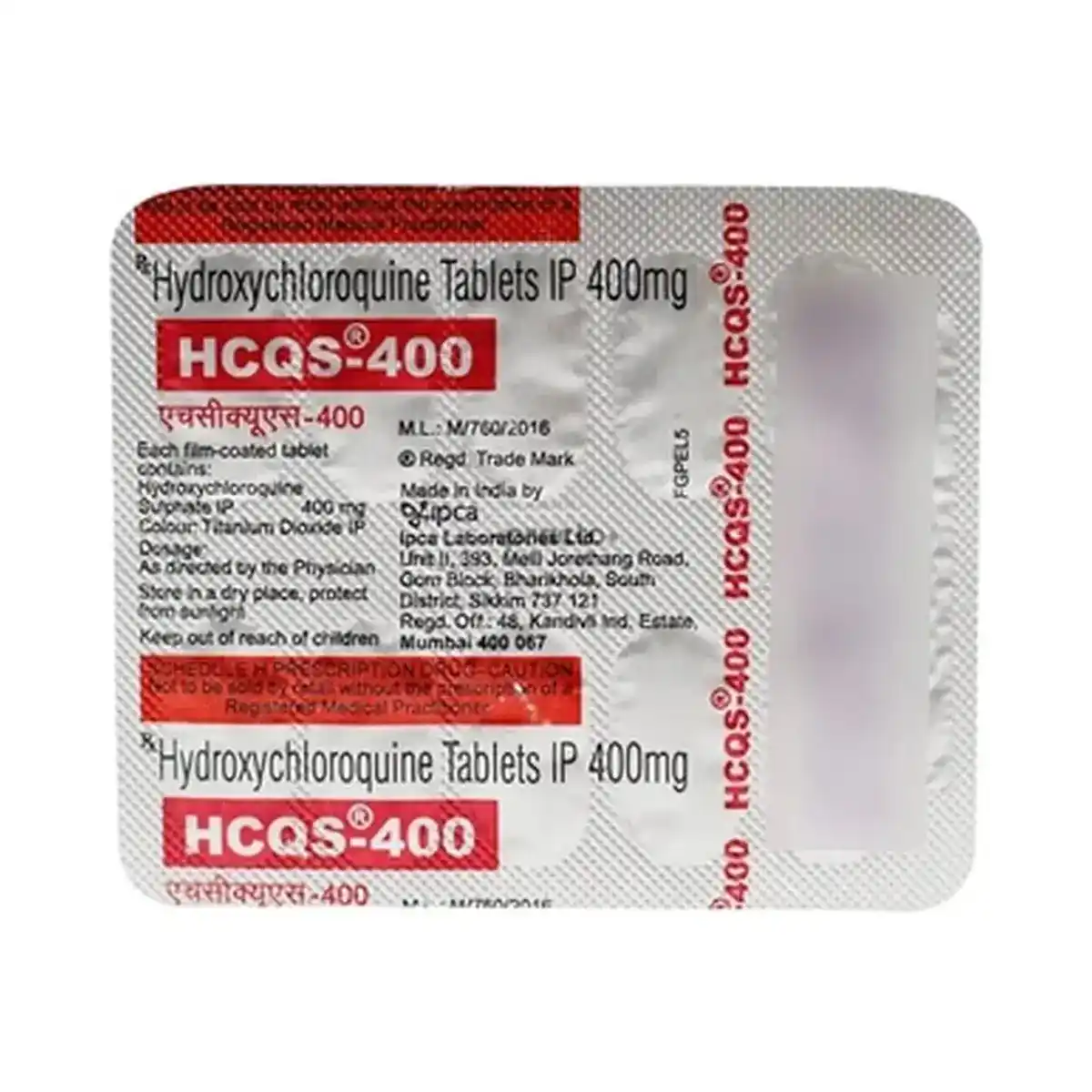
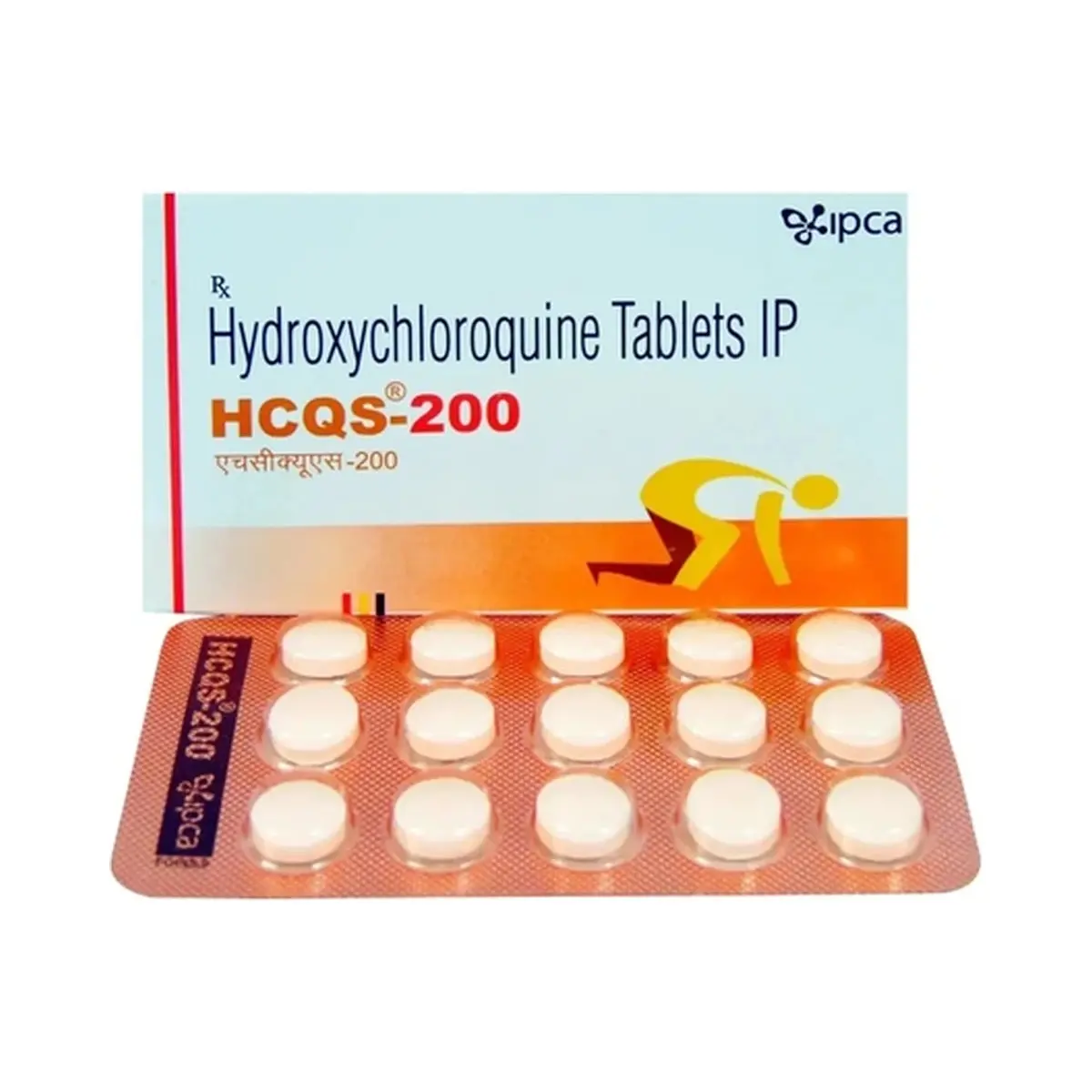
HQ star (Hydroxychloroquine)
Hq star is a listed hydroxychloroquine medicine in a 400 mg tablet presentation. Hydroxychloroquine is a long-established antimalarial medicine that is also used for certain inflammatory autoimmune conditions. Because brand names can vary by market, the verified active ingredient is the most reliable basis for describing this product.
Active Ingredient and Medicine Class
The active ingredient is hydroxychloroquine sulfate. It belongs to the 4-aminoquinoline antimalarial class. In clinical practice, it is also used as an immunomodulatory antirheumatic agent in selected autoimmune diseases.
Established Medical Uses
Official prescribing information identifies hydroxychloroquine for the treatment of uncomplicated malaria caused by susceptible Plasmodium species and for malaria prophylaxis in areas where chloroquine resistance is not reported. It is also indicated in adults for rheumatoid arthritis, systemic lupus erythematosus, and chronic discoid lupus erythematosus.
For malaria, the official label notes important limitations: it is not recommended for complicated malaria and is not recommended for chloroquine- or hydroxychloroquine-resistant strains. In Plasmodium vivax and Plasmodium ovale infections, radical cure requires additional therapy beyond hydroxychloroquine.
How It Works
Hydroxychloroquine acts by accumulating in acidic intracellular compartments and altering their pH. This can interfere with parasite survival in malaria and can also modify immune-cell signalling in inflammatory disease. Scientific reviews describe effects on lysosomal activity, autophagy, endosomal and Toll-like receptor pathways, and cytokine production. These immune effects help explain its use in lupus and rheumatoid arthritis, although the exact clinical mechanisms are not completely defined.
Important Safety Information
Hydroxychloroquine is contraindicated in people with hypersensitivity to 4-aminoquinoline compounds. The prescribing information also warns about clinically important risks including QT prolongation and ventricular arrhythmias, especially in people with existing cardiac disease, electrolyte abnormalities, or when used with other QT-prolonging drugs.
Other important precautions include retinal toxicity, cardiomyopathy, serious skin reactions, worsening psoriasis, hematologic toxicity, hemolytic anemia in G6PD deficiency, myopathy or neuropathy, neuropsychiatric reactions including suicidality, hypoglycemia, and renal toxicity. Clinically significant interactions are reported with insulin and other antidiabetic drugs, digoxin, cyclosporine, methotrexate, antiepileptic drugs, rifampicin, praziquantel, and antacids or kaolin.
Possible Side Effects
The most commonly reported adverse effects include nausea, vomiting, diarrhea, and abdominal pain. Less common but clinically important reactions include visual changes, skin eruptions, muscle weakness, mood or behavior changes, low blood sugar, and cardiac rhythm disturbances. Serious eye, heart, skin, muscle, and nerve toxicity are recognized risks, particularly with longer exposure or in susceptible patients.
Scientific Evidence
Human and review literature supports hydroxychloroquine as a long-used therapy in malaria and in autoimmune diseases such as rheumatoid arthritis and systemic lupus erythematosus. Reviews in PubMed describe its immunomodulatory effects, including interference with lysosomal function, autophagy, and antigen processing, which are consistent with its anti-inflammatory role. At the same time, the literature also emphasizes a narrow safety margin for some toxicities, particularly retinal and cardiac adverse effects.
Medical Information Notice
This page is an educational summary based on sources available at the time of review. It does not replace the official patient leaflet, prescribing information, or assessment by a qualified healthcare professional.
Medical Sources
- U.S. Food and Drug Administration. Hydroxychloroquine Sulfate Tablets, Full Prescribing Information. View prescribing information
- U.S. Food and Drug Administration. PLAQUENIL (hydroxychloroquine sulfate) tablets, Full Prescribing Information. View prescribing information
- DailyMed / National Library of Medicine. Hydroxychloroquine sulfate tablets, for oral use. View official drug label
- Eva Schrezenmeier et al. Mechanisms of action of hydroxychloroquine and chloroquine: implications for rheumatology. Nature Reviews Rheumatology, 2020. View scientific article
- R I Fox. Mechanism of action of hydroxychloroquine as an antirheumatic drug. Seminars in Arthritis and Rheumatism, 1993. View scientific article