Description
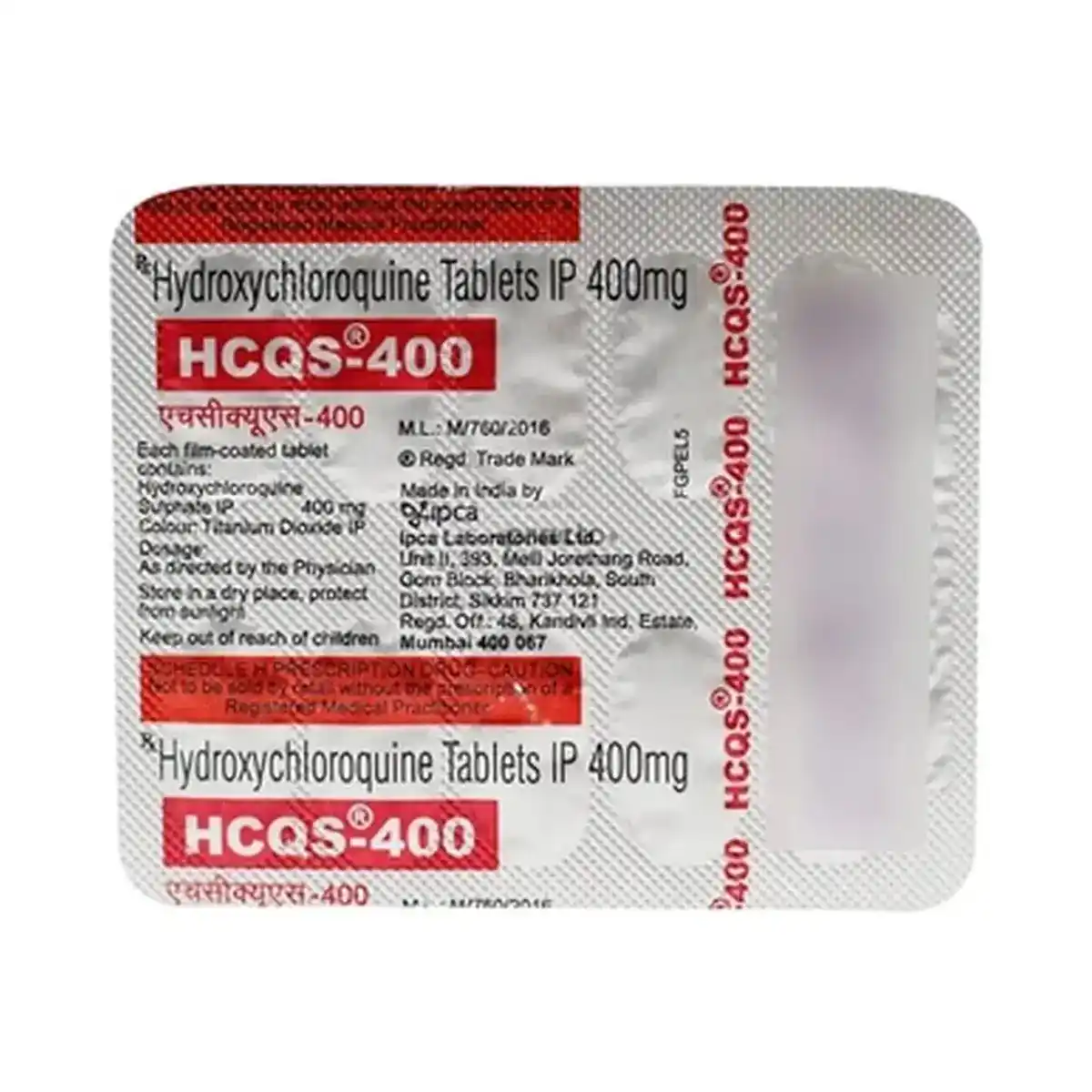
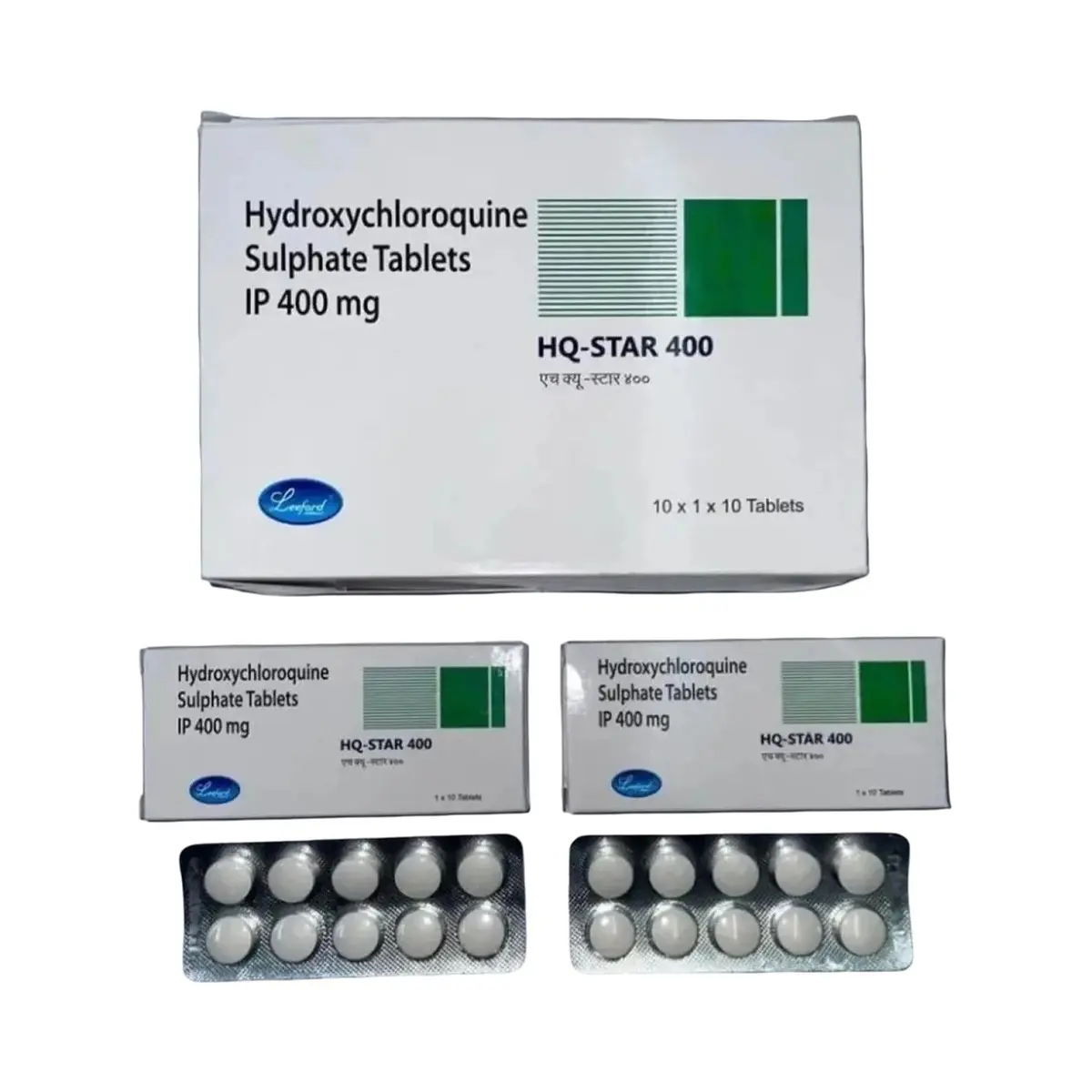
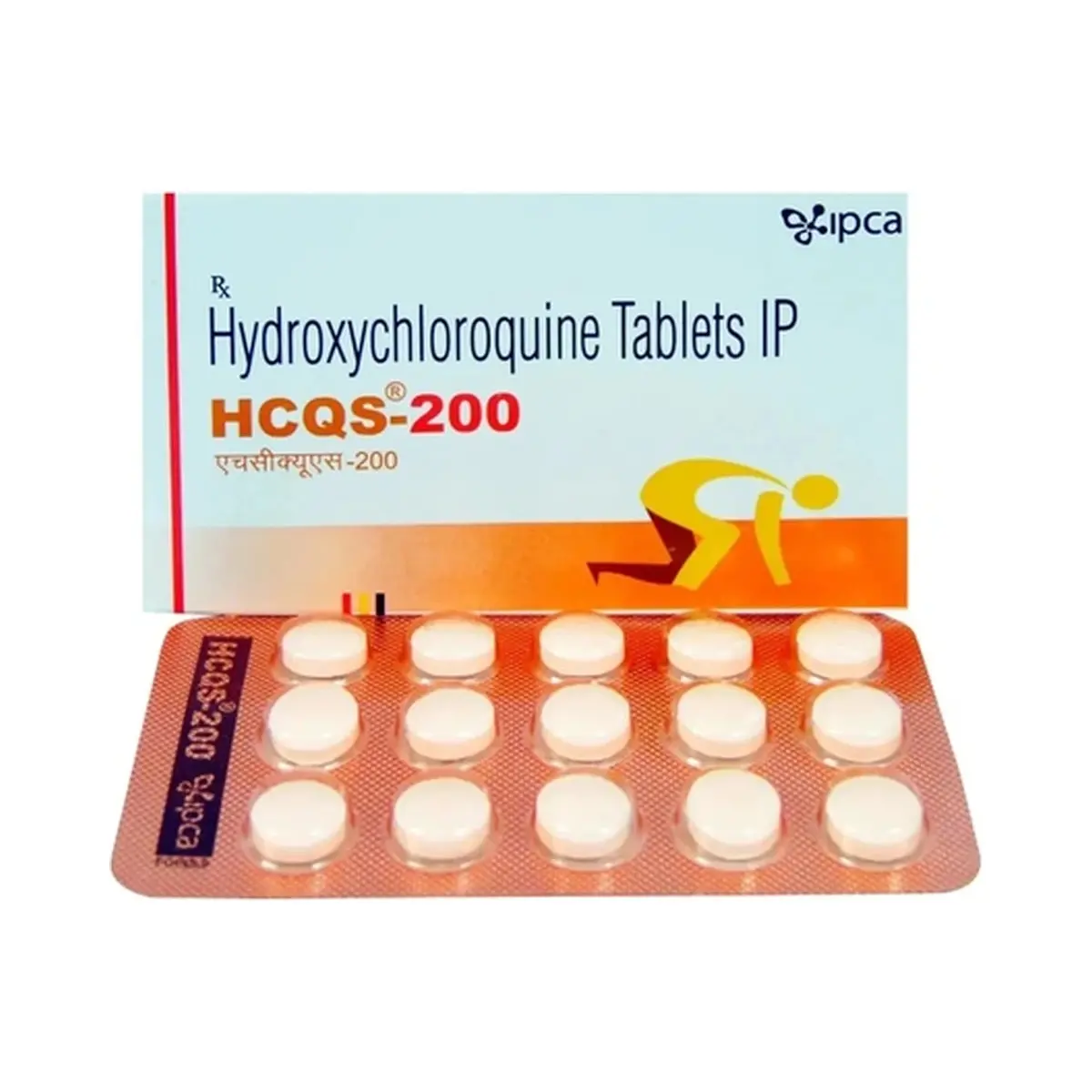
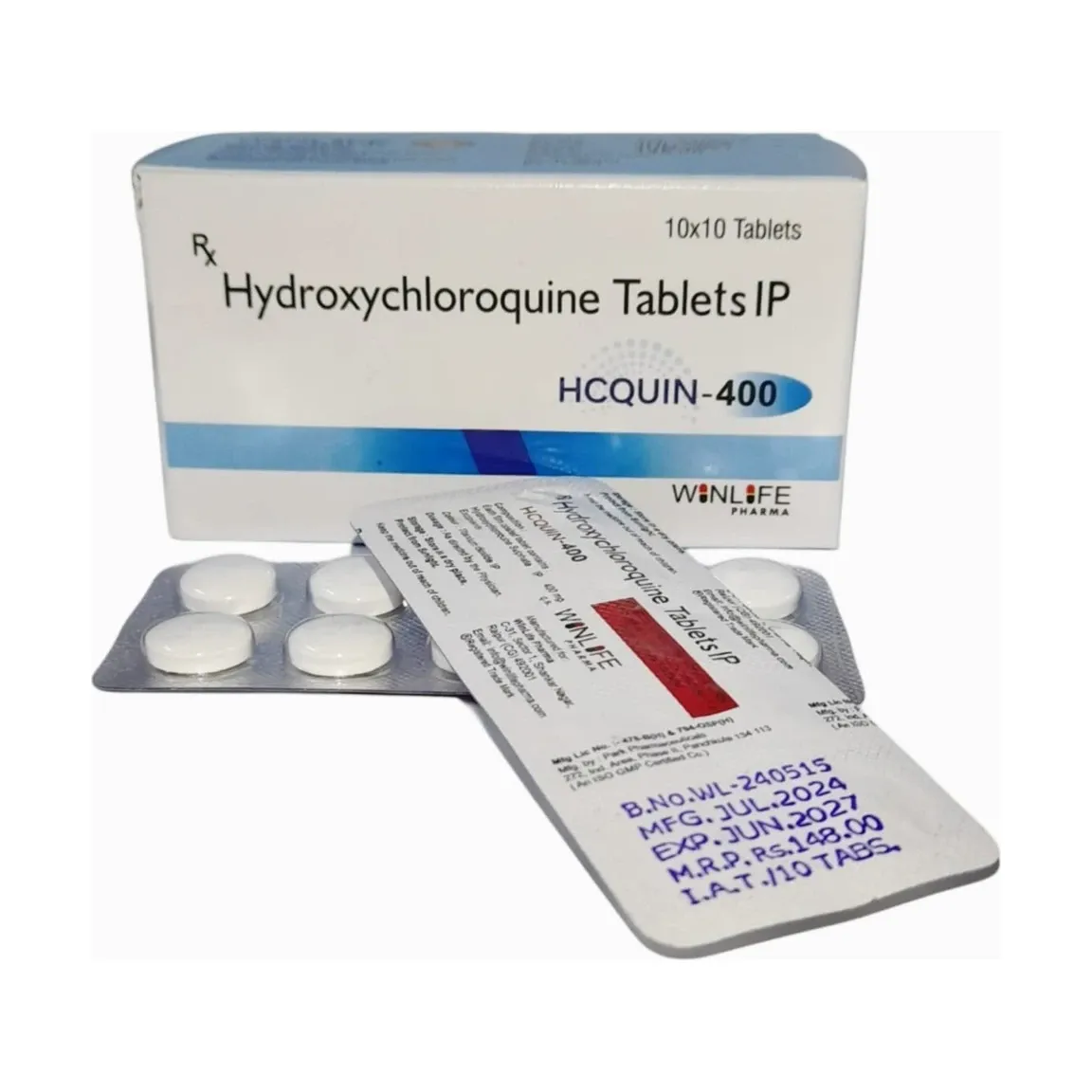
Hcquin (Hydroxychloroquine) 400 mg
Hcquin is listed here as a hydroxychloroquine-containing tablet medicine. Hydroxychloroquine is a long-established antimalarial and antirheumatic agent used in selected parasitic and autoimmune conditions. Because the exact trade name was not independently verified, this summary is based on hydroxychloroquine sulfate prescribing information and scientific literature.
Active Ingredient and Medicine Class
The verified active ingredient is hydroxychloroquine sulfate, a 4-aminoquinoline antimalarial with immunomodulatory and anti-inflammatory properties. In clinical practice, it is also classified as an antirheumatic medicine. It is taken by mouth and distributed extensively throughout body tissues.
Established Medical Uses
Official prescribing information identifies hydroxychloroquine as indicated for uncomplicated malaria caused by susceptible Plasmodium species and for malaria prophylaxis in geographic areas where chloroquine resistance is not reported. It is also indicated for rheumatoid arthritis, systemic lupus erythematosus, and chronic discoid lupus erythematosus in adults.
Prescribing information also notes important limitations: it is not recommended for complicated malaria, for chloroquine- or hydroxychloroquine-resistant malaria, or for malaria acquired where chloroquine resistance occurs. It is not active against the dormant liver forms of certain parasites, so it does not prevent relapses of some infections.
How It Works
In malaria, hydroxychloroquine is thought to concentrate inside the parasite’s acidic compartments and interfere with heme polymerisation, which helps stop parasite growth. It may also affect certain parasite enzymes through interactions with DNA.
In autoimmune disease, the exact mechanism is not fully known. Evidence supports anti-inflammatory and immunomodulatory actions that can reduce disease activity in conditions such as lupus and rheumatoid arthritis.
Important Safety Information
Hydroxychloroquine is contraindicated in people with known hypersensitivity to 4-aminoquinoline compounds. Prescribing information warns about serious cardiac toxicity, including cardiomyopathy, QT-interval prolongation, ventricular arrhythmias, and torsades de pointes, especially in patients with existing QT prolongation or other risk factors.
Retinal toxicity is a major concern with cumulative exposure and longer treatment duration; ocular damage may be irreversible. Other important precautions include serious skin reactions, worsening psoriasis, blood disorders, neuropsychiatric reactions, hypoglycemia, skeletal muscle myopathy or neuropathy, and renal toxicity.
Clinically significant interactions noted in prescribing information include drugs that prolong the QT interval, insulin or other antidiabetic medicines, certain antiepileptics, methotrexate, cyclosporine, digoxin, cimetidine, rifampicin, praziquantel, antacids, kaolin, and ampicillin. Hydroxychloroquine may also inhibit several metabolic pathways in vitro, which may contribute to interaction risk.
Possible Side Effects
Reported adverse effects include nausea, vomiting, diarrhea, abdominal pain, headache, dizziness, fatigue, and skin reactions. More serious reactions can include visual changes, retinal damage, cardiac rhythm disturbances, cardiomyopathy, severe hypoglycemia, hearing changes, blood count abnormalities, and rare but serious neuropsychiatric effects.
Because some serious toxicities may develop gradually, ongoing monitoring is important in routine clinical use.
Scientific Evidence
Peer-reviewed reviews describe hydroxychloroquine as an established therapy for selected autoimmune diseases, particularly systemic lupus erythematosus and rheumatoid arthritis, where it may help control inflammation and disease activity. The literature also supports its long history of antimalarial use.
At the same time, more recent reviews emphasize that safety depends on patient selection, cumulative exposure, and awareness of toxicity risks, especially retinal and cardiac adverse effects. Human evidence does not support presenting hydroxychloroquine as universally effective or risk-free.
Medical Information Notice
This page is an educational summary based on sources available at the time of review. It does not replace the official patient leaflet, local prescribing information, or assessment by a qualified healthcare professional.
Medical Sources
- U.S. Food and Drug Administration. PLAQUENIL (hydroxychloroquine sulfate) tablets, for oral use. View prescribing information
- DailyMed / National Library of Medicine. PLAQUENIL — hydroxychloroquine sulfate tablet. View official drug label
- K D Rainsford et al. Therapy and pharmacological properties of hydroxychloroquine and chloroquine in treatment of systemic lupus erythematosus, rheumatoid arthritis and related diseases. Inflammopharmacology, 2015. View scientific article
- J A Bansal et al. The Pharmacological Mechanisms and Therapeutic Activities of Hydroxychloroquine in Rheumatic and Related Diseases. Current Medicinal Chemistry, 2017. View scientific article