Description
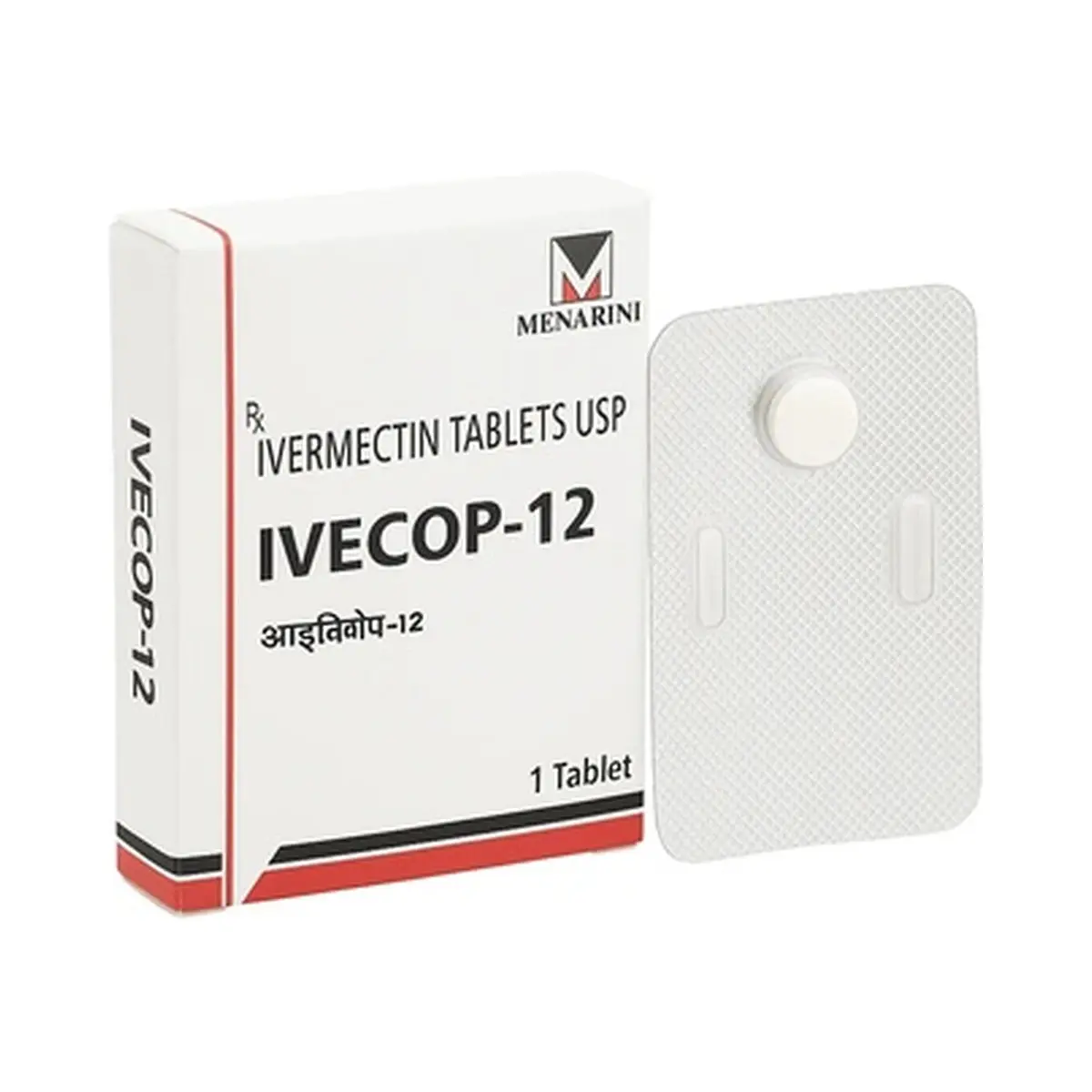
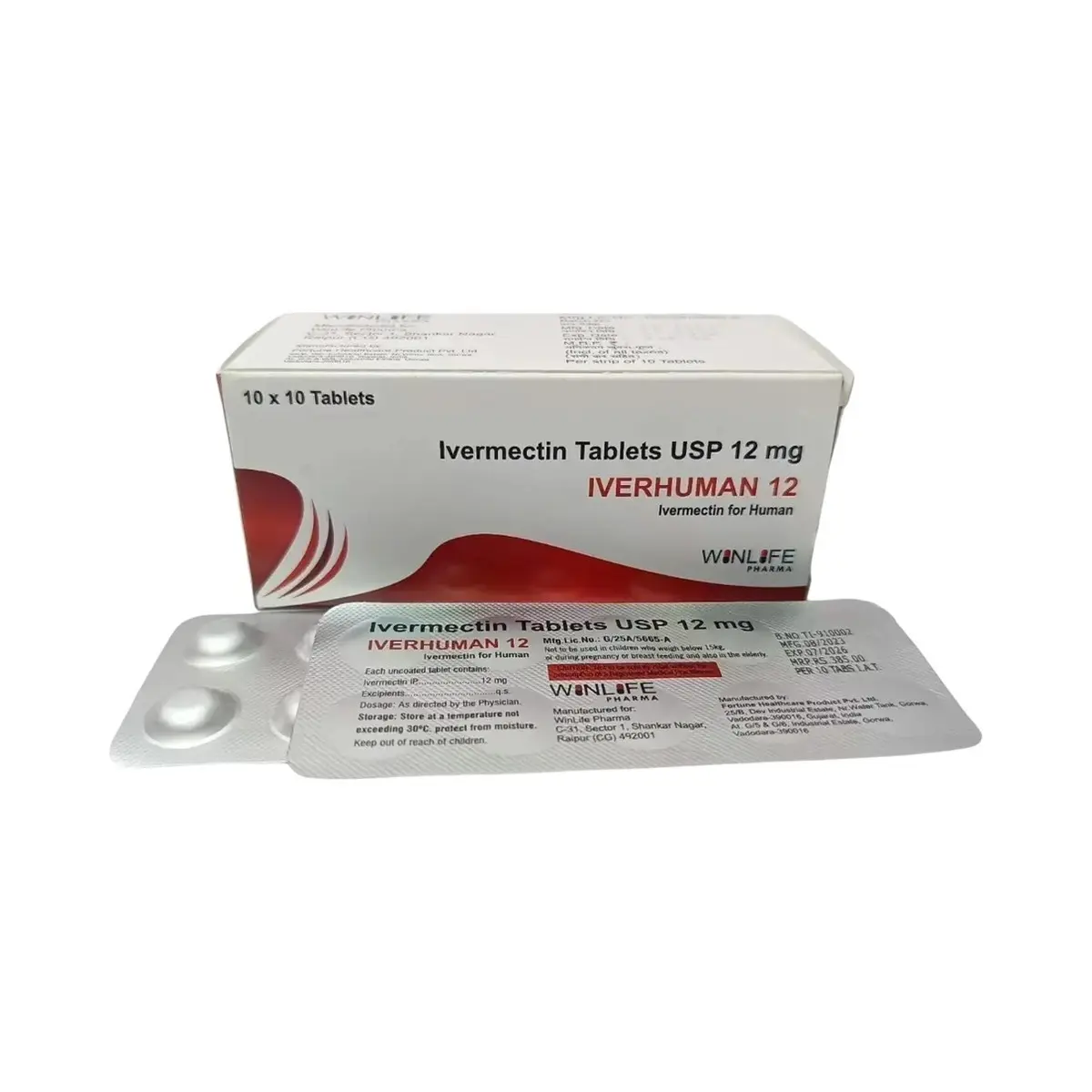
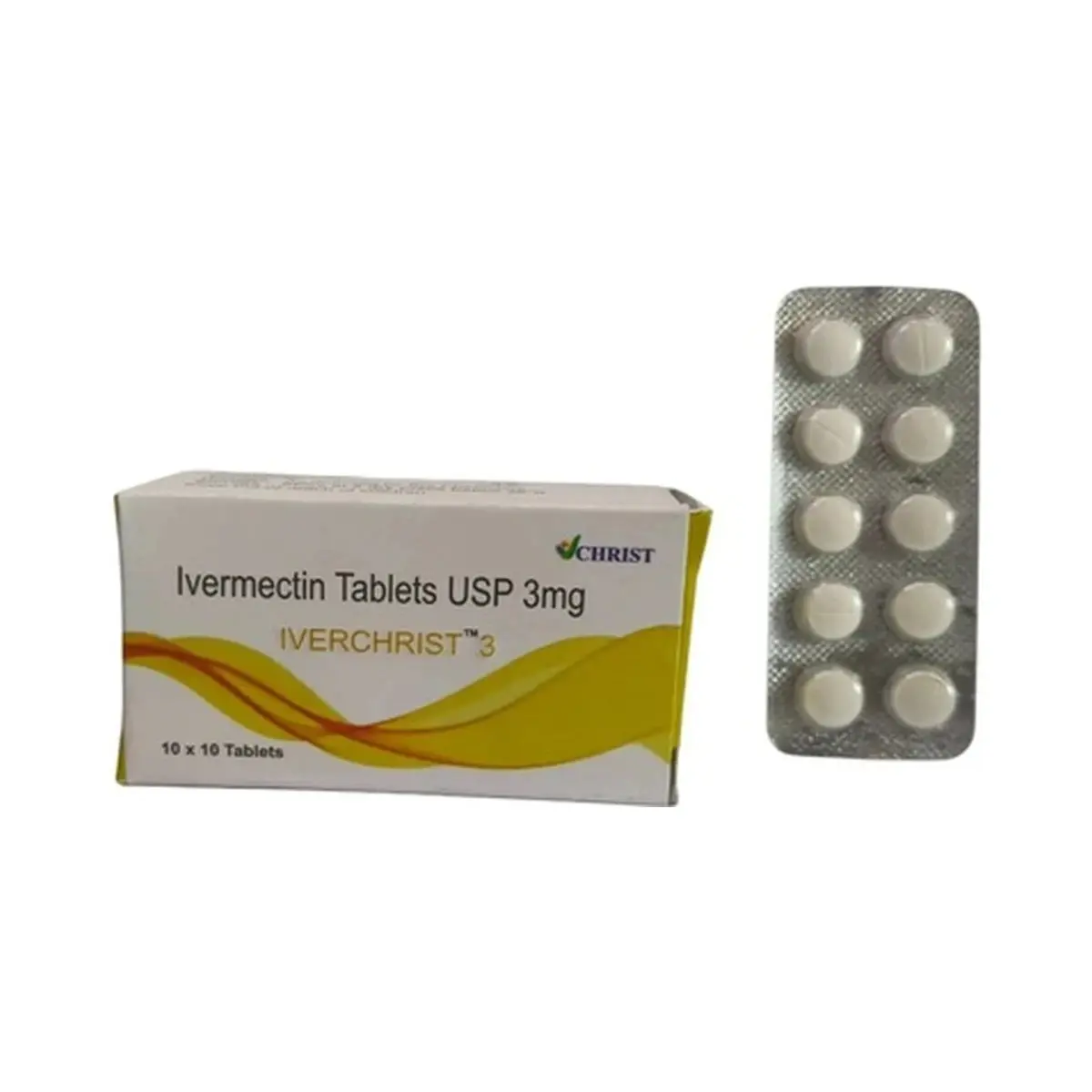
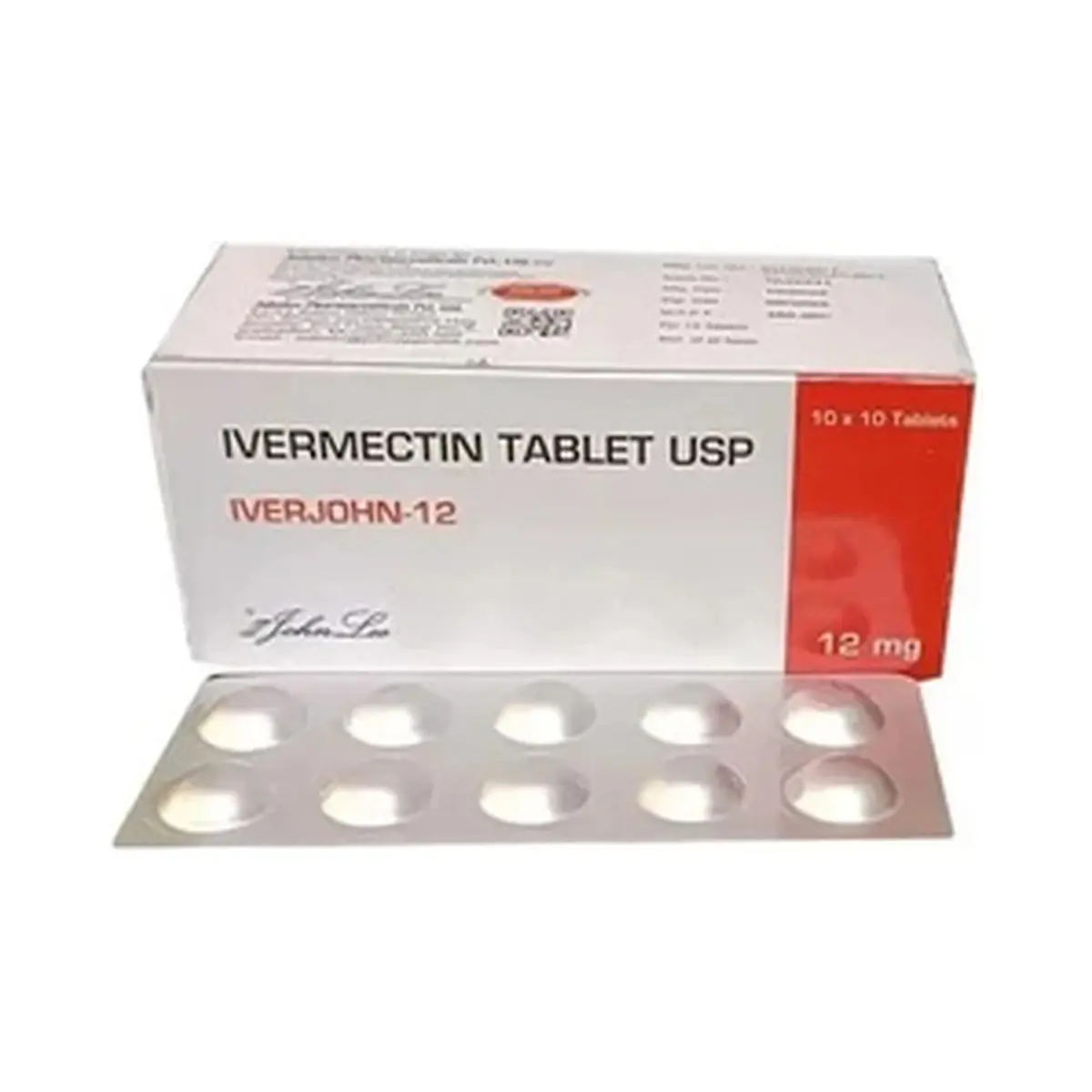
Iverjohn (Ivermectin) 12 mg
Iverjohn 12 mg is identified as an oral ivermectin product. Ivermectin is a systemic antiparasitic medicine used against selected parasitic infections in humans. Regulatory and prescribing-information sources describe ivermectin as an anthelmintic agent in the avermectin/macrocyclic lactone family.
Active Ingredient and Medicine Class
Active ingredient: ivermectin.
Medicine class: antiparasitic agent; macrocyclic lactone/anthelmintic. It acts on parasite nerve and muscle function, leading to paralysis and death of susceptible parasites.
Established Medical Uses
Human prescribing information and reviews support ivermectin for certain parasitic infections, especially onchocerciasis and strongyloidiasis. It is also used in some settings for other parasitic conditions such as lymphatic filariasis, scabies and pediculosis, depending on local guidance and approved indications. Use outside approved indications varies by country and clinical context.
How It Works
Ivermectin binds to parasite-specific chloride channel pathways, including glutamate-gated channels, which increases chloride influx and impairs nerve and muscle activity in susceptible organisms. This selective action explains its antiparasitic effect and its lack of direct activity against viruses.
Important Safety Information
Ivermectin is not suitable for every patient or every parasitic infection. Important safety concerns include possible severe reactions in patients with heavy Loa loa infection or certain microfilarial loads, including encephalopathy. Prescribing information also warns about patients with hyperreactive onchodermatitis and the need for caution in people with relevant exposure histories.
Clinically significant interaction concerns are mainly related to drugs or conditions that could increase ivermectin exposure or central nervous system effects. Ivermectin is a substrate of P-glycoprotein, and impairment of this protective transport system may increase neurotoxicity risk.
Possible Side Effects
Commonly reported adverse effects include headache, dizziness, rash, edema and other usually mild, transient reactions. More serious but uncommon reactions can include neurological toxicity, severe skin reactions and encephalopathy, particularly in susceptible patients or after inappropriate exposure.
Scientific Evidence
Peer-reviewed reviews describe ivermectin as an effective antiparasitic medicine with established benefit in selected human helminth infections and some ectoparasitic diseases. The evidence base is strongest for approved parasitic indications, while use for other conditions is less certain and depends on the available clinical data and local guidance.
Medical Information Notice
This page is an educational summary based on sources available at the time of review. It does not replace the official patient leaflet, prescribing information or assessment by a qualified health professional.
Medical Sources
- U.S. Food and Drug Administration (FDA): STROMECTOL (ivermectin) tablets, prescribing information
- PubMed — P González et al.: “Ivermectin in human medicine, an overview of the current status of its clinical applications” (Curr Pharm Biotechnol, 2012)