Description
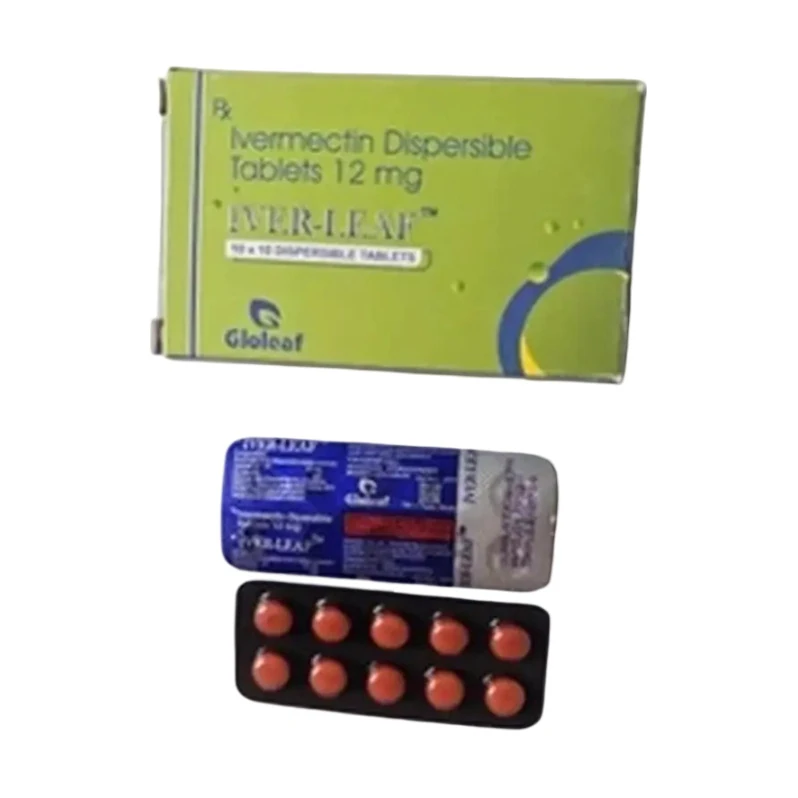
Iverleaf (Ivermectin) 12 mg
Iverleaf 12 mg is a brand name associated with ivermectin, an antiparasitic medicine used against selected parasitic infections. The supplied product description identifies it as a dispersible oral tablet, but the verified medicine information available from official prescribing sources is for oral ivermectin tablets generally, not this specific dispersible product presentation.
Active Ingredient and Medicine Class
The verified active ingredient is ivermectin. It belongs to the macrocyclic lactone anthelmintic class, a group of antiparasitic medicines active against certain nematodes and some ectoparasites.
Established Medical Uses
Official U.S. prescribing information for oral ivermectin tablets identifies two established human indications: intestinal strongyloidiasis due to Strongyloides stercoralis and onchocerciasis due to Onchocerca volvulus. FDA consumer information also describes ivermectin tablets as approved for these parasitic worm infections.
Scientific reviews also describe use in other parasitic diseases such as scabies and pediculosis, but those uses may depend on local guidance and formulation, and they are not all official tablet-label indications.
How It Works
Ivermectin acts mainly by binding to parasite-specific glutamate-gated chloride channels. This increases chloride flow, disrupts nerve and muscle function in the parasite, and leads to paralysis and death or loss of infectivity. Reviews also note effects on other ion channels at higher concentrations, but the parasitic glutamate-gated chloride channel is the key established mechanism.
Important Safety Information
Oral ivermectin is contraindicated in people with known hypersensitivity to ivermectin or any component of the product. In patients with onchocerciasis, treatment can trigger inflammatory reactions related to the death of microfilariae. The label warns about rare but serious neurologic events, including altered consciousness, confusion, disorientation, coma and death, particularly in people with Loa loa exposure or infection.
Important interactions include reports of increased INR in patients receiving warfarin and other coumarin anticoagulants.
Possible Side Effects
Commonly reported adverse effects in studies include fatigue, abdominal pain, headache, myalgia, peripheral edema, orthostatic hypotension and tachycardia. In onchocerciasis, skin and eye reactions may occur, including pruritus, rash, facial edema, conjunctivitis and eye irritation. Serious post-marketing reactions reported with ivermectin include seizures, hepatitis, elevated liver enzymes, Stevens-Johnson syndrome, toxic epidermal necrolysis and neurotoxicity.
Scientific Evidence
Peer-reviewed reviews and clinical studies support ivermectin as an effective antiparasitic medicine for strongyloidiasis and onchocerciasis, with long-standing use in global parasite-control programs. Published evidence also supports activity against selected ectoparasitic infections, but the strength of evidence varies by condition and formulation.
Medical Information Notice
This educational summary is based on sources available at the time of review and does not replace the official patient leaflet or individual assessment by a qualified healthcare professional.
Medical Sources
- DailyMed — Ivermectin Tablets, USP prescribing information
- FDA — STROMECTOL (ivermectin) Tablets prescribing information
- González P, et al. — Ivermectin in human medicine, an overview of the current status of its clinical applications. Curr Pharm Biotechnol. 2012.