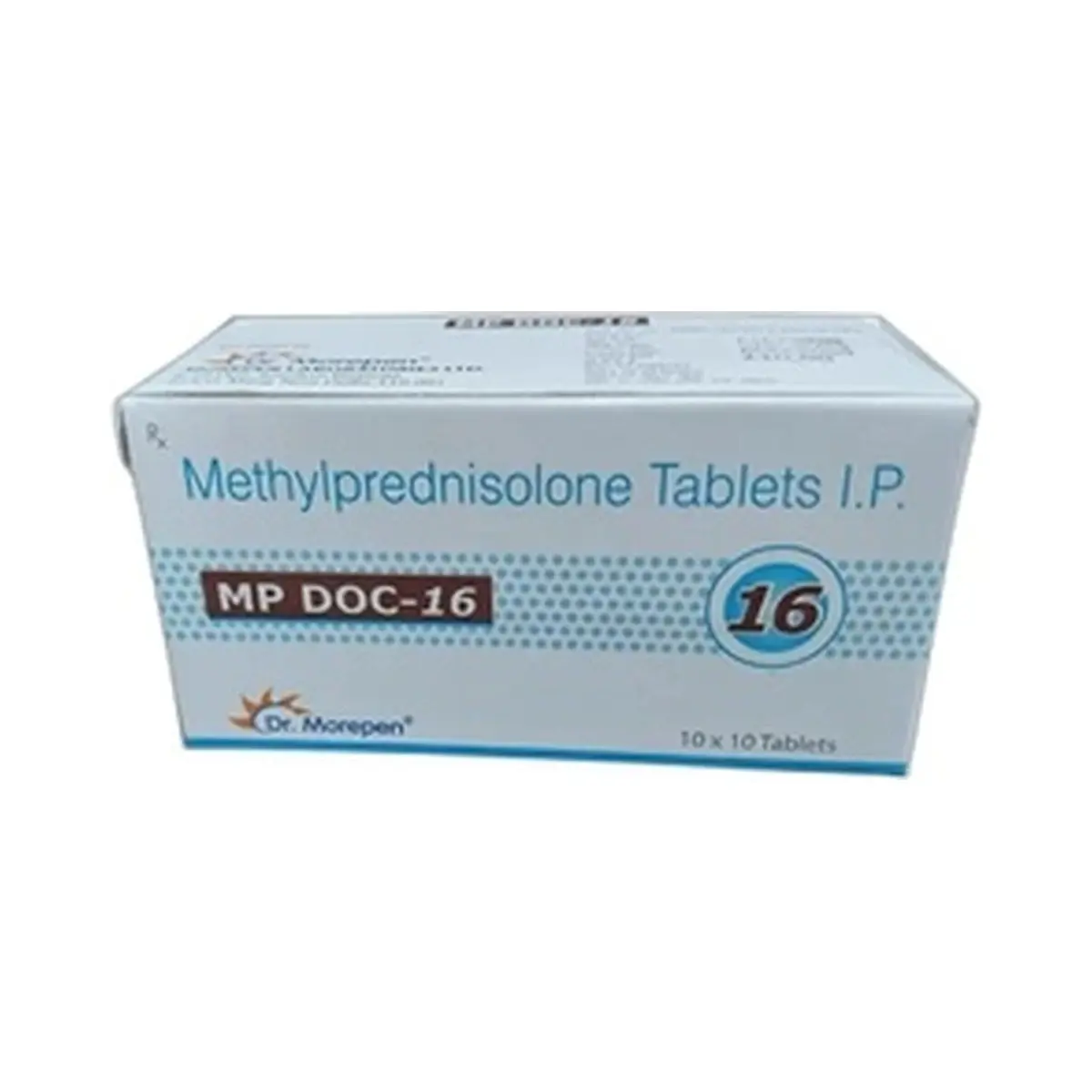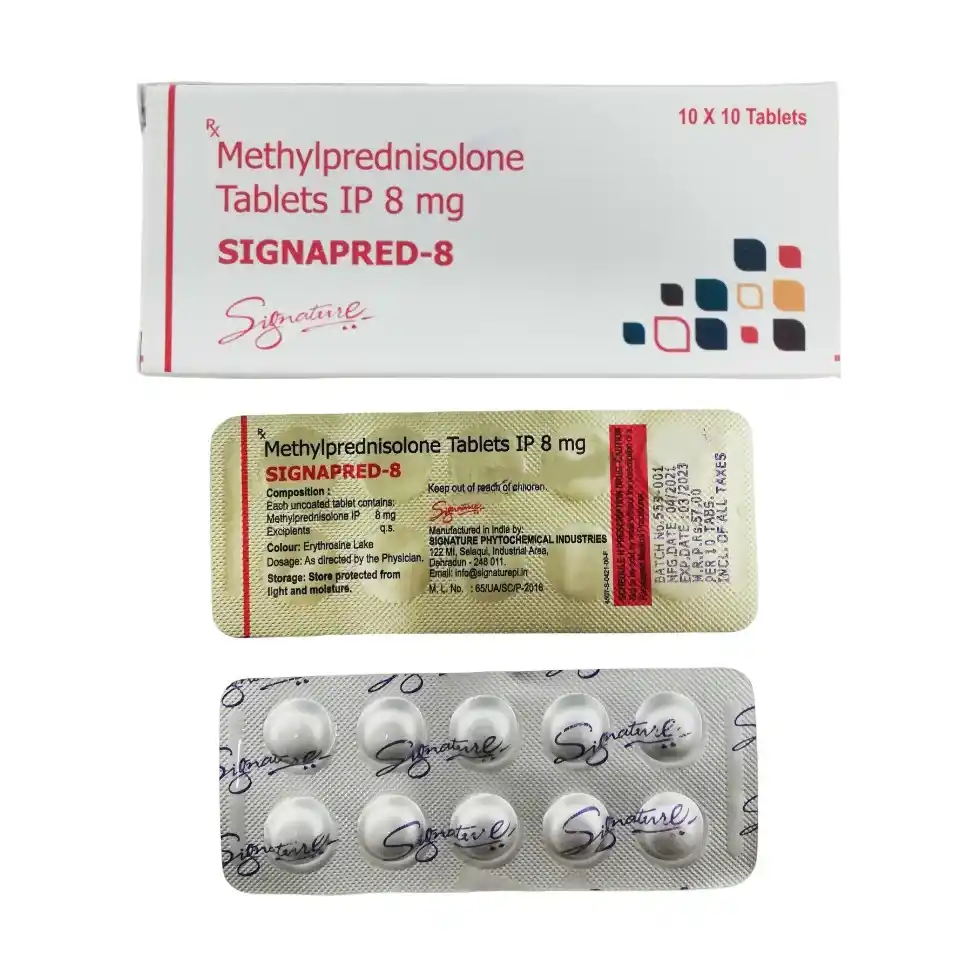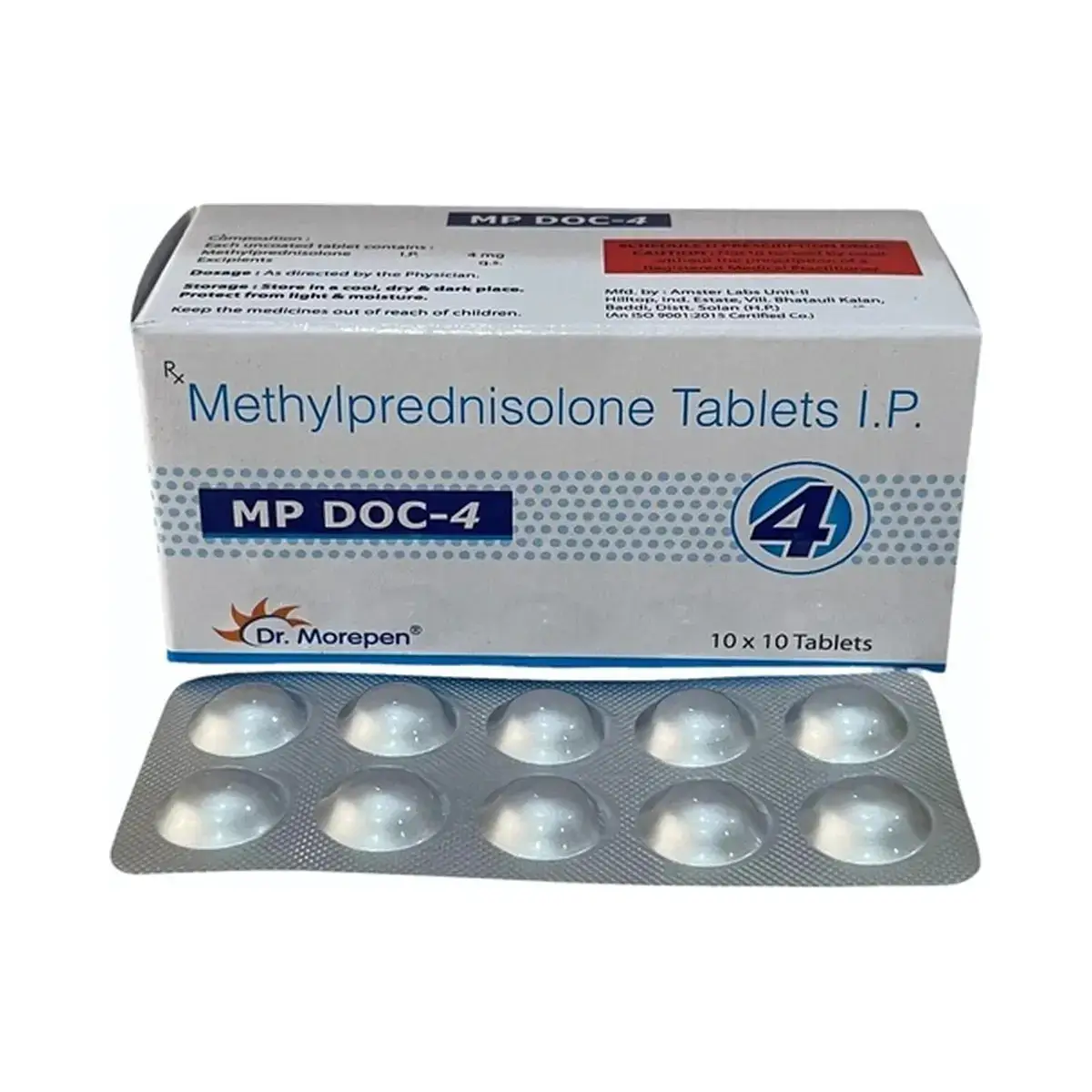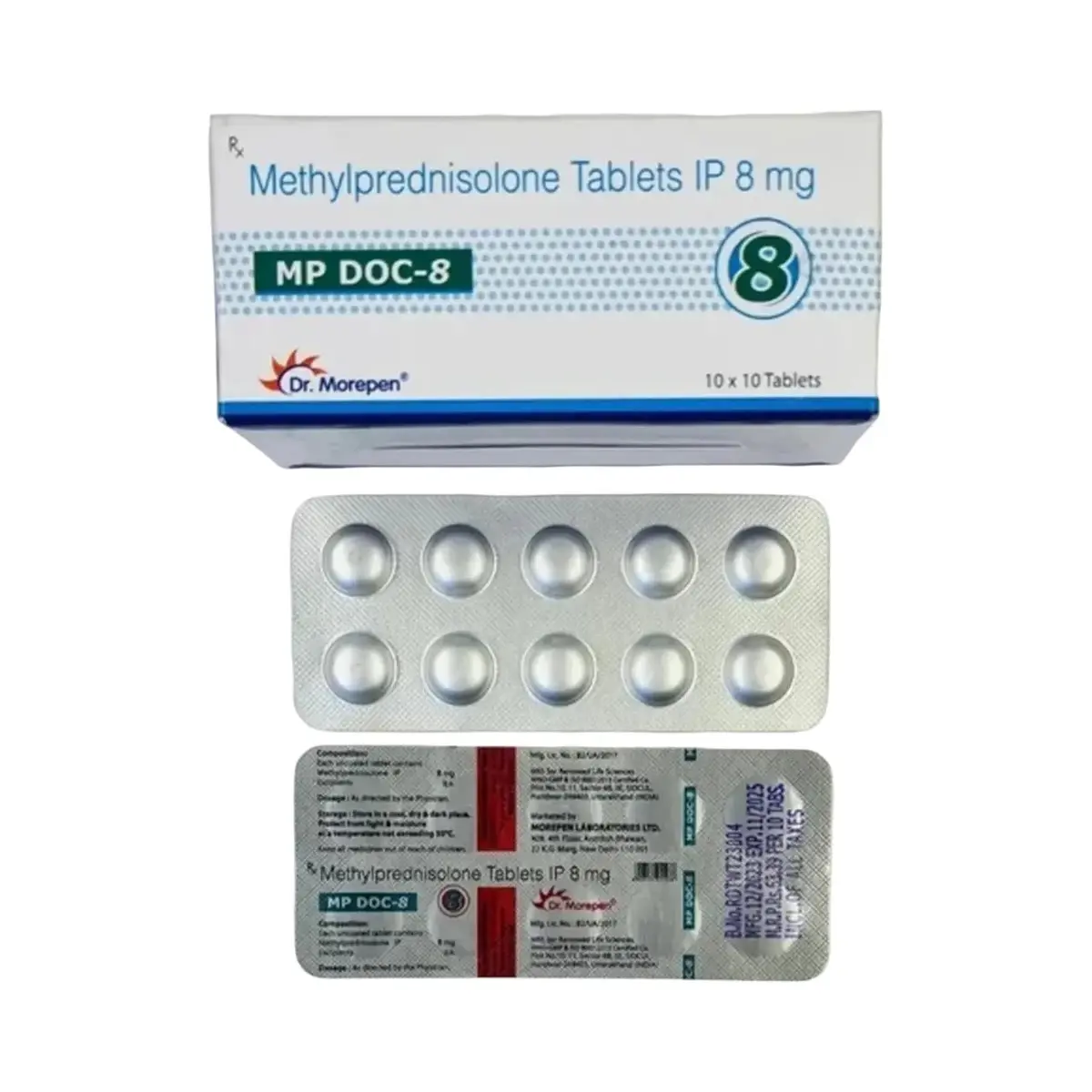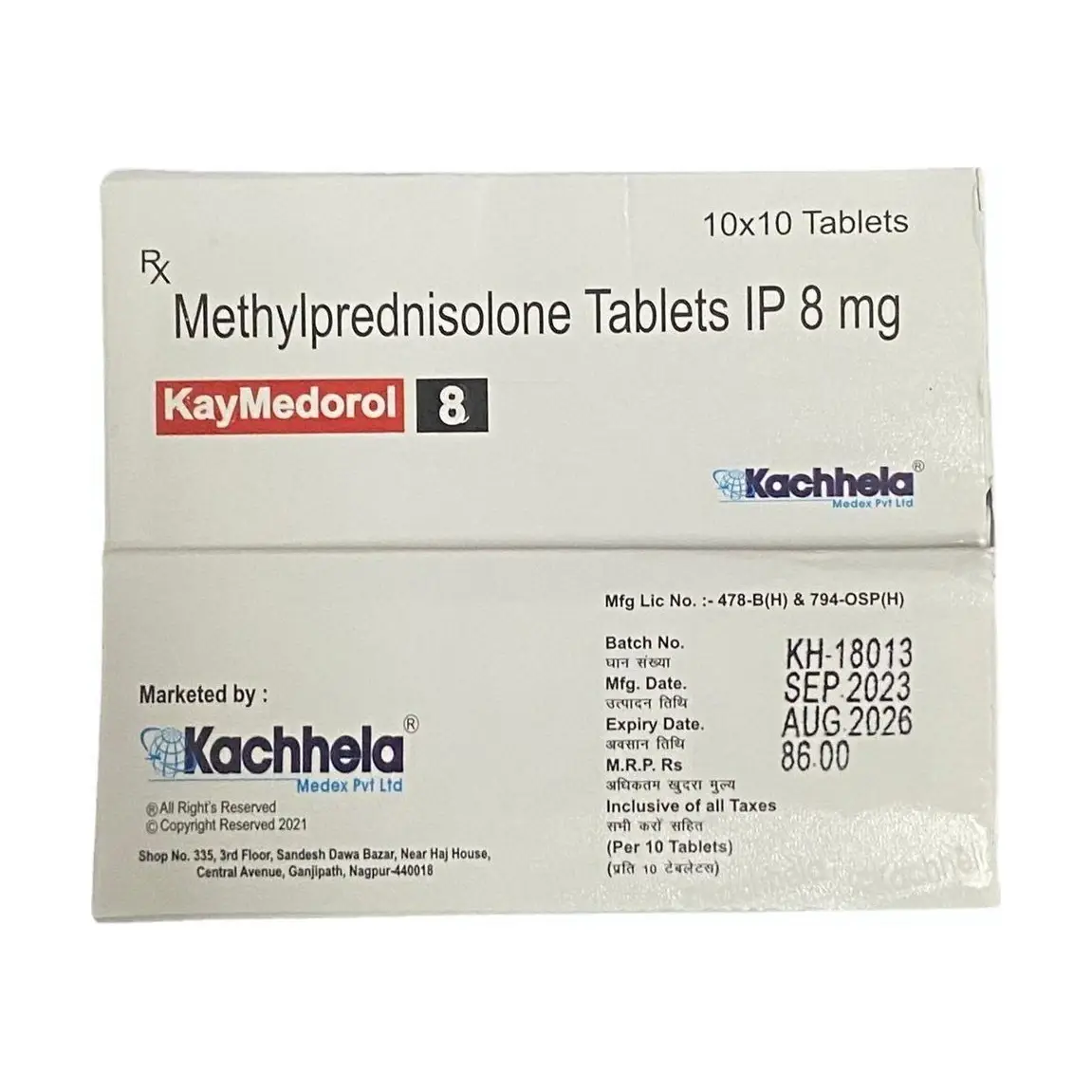
Description
Kaymedorol (Methylprednisolone) 8 mg
Kaymedorol contains methylprednisolone, a systemic corticosteroid used for its anti-inflammatory and immunosuppressive effects. The product name and strength are consistent with an oral methylprednisolone tablet presentation, but the verified active ingredient is the key identifier here.
Active Ingredient and Medicine Class
Methylprednisolone is a glucocorticoid, a synthetic corticosteroid related to naturally occurring adrenal hormones. It is absorbed from the gastrointestinal tract and acts throughout the body rather than only at the site of administration.
Established Medical Uses
Regulatory labeling for methylprednisolone tablets describes use in a range of inflammatory and immune-mediated conditions. These include allergic, rheumatic, respiratory, skin, eye, endocrine, gastrointestinal, and hematologic disorders, as well as other conditions where corticosteroid therapy is indicated. Specific approved uses vary by jurisdiction and product label.
How It Works
Methylprednisolone reduces inflammation by influencing gene transcription and suppressing multiple inflammatory pathways. It decreases the production and activity of immune mediators, which can lessen swelling, redness, pain, and other signs of excessive immune activity.
Important Safety Information
Systemic corticosteroids require caution in patients with active infections, because immune suppression can reduce the body’s ability to fight infection. Important warnings also include use in people with diabetes, hypertension, peptic ulcer disease, osteoporosis, mood or psychiatric disorders, and in those at risk of adrenal suppression. Clinically significant interactions may occur with medicines such as anticoagulants, antidiabetic drugs, certain anticonvulsants, rifampicin, and other agents that affect corticosteroid metabolism or response. Product labeling should be reviewed for contraindications and major interaction warnings.
Possible Side Effects
Common adverse effects of systemic methylprednisolone can include increased appetite, indigestion, fluid retention, mood changes, insomnia, and elevated blood glucose. More serious reactions may include infection, hypertension, gastrointestinal ulceration or bleeding, psychiatric effects, osteoporosis with longer exposure, cataracts or glaucoma, and adrenal suppression.
Scientific Evidence
Peer-reviewed reviews describe methylprednisolone as a well-established systemic corticosteroid with broad anti-inflammatory and immunosuppressive activity. Scientific literature also emphasizes that clinical benefit must be balanced against important dose- and duration-related toxicities common to the corticosteroid class.
Medical Information Notice
This summary is provided for educational purposes only and reflects sources available at the time of review. It does not replace the official patient leaflet, prescribing information, or assessment by a qualified health professional.
Medical Sources
- DailyMed / FDA label: MEDROL (methylprednisolone) tablets, prescribing information
- Ocejo A, et al.: Methylprednisolone. StatPearls. 2024