Description
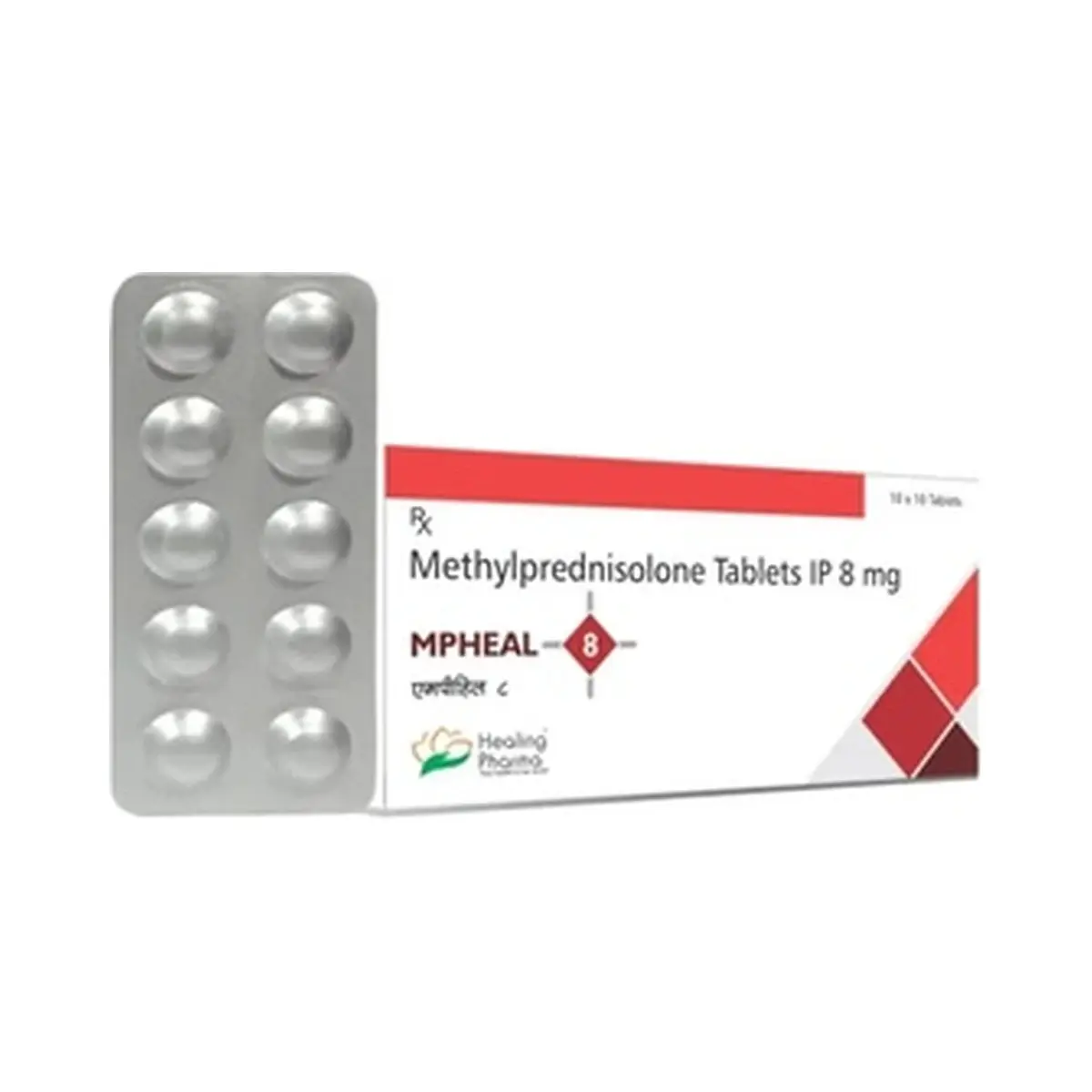
Mpheal (Methylprednisolone) 8 mg
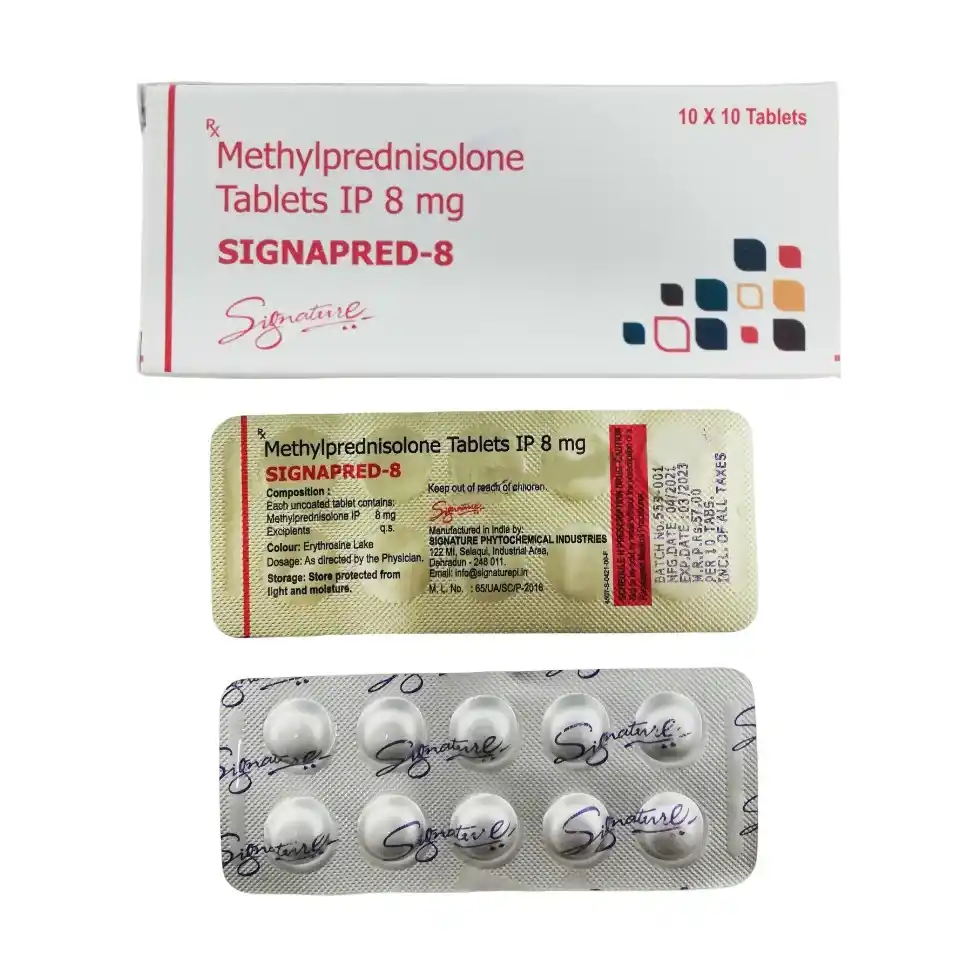
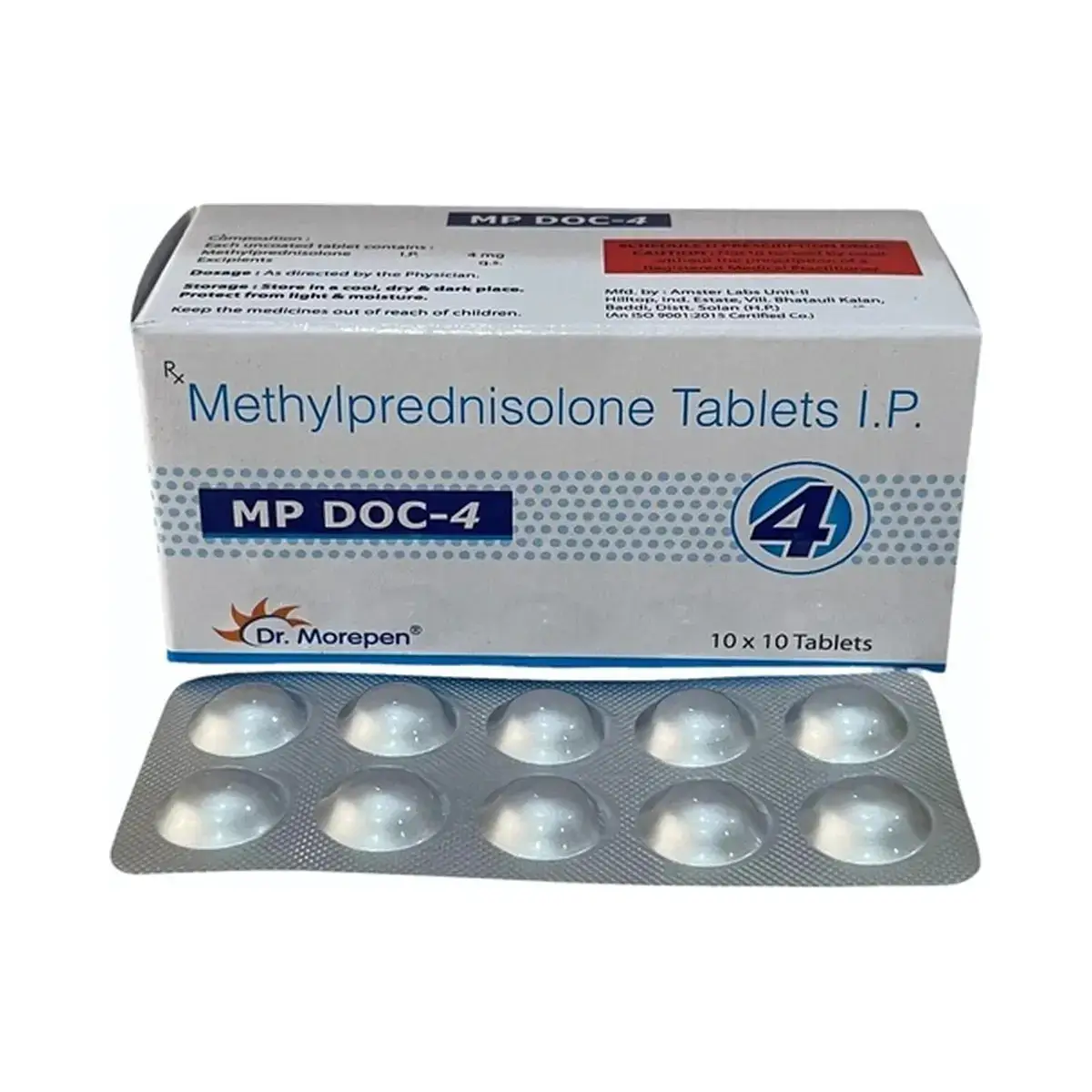
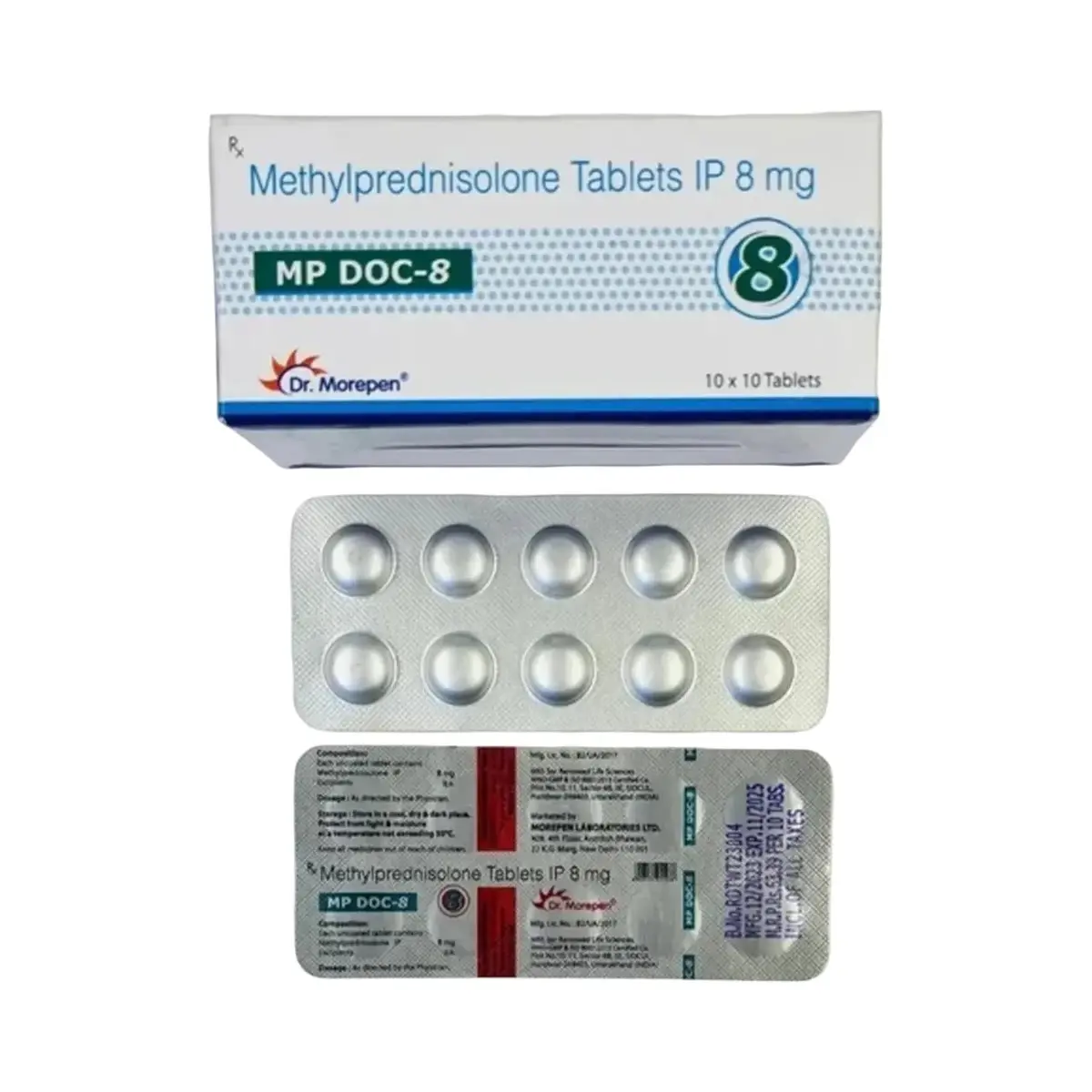
Mpheal 8 mg is identified here as an oral methylprednisolone tablet. Methylprednisolone is a systemic corticosteroid used for its anti-inflammatory and immunosuppressive effects. Official labeling for methylprednisolone tablets describes use across multiple inflammatory, allergic, rheumatic, dermatologic, respiratory, hematologic, gastrointestinal, and neurologic conditions.
Active Ingredient and Medicine Class
Active ingredient: methylprednisolone.
Medicine class: corticosteroid, specifically a glucocorticoid. It is a prescription medicine that reduces immune and inflammatory activity in the body.
Established Medical Uses
Regulatory labeling for methylprednisolone tablets includes treatment of severe allergic conditions, bronchial asthma, atopic dermatitis, drug hypersensitivity reactions, rheumatoid and other rheumatic disorders, systemic lupus erythematosus, certain severe skin diseases, inflammatory eye disorders, acute exacerbations of multiple sclerosis, ulcerative colitis, regional enteritis, and selected hematologic and pulmonary conditions. The exact use depends on the condition and clinical assessment.
How It Works
Methylprednisolone acts like a synthetic glucocorticoid. It binds to glucocorticoid receptors and alters gene expression, which helps suppress inflammatory mediators and dampen immune responses. This is why it can reduce swelling, redness, and other signs of inflammation.
Important Safety Information
Methylprednisolone should be used carefully in patients with active or untreated infections, because corticosteroids can reduce the body’s ability to localize infection and may increase the risk of infectious complications. Labeling also warns about special caution with chickenpox, measles, and Strongyloides infection. Other important concerns include diabetes, hypertension, peptic ulcer disease, osteoporosis, glaucoma, cataracts, and adrenal suppression with prolonged use.
Clinically significant interactions may occur with medicines that affect CYP3A4. Strong inhibitors can increase methylprednisolone exposure, while inducers can reduce its effect. Published data describe a marked interaction with clarithromycin.
Possible Side Effects
Common or important adverse effects of systemic corticosteroids include fluid retention, hypertension, sodium loss or potassium loss, mood or sleep changes, headache, dizziness, increased blood glucose, Cushingoid features, adrenal suppression, and growth suppression in children. Serious reactions may include severe infection, gastrointestinal bleeding, psychiatric effects, and elevated pressure in the eye or brain in susceptible patients.
Scientific Evidence
Human clinical and review literature supports methylprednisolone as a well-established glucocorticoid for inflammatory and allergic disease control. Reviews also show that corticosteroid hypersensitivity is uncommon but possible, and that methylprednisolone is among the corticosteroids most often reported in immediate hypersensitivity cases.
Medical Information Notice
This educational summary is based on sources available at the time of review and does not replace the official patient leaflet, product labeling, or individual assessment by a qualified health professional.
Medical Sources
- FDA: Medrol (methylprednisolone tablets, USP) — Prescribing Information
- DailyMed: MEDROL (methylprednisolone tablet) — Label
- Ocejo A, et al. “Methylprednisolone.” StatPearls, 2026. PubMed article page
- Torres MJ, et al. “Hypersensitivity reactions to corticosteroids.” Current Opinion in Allergy and Clinical Immunology, 2010. PubMed article page