Description
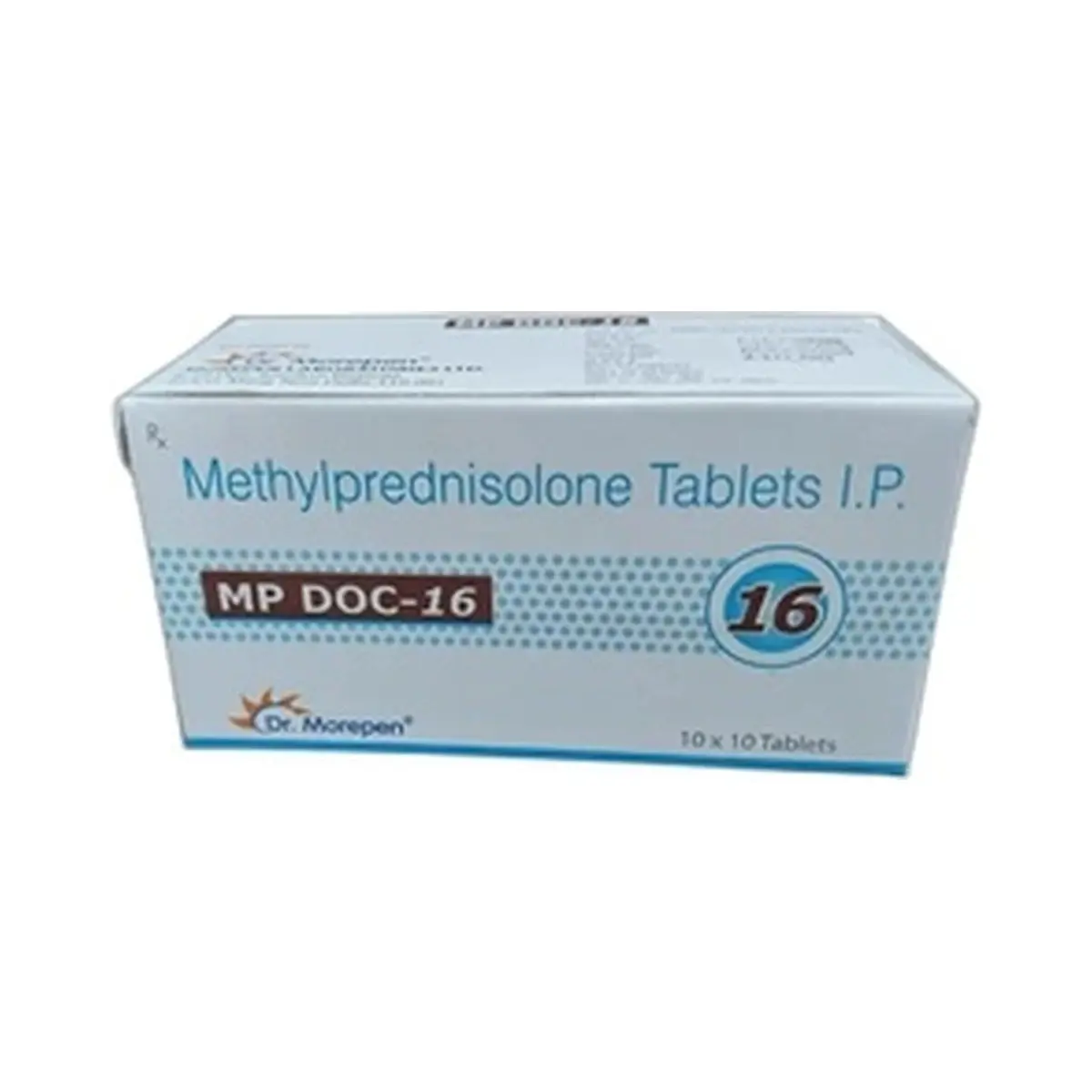
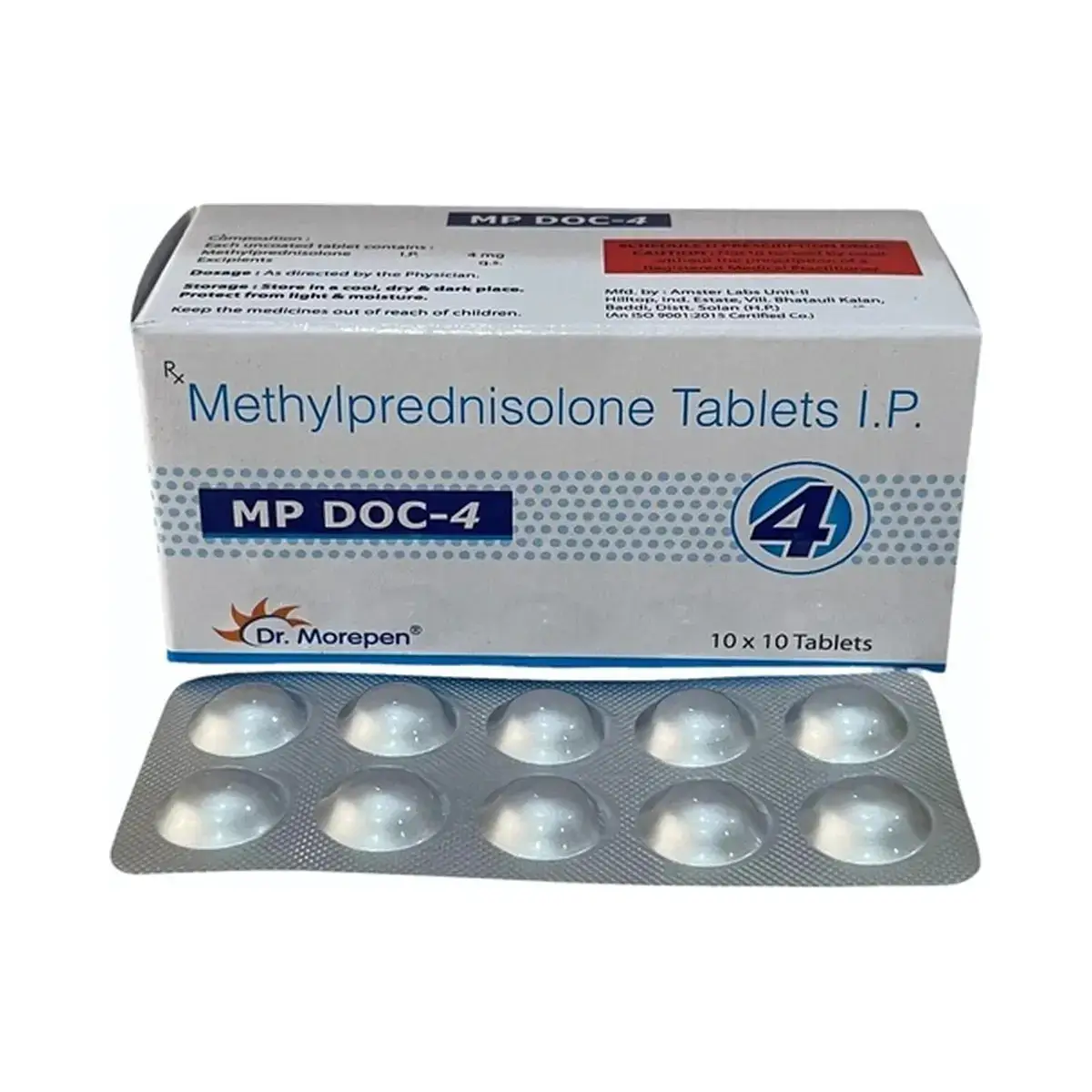
Mp doc (Methylprednisolone) 4 mg
Mp doc 4 mg is a methylprednisolone tablet. Methylprednisolone is a systemic corticosteroid with anti-inflammatory and immunosuppressive effects. It is used in a range of inflammatory, allergic and immune-mediated conditions, depending on the prescribed indication and clinical assessment.
Active Ingredient and Medicine Class
The verified active ingredient is methylprednisolone. It belongs to the glucocorticoid corticosteroid class. Regulatory product information describes glucocorticoids as adrenocortical steroids that are readily absorbed from the gastrointestinal tract and that modify immune responses.
Established Medical Uses
Official prescribing information for oral methylprednisolone tablets lists use in several inflammatory and immune-related conditions, including certain rheumatic disorders, collagen diseases, dermatologic disorders, allergic states, ophthalmic disorders, respiratory disorders, gastrointestinal disorders, endocrine disorders, and selected other conditions. The exact indication depends on the specific product label and the prescriber’s assessment.
How It Works
Methylprednisolone reduces inflammation by altering the expression of many immune and inflammatory mediators. It can dampen cytokine-driven inflammation, reduce immune-cell activation and migration, and suppress immune responses that contribute to tissue injury. In clinical literature, glucocorticoids are described as helping to resolve inflammation by suppressing overactive immune activity.
Important Safety Information
Methylprednisolone should not be used in patients with systemic fungal infections or known hypersensitivity to the product components. Because it suppresses the immune system, it can increase the risk of new, existing, latent or disseminated infections and may mask signs of infection. Product information warns about tuberculosis reactivation, hepatitis B reactivation, varicella and measles exposure risks, and worsening of systemic fungal infections.
Important precautions also include risk of adrenal suppression, mood or psychiatric changes, glaucoma or cataracts with prolonged use, blood pressure elevation, fluid retention, hypokalemia, and impaired responses to live or live-attenuated vaccines at immunosuppressive doses. Clinically significant interactions and precautions may also apply in patients with infections, hepatic disease, hypothyroidism, cirrhosis, ocular herpes simplex, and systemic sclerosis.
Possible Side Effects
Reported adverse effects of systemic methylprednisolone include increased susceptibility to infection, fluid retention, hypertension, sleep disturbance, mood changes, headache, gastrointestinal symptoms, skin changes, elevated blood glucose, cataracts, glaucoma, and adrenal suppression. More serious reactions can include severe infection, hypersensitivity reactions, psychiatric reactions, and complications related to prolonged corticosteroid exposure.
Scientific Evidence
Peer-reviewed reviews describe methylprednisolone and other glucocorticoids as effective anti-inflammatory agents that suppress inflammatory signalling and immune-cell activity. Human and clinical review literature also supports their use in selected inflammatory disorders, while emphasising that benefits must be balanced against immunosuppression and other corticosteroid-related harms.
Medical Information Notice
This summary is for educational purposes only and is based on sources available at the time of review. It does not replace the official patient leaflet, prescribing information, or assessment by a qualified healthcare professional.
Medical Sources
- FDA / DailyMed — Methylprednisolone Tablets, USP
- FDA — Medrol (methylprednisolone) tablets, USP
- Fekete R. et al. — “The mechanism of action of methylprednisolone in the treatment of multiple sclerosis” — Multiple Sclerosis (2005) — PubMed