Description
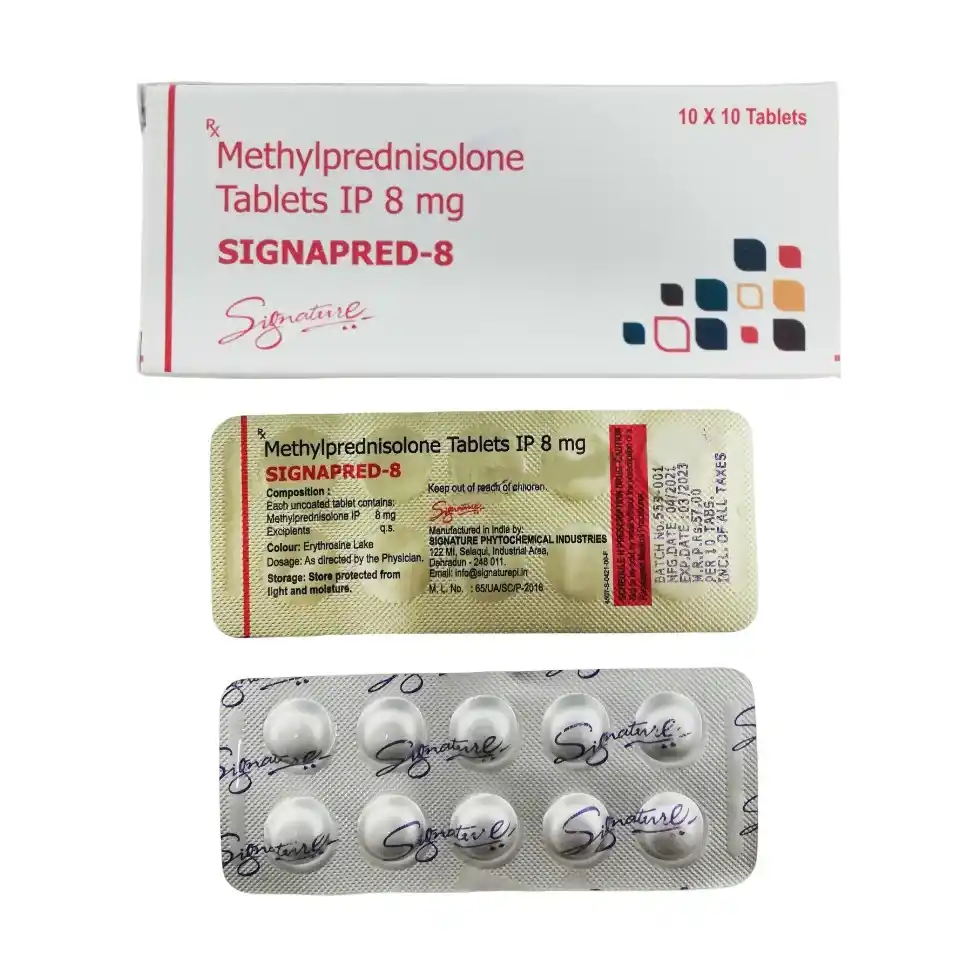
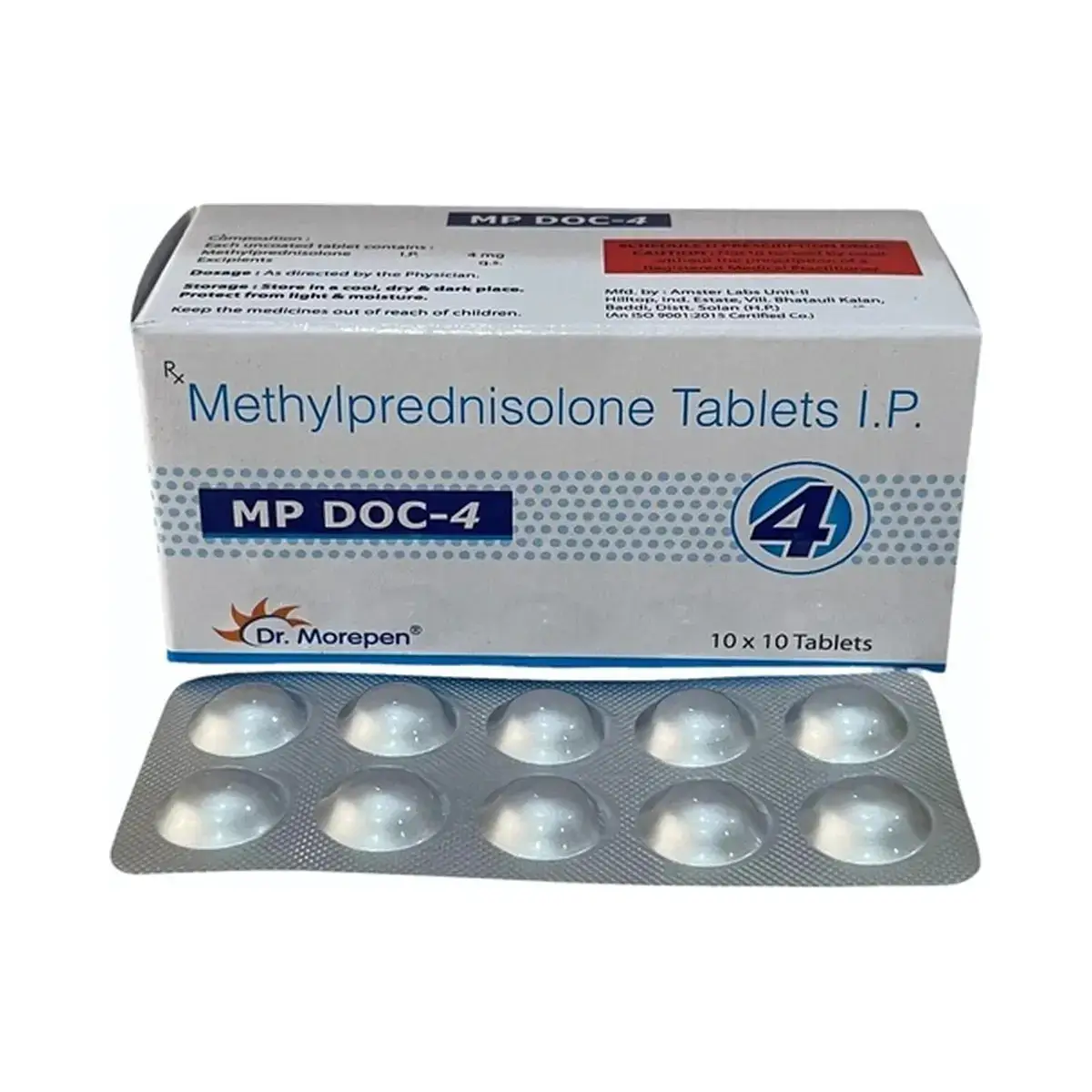
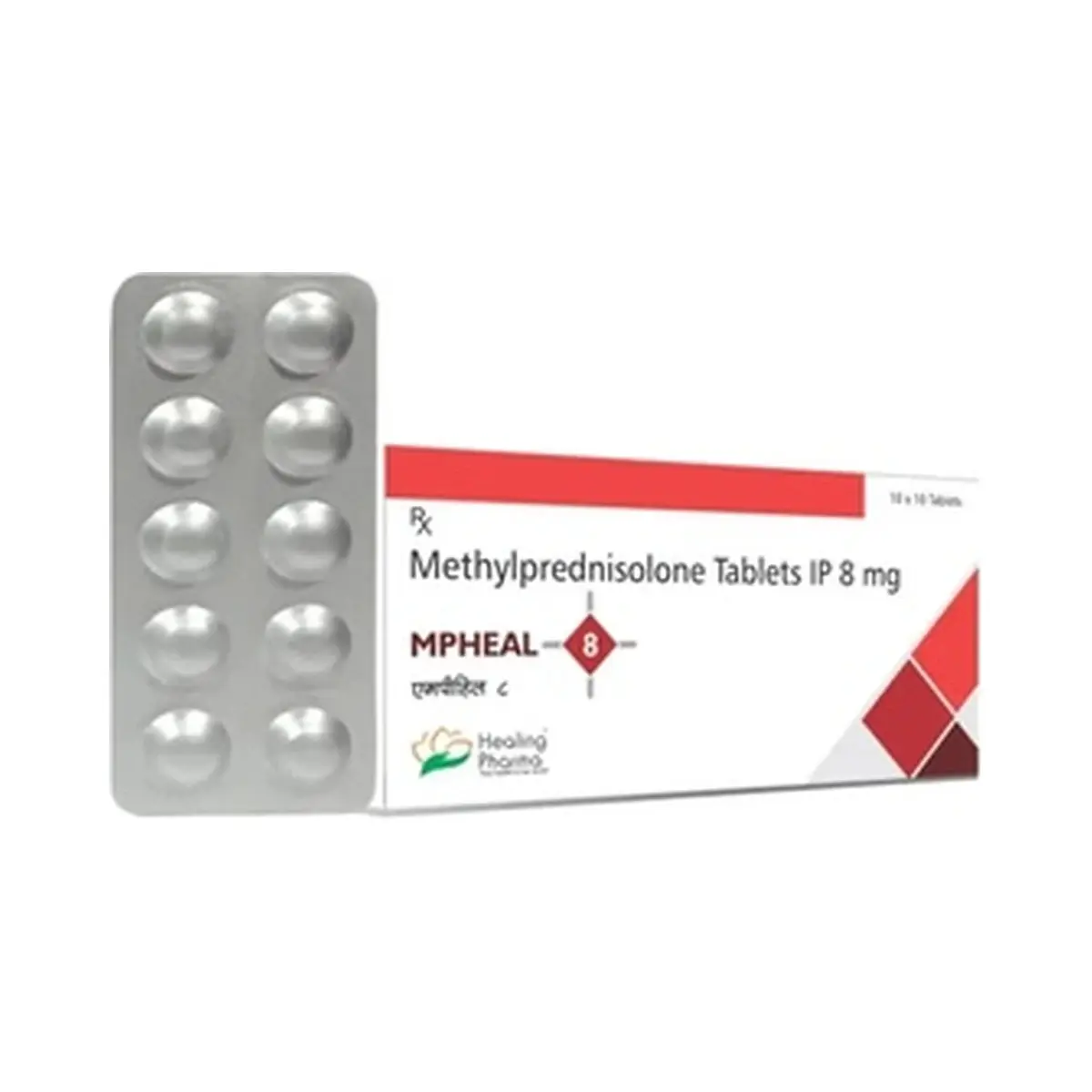
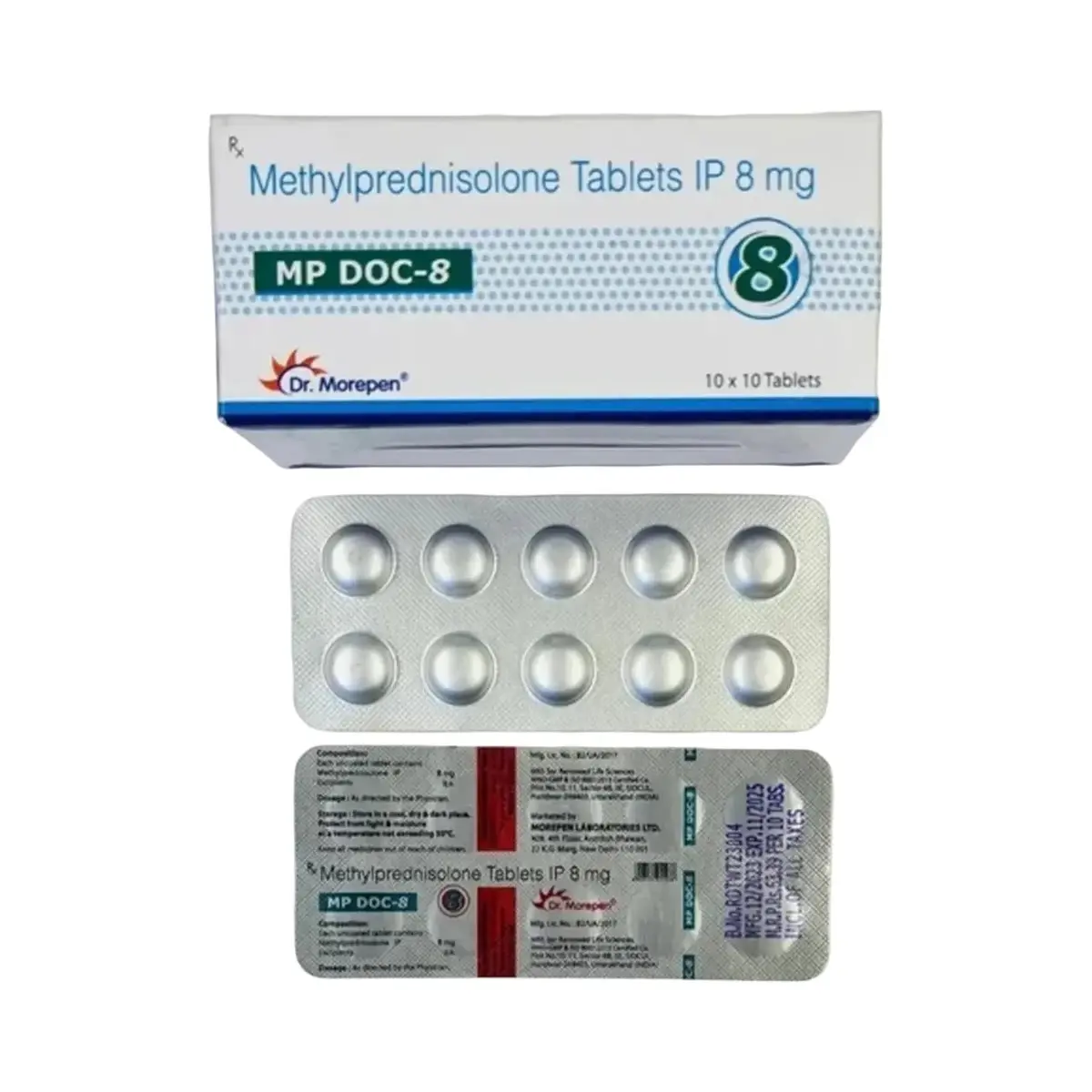
Mp doc (Methylprednisolone) 8 mg
Mp doc 8 mg is a methylprednisolone oral tablet. Methylprednisolone is a synthetic corticosteroid used for its anti-inflammatory and immunosuppressive effects. The 8 mg strength matches an established tablet strength found in official prescribing information for methylprednisolone tablets.
Active Ingredient and Medicine Class
The verified active ingredient is methylprednisolone. It belongs to the glucocorticoid corticosteroid class. Glucocorticoids are synthetic analogs of naturally occurring adrenal steroids and are used mainly for their effects on inflammation and immune activity.
Established Medical Uses
Official prescribing information identifies methylprednisolone tablets for a broad range of inflammatory, allergic, rheumatic, dermatologic, ophthalmic, endocrine, hematologic and some neoplastic conditions. These include severe allergic states, asthma, rheumatoid and other inflammatory joint disorders, lupus, certain skin diseases, inflammatory eye disorders, and adrenocortical insufficiency-related conditions.
How It Works
Methylprednisolone works by reducing the production and activity of inflammatory mediators and by modifying immune responses. This helps dampen swelling, redness, and other symptoms driven by inflammation or immune overactivity. Official labeling describes glucocorticoids as having potent anti-inflammatory effects and broad effects on metabolism and immune function.
Important Safety Information
Methylprednisolone is not appropriate for every patient. Official labeling warns about increased susceptibility to infection, impaired ability to localise infection, and the need for caution in patients with known or suspected infections such as chickenpox exposure or Strongyloides infestation. Long-term corticosteroid exposure may also cause adrenal suppression, Cushingoid features, cataracts, glaucoma, osteoporosis, mood or psychiatric effects, and growth suppression in children.
Clinically significant interactions can occur with medicines that affect immune function, blood glucose, fluid balance, or drug metabolism. Important interaction categories described in corticosteroid references include other immunosuppressants, anticoagulants, antidiabetic medicines, and enzyme-inducing or enzyme-inhibiting drugs. Because interaction risk depends on the full medication list, official prescribing information should always be reviewed.
Possible Side Effects
Common or recognised adverse effects of systemic corticosteroids include increased appetite, indigestion, fluid retention, mood changes, insomnia, elevated blood glucose, and blood pressure changes. More serious reactions can include severe infection, gastrointestinal bleeding, psychiatric disturbance, vision problems, adrenal suppression, and bone loss with prolonged use.
Scientific Evidence
Peer-reviewed reviews support methylprednisolone as a systemic corticosteroid with established anti-inflammatory and immunosuppressive uses across several disease areas. Review literature also notes that benefit depends strongly on the condition being treated, while toxicity is related to cumulative exposure and treatment duration.
Medical Information Notice
This page is an educational summary based on sources available at the time of review and does not replace the official patient leaflet, prescribing information, or assessment by a qualified healthcare professional.
Medical Sources
- DailyMed / FDA label: MEDROL – methylprednisolone tablet
- FDA prescribing information: Medrol (methylprednisolone tablets, USP)
- Ocejo A, Correa R, et al.: Methylprednisolone. StatPearls. 2024.