Description
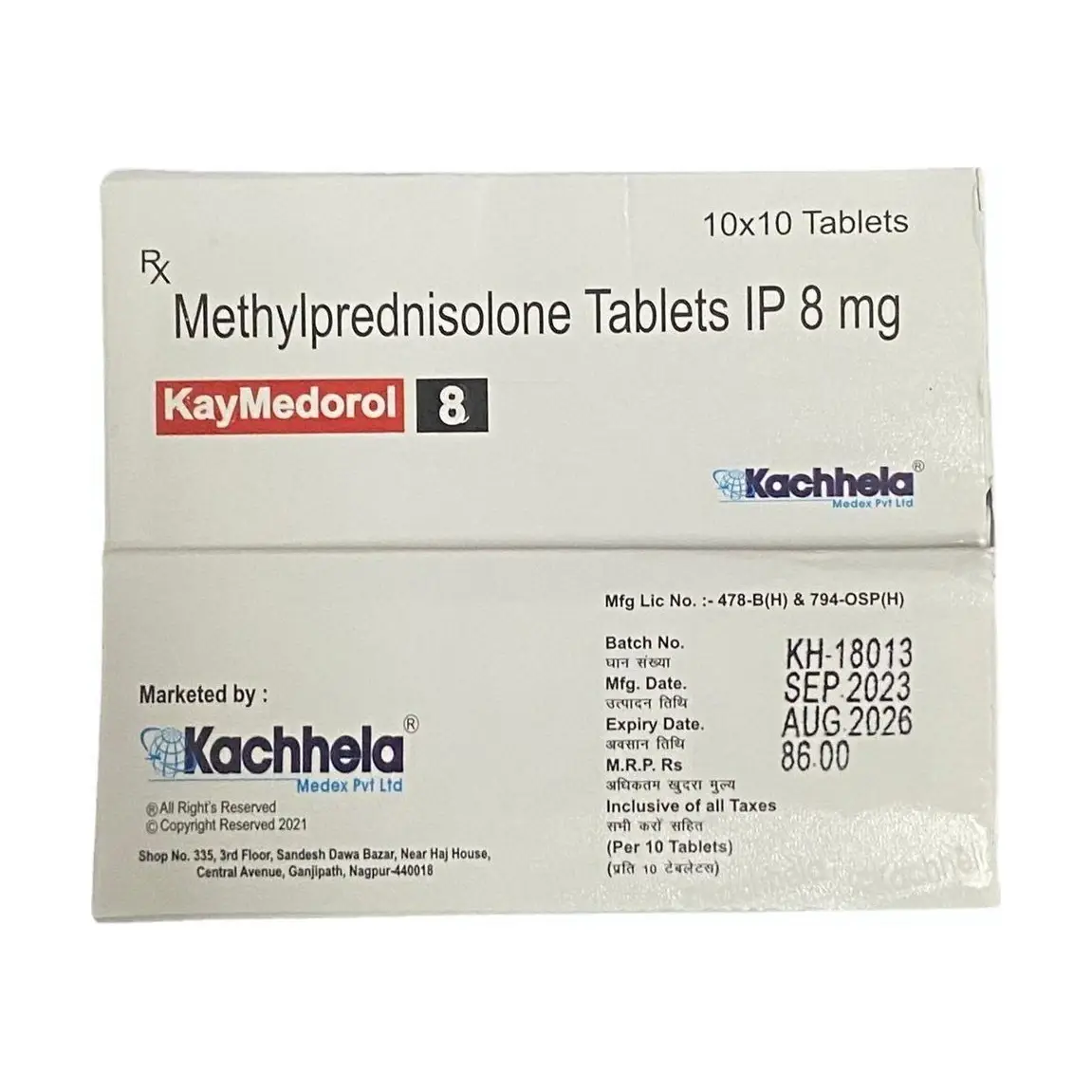
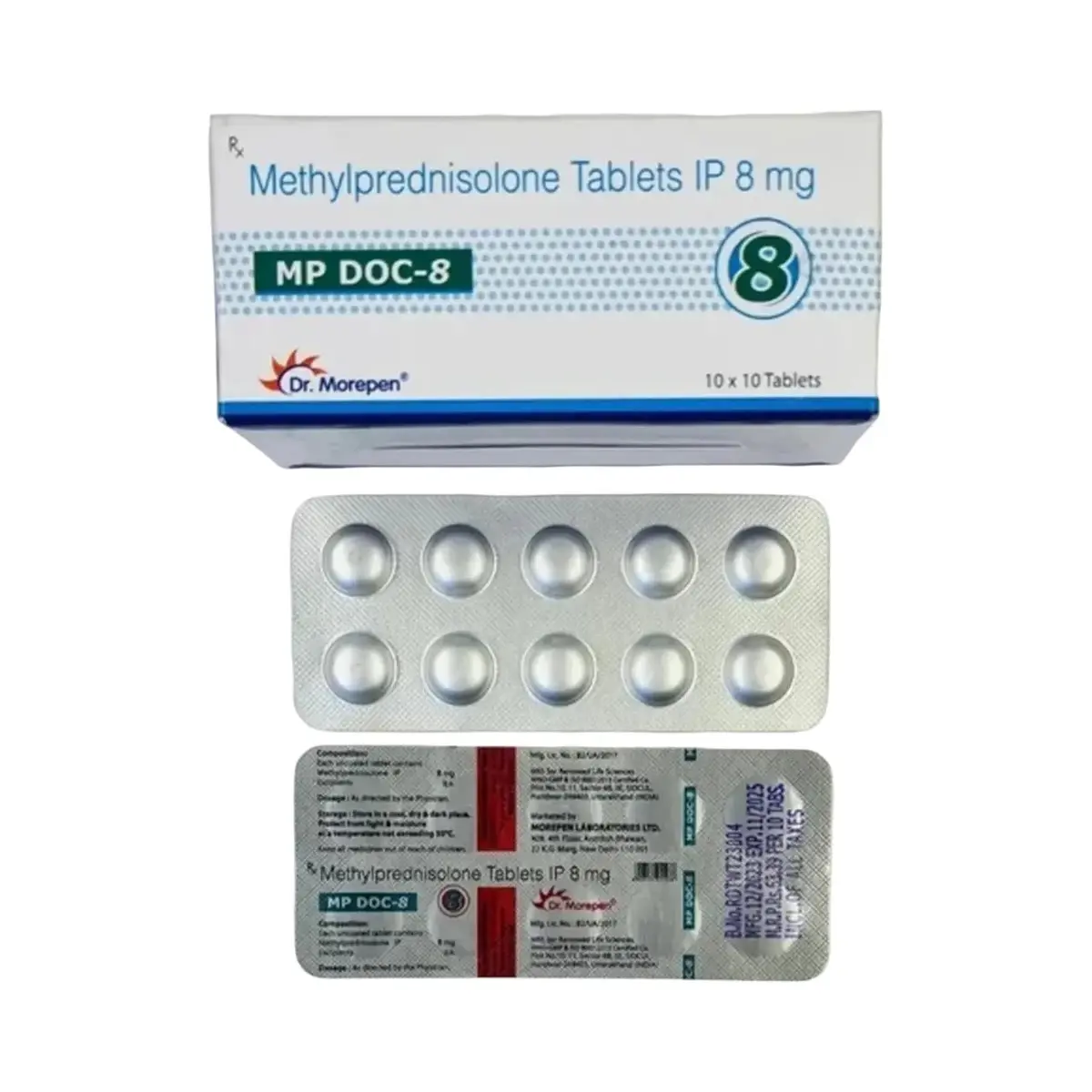
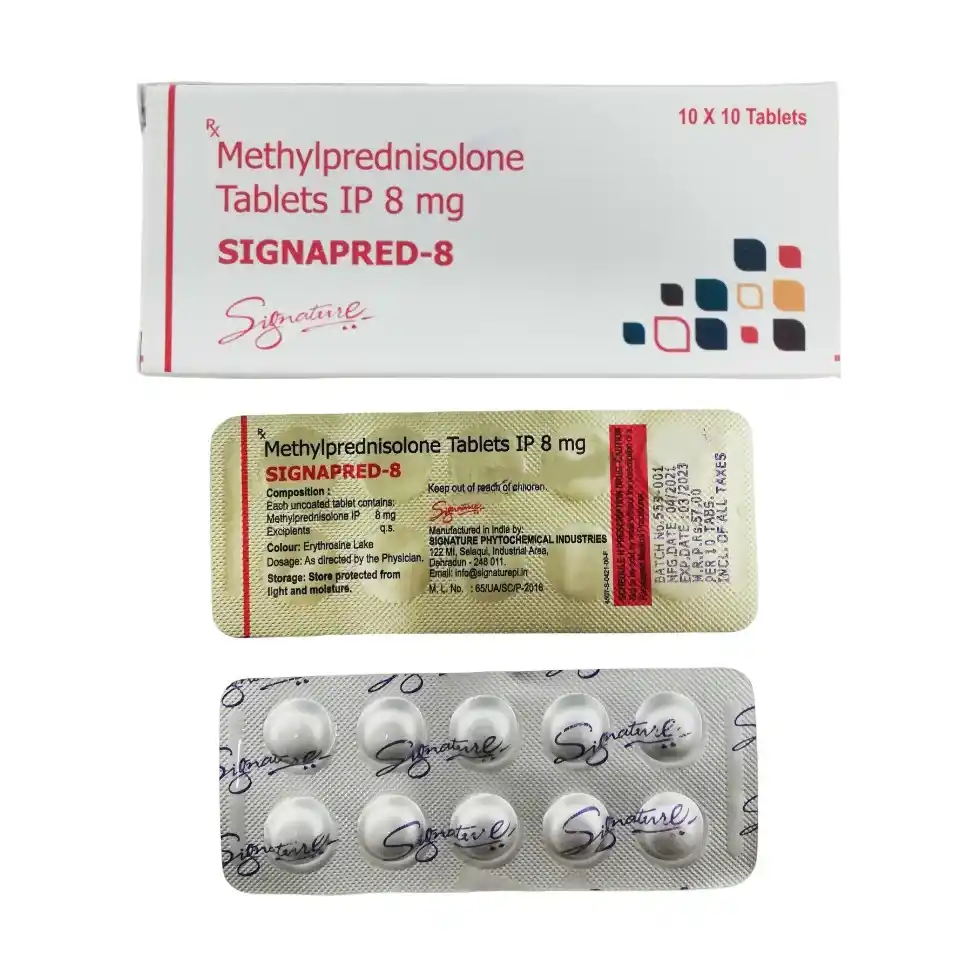
Signapred (Methylprednisolone) 8 mg
Signapred 8 mg is a brand name for methylprednisolone, a systemic corticosteroid medicine used for its anti-inflammatory and immunosuppressive effects.
Active Ingredient and Medicine Class
The verified active ingredient is methylprednisolone. It belongs to the glucocorticoid corticosteroid class. Regulatory prescribing information describes methylprednisolone as a synthetic adrenocortical steroid with potent anti-inflammatory activity and broad effects on metabolism and immune responses.
Established Medical Uses
Methylprednisolone is used in a wide range of inflammatory, allergic, autoimmune and other immune-mediated conditions. Official labeling includes endocrine, rheumatic, collagen, dermatologic, allergic, ophthalmic, respiratory, hematologic, neoplastic, edematous, gastrointestinal and nervous-system disorders. Use depends on the specific condition and clinical context.
How It Works
Methylprednisolone acts by binding to glucocorticoid receptors and changing the activity of genes involved in inflammation and immune signaling. This reduces production of inflammatory mediators and dampens immune-cell activation, which helps limit swelling, redness, and tissue injury caused by excessive inflammation.
Important Safety Information
Methylprednisolone should not be used in systemic fungal infections or in people with known hypersensitivity to the medicine or its components. Because corticosteroids suppress immune function, they can increase the risk of infection, worsen existing infections, and mask signs of infection. Extra caution is needed in patients with conditions such as diabetes, peptic ulcer disease, osteoporosis, hypertension, glaucoma, cataracts, psychiatric disorders, or liver disease. Clinically significant interactions may occur with other immunosuppressants, drugs that affect blood glucose, and medicines that alter steroid metabolism.
Possible Side Effects
Common or clinically important adverse effects can include increased appetite, mood changes, sleep disturbance, fluid retention, raised blood pressure, elevated blood glucose, indigestion, and susceptibility to infection. More serious reactions may include peptic ulcer or gastrointestinal bleeding, severe allergic reactions, adrenal suppression, osteoporosis, muscle weakness, vision problems, and rare neurologic effects such as increased intracranial pressure.
Scientific Evidence
Peer-reviewed reviews describe methylprednisolone and related glucocorticoids as established anti-inflammatory and immunosuppressive therapies, but they also emphasise that even short-term systemic use can cause metabolic effects, drug interactions, and other adverse reactions. This supports careful risk-benefit assessment in clinical use.
Medical Information Notice
This page is an educational summary based on sources available at the time of review and does not replace the official patient leaflet or individual assessment by a qualified healthcare professional.
Medical Sources
- DailyMed / FDA label: MEDROL (methylprednisolone tablets, USP) — Official prescribing information
- Sarah Noetzlin et al. “Short-term glucocorticoid-related side effects and adverse reactions: a narrative review and practical approach.” Swiss Medical Weekly, 2022 — PubMed article